Washington D.C. – September 25, 2026 – In a significant move to address the pervasive opioid crisis impacting the nation’s workforce, the Trump Administration has unveiled a pivotal initiative under the umbrella of the "Great American Recovery Initiative." This far-reaching effort is specifically designed to equip employers and employees with critical knowledge and resources for recognizing and reversing drug overdoses, a growing concern amplified by the widespread infiltration of potent synthetic opioids like fentanyl into the illicit drug supply. The initiative’s latest component, detailed in updated guidance from the Occupational Safety and Health Administration (OSHA), aims to foster safer workplaces by promoting preparedness and immediate response to overdose emergencies.
This proactive strategy underscores a commitment to safeguarding American workers against the devastating consequences of addiction. The "Great American Recovery Initiative," launched earlier this year, represents a multi-faceted approach by the administration to tackle the complexities of addiction, focusing on prevention, treatment, and sustained recovery. The recent guidance from OSHA is a direct outgrowth of this initiative, emphasizing the urgent need for widespread awareness and accessible countermeasures within the employment sector.
OSHA’s Guidance: A Foundation for Workplace Safety
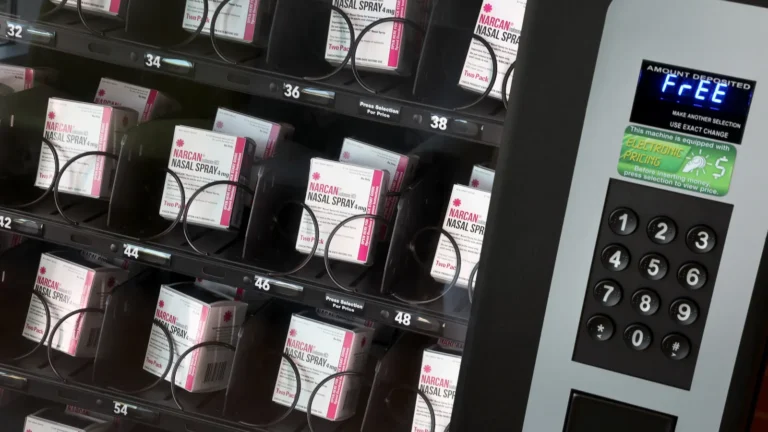
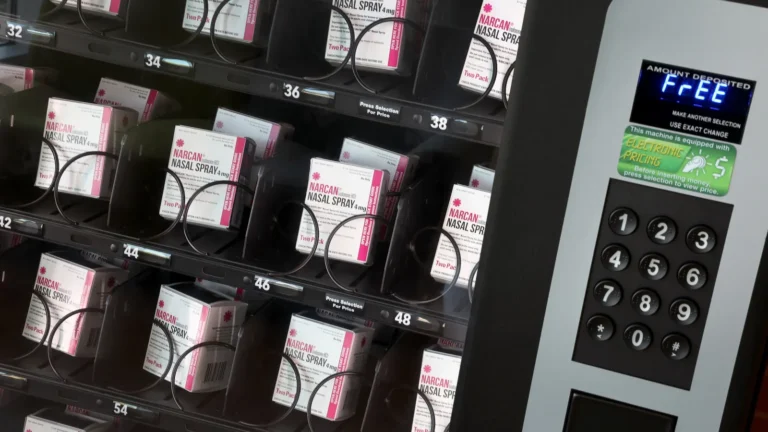
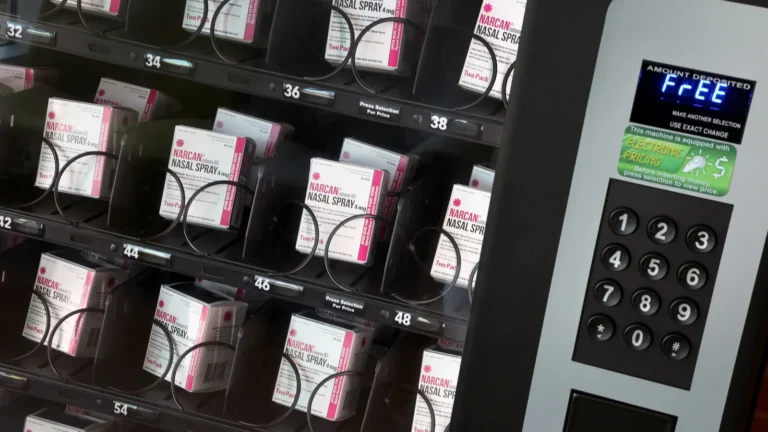
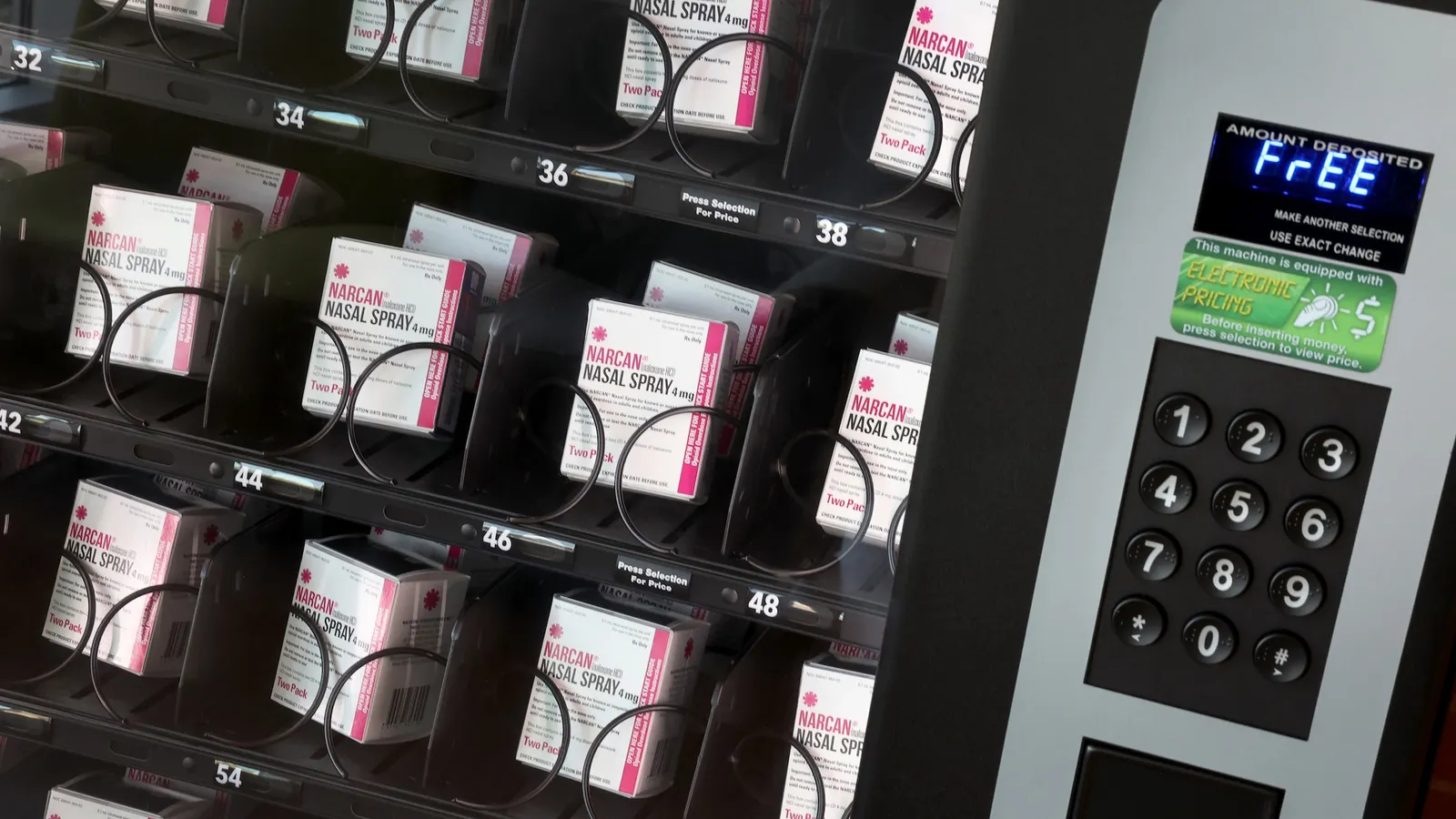
The core of OSHA’s updated guidance centers on practical preparedness strategies. These include the critical recommendation for employers to maintain a readily available supply of overdose reversal medications, such as naloxone (commonly known by the brand name Narcan) and nalmefene. The fact sheet advises that these overdose reversal kits should be treated with the same urgency and accessibility as standard first-aid supplies, advocating for their placement in visible and easily reachable locations within the workplace.
Furthermore, the guidance stresses the importance of comprehensive worker education. Employers are encouraged to train their staff to effectively identify the signs and symptoms of an opioid overdose. Equally crucial is the provision of training on the safe and correct administration of overdose reversal medications, empowering individuals to act decisively in life-threatening situations. This educational component is designed to demystify the process and instill confidence in employees who may witness an overdose.

The Fentanyl Threat: A National Emergency
The urgency behind this guidance is directly linked to the escalating threat posed by fentanyl. White House Drug Czar Sara Carter articulated the gravity of the situation in a recent statement: "Because fentanyl has infiltrated the illicit drug landscape and acts as a chemical weapon against our people, it is critically important that the American workforce is familiar with drug overdose recognition and reversal." Her statement highlighted the administration’s recognition of fentanyl’s role in driving overdose fatalities and the imperative to equip the workforce with life-saving tools. Carter expressed her gratitude to the Department of Labor for its role in disseminating this vital information, stating, "I am grateful to the Department of Labor for informing employers and workers about life-saving overdose reversal treatments like naloxone."
Fentanyl, a synthetic opioid up to 50 times more potent than heroin and 100 times more potent than morphine, has become a primary driver of the overdose epidemic in the United States. Its illicit production and distribution, often mixed with other drugs without the user’s knowledge, have led to a dramatic surge in accidental overdose deaths. According to data from the Centers for Disease Control and Prevention (CDC), synthetic opioids, predominantly fentanyl, were involved in an estimated 67,324 overdose deaths in 2022, representing a significant portion of the total overdose fatalities. The administration’s focus on workplace preparedness reflects an understanding that this crisis transcends individual choices and has profound implications for public health and economic stability.
A Chronology of Crisis and Response
The opioid crisis has been a growing concern for decades, with its roots tracing back to the late 1990s and early 2000s with the aggressive marketing of prescription opioid painkillers. The subsequent widespread addiction and diversion of these medications laid the groundwork for the current epidemic.
- Late 1990s – Early 2000s: Pharmaceutical companies introduce and heavily promote prescription opioid painkillers, leading to a significant increase in prescriptions and subsequent addiction rates.
- Mid-2000s: As prescription opioid use becomes more widespread, illicit drug markets emerge to meet demand, often involving heroin as a cheaper and more accessible alternative.
- Early 2010s: The proliferation of synthetic opioids, particularly fentanyl, begins to dramatically escalate overdose fatalities. These potent substances are often mixed into heroin, cocaine, and counterfeit pills, posing an invisible and deadly threat.
- 2017: President Trump declares the opioid crisis a public health emergency, signaling a heightened federal response.
- 2018-2020: Various legislative efforts and task forces are established to combat the crisis, including initiatives aimed at drug interdiction, treatment access, and harm reduction.
- 2021-2023: Continued high rates of overdose deaths, largely driven by fentanyl, prompt calls for more comprehensive and accessible interventions.
- 2026 (Early): The Trump Administration launches the "Great American Recovery Initiative," a broad strategy to address addiction.
- September 25, 2026: OSHA releases updated guidance for employers and workers on overdose recognition and reversal as part of the "Great American Recovery Initiative."
This timeline illustrates a protracted struggle, with each phase of the crisis demanding evolving and more robust responses from governmental bodies and public health organizations. The current guidance represents a significant step in adapting federal policy to the realities of the fentanyl-driven overdose epidemic.

The Human Cost: Statistics and Societal Impact
The impact of the opioid crisis on the American workforce is substantial and multifaceted. Beyond the tragic loss of life, addiction contributes to absenteeism, decreased productivity, increased healthcare costs, and a general decline in employee well-being. Recent data provides a stark picture of the challenge:
- Prevalence of Drug Use in the Workforce: A July 2025 report from clinical laboratory Quest Diagnostics revealed that nearly 1 in 5 workers tested positive for drug use based on hair analysis. This comprehensive study, which included tests for marijuana, cocaine, opiates, amphetamines, and methamphetamine, highlighted the pervasive nature of substance use across various demographics.
- Opiate Use in Healthcare: Notably, the Quest Diagnostics report found that opiate use was highest among healthcare workers, underscoring the vulnerability of individuals in professions that often involve high stress and access to controlled substances. This finding emphasizes the need for targeted interventions within critical sectors of the workforce.
- Economic Burden: The economic burden of the opioid crisis is immense, encompassing healthcare expenditures, lost productivity, criminal justice costs, and increased social services. Estimates vary, but studies have placed the annual economic cost in the hundreds of billions of dollars.
The integration of overdose reversal protocols into workplace safety plans is not merely a public health measure; it is also an economic imperative. By reducing overdose fatalities and supporting employees in their recovery journeys, businesses can mitigate significant financial losses and foster a more resilient and productive workforce.
Legal and Ethical Considerations in the Workplace
The issue of substance use in the workplace is also intertwined with complex legal and ethical considerations. Employers must navigate the balance between maintaining a safe working environment and respecting employee rights, particularly concerning addiction as a medical condition.
A notable case that underscores these complexities involved a software company that paid $80,000 to settle a disability discrimination lawsuit filed by the U.S. Equal Employment Opportunity Commission (EEOC). The company was accused of firing an employee who had taken leave to undergo inpatient treatment for substance abuse. The worker, who had a documented history of opiate addiction and was participating in a doctor-supervised medication-assisted treatment program, was terminated after seeking treatment. The EEOC contended that the firing violated the Americans with Disabilities Act (ADA) because the employee was regarded as disabled. This case serves as a critical reminder that employers must approach substance abuse issues with sensitivity and adhere to anti-discrimination laws.

The new OSHA guidance, by promoting preparedness and education, can help employers proactively address potential overdose situations in a manner that aligns with legal requirements and ethical responsibilities. Empowering employees with knowledge and resources can shift the focus from punitive measures to supportive interventions, fostering a culture of care and understanding within the workplace.
Broader Implications and Future Outlook
The "Great American Recovery Initiative" and the accompanying OSHA guidance represent a significant amplification of the federal government’s commitment to combating the opioid crisis. By extending this focus directly into the workplace, the administration is acknowledging that a substantial portion of the American population spends a significant portion of their lives at work, making these environments critical points for intervention and support.
The implications of this initiative are far-reaching:
- Increased Access to Life-Saving Treatment: By encouraging the stocking and accessibility of naloxone, the initiative directly increases the likelihood of overdose reversal in emergency situations, potentially saving countless lives.
- Enhanced Workplace Safety Culture: The emphasis on education and preparedness can foster a more supportive and informed workplace culture, reducing the stigma associated with addiction and encouraging employees to seek help without fear of reprisal.
- Economic Resilience: A workforce that is better equipped to handle overdose emergencies and where employees struggling with addiction receive appropriate support is a more stable and productive workforce, contributing to overall economic resilience.
- Data-Driven Interventions: The initiative’s connection to broader efforts like the "Great American Recovery Initiative" suggests a commitment to ongoing data collection and analysis, which can inform future policy decisions and refine intervention strategies.
While the long-term effectiveness of the "Great American Recovery Initiative" will be determined by its sustained implementation and adaptation to evolving challenges, the current guidance from OSHA marks a crucial step forward. It signals a pragmatic and comprehensive approach to a crisis that has deeply impacted American communities and the nation’s economic well-being. As the nation continues to grapple with the opioid epidemic, the integration of overdose prevention and reversal strategies into the fabric of the American workplace offers a beacon of hope and a tangible pathway toward recovery and resilience. The administration’s focus on this critical intersection of public health and employment underscores a unified effort to protect and empower the American workforce in the face of a persistent and evolving public health threat.
About the Author