The global technology landscape is currently undergoing a period of profound recalibration as the primary drivers of Silicon Valley investment shift from immersive virtual reality to generative artificial intelligence and autonomous systems. This transition was recently underscored by three major industry developments: Nvidia’s unveiling of its next-generation Blackwell computing platform, a growing rift between Tesla and its most dedicated brand ambassadors over Full Self-Driving (FSD) policies, and Meta’s strategic downsizing of its Horizon Worlds VR platform. These events collectively signal a departure from the "metaverse" era of the early 2020s toward a more utilitarian, AI-centric industrial cycle.
Nvidia and the Blackwell Architecture: Securing the AI Super Bowl
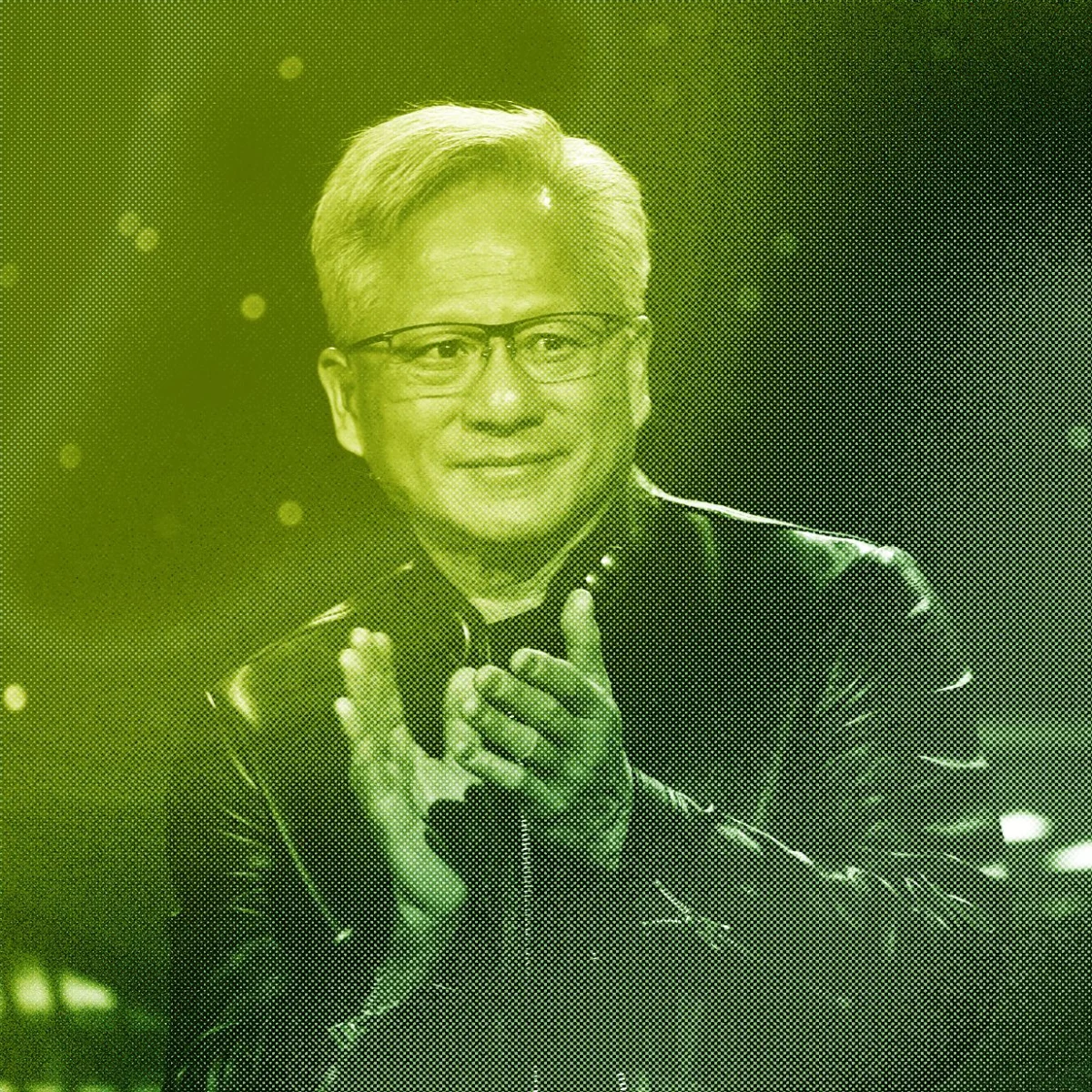
At its annual GPU Technology Conference (GTC) in San Jose, Nvidia solidified its position as the central architect of the artificial intelligence era. CEO Jensen Huang introduced the Blackwell platform, a new class of AI superchips designed to succeed the highly successful H100 Hopper architecture. The flagship B200 GPU features 208 billion transistors and is capable of delivering up to 20 petaflops of FP4 computing power. According to Nvidia, the Blackwell chips can reduce LLM (Large Language Model) inference operating costs and energy consumption by up to 25 times compared to the previous generation.
The significance of this announcement extends beyond raw hardware specifications. Huang projected that the revenue opportunity for AI chips could reach $1 trillion by 2027, as data centers globally transition from general-purpose computing to accelerated computing. This shift is driven by the increasing demand for "inference"—the process of running a trained AI model to generate responses for users—which is significantly more computationally expensive at scale than the initial training phase.
Supporting data suggests that Nvidia currently controls approximately 80% to 95% of the market for AI chips used in data centers. However, the company faces mounting competition. Google continues to develop its Tensor Processing Units (TPUs), while Amazon and Microsoft have introduced their own custom silicon (Trainium and Maia, respectively). Additionally, startups like Cerebras and Groq (not to be confused with Elon Musk’s xAI "Grok") are targeting niche segments of the market by offering chips specialized for extreme speed in inference. Nvidia’s response has been the launch of NemoClaw, a secure enterprise platform for AI agents, signaling the company’s intent to dominate the software and services layer of the AI ecosystem as well.
The Tesla Influence Crisis: Full Self-Driving and the Cost of Loyalty
While Nvidia experiences an unprecedented surge in market valuation, Tesla is navigating a complex period of brand dilution and customer friction. Historically, Tesla’s success has been bolstered by a "rabid" retail investor base and a community of influencers who acted as a grassroots marketing department. This relationship has recently been strained by Tesla’s handling of its Full Self-Driving (FSD) software transfers.
Tesla recently offered a limited-time incentive allowing existing owners to transfer their "lifetime" FSD service—a feature that costs up to $12,000 or a monthly subscription—to a new vehicle. However, the company imposed a strict delivery deadline of March 31, 2024. Many loyalists found this window unfeasible due to delivery delays and shifting terms, leading to a vocal backlash on social media platforms like X (formerly Twitter).
Industry analysts note that Tesla’s brand is increasingly tied to the political and social identity of its CEO, Elon Musk. A growing segment of the consumer base in the United States and Europe has expressed "Elon fatigue," citing Musk’s political engagement as a reason for seeking alternatives. This sentiment is now penetrating the core enthusiast community. As competitors like BYD, Rivian, and legacy automakers expand their EV portfolios, Tesla’s reliance on its cult-like following becomes a vulnerability.
Musk has responded to these pressures by pivoting the company’s narrative away from traditional automotive manufacturing toward robotics and AI. Tesla is currently prioritizing the development of the "Optimus" humanoid robot and a dedicated "Robotaxi" platform. Critics argue that this is a strategic move to justify a stock price that far exceeds the fundamentals of a car company, though supporters maintain that Tesla’s data advantage in real-world AI training remains insurmountable.
Meta and the Retreat from Horizon Worlds: The End of the Metaverse Dream?
Meta Platforms, formerly Facebook, has undergone a quiet but significant retreat from its original "metaverse" vision. In a move that signaled a shift in corporate priorities, the company initially indicated it would shut down Horizon Worlds on the Quest headset, the very platform Mark Zuckerberg touted as the future of social interaction. While Meta later clarified that the platform would remain on "limited support" for the foreseeable future, the move confirms that the massive $77 billion loss incurred by the Reality Labs division over the last four years has forced a strategic pivot.
The failure of Horizon Worlds to achieve mainstream adoption highlights a recurring theme in consumer technology: the "face-worn tech" hurdle. Similar to the 3D TV trend of the early 2010s, VR headsets have struggled to overcome the friction of physical discomfort and social isolation. Even Apple’s entry into the market with the Vision Pro has faced challenges, with reports of higher-than-expected return rates and a lack of a "killer app" that justifies the $3,499 price point.
Meta’s focus has now shifted almost entirely to its Llama family of large language models and integrating AI across its existing apps (Instagram, WhatsApp, and Facebook). This transition is reflected in the company’s capital expenditure, which has been redirected toward building massive AI data centers rather than purely virtual environments. The metaverse is no longer the primary identity of the company; it has become a secondary experiment in the shadow of the generative AI boom.
Chronology of the Shift: 2021–2024
To understand the current state of the industry, one must look at the timeline of these overlapping technological cycles:
- October 2021: Facebook rebrands to Meta, sparking a global "metaverse" investment frenzy.
- November 2022: OpenAI releases ChatGPT, shifting the tech industry’s focus from VR to Generative AI.
- May 2023: Nvidia joins the $1 trillion market cap club as demand for H100 chips skyrockets.
- Early 2024: Apple releases the Vision Pro; Meta begins scaling back Reality Labs; Tesla faces its first year-over-year delivery decline in Q1.
- March 2024: Nvidia announces the Blackwell B200 at GTC; Tesla enthusiasts express public frustration over FSD policies.
Fact-Based Analysis: Implications for the Global Economy
The transition from the metaverse to the AI era has several long-term implications for the global economy and the tech industry.
1. Energy and Infrastructure Demands
The shift toward AI-centric computing requires a massive overhaul of the world’s power grids. Data centers running Blackwell-class GPUs consume significantly more electricity than traditional servers. This has led to a surge in investment in nuclear energy and "green" data center cooling technologies. The bottleneck for AI growth is no longer just chip supply, but the availability of power.
2. The Commodity of Content
As AI models like Llama and GPT-4 "eat the internet," the value of human-generated data has increased. We are seeing a new era of licensing agreements between tech giants and media organizations. This contrasts with the metaverse model, which relied on users creating their own content in 3D spaces—a task that proved too difficult for the average consumer.
3. The Geopolitical Chip War
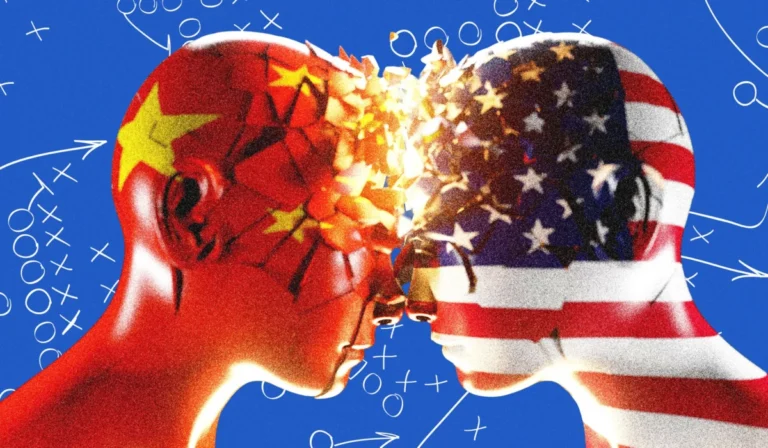
Nvidia’s dominance has made it a central figure in US-China trade tensions. The US government’s restrictions on the export of high-end AI chips (like the H100 and B200) to China have forced Chinese tech giants like Huawei and Alibaba to accelerate their own semiconductor development. The "AI Super Bowl" is not just a corporate competition but a national security priority for world powers.
Conclusion: A More Practical Future
The events of early 2024 suggest that the technology industry is returning to a more "utilitarian" phase. While the metaverse promised a radical departure from reality, AI promises to enhance existing reality by making search, coding, and administrative tasks more efficient. Tesla’s struggle to maintain its "fanboy" base suggests that even the most innovative brands must eventually answer to traditional consumer expectations of value and service.
As Nvidia continues to build the backbone of this new era, the focus will remain on "inference"—the practical application of AI in the real world. The "Uncanny Valley" of tech is no longer just about virtual avatars that look almost human; it is about AI agents that think almost like humans and the infrastructure required to sustain them. For now, the dream of the metaverse has been deferred, replaced by the immediate and lucrative reality of the AI-driven data center.
About the Author