The Trump Administration’s commitment to combating the opioid crisis has been amplified with the introduction of the Great American Recovery Initiative, a comprehensive strategy aimed at bolstering addiction treatment and recovery efforts across the nation. A key component of this initiative, as detailed in new guidance from the Occupational Safety and Health Administration (OSHA), focuses on equipping American employers and workers with the knowledge and resources necessary to recognize and respond to drug overdoses, particularly those involving potent synthetic opioids like fentanyl. This proactive approach underscores a growing recognition of the pervasive impact of substance use disorders on the workforce and the critical need for workplace safety protocols to address this public health challenge.
The guidance, released on September 25, 2026, emphasizes the urgency of preparedness in light of fentanyl’s widespread presence in the illicit drug supply. White House Drug Czar Sara Carter articulated this sentiment, stating, "Because fentanyl has infiltrated the illicit drug landscape and acts as a chemical weapon against our people, it is critically important that the American workforce is familiar with drug overdose recognition and reversal. I am grateful to the Department of Labor for informing employers and workers about life-saving overdose reversal treatments like naloxone." This statement highlights a coordinated effort between federal agencies to address the multifaceted nature of the opioid epidemic, extending its reach into occupational health and safety.
Enhancing Workplace Safety: Key Recommendations for Overdose Preparedness
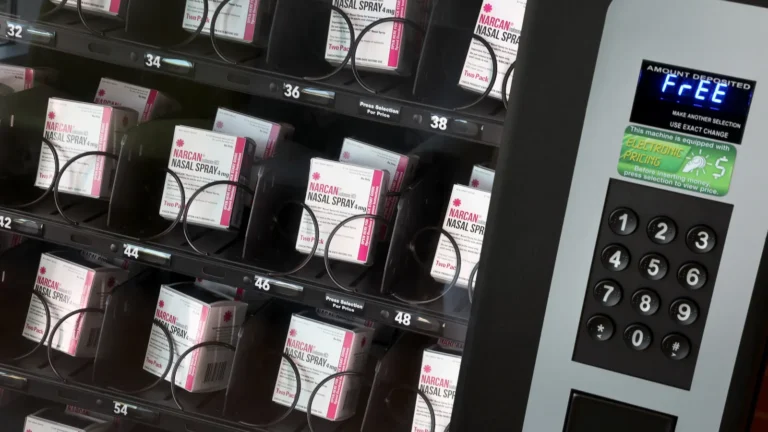
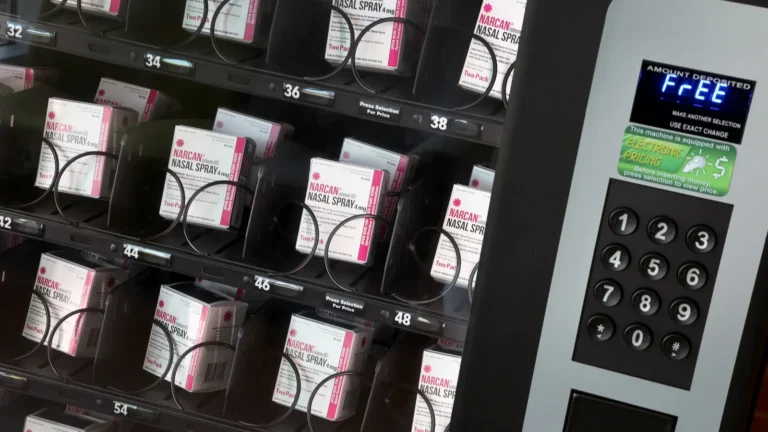
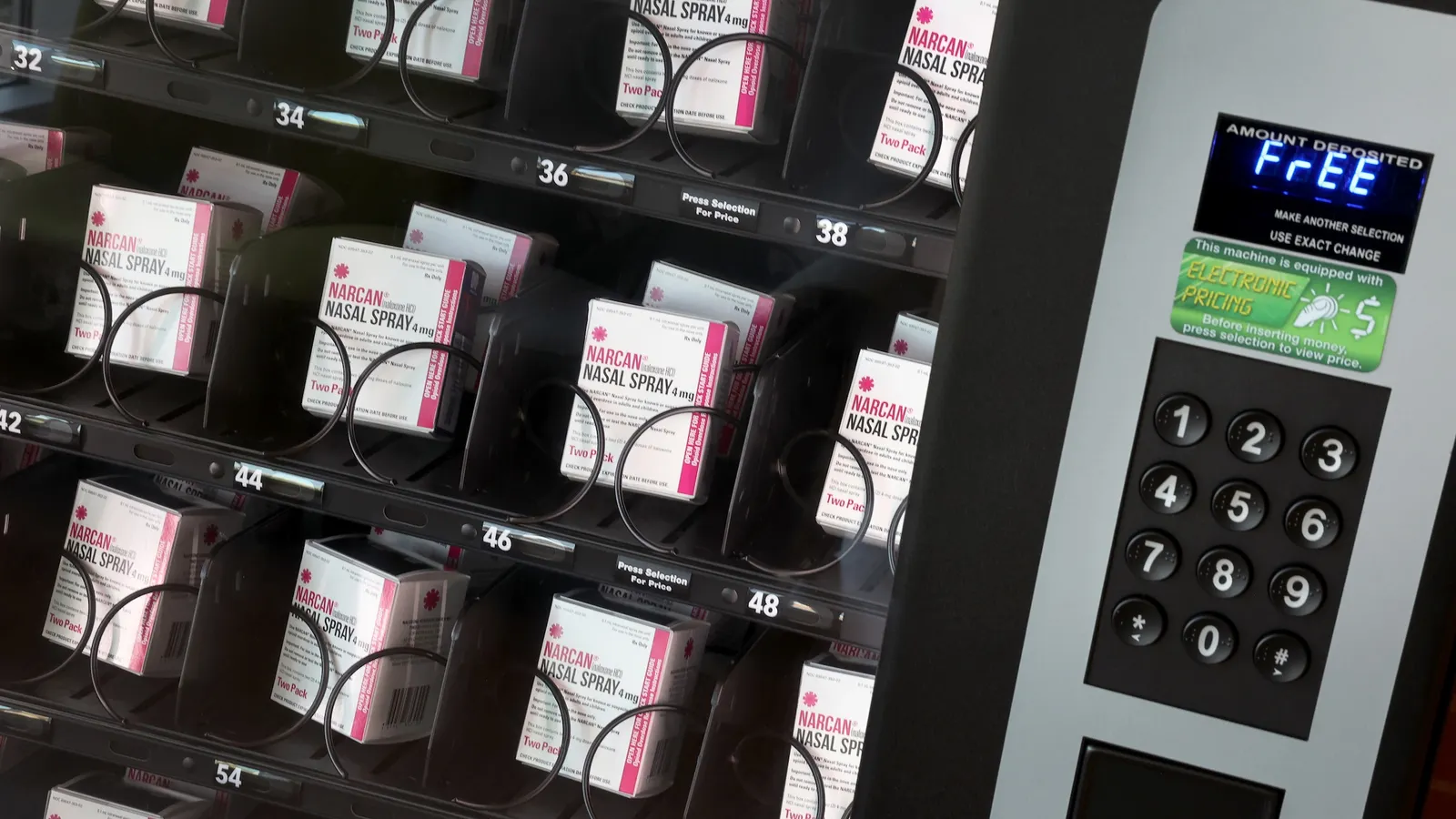
The fact sheet disseminated by OSHA provides actionable strategies for employers to implement within their workplaces. Foremost among these recommendations is the importance of maintaining readily accessible overdose reversal medications, such as naloxone (brand name Narcan) or nalmefene. These medications, capable of rapidly reversing the effects of opioid overdoses, are presented as essential components of a comprehensive first-aid kit. The guidance further advises that these overdose kits be treated with the same importance as traditional first-aid supplies, meaning they should be stored in visible and easily accessible locations throughout the workplace. This accessibility is crucial to ensuring that immediate intervention can occur in the event of an overdose, potentially saving lives.

Beyond the provision of medication, the guidance strongly advocates for worker education and training. Employers are encouraged to educate their workforce on how to identify the signs and symptoms of an opioid overdose. This includes recognizing respiratory depression, unresponsiveness, pinpoint pupils, and bluish lips or fingernails. Equally important is the training of workers on the safe and effective administration of overdose reversal medications. This empowers employees to act decisively and competently during a critical emergency, mitigating the risk of delayed or improper treatment. The objective is to foster a workplace culture where overdose response is integrated into existing emergency preparedness plans, much like responses to other medical emergencies.
The Pervasive Impact of Substance Use on the American Workforce
The impetus behind OSHA’s enhanced guidance is underscored by alarming statistics regarding substance use within the U.S. workforce. A July 2025 report from clinical laboratory Quest Diagnostics revealed that nearly one in five workers tested positive for drug use based on hair analysis. This figure, derived from extensive U.S. workforce data encompassing hair and urine tests for common substances including marijuana, cocaine, opiates, amphetamines, and methamphetamine, paints a stark picture of the prevalence of substance use. The report further highlighted that opiate use was particularly prevalent among healthcare workers, a demographic often on the front lines of patient care and potentially exposed to a higher risk of substance misuse.
The implications of these findings extend beyond individual health concerns to encompass broader workplace safety and productivity. Unaddressed substance use can lead to increased absenteeism, accidents, errors, and decreased morale. By providing clear guidelines for overdose preparedness, the Great American Recovery Initiative aims to mitigate these risks and create safer working environments for all employees. The administration’s focus on the workforce acknowledges that the opioid crisis is not confined to specific demographics or communities but permeates all sectors of society, including the economic engine of the nation.
A Legal and Ethical Imperative: Employers’ Responsibilities
The issue of substance use in the workplace is not merely a matter of public health but also one with significant legal and ethical dimensions. A recent lawsuit settlement serves as a potent reminder of employers’ responsibilities. In a case involving the U.S. Equal Employment Opportunity Commission (EEOC), a software company was compelled to pay $80,000 to settle a disability discrimination lawsuit. The company was accused of illegally firing an employee who had taken leave to undergo treatment for opioid addiction.

According to the EEOC, the employee had a history of opiate addiction and was participating in a doctor-supervised medication-assisted treatment program. Despite this, the company terminated their employment, allegedly because the individual was "regarded as disabled," a practice that violates the Americans with Disabilities Act (ADA). This case underscores the critical need for employers to understand and adhere to anti-discrimination laws, particularly concerning individuals with substance use disorders who are seeking or undergoing treatment. The guidance from OSHA, therefore, complements existing legal frameworks by promoting a supportive and informed approach to substance use within the workplace, rather than punitive measures that could lead to legal repercussions.
Historical Context and the Evolving Landscape of Addiction Treatment
The current focus on overdose reversal and workplace preparedness is the culmination of years of evolving understanding and policy responses to the opioid crisis. The epidemic, which has been escalating for decades, has seen shifts in its primary drivers and the types of substances involved. Initially fueled by the over-prescription of opioid painkillers, the crisis has more recently been dominated by the proliferation of illicitly manufactured fentanyl and its analogues, which are significantly more potent and dangerous.
The Great American Recovery Initiative represents a strategic escalation of federal efforts, building upon previous administrations’ responses. The Trump Administration’s emphasis on a "recovery" framework signals a commitment not only to preventing overdose deaths but also to supporting individuals in their journey toward long-term sobriety and reintegration into society. This holistic approach recognizes that addiction is a chronic disease requiring sustained support and access to comprehensive treatment services.
The inclusion of nalmefene alongside naloxone in the guidance is also noteworthy. While naloxone is the most widely recognized overdose reversal medication, nalmefene is an opioid antagonist that works similarly but has a longer duration of action. The acknowledgment of both medications reflects a growing awareness of the diverse therapeutic options available for opioid overdose reversal, further empowering responders with effective tools.

Broader Implications and Future Outlook
The proactive stance taken by the Trump Administration and OSHA has far-reaching implications for the American workforce and public health. By integrating overdose preparedness into occupational safety standards, the initiative aims to create a ripple effect, encouraging a more informed and supportive societal response to addiction.
Key implications include:
- Reduced Overdose Fatalities: Enhanced accessibility to reversal medications and trained personnel can significantly decrease the number of preventable overdose deaths occurring in workplace settings.
- Improved Workplace Safety Culture: By openly addressing substance use and overdose preparedness, employers can foster a more open and supportive environment, reducing stigma and encouraging employees to seek help when needed.
- Economic Benefits: A healthier and safer workforce translates into economic benefits, including reduced healthcare costs, decreased absenteeism, and improved productivity.
- Strengthened Community Resilience: As workplaces become better equipped to handle overdose emergencies, this preparedness can extend to the broader community, as trained employees may be more likely to intervene in non-work settings.
- Setting Precedents for Future Initiatives: The comprehensive nature of the Great American Recovery Initiative, with its focus on multi-agency collaboration and practical guidance, could serve as a model for future public health interventions and policy development.
The timeline of these efforts, from the initial acknowledgment of the opioid crisis to the establishment of initiatives like the Great American Recovery Initiative, highlights a continuous learning and adaptation process. The fact that guidance is being updated and disseminated in 2026 demonstrates an ongoing commitment to addressing a dynamic public health threat. As the nation continues to grapple with the opioid epidemic, the strategies outlined in this initiative represent a critical step forward in protecting the health and well-being of American workers and fostering a more resilient and recovery-oriented society. The administration’s commitment to informing employers and workers about life-saving overdose reversal treatments is a testament to the understanding that a healthy workforce is fundamental to a thriving nation.
About the Author