The landscape of robotics is undergoing a dramatic transformation, with humanoid robots emerging from the realm of science fiction and into the tangible future of industrial and domestic applications. While the public consciousness has been captivated by the ambitious visions of figures like Tesla CEO Elon Musk with his Optimus robot and the impressive agility demonstrated by Boston Dynamics’ Atlas, a significant undercurrent of real-world progress is fueling this burgeoning industry. Researchers are increasingly optimistic that advancements in artificial intelligence, particularly in the domain of large language models, can equip complex robots with the ability to learn and execute a vast array of tasks, signaling a potential paradigm shift in automation.
This confluence of technological advancement and growing market anticipation has spurred a new generation of companies to venture into the lucrative potential of humanoid robotics. Notably, Chinese automakers are at the forefront of this charge, injecting substantial capital and strategic focus into the development of these sophisticated machines. The past year has witnessed a surge in investment and development activity from these automotive giants, indicating a clear intent to capitalize on the anticipated demand for versatile robotic assistants.
Xpeng Robotics Secures Landmark Funding
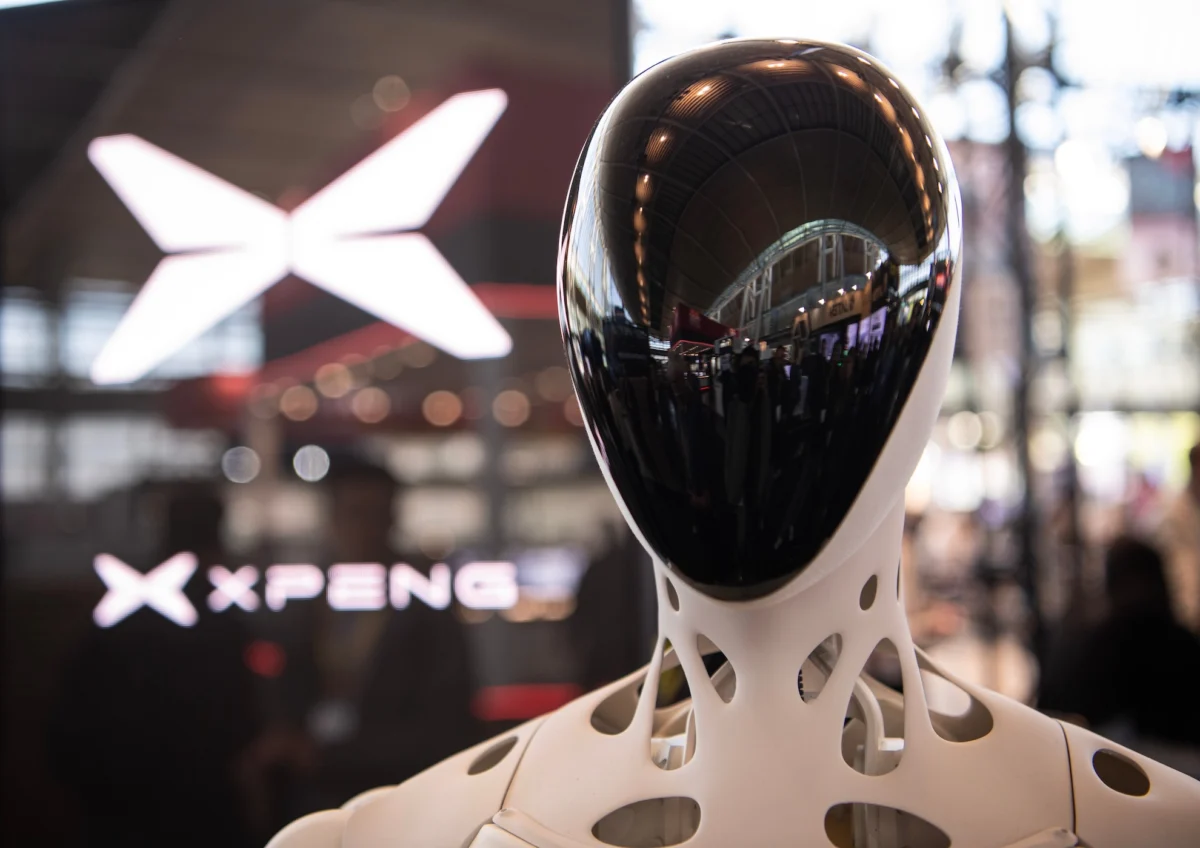
A pivotal moment in this accelerating trend was the recent funding round for Xpeng’s robotics division. Earlier this week, the company announced it had raised over $900 million, achieving a post-money valuation exceeding $6.3 billion. This significant financial injection, led by IDG Capital and bolstered by contributions from prominent investors such as Gaorong Ventures, Tencent, and Alibaba, has been hailed as the largest single-round private financing ever recorded in China’s "embodied AI" sector. Embodied AI refers to artificial intelligence systems that are integrated directly into physical machines, allowing them to interact with and understand the physical world.
This substantial investment underscores the growing confidence in the commercial viability of Xpeng’s robotic endeavors. The company’s strategic focus on developing humanoid robots, particularly its flagship model named Iron, suggests a clear ambition to move beyond the experimental stages and towards large-scale commercial deployment. Iron is designed with a realistic human form, aiming to facilitate seamless integration into various work environments where human interaction and dexterity are crucial.
Chinese Automakers Embrace the Robotic Frontier
Xpeng is not an isolated case. The broader Chinese automotive industry is demonstrating a collective and determined push into humanoid robotics. This month, AiMOGA, the robotics arm of Chery Automobile, reportedly began preparations for an Initial Public Offering (IPO), signaling its readiness to tap into public markets for further growth. Simultaneously, BYD, another major Chinese automaker, unveiled its own humanoid robot, Xiao Di, showcasing its commitment to this emerging technology.
The trend extends beyond these prominent examples. A growing number of Chinese automotive manufacturers, including Changan, GAC, Li Auto, SAIC, and Seres, are actively engaged in the research and development of their own humanoid robot projects. This widespread participation suggests a strategic recognition of the transformative potential of robotics across multiple industries, with the automotive sector serving as both a testing ground and a potential early adopter.
Strategic Alignment with Industry Leaders
According to Michael Dunne, CEO of Dunne Insights, a San Diego and Singapore-based advisory firm specializing in the automotive sector, Xpeng is particularly notable for its close observation and emulation of Tesla’s pioneering initiatives in autonomy and robotics. Dunne highlights Xpeng founder He Xiaopeng’s reputation for agility and his willingness to adapt quickly to market shifts. "It’s the most focused on autonomy, it’s the first to commit in a big way to humanoid robots," Dunne remarked to TechCrunch, emphasizing that the perceived razor-thin profit margins in the automotive industry in the near future are likely driving this pivot. "Robots look much more promising," he added.
This strategic foresight is further underscored by the personal commitment of Xpeng’s leadership. Both He Xiaopeng and Xpeng co-president Brian Gu have reportedly invested their own capital into the robotics unit, contributing approximately $100 million to the recent fundraising round, as reported by The Wall Street Journal. This significant personal investment signifies a profound belief in the long-term potential of their robotic ventures.
Manufacturing Prowess Meets AI Ambition
A key advantage that Chinese automakers like Xpeng bring to the table is their established manufacturing infrastructure and expertise. "They have all the hardware to get the job done," stated Dunne. However, he also posed a critical question regarding the competitive landscape: "Question is if they can catch Tesla on the AI side of the equation." This highlights the ongoing race to develop sophisticated artificial intelligence capable of powering these advanced robots, a domain where established tech giants and innovative startups are also vying for supremacy.
The development of humanoid robots is not confined to Chinese shores. A diverse range of companies globally are actively pursuing the goal of commercial-scale humanoid robot deployment. Agility Robotics, Apptronik, and Figure are among the prominent players in this international field, each with their unique approaches and technological advancements.
Hyundai’s Integrated Approach: From Atlas to Factory Floor
Hyundai, a global automotive powerhouse, is also making significant strides. The company’s ownership of Boston Dynamics, renowned for its sophisticated Atlas robot, positions it uniquely within the humanoid robotics space. Hyundai has outlined ambitious plans to integrate the Atlas robot into its Georgia factory this year, with the long-term objective of deploying these robots for critical tasks such as parts sequencing by 2028.
To accelerate the development of Atlas, Hyundai has partnered with Google’s AI research lab, DeepMind. This collaboration aims to imbue the robot with enhanced learning and operational capabilities. Furthermore, Hyundai is establishing a U.S. facility, a Robot Metaplant Application Center, dedicated to training robots in complex physical movements like lifting and turning, crucial for practical industrial applications.
Diversification and Emerging Players
The automotive sector’s engagement with robotics extends beyond direct robot development. Mobileye, a leading supplier of advanced driver-assistance systems, acquired humanoid robot startup Mentee Robotics earlier this year for a substantial $900 million, signaling a strategic diversification into this field. Even electric vehicle manufacturer Rivian is exploring robotic technologies through its Mind Robotics spinout. While Rivian’s robots may not adopt the traditional humanoid form factor, this venture indicates a broader industry trend of leveraging automation and advanced mechanics.
The Future of Humanoid Robotics: Implications and Outlook
The rapid acceleration in humanoid robot development, particularly driven by automotive manufacturers, carries profound implications across various sectors. The potential for these robots to perform repetitive, dangerous, or physically demanding tasks in manufacturing, logistics, and even healthcare could lead to significant increases in efficiency and productivity. The ability of AI to enable robots to learn new tasks dynamically further amplifies their potential utility, moving beyond pre-programmed routines to adaptable, problem-solving agents.
However, this technological advancement also raises important questions regarding workforce displacement, ethical considerations, and the future of human-robot collaboration. As these sophisticated machines become more capable, societal adaptation and policy frameworks will be crucial to navigate the transition effectively. The substantial investments being poured into this sector by major corporations, coupled with the rapid pace of innovation, suggest that the era of widespread humanoid robot deployment is not a distant dream but an increasingly tangible reality. The coming years will undoubtedly witness fierce competition and groundbreaking advancements as companies race to define the future of intelligent automation.
About the Author