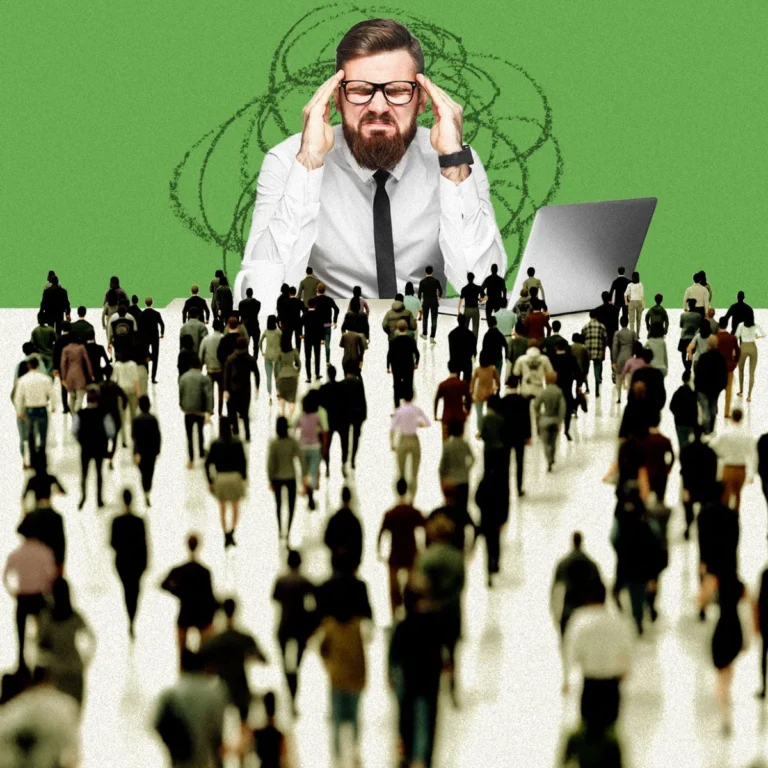
The concept of "situational agency," a framework for proactively shaping one’s life through intentional choices about immediate circumstances, is gaining traction as a potent tool for personal development and well-being. Championed by behavioral science expert Angela Duckworth, this approach posits that while individuals may not control the broader world, they possess significant power over their proximal environments and relationships. It distills this power into four fundamental elements: one’s physical space, chosen peers, cultivated mentors, and adopted culture. This strategic methodology, detailed in Duckworth’s forthcoming work, aims to demystify the process of aligning one’s circumstances with aspirations, thereby fostering a life of greater purpose and effectiveness.
The Foundational Philosophy: Intentional Effort Over Blind Perseverance
At the heart of situational agency lies a profound understanding of human motivation: the belief that "everyone is trying." This insight, drawn from decades of behavioral research, suggests that individuals rarely wake with an intent to sabotage their goals. Instead, perceived failures often stem from misaligned effort or an unsupportive environment. Situational agency shifts the focus from merely "trying harder" to "trying smarter" by actively constructing conditions conducive to success. It posits that while perseverance is valuable, applying it in an inherently adverse situation can be counterproductive, even tragic. The true leverage, therefore, lies in making one’s situation an ally, thereby optimizing the return on personal effort.
The Four Pillars of Situational Agency: A Structured Approach
Duckworth’s framework outlines a deliberate sequence for engaging with these elements, moving from the most immediate and concrete to the more abstract and far-reaching. This progression is designed to reduce intimidation and highlight achievable steps.
1. Orchestrating Your Space: The Immediate Environment
The first and most tangible pillar involves taking command of one’s immediate physical surroundings. This encompasses everything from the organization of a desk to the arrangement of a home. The premise is simple: while global control is elusive, sovereignty over one’s personal space is absolute. This element encourages a conscious evaluation of the "gravitational pull of objects within sight and reach."
- Supporting Data and Context: Environmental psychology has long established a clear link between physical space and psychological states. Studies have shown that cluttered environments can increase stress levels and impair focus, while organized and aesthetically pleasing spaces can enhance productivity, creativity, and emotional well-being. Research from institutions like Princeton University suggests that physical clutter can compete for attention, leading to decreased performance. Conversely, intentional design elements, such as natural light, greenery (biophilic design), and ergonomic furniture, have been linked to improved mood, reduced fatigue, and increased cognitive function in both work and home settings. For instance, a 2011 study published in the Journal of Environmental Psychology found that employees in offices with natural elements reported higher job satisfaction and lower stress. This pillar emphasizes that decisions about what to add or subtract from one’s personal domain are not trivial but fundamental acts of agency.
2. Curating Your Peers: The Power of Social Networks
Following the optimization of physical space, the framework moves to the selection of one’s social environment. While family ties are often immutable, the choice of friends, colleagues, and community members remains a powerful lever for influence. This pillar underscores the profound impact of "whose company you keep."
- Supporting Data and Context: Social psychology provides extensive evidence for the transformative power of peer groups. Concepts like social contagion, where behaviors, attitudes, and even emotions spread through social networks, highlight the critical importance of peer selection. Nicholas Christakis and James Fowler’s research on social networks demonstrated that phenomena such as obesity, smoking cessation, and happiness can spread through three degrees of separation. Peer influence can manifest in various forms, from fostering positive habits and intellectual curiosity to reinforcing detrimental patterns. Data consistently shows that individuals surrounded by supportive, ambitious, and value-aligned peers tend to achieve higher levels of success, experience greater emotional resilience, and maintain better physical health. For example, studies on professional development often cite peer accountability groups as significant drivers of goal achievement. This pillar encourages individuals to actively seek out and cultivate relationships with those who uplift, challenge constructively, and share similar values and aspirations, rather than passively accepting existing social circles.
3. Cultivating Mentorship: Guided Growth and Accelerated Learning
The third element focuses on actively attracting and engaging with mentors. Distinct from peer relationships, mentorship involves a hierarchical dynamic where an experienced individual guides and supports a less experienced protégé. This pillar asserts that while one cannot choose parents, one can and should choose mentors, framing them as a "need-to-have, not a nice-to-have."
- Supporting Data and Context: The benefits of mentorship are extensively documented across academic and professional domains. Research consistently demonstrates that individuals with mentors experience accelerated career progression, enhanced skill development, increased job satisfaction, and greater self-efficacy. A study by Sun Microsystems, for instance, found that both mentors and mentees had significantly higher retention rates and career advancement than non-participants. Mentors provide invaluable insights, open doors to new opportunities, offer objective feedback, and help navigate complex challenges. The process of becoming a "mentor magnet" often involves demonstrating initiative, a genuine desire to learn, and respect for the mentor’s time and expertise. This is not about passive waiting but active engagement—identifying potential mentors, understanding their work, and respectfully seeking their guidance. The deliberate pursuit of diverse mentorship figures, including those offering different perspectives or specializing in distinct areas, further enriches this aspect of situational agency.
4. Choosing Your Culture: The Macro Environment
The final and broadest pillar involves making conscious decisions about one’s overarching cultural environment, encompassing both professional and residential spheres. While birth location is fixed, choices about where to work and live remain powerful determinants of daily experience and long-term trajectory. This element directly confronts "status quo bias" – the human tendency to prefer existing conditions even when alternative options might be more beneficial.
- Supporting Data and Context: Organizational culture has been proven to be a critical factor in employee engagement, productivity, innovation, and retention. A Gallup study revealed that only 36% of U.S. employees are engaged in their work, with culture being a primary driver of disengagement. Companies with strong, positive cultures often outperform competitors. Similarly, geographical culture—the norms, values, and opportunities present in a city or region—profoundly impacts lifestyle, career prospects, and personal well-being. Urban planning research and sociological studies highlight how access to green spaces, community infrastructure, educational institutions, and economic opportunities in a given location can dictate quality of life. Status quo bias, a concept from behavioral economics, explains why individuals often resist change even when it’s advantageous. Overcoming this bias requires deliberate introspection and a willingness to explore new environments. This pillar challenges individuals to critically assess whether their current professional and residential cultures align with their values and goals, and to have the courage to make a move if they don’t.
The Strategic Sequence: From Near to Far
Duckworth’s emphasis on tackling these elements in a specific order—space, peers, mentors, culture—is deliberate. This progression moves from the most concrete and immediately controllable aspects of life to those that may require more strategic planning and time to alter. Beginning with one’s physical space offers an accessible entry point, yielding quick wins that build momentum and confidence. As individuals gain agency over their immediate surroundings, they are better equipped to make more significant decisions about their social networks, professional development, and broader living environments. This systematic approach reduces the overwhelming nature of comprehensive life change, making the concept of "getting situated" less intimidating and more actionable.
The Psychological Underpinnings and Evolution
The principles underpinning situational agency draw heavily from established psychological theories that emphasize human agency and environmental influence.
- Self-Determination Theory (SDT): Developed by Edward Deci and Richard Ryan, SDT posits that humans have innate psychological needs for autonomy (control over one’s life), competence (feeling effective), and relatedness (feeling connected to others). Situational agency directly addresses these needs by empowering individuals to exercise autonomy over their environment, develop competence through mentorship, and foster relatedness through peer selection.
- Social Cognitive Theory: Albert Bandura’s theory highlights the reciprocal interaction between personal factors (cognition, emotion), behavior, and environmental influences. Situational agency is a practical application of this theory, demonstrating how individuals can intentionally modify their environment to shape their behavior and self-efficacy.
- Locus of Control: This concept, introduced by Julian Rotter, distinguishes between individuals who believe they control their own destiny (internal locus of control) and those who believe external forces are primarily responsible (external locus of control). Situational agency is a powerful framework for cultivating an internal locus of control, demonstrating that even amidst external constraints, significant personal influence remains.
The evolution of these ideas, from early behavioral psychology recognizing stimulus-response to modern positive psychology emphasizing intentional design of life, provides a rich academic backdrop for Duckworth’s formulation. It’s a synthesis that moves beyond merely understanding behavior to actively designing the conditions for optimal human functioning.
Broader Implications and Applications
The framework of situational agency extends beyond individual self-improvement, offering profound implications for various sectors:
- Personal Development and Resilience: For individuals, mastering situational agency leads to increased self-efficacy, a greater sense of purpose, and enhanced resilience in the face of adversity. By proactively shaping their environments, individuals become less reactive and more intentional, fostering a deeper sense of control and well-being.
- Organizational Leadership and Development: Businesses and organizations can leverage situational agency to foster more engaged and productive workforces. By empowering employees to optimize their workspaces, encouraging positive peer interactions, facilitating mentorship programs, and cultivating a supportive organizational culture, leaders can significantly impact employee satisfaction, retention, and innovation. This shifts the paradigm from top-down control to enabling environments where individuals can thrive.
- Educational Settings: Educators can apply these principles to create learning environments that maximize student engagement and success. This includes designing stimulating physical classrooms, fostering positive peer dynamics, integrating mentorship opportunities, and cultivating a school culture that values growth and collaboration.
- Community and Urban Planning: At a societal level, the principles of situational agency can inform urban planning and community development initiatives. Designing public spaces that encourage positive social interaction, fostering community-based mentorship programs, and supporting diverse cultural opportunities can create environments that enable residents to flourish.
Navigating Constraints and Acknowledging Nuance
While situational agency offers a powerful pathway to intentional living, it is crucial to acknowledge that external constraints and systemic inequalities can limit an individual’s immediate capacity for change. Socioeconomic factors, geographical limitations, and pre-existing obligations can present significant barriers to fully implementing all four pillars simultaneously. The framework is not presented as a panacea that negates the existence of privilege or systemic challenges. Instead, it offers a pragmatic approach to identifying and maximizing the spheres of influence that are available, even within restrictive circumstances. It is about understanding what is possible and acting within those boundaries, gradually expanding them where feasible. The emphasis remains on personal power and deliberate choice, challenging the assumption that "it can’t be done" and instead illuminating the pathways to active design.
In conclusion, situational agency represents a potent synthesis of behavioral science and practical application. By meticulously addressing one’s space, peers, mentors, and culture, individuals can transition from passively experiencing life to actively architecting it. It is an invitation to recognize the immense, often underestimated, power inherent in making intentional choices about one’s immediate world, ultimately leading to a more aligned, purposeful, and fulfilling existence.
About the Author