The burgeoning U.S. data center market, fueled by an unprecedented surge in artificial intelligence and cloud infrastructure investment, is facing its most significant hurdle not from power, land, or equipment, but from a critical shortage of skilled labor. According to an analysis by Kelly Services, a global leader in workforce solutions, recruiting talent from adjacent sectors such as telecommunications and utility grid operations is emerging as a vital strategy to build a sustainable pipeline of qualified workers and overcome the current construction and operational bottlenecks.
This talent scarcity is a direct consequence of the most extensive data center build-out in the nation’s history. By 2026, the data center industry is projected to employ approximately 650,000 individuals, marking a substantial 30% increase from the 2023 workforce. However, this projected growth is being significantly hampered by the inability to fill a growing number of specialized roles.
The Evolving Data Center Landscape and its Workforce Demands
The insatiable demand for data processing and storage, driven by advancements in AI, machine learning, big data analytics, and the ever-expanding cloud ecosystem, has transformed the data center industry into a hyper-growth sector. This rapid expansion necessitates a complex and skilled workforce, encompassing a wide array of disciplines. These include, but are not limited to, electrical and mechanical engineers, network technicians, cybersecurity specialists, commissioning agents, construction managers, and highly specialized data center operators.
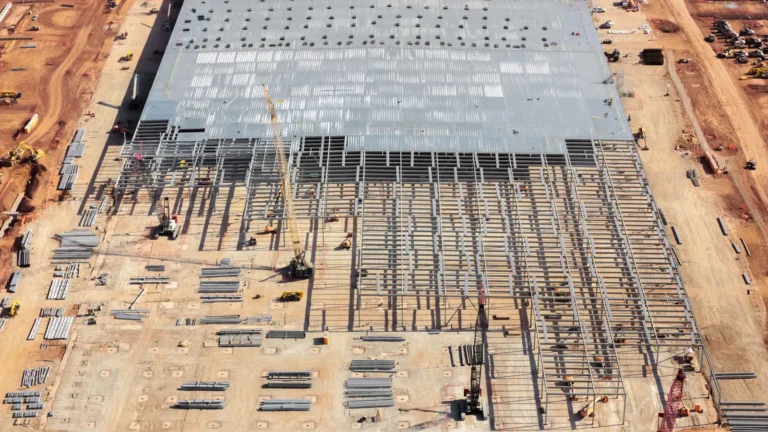
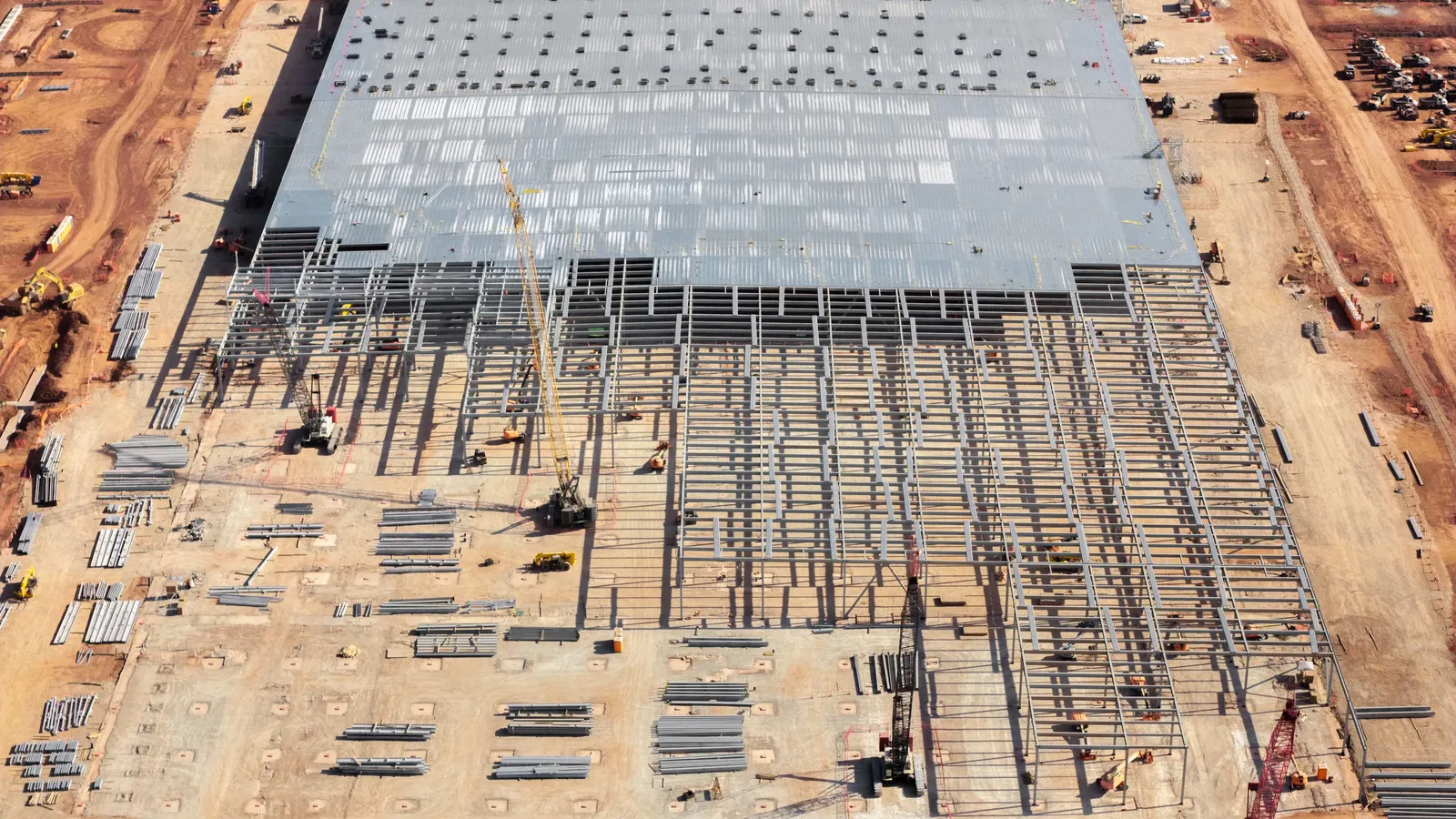
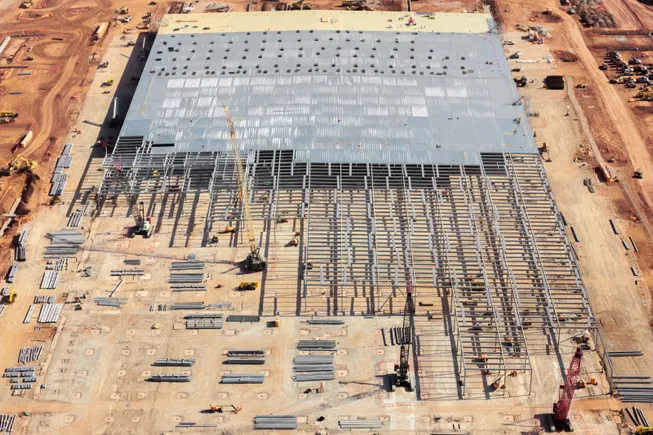
The sheer scale of current and planned data center construction is unprecedented. In August 2026, as depicted in aerial views of the Stargate Oracle AI data center undergoing construction in Abilene, Texas, the landscape of many regions is being reshaped by these massive facilities. This construction boom, while promising economic development and technological advancement, places immense pressure on the available talent pool.
The Talent Bottleneck: A Microcosm of High Demand, Low Supply
Joel Leege, president of Kelly Science, Engineering, Technology & Telecom, articulated the severity of the situation, stating, "The biggest constraint is no longer just power, land or equipment. It’s talent." This sentiment is echoed across the industry, with a staggering 90% of data center operators identifying staffing shortages as a critical restraint on their ability to build or expand facilities.
Kelly Services’ analysis highlights that while external factors like power availability and land acquisition have historically posed challenges, the current paradigm shift places workforce planning failures as the primary cause of delay within organizations’ control. This suggests a need for a more proactive and strategic approach to talent acquisition and development.
The Economic Impact of Talent Scarcity
The intense competition for a limited pool of skilled professionals is inevitably driving up compensation. Kelly’s research indicates significant salary variations across the United States. For instance, Silicon Valley commands salaries that are approximately 34.2% above the national average, reflecting the high cost of living and intense demand in that region. Conversely, Omaha, Nebraska, offers salaries that are 11.8% below the national average, potentially due to a lower cost of living and a less saturated market for these specialized roles.
National midpoint salary estimates paint a clear picture of the high value placed on these specialized skills. AI engineers can expect to earn around $175,000 annually, while data center operators command an average of $178,000. Commissioning program managers typically earn $135,000, and construction managers in this sector can anticipate an annual salary of $128,000. These figures underscore the significant financial investment required to attract and retain the necessary expertise.
Strategic Workforce Solutions: Looking Beyond Traditional Recruitment
The unique scale and complexity of data center development, which often involves the simultaneous management of multiple large-scale projects, necessitate a departure from traditional recruitment models. Industry executives, speaking at a virtual event hosted by Construction Dive, emphasized the need for employers to fundamentally rethink their strategies for attracting and retaining talent.
Beyond competitive salaries and comprehensive benefits packages, companies are increasingly offering innovative incentives. These include formal mobility programs designed to facilitate the relocation of employees for remote projects, robust student loan repayment assistance to alleviate financial burdens on potential hires, and structured career development programs aimed at fostering long-term employee engagement and skill enhancement.
Cross-Sector Recruitment: Tapping into Adjacent Talent Pools
A key recommendation from Kelly Services is the strategic recruitment of talent from adjacent sectors. Telecommunications companies, for example, employ professionals with expertise in network infrastructure, fiber optics, and complex cabling systems, skills that are directly transferable to data center operations. Similarly, utility grid operations provide a rich source of individuals experienced in managing critical infrastructure, power distribution, and large-scale operational systems.
These sectors often involve rigorous training and a deep understanding of continuous operational demands, making their workforce a natural fit for the high-stakes environment of data centers. By understanding the transferable skills and providing targeted upskilling opportunities, data center operators can tap into a previously underutilized talent pool.
Broader Implications: The Ripple Effect of Data Center Growth
The talent crunch in the data center industry is not an isolated phenomenon. It is part of a broader trend of escalating demand for skilled trade workers across various sectors. A survey released by the National Fire Protection Association (NFPA) revealed that the competition for these trained professionals extends beyond data centers, as they are being drawn away from other settings where their expertise is also highly valued.

Furthermore, research from Randstad, published in March, indicated that the time-to-hire for skilled trade workers required for AI infrastructure implementation has become longer than that for knowledge workers. This extended recruitment cycle further exacerbates the challenges faced by companies striving to meet project deadlines and operational demands.
The implications of this talent shortage are far-reaching. Delays in data center construction and expansion can slow the pace of innovation in AI and cloud computing, impacting the competitiveness of U.S. businesses. It also presents a significant challenge for economic development, as the promise of job creation associated with these facilities is contingent on the availability of a skilled workforce.
The Future of Data Center Staffing: A Proactive Approach
As the data center industry continues its exponential growth trajectory, the imperative for innovative and proactive workforce strategies becomes increasingly critical. Kelly Services’ emphasis on recruiting from adjacent sectors, coupled with the industry’s adoption of enhanced retention strategies, signals a shift towards a more holistic approach to talent management.
The long-term sustainability of the data center boom hinges on the industry’s ability to not only attract new talent but also to invest in their development and retention. This requires a concerted effort from data center operators, educational institutions, and workforce development agencies to collaborate on training programs, apprenticeships, and career pathways that align with the evolving needs of this dynamic sector. The success of this endeavor will be crucial in ensuring that the technological advancements driven by data centers are not stymied by a lack of human capital.
The ongoing investment in artificial intelligence and cloud infrastructure is set to continue reshaping the technological landscape. The ability of the U.S. data center market to capitalize on this growth will be a direct reflection of its capacity to address its most pressing challenge: securing a sufficient and skilled workforce. The strategies being implemented today, from cross-sector recruitment to enhanced employee incentives, will define the future of this critical industry.
About the Author