The legal landscape surrounding employment law, particularly concerning protected leave, is intricate and often hinges on the meticulous presentation of comparative evidence. A recent ruling in Meadows v. CW Manufacturing underscores this critical principle, allowing a Michigan plant manager to proceed with a Family and Medical Leave Act (FMLA) retaliation claim against his former employer. The judge’s decision hinged on the employer’s inability to provide a clear, objective justification for the plaintiff’s termination when a similarly situated colleague was retained, highlighting the pivotal role of comparator evidence in employment litigation.
This case, filed in the U.S. District Court for the Western District of Michigan, brings to the forefront the challenges employers face when navigating FMLA protections and the potential for retaliation claims. The plaintiff, a plant manager, had a documented history of requesting medical-related leave between October 2022 and November 2023. These requests encompassed four instances, including time off for three separate surgeries and one infection. While the employee utilized paid time off (PTO) for the majority of these absences, his final request was granted under the FMLA after his PTO was exhausted.
The crux of the legal dispute emerged in the fall of 2023, when CW Manufacturing’s global president initiated an on-site consultation with an external consultant. The stated purpose of this engagement was to "identify inefficiencies" within the company’s operations. Following this review, the consultant identified both the plant manager and the operations manager roles as redundant. The consultant subsequently recommended the termination of one of these positions. Crucially, the consultant denied selecting the plaintiff as the individual slated for termination, a detail that adds another layer of complexity to the employer’s defense.
The Legal Framework: FMLA and Retaliation Claims
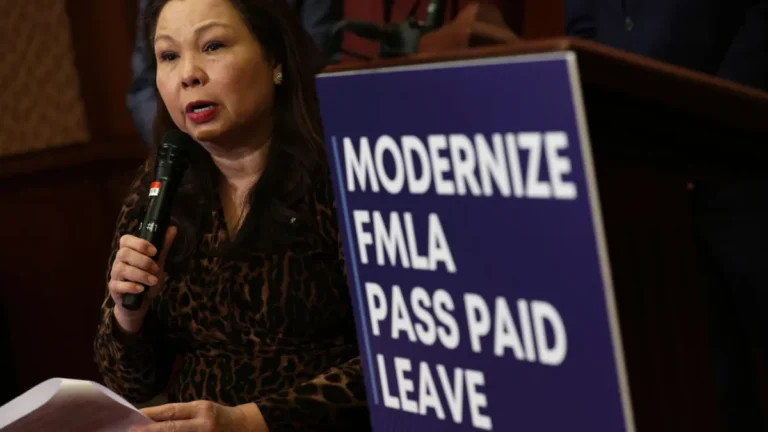
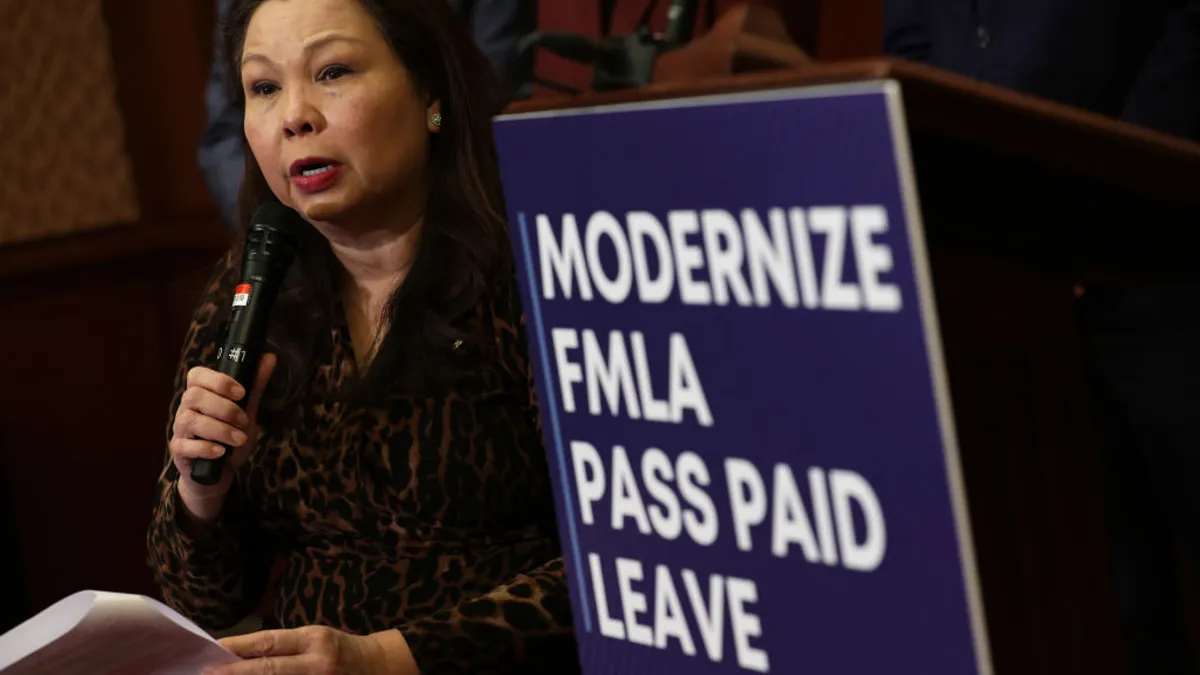
The FMLA, enacted in 1993, provides eligible employees of covered employers with unpaid, job-protected leave for specified family and medical reasons. This federal law aims to balance the demands of the workplace with the needs of families, allowing employees to take time off for serious health conditions, the birth or adoption of a child, or to care for a family member with a serious health condition. A key provision of the FMLA prohibits employers from retaliating against employees who exercise their rights under the act.
Retaliation claims under the FMLA are typically analyzed using the burden-shifting framework established in McDonnell Douglas Corp. v. Green. This framework requires the plaintiff to first establish a prima facie case of discrimination or retaliation. If successful, the burden shifts to the employer to articulate a legitimate, non-discriminatory reason for its adverse employment action. If the employer meets this burden, the plaintiff must then demonstrate that the employer’s stated reason is merely a pretext for unlawful retaliation.
In FMLA retaliation cases, particularly those involving reductions in force (RIFs), the employer must provide a well-substantiated, objective reason for terminating an employee when other similarly situated individuals in comparable positions were retained. This is where the concept of "comparators" becomes paramount. Comparators are individuals who share similar characteristics with the plaintiff but were treated differently by the employer, thus suggesting discriminatory intent.
Analyzing the Comparator Evidence in Meadows v. CW Manufacturing
The judge presiding over the Meadows v. CW Manufacturing case meticulously examined the comparator evidence presented. The ruling emphasized that in FMLA retaliation cases involving a RIF, "the company must specify some objective reason for terminating the plaintiff when there are other similarly situated candidates who survived the reduction." In this instance, the court found that CW Manufacturing failed to meet this burden.
The judge noted a distinct lack of objective criteria used to assess the plaintiff’s performance or suitability for retention. There was no documented evidence suggesting that the plaintiff had a poor performance record that would justify his termination over a colleague in a similar role. This absence of objective justification is a significant factor that can lead a court to infer that the employer’s stated reason for termination may be pretextual.
Furthermore, the judge highlighted the temporal proximity between the plaintiff’s return from FMLA leave and his termination. The close timing of these events can be a strong indicator of retaliatory motive, suggesting that the leave itself, rather than performance or redundancy, was the catalyst for the adverse action. The plaintiff’s reported feeling of being "alienated" upon his return from leave also contributes to the narrative of potential mistreatment and a hostile work environment, which can be circumstantial evidence supporting a retaliation claim.

Questioning the Validity of the Reduction in Force
Adding another layer of doubt to the employer’s defense, the judge also raised questions about the very existence and nature of the purported Reduction in Force (RIF). The plaintiff was terminated approximately ten months before other employees were separated in what the company characterized as a RIF. This significant time lag can undermine the employer’s claim that the termination was part of a broader, cohesive restructuring effort.
Moreover, the judge pointed to testimony indicating that at least one senior member of the company was unaware of a RIF and believed the plaintiff had left "voluntarily." This discrepancy in understanding regarding the RIF among company leadership can further weaken the employer’s defense and bolster the argument that the termination was an isolated decision, potentially driven by retaliatory motives rather than a genuine organizational restructuring.
Broader Implications for Employers and Employees
The Meadows v. CW Manufacturing case serves as a critical reminder for employers about the importance of meticulous documentation and consistent application of policies, especially when employees exercise their rights to protected leave. When facing a RIF or any adverse employment action, employers must be able to articulate clear, objective, and non-discriminatory reasons for their decisions. This includes demonstrating that the selection process was fair, based on established criteria, and that no similarly situated employees who engaged in protected activity were disproportionately affected.
For employees, this ruling reinforces the protections afforded by the FMLA and underscores the value of understanding their rights. When faced with adverse employment actions after taking protected leave, employees are encouraged to seek legal counsel and gather evidence that can support a claim of retaliation. This evidence can include performance reviews, communications with management, and information about how similarly situated colleagues were treated.
The Role of Comparators in Other Employment Law Contexts
The significance of comparator evidence is not unique to FMLA retaliation claims. It is a fundamental tool in a wide array of employment discrimination lawsuits, including those based on race, gender, age, disability, and other protected characteristics. For instance, in a wrongful termination case alleging racial discrimination, a plaintiff might present evidence of a white employee with a similar performance record who was not terminated.

Similarly, in cases involving alleged gender discrimination, a female employee might point to male colleagues who engaged in similar conduct but faced less severe disciplinary action. The strength of a plaintiff’s case often depends on the ability to identify and present compelling comparators who demonstrate disparate treatment.
A Case Study: Gender-Affirming Surgery Leave
The implications of comparator evidence are also evident in ongoing legal battles. For example, a hotel worker is currently involved in a court case where she alleges she was fired for taking leave for gender-affirming surgeries. Her argument hinges on the claim that while she was informed her role, along with other assistant general managers, was being cut due to restructuring, her position was ultimately the only one eliminated. This situation mirrors the Meadows case in its focus on the employer’s stated reason for termination and the potential for disparate treatment, even if the protected activity is different. The success of her claim will likely depend on her ability to demonstrate that other similarly situated assistant general managers were not terminated or were treated more favorably, thereby establishing a pattern of pretext.
The Expert Opinion and Employer Response
CW Manufacturing, when contacted for comment on the lawsuit, declined to provide a statement. This silence is not uncommon in ongoing litigation, but it leaves the court and the public to infer the company’s defense based on legal filings and judicial opinions. The employer’s ability to provide a robust and credible explanation for the termination, supported by objective evidence, will be crucial as the case progresses.
Conclusion: Navigating the Complexities of Employment Law
The Meadows v. CW Manufacturing ruling serves as a potent reminder that employment law is replete with nuances, and the presentation of evidence, particularly comparative evidence, can be determinative. For employers, it underscores the imperative of implementing fair, transparent, and well-documented HR practices to mitigate the risk of costly and damaging litigation. For employees, it highlights the importance of understanding their rights and diligently gathering information to support their claims when they believe they have been subjected to unlawful retaliation or discrimination. As the legal system continues to grapple with the balance between employer needs and employee protections, the strategic use of comparator evidence will undoubtedly remain a cornerstone of effective advocacy. The ongoing scrutiny of RIFs and leave-related terminations by the judiciary signals a continuing trend towards holding employers to a high standard of justification for their employment decisions.
About the Author