Fusion startup Realta Fusion this week announced a pivotal agreement with Madison Gas and Electric (MGE), marking a significant step towards placing one of the nation’s inaugural grid-connected fusion power plants in Wisconsin. This groundbreaking partnership underscores a growing global trend where established utilities are actively pursuing collaborations with burgeoning fusion energy companies, a strategic move reflecting both the utilities’ escalating concerns over future power supply stability and the tangible progress being made in fusion technology.
For founders and investors closely observing the nascent fusion sector, such utility tie-ups serve as a critical validation, a real-world credibility check that transforms theoretical potential into practical development. A partnership with a utility offers a multitude of advantages for a fusion startup, encompassing essential engineering support, crucial permitting assistance, strategic site selection for grid interconnection, and long-term land leases. Conversely, these agreements grant utilities invaluable early access to a potentially transformative technology poised to redefine the global energy landscape for decades to come, offering a pathway to robust, carbon-free baseload power. To date, only a select handful of fusion startups globally have successfully forged such direct utility agreements, rendering deals like the Realta-MGE alliance particularly newsworthy and indicative of a maturing industry.
The Realta-MGE Agreement: A Deep Dive into Wisconsin’s Fusion Future
The specific terms of Realta Fusion’s agreement with Madison Gas and Electric outline a collaborative effort to explore the construction of a substantial 200-megawatt (MW) power plant. This capacity is roughly equivalent to the electricity needs of a small to medium-sized city, highlighting the scale of ambition for this pioneering project. The target timeline for its operational readiness is projected for the mid-2030s, aligning with the long-term energy planning cycles typical of utility infrastructure development. Adding further weight to the partnership, MGE has also made an equity investment in Realta Fusion as part of the deal, though specific financial details remain undisclosed, reflecting the competitive and proprietary nature of early-stage clean energy ventures.
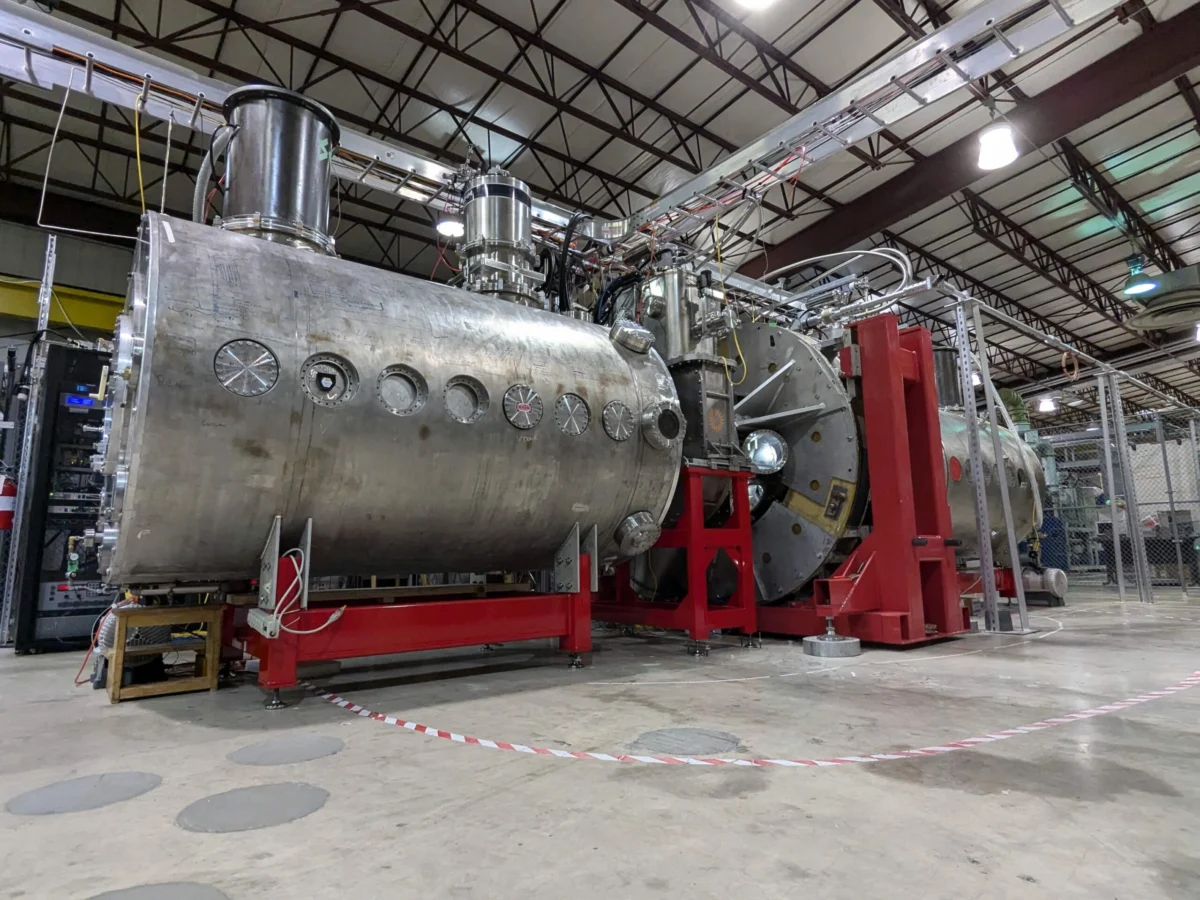
Realta Fusion is currently engaged in the innovative repurposing of an old Oscar Mayer factory in Madison, transforming the iconic industrial site into its primary research and development facility. This adaptive reuse not only offers a cost-effective solution for infrastructure but also symbolizes a transition from traditional industry to advanced energy innovation within the heart of Wisconsin. Beyond direct funding, the startup gains invaluable access to MGE’s existing interconnection sites, a paramount advantage in an increasingly interconnected electrical grid where securing viable points of connection is a significant challenge for new power generators. This access is complemented by MGE’s commitment to provide comprehensive engineering and technical assistance, alongside potential financing mechanisms for the eventual power plant’s construction, significantly de-risking the project for Realta Fusion.
The Evolving Utility Landscape: Why Fusion is Gaining Traction
For decades, fusion power was often relegated to the realm of science fiction, perpetually "just over the horizon" and failing to deliver on its grand promises. Utilities, inherently cautious due to their regulatory obligations and the immense capital investments involved in energy infrastructure, historically maintained a skeptical distance. However, the narrative has dramatically shifted in recent years. Fusion startups have achieved significant scientific and engineering breakthroughs, moving closer to demonstrating net energy gain and the sustained operation necessary for commercial viability. These technological advances, coupled with an unprecedented surge in electricity demand—driven notably by the proliferation of energy-intensive AI data centers—have compelled utilities to re-evaluate their long-term strategies and actively engage with fusion developers.
The challenges facing the modern grid are multifaceted. While renewable energy sources like wind and solar are increasingly cost-effective and environmentally friendly, their inherent intermittency presents significant operational hurdles. They generate power only when natural conditions permit—when the wind blows or the sun shines. While advancements in battery storage offer a partial solution for stabilizing these intermittent power flows, utilities are urgently seeking fossil fuel-free alternatives that can provide consistent, round-the-clock "baseload" power. Fusion power plants, designed to operate continuously, offer the tantalizing prospect of a reliable, high-density, carbon-neutral energy source that could seamlessly integrate into existing grid infrastructure, providing the stability and predictability that grid operators covet. The concept, while technically complex, offers a familiar operational paradigm for utility companies accustomed to large-scale, centralized generation.
A Global Tapestry of Fusion-Utility Collaborations
The Realta-MGE deal is not an isolated incident but rather a prominent example within a burgeoning landscape of strategic alliances between fusion innovators and energy providers worldwide. These partnerships illustrate a collective push to accelerate fusion from the laboratory to commercial deployment.
One of the farthest along in this new wave of collaboration is Commonwealth Fusion Systems (CFS), headquartered near Boston, Massachusetts. CFS is nearly two years into its pivotal partnership with Dominion Energy, one of the largest producers and transporters of energy in the United States. Under this agreement, CFS has secured a lease for land from Dominion to construct Arc, its pioneering commercial-scale power plant. Arc is slated to connect to the grid near Richmond, Virginia, and is projected to generate an impressive 400 MW of electricity. The commercial viability of this project is further bolstered by power purchase agreements (PPAs) already inked with major entities, including tech giant Google and the Italian energy company Eni, signaling robust market interest. Arc is anticipated to come online in the early 2030s, setting a critical benchmark for the industry.
On the West Coast, in Washington State, Helion has been actively collaborating with the Chelan County Public Utility District (PUD) for its first commercial power plant, dubbed Polaris. Helion, which leases land from the PUD, intends to bring its 50 MW facility online as early as 2028. This accelerated timeline is driven by a significant deal to provide electricity directly to Microsoft, another indication of tech companies’ keen interest in securing reliable, clean energy sources.
Midway across the country, Type One Energy is advancing plans to construct a 350 MW power plant, Infinity Two, on the site of a former coal plant near Oak Ridge, Tennessee. This initiative is part of a broader strategic agreement with the Tennessee Valley Authority (TVA), a federally owned corporation providing electricity to a large region. The repurposing of a former fossil fuel site for advanced fusion technology represents a symbolic and practical transition, utilizing existing infrastructure and minimizing new environmental impact. Type One Energy aims to begin supplying electricity to the grid from Infinity Two sometime in the mid-2030s.
Across the Atlantic, Europe is also witnessing significant movements in the fusion space. Proxima Fusion is actively pursuing plans to rehabilitate an old power plant site in southern Germany. In February, the company announced its intention to build its first commercial power plant, Stellaris, on the grounds of a former fission power plant that is currently being decommissioned by RWE, one of Europe’s largest utilities and a former major operator of Germany’s nuclear plants. This move comes as Germany has decided to phase out nuclear fission technology, creating a unique opportunity for fusion to fill a potential energy void. RWE has also demonstrated its confidence in Proxima Fusion by becoming an investor. Proxima Fusion is targeting the late 2030s for Stellaris to become operational.
Strategic Alignment: De-risking and Future-Proofing
For fusion startups, the benefits of these utility partnerships are immediate and tangible. They gain access to invaluable expertise in large-scale power generation, grid integration, and regulatory navigation—areas where utilities possess decades of operational experience. Furthermore, securing real estate for plant construction and interconnection sites, which would otherwise be costly or logistically challenging for nascent companies, is often provided by the utility. This collaborative model represents a capital-efficient approach to de-risk a notoriously capital-intensive business, allowing startups to focus their resources on core technological development. It provides the "real-world credibility check" necessary to attract further investment and talent.
For utilities, while the potential rewards may seem farther in the future, the strategic payoff in terms of securing new, reliable power supplies could be immense. Utilities are accustomed to tackling projects with extensive timelines, often spanning a decade or more for new power plants or transmission infrastructure. However, they are typically averse to high technological risks. Fusion power, while promising, still carries inherent development risks. Yet, the alternative—an underpowered or unstable grid struggling to meet escalating demand and decarbonization targets—represents an even greater gamble. By investing now in a technology that promises a sustainable, high-capacity, and carbon-free baseload solution, utilities are proactively safeguarding their business models and ensuring grid resilience for decades to come. While a decade might seem a long time for the average observer to build a commercial fusion power plant, for utilities engaged in multi-generational infrastructure planning, "it’s practically tomorrow."
Broader Implications and the Road Ahead
The rapid acceleration of utility-fusion partnerships signals a critical turning point for the energy sector. These collaborations are not merely about developing a new power source; they are about fundamentally reshaping the grid, addressing climate change, and meeting the voracious energy appetites of the digital age. The commitment from established energy players lends significant credibility to fusion’s commercialization prospects and suggests that the era of "always 30 years away" is finally receding.
However, significant challenges remain. While scientific breakthroughs are impressive, scaling fusion technology from experimental reactors to commercial-grade power plants involves complex engineering, materials science, and manufacturing hurdles. Robust regulatory frameworks tailored for fusion energy will also need to be developed and standardized to ensure safety, efficiency, and public acceptance. Public perception, often colored by past skepticism or misinformation, will be crucial, necessitating transparent communication and education from all stakeholders.
Ultimately, these strategic alliances between innovative fusion startups and established utilities are more than just business deals; they represent a collective bet on a cleaner, more stable energy future. As the world grapples with energy security, climate change, and unprecedented demand growth, the successful deployment of fusion power could offer a profound solution, transforming not just individual grids but the global energy landscape as a whole. The partnerships unfolding across the U.S. and Europe are tangible indicators that this transformative future, once a distant dream, is steadily moving within reach.
About the Author