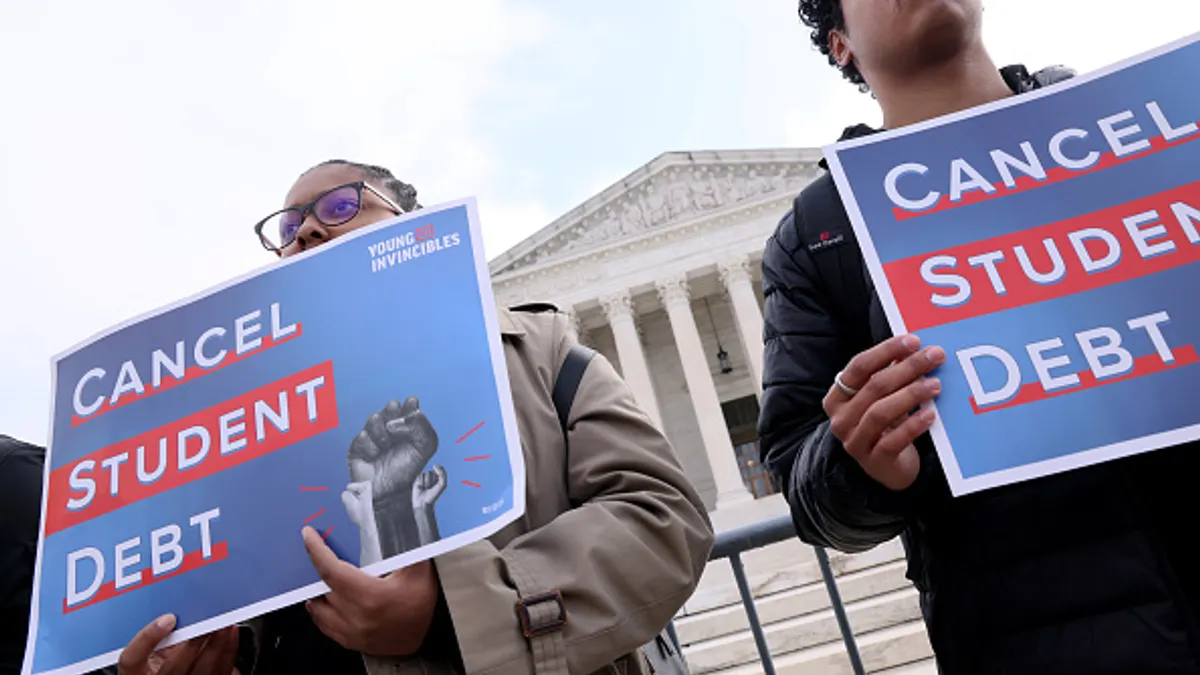
The landscape of employee benefits has been significantly reshaped by the advent of the SECURE 2.0 Act of 2022, a landmark piece of legislation that, for the first time, empowers employers to offer matching contributions to retirement plans based on eligible employee student loan payments. This groundbreaking provision, enacted as part of broader efforts to bolster retirement security and address the escalating student debt crisis, presents a novel opportunity for millions of Americans juggling the dual burdens of higher education loan repayment and long-term financial planning. The legislation, signed into law in December 2022, aims to alleviate financial pressure on workers, particularly younger generations, who are often forced to make difficult trade-offs between servicing their student debt and saving for their future.
A New Era of Financial Support for Employees
Prior to the SECURE 2.0 Act, employers were largely limited to offering student loan repayment assistance as a direct benefit, often a lump sum or a set amount applied directly to an employee’s loan principal. While valuable, these programs did not intrinsically connect to an employee’s retirement savings trajectory. The SECURE 2.0 Act fundamentally alters this paradigm by allowing employers to treat qualified student loan payments as if they were elective deferrals to a retirement savings plan, such as a 401(k). This means that when an employee makes a qualifying student loan payment, their employer can, at their discretion, make a corresponding matching contribution to that employee’s retirement account.
This innovative feature is designed to address a critical financial challenge: many individuals burdened with student loan debt find it difficult to simultaneously contribute adequately to their retirement accounts. The financial strain of monthly loan payments can deplete disposable income, leaving little for long-term savings. By offering a match on student loan payments, employers can effectively incentivize both debt reduction and retirement saving, recognizing that these two financial priorities are often intertwined.
Origins and Legislative Intent
The genesis of this provision can be traced back to growing concerns over the national student loan debt, which has ballooned into a multi-trillion-dollar crisis impacting millions of Americans. Research consistently highlighted the detrimental effect of student loan debt on retirement savings. For instance, studies by the Employee Benefit Research Institute (EBRI) have shown that individuals with student loan debt often exhibit lower retirement savings rates and smaller account balances compared to their peers without such debt.
The SECURE 2.0 Act, building upon the foundation laid by its predecessor, the SECURE Act of 2019, sought to create a more comprehensive framework for retirement security. The inclusion of the student loan matching provision was a direct response to advocacy from financial wellness experts, employee benefit providers, and organizations representing student loan borrowers. The legislative intent was clear: to provide a tangible benefit that acknowledges and supports employees navigating the complexities of student loan repayment while simultaneously encouraging them to build a secure financial future.
Implementation and Employer Adoption
The implementation of this new provision has been met with considerable interest from employers. Companies are beginning to recognize the strategic advantages of offering student loan payment matching as part of their benefits package. Beyond the direct financial benefit to employees, such programs can enhance recruitment and retention efforts, particularly in industries with a younger workforce that is more likely to carry student debt.
One notable example of early adoption comes from a senior benefits manager at eBay, who described the decision to offer matching funds as "kind of a no-brainer" following the act’s passage. This perspective stems from the fact that the company had already established a robust retirement matching program, allocating the full matching contribution to all eligible employees. With a high participation rate of 96% in their existing retirement plans, the incremental cost of extending the match to student loan payments was relatively minor, making it an attractive and cost-effective way to enhance their employee benefits offering.
Laurel Taylor, founder and CEO of financial wellness company Candidly, which played a role in funding research on this topic, emphasized the profound impact such programs can have. "For employees working to pay down student loan debt while also trying to prepare for retirement, access to an employer match can make a meaningful difference," Taylor stated. She further elaborated, "Student loan retirement matching programs can provide another way for employees to build retirement savings while meeting an important financial obligation, rather than feeling that one financial priority must come at the expense of the other." This sentiment underscores the dual-action benefit of the provision: alleviating immediate financial pressure and fostering long-term financial well-being.
Data Insights: The Scope of the Challenge
The scale of the student loan debt problem is substantial, with significant implications for retirement savings. EBRI’s research indicates that approximately 20% of 401(k) plan participants between the ages of 25 and 69 have outstanding student loan debt. This figure is particularly pronounced among younger workers, who are more likely to carry higher levels of debt.

The data further reveals a correlation between student loan debt and lower retirement savings. Individuals with student loans generally contributed at lower rates to their retirement plans, and their median balances remained lower across all income and tenure levels. This disparity highlights the persistent challenge faced by borrowers in reconciling their loan obligations with their retirement goals.
Craig Copeland, director of wealth benefits research at EBRI, commented on these findings, stating, "The fact that these differences appear to persist over time highlights the interaction of student loan payments and retirement savings over a worker’s entire career." This observation underscores the long-term consequences of student debt on an individual’s financial trajectory and the critical need for interventions that can mitigate these effects.
Broader Implications and Future Outlook
The SECURE 2.0 Act’s provision allowing student loan payment matching represents a significant step forward in employer-sponsored financial wellness. It acknowledges the evolving financial realities of the American workforce and provides a flexible, employer-driven solution to a complex problem.
Impact on Employee Financial Wellness
The immediate impact for employees is the potential for accelerated retirement savings without requiring them to sacrifice debt repayment. For instance, an employee paying $300 per month on their student loans could, with a 50% employer match, see an additional $150 contributed to their 401(k) each month. Over time, this can compound significantly, helping to close the retirement savings gap. This dual benefit can reduce financial stress, improve morale, and foster a greater sense of financial security among employees.
Strategic Advantages for Employers
For employers, offering this benefit can be a powerful differentiator in the talent market. It signals a commitment to employee well-being that extends beyond traditional health and retirement plans. Companies that adopt this provision may find themselves more attractive to prospective employees, particularly those graduating with substantial student debt. Furthermore, by helping employees achieve greater financial stability, employers may indirectly benefit from reduced employee turnover and increased productivity.

Potential for Increased Participation and Deeper Engagement
The structure of the benefit encourages ongoing engagement with both student loan repayment and retirement planning. Employees who might otherwise feel overwhelmed by their student debt may find renewed motivation knowing that their efforts to pay down loans are directly contributing to their long-term retirement security. This can foster a more proactive approach to financial management.
Navigating the Nuances of Implementation
While the provision offers substantial benefits, employers must carefully consider the specifics of implementation. This includes defining what constitutes an "eligible employee payment" and establishing clear guidelines for how the match will be calculated and applied. The IRS has issued interim guidance to help clarify these details, but ongoing attention to regulatory updates and best practices will be crucial for successful program design and administration.
Addressing a Persistent Economic Challenge
The student loan crisis is a multifaceted economic challenge. While the SECURE 2.0 Act provides a valuable tool for employers to support their workforce, it is part of a larger ecosystem of solutions needed to address the broader issue of student debt affordability and repayment. However, by empowering employers to play a more active role in supporting employees’ financial health, this legislation marks a significant advancement in the quest for comprehensive financial security for American workers.
The long-term success of this provision will likely depend on widespread employer adoption and continued adaptation to the evolving financial needs of the workforce. As more companies embrace this innovative benefit, it has the potential to fundamentally alter the retirement savings landscape for millions, transforming the daunting prospect of student loan repayment into a pathway toward a more secure financial future. The integration of student loan repayment strategies with retirement planning represents a forward-thinking approach to employee benefits, acknowledging the interconnectedness of financial responsibilities in the modern economy.
About the Author