The creator economy, a sector characterized by rapid evolution and constant adaptation, has witnessed an unprecedented acceleration in its embrace of Artificial Intelligence (AI). What was once met with apprehension and skepticism has rapidly transformed into a widely accepted and, for many, indispensable strategic tool. This seismic shift in perspective is not merely anecdotal; it reflects a fundamental reevaluation of AI’s role, moving from a perceived existential threat to a powerful accelerator of creative output and business operations.
Kameron Buckner, founder of Social Docket, a firm that guides creators through the intricate legal landscape of their work, observed this transition firsthand. "Last year, the conversation around AI was dominated by dread," Buckner stated. "This year, the tone has dramatically shifted from fear to a focus on leverage. The prevailing sentiment is no longer ‘this thing is going to take over,’ but rather, ‘how can we effectively integrate and utilize it?’" This evolution underscores a growing understanding that proactive engagement, rather than passive resistance, is key to navigating the burgeoning AI landscape.
A comprehensive examination of this phenomenon, involving discussions with leading creators, industry consultants, startup founders, and social media strategists, revealed a consistent theme: AI was a central topic of discussion at this year’s Cannes Lions International Festival of Creativity, a pivotal event in the global marketing and advertising calendar. The festival, traditionally a showcase for groundbreaking campaigns and innovative brand strategies, dedicated significant attention to how AI is reshaping content creation, audience engagement, and intellectual property management.
Across the spectrum of individuals interviewed, a palpable absence of fear was noted. Instead, a pragmatic approach to AI adoption was evident. While the extent of AI integration varied, from cautious experimentation to enthusiastic adoption, the consensus pointed towards its widespread use. This widespread adoption brings forth a fresh set of challenges and opportunities within an industry fundamentally built on enhancing productivity, monetizing creative endeavors, and safeguarding intellectual property. The critical determinant for success now lies in the judicious application of these technologies, distinguishing those who remain at the forefront from those who risk being overshadowed.
The Accelerator vs. The Author: Redefining Creative Roles
The integration of AI into the creative process is often framed by the tension between augmentation and automation, leading to discussions about AI as an "accelerator" rather than an "author." DonYé Taylor, a renowned strategist behind transformative campaigns for brands such as Nike, Amazon, and Essence, and now the proprietor of her unique brand Nuclei, views AI as a sophisticated tool akin to a high-powered calculator. "AI is like a calculator," Taylor explained. "Just because I have a TI-89 doesn’t mean I’m going to get the right answer. I still need to put the right inputs into the calculator." This analogy highlights that AI’s efficacy is intrinsically linked to the user’s ability to formulate precise prompts and strategic direction.
Alicia Richardson, Head of Community and Brand Partnerships at FiveTwoNine and the founder of Black Create Connect, echoes this sentiment, emphasizing that AI serves to enhance, not replace, human creativity. "It can enhance your creativity; it doesn’t create your creativity," Richardson asserted. She firmly believes that for raw, creator-led work, AI will not supplant human artists because audiences forge connections with individuals, not just the final output. This distinction is crucial: AI can streamline processes and generate variations, but the authentic voice and emotional resonance that define creator-audience relationships remain firmly in the human domain.
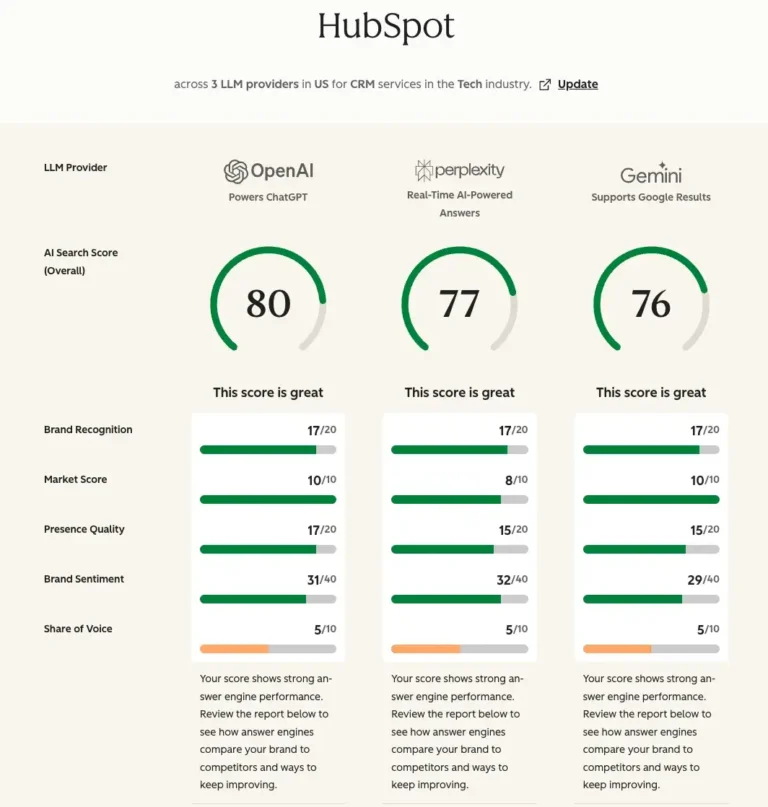
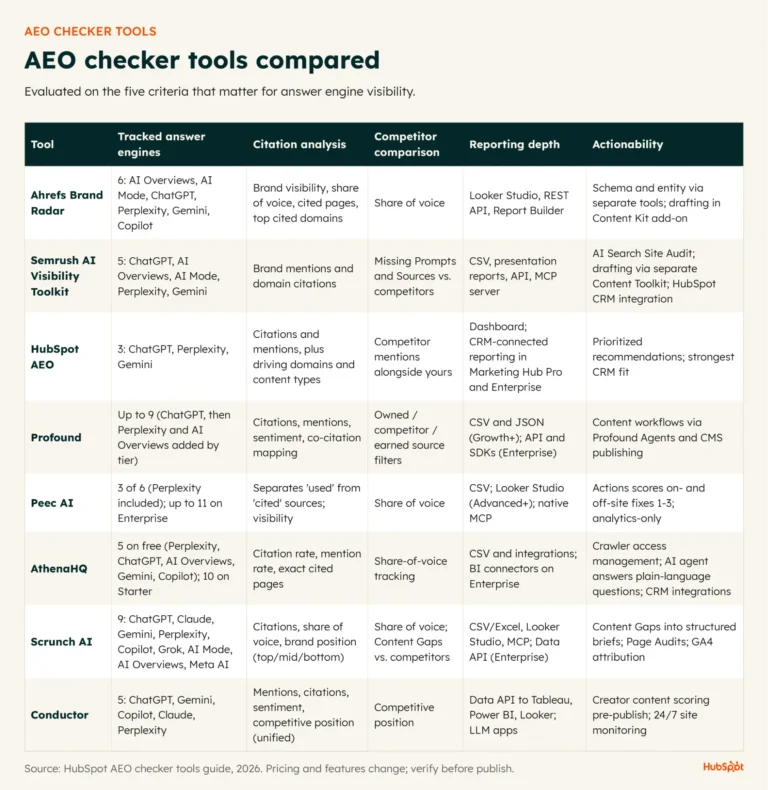
Kameron Buckner advises her clients to conceptualize AI not as a finished product, but as a significant head start. "Why start from a blank sheet of paper when you can start from an outline?" she posited. For Buckner, the act of crafting effective AI prompts has refined her own managerial skills, forcing a greater degree of precision in articulating her needs before delegating tasks, whether to AI or human collaborators. She extends this principle to her own professional visibility, utilizing tools like HubSpot’s AEO to monitor Social Docket’s online presence in searches for creator contract solutions.
Gigi Robinson, a prominent content creator and founder of the social media consulting firm Hosts of Influence, employs AI in her video production workflow. Her team feeds raw footage into AI video tools to generate a preliminary cut, which is then refined by human editors. The AI excels at identifying key moments, but human judgment remains paramount in shaping the final narrative. This efficiency translates into tangible results: Robinson estimates AI saves her team over 10 hours weekly and has contributed to a more than 20% increase in her income.
Similarly, Lindsey Gamble, Vice President of Creator Strategy & Innovation at IZEA, points to a significant trend in productivity. Creators are developing personalized, searchable content repositories by feeding years of newsletters and past captions into AI tools. This allows them to easily identify recurring themes and insights that might otherwise be lost to time. Despite these advancements in efficiency, Buckner stresses that AI cannot replicate the core value proposition of human expertise. "I don’t think any of these tools are going to substantially replace depth of knowledge and expertise," she maintained.
Legal Lags Behind: Navigating the Uncharted AI Territory
While AI has rapidly integrated into creative workflows, the legal and regulatory frameworks governing its use are struggling to keep pace. "Law is so far behind, it’s never going to be able to catch up to the speed of technology," Buckner observed, highlighting the disparity between current legal precedents and the swift evolution of AI. "We’re still citing cases from like 1963." This temporal gap creates a fertile ground for both opportunity and risk for creators and brands alike.
In the absence of clear guidelines, brands are increasingly pushing the boundaries of what they can demand from creators. Buckner has encountered a new contractual clause where brands request access to a creator’s AI prompts and processes as a condition for their AI usage. Her unequivocal response is, "Immediately, no. That’s unnecessary access." Buckner argues that the prompting process itself is a repository of a creator’s unique thought process and strategic thinking, offering insights into their methodology that extend beyond the deliverable for which they are being compensated. She advocates for creators to establish and enforce their own boundaries, even if legal recognition lags.
Gamble has observed the inverse scenario in creator contracts, with brands imposing outright bans on AI usage. He recently reviewed a clause that prohibited any use of AI software, tools, or technologies without prior written consent from the brand. He anticipates a future where creators, in turn, will proactively draft their own AI-use clauses to protect how their content and distinct voice are repurposed by brands leveraging AI.
Annie-Mai Hodge, founder of Girl Power Marketing and a HubSpot partner, points to a paradoxical situation unfolding on social media platforms. These platforms are integrating AI tools directly into creator dashboards while simultaneously penalizing the content generated by these same tools. "We are stuck in this incredibly frustrating paradox where platforms demand AI adoption but punish the output," Hodge stated. This creates a climate of anxiety, where creators are either hesitant to experiment with AI or reluctant to admit their use of it.
Robinson has witnessed the repercussions of creators relying on AI without a thorough understanding of contractual fine print. She cited an instance where a creator partnered with one brand and subsequently posted content for a direct competitor shortly thereafter, a violation of exclusivity clauses common in brand deals. Robinson questions whether this was an AI-driven oversight, where the creator may have delegated contract review to AI without fully comprehending its implications. The act of inputting confidential contracts into public AI tools like ChatGPT can, in itself, constitute a breach of contract depending on the brand’s legal stipulations. This underscores Buckner’s conviction that while AI can explain terms like "perpetuity," it cannot interpret their real-world consequences in specific contexts. Connecting definitions to lived experiences remains a uniquely human endeavor.
Does AI Level the Playing Field or Widen the Gap?
AI’s potential to democratize access to powerful tools has led to discussions about its capacity to level the playing field within the creator economy. Lindsey Gamble frequently observes this phenomenon in his work, noting that tasks previously requiring substantial budgets and dedicated teams are now accessible to individuals with a laptop and a subscription. "It gives them the tools that bigger creators have with teams and dedicated staff and more funds," he remarked regarding emerging creators. The production pipeline, from scriptwriting and caption generation to rough video cuts and carousel creation, which once necessitated considerable outsourcing, can now be accomplished in minutes.
However, the same tools that lower the barrier to entry can also lead to a homogenization of content. "If everyone’s using the same thing and doing the same thing, a lot of the content feels the same," Gamble observed, a natural consequence of numerous creators employing similar prompts with a limited set of AI tools.
Data from Lean In, cited by Annie-Mai Hodge, reveals a gender disparity in AI adoption. Women are 22% less likely than men to be regular AI users at work and 32% more likely to express concern about being perceived as "cheating" if they utilize AI. "While it’s my choice to keep AI out of my core workflow," Hodge noted, "we need to look at why women are conditioned to feel guilty for plugging it into their daily operations."
On a more optimistic note, Hodge highlights AI’s role in bridging the pay gap through enhanced negotiation capabilities. Rate transparency has long been a sensitive topic in the creator economy, but AI chatbots are empowering creators with access to industry benchmarks. This doesn’t necessarily guarantee higher pay, but it equips creators with greater confidence and leverage during negotiations.
The Consensus: Humans Remain Irreplaceable
Amidst the rapid integration of AI, a recurring theme emerged from discussions at the Cannes Lions Festival and beyond: the enduring importance of the human element. Gigi Robinson reported that the word "human" was heard more frequently than "AI" or "creators" at the festival, signaling a persistent desire for human oversight and connection in creative endeavors.
DonYé Taylor articulated this sentiment succinctly: "AI does not have feelings, it does not have emotion. You can’t replace human connection." This fundamental truth underpins the ongoing relevance of creators, whose ability to evoke emotion, build community, and foster genuine relationships is their most valuable asset.
Lindsey Gamble illustrates the consequences of neglecting the human touch, particularly on platforms like LinkedIn, where a proliferation of AI-generated content can lead to a uniform and uninspired online discourse. "Everyone’s writing sounds the same. No one really has a voice, because everyone’s using the same thing." He likens creativity to a muscle that atrophies with disuse, urging creators to periodically engage in ideation, writing, or filming without AI assistance, thereby preserving their innate creative faculties. Gamble also stresses the importance of disclosure, noting that undisclosed AI-generated content often elicits an immediate negative reaction from audiences.
Alicia Richardson concurs, drawing a distinction between AI-generated animation, which has its place, and creator-led content, where human artistry and connection remain paramount. "People connect with human beings, and that won’t ever change."
Annie-Mai Hodge, despite the efficiency offered by AI, continues to meticulously review and summarize social media updates herself, eschewing automated solutions. "Some people might think I’m mad for doing it that way, but respectfully, ChatGPT and Claude can’t do it like I can." Her advice to fellow creators is not to shun AI tools but to be precise about their application. "If you are going to use it," she advised, "make it work harder for you." The underlying message is clear: AI can be a powerful tool, but it can never replicate the unique essence of human creativity and perspective.
About the Author