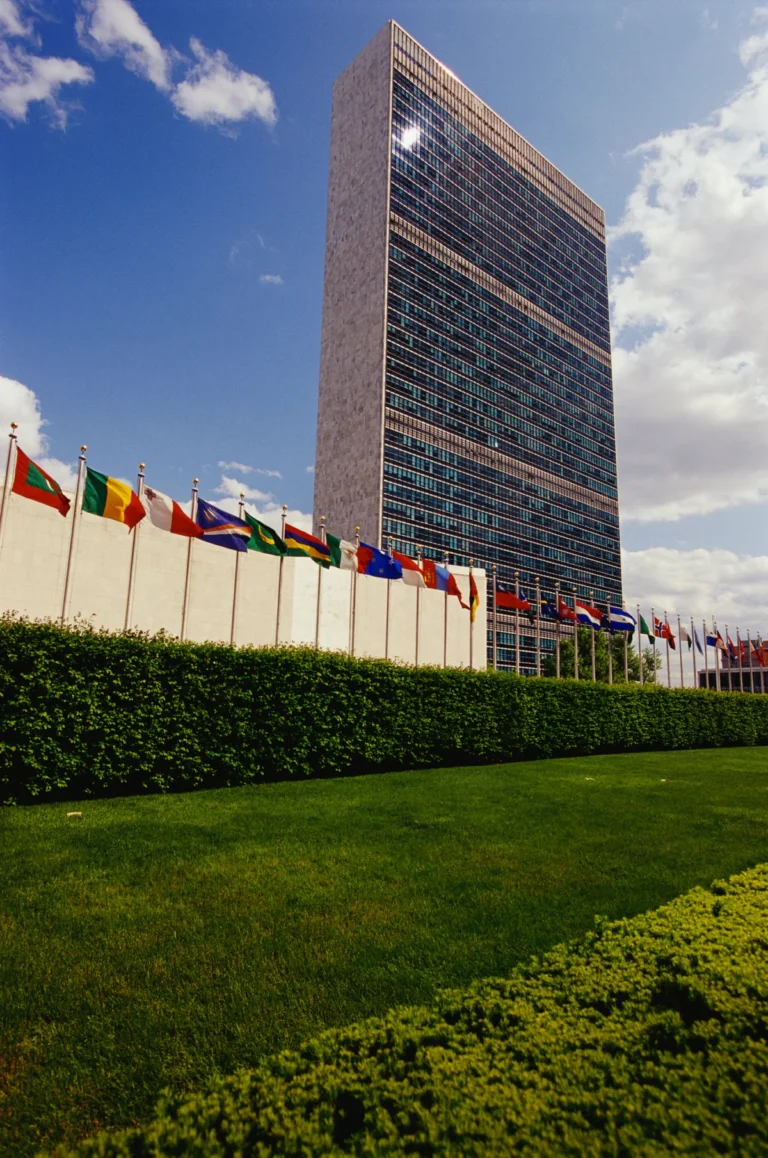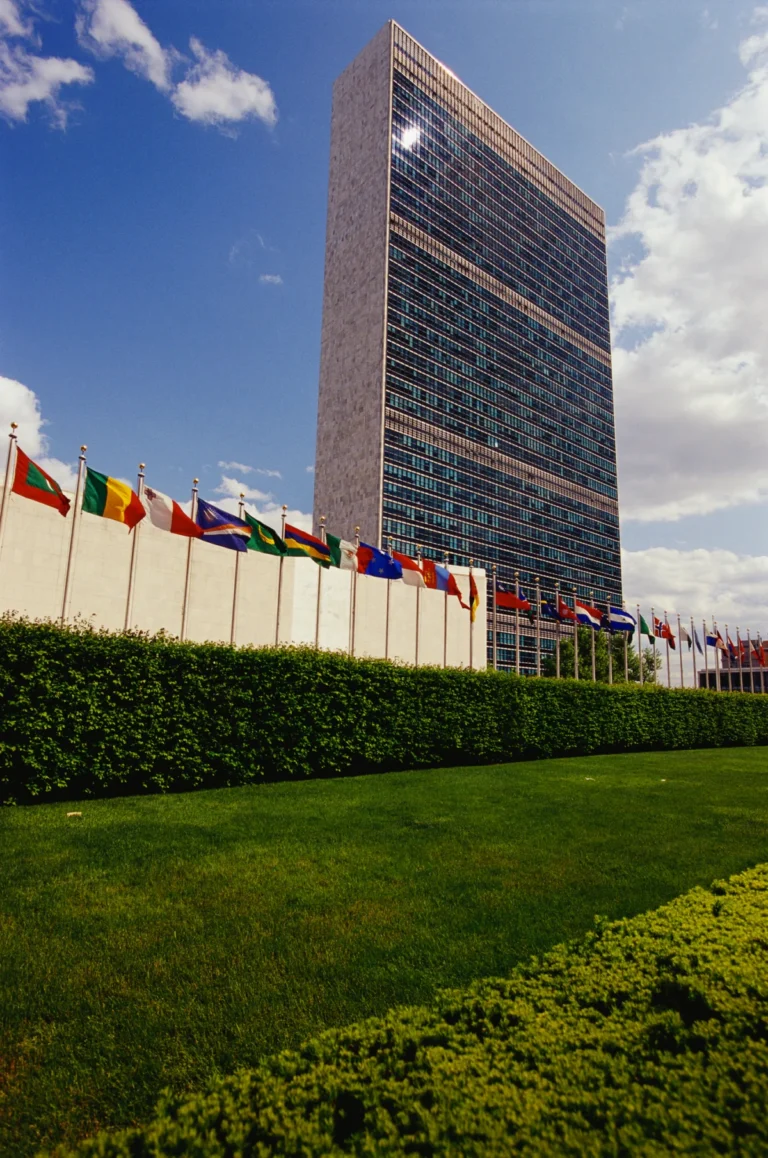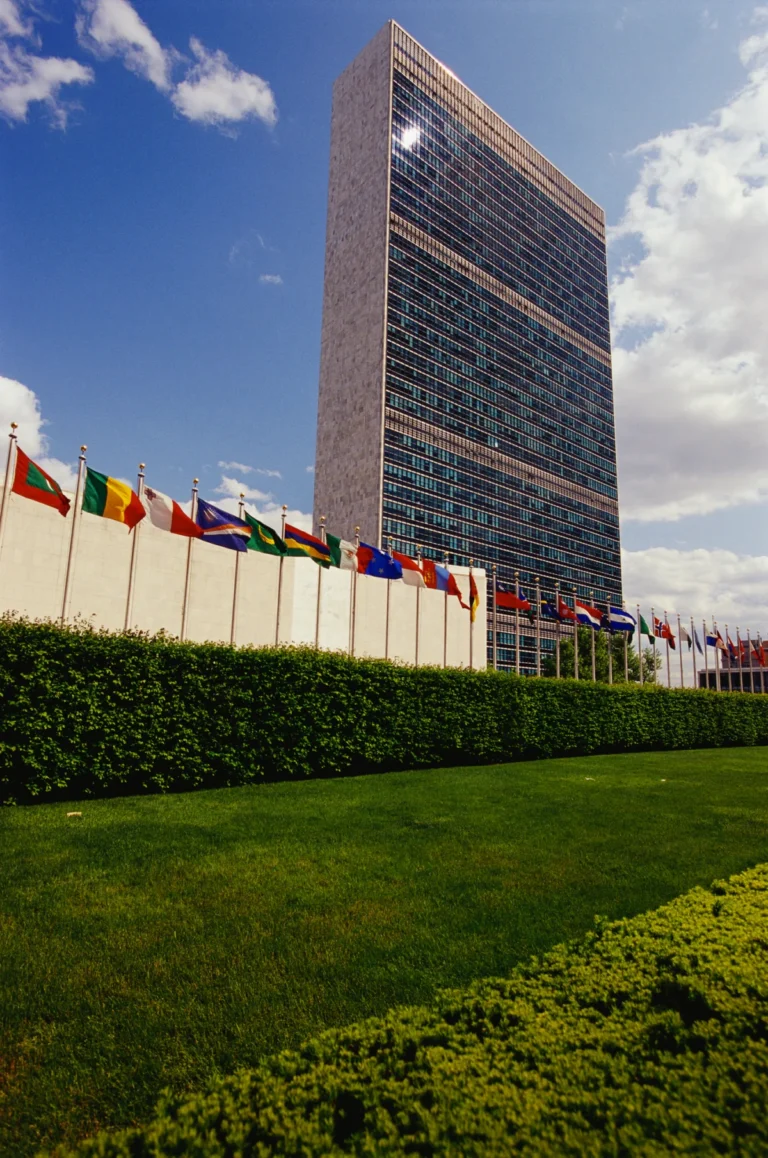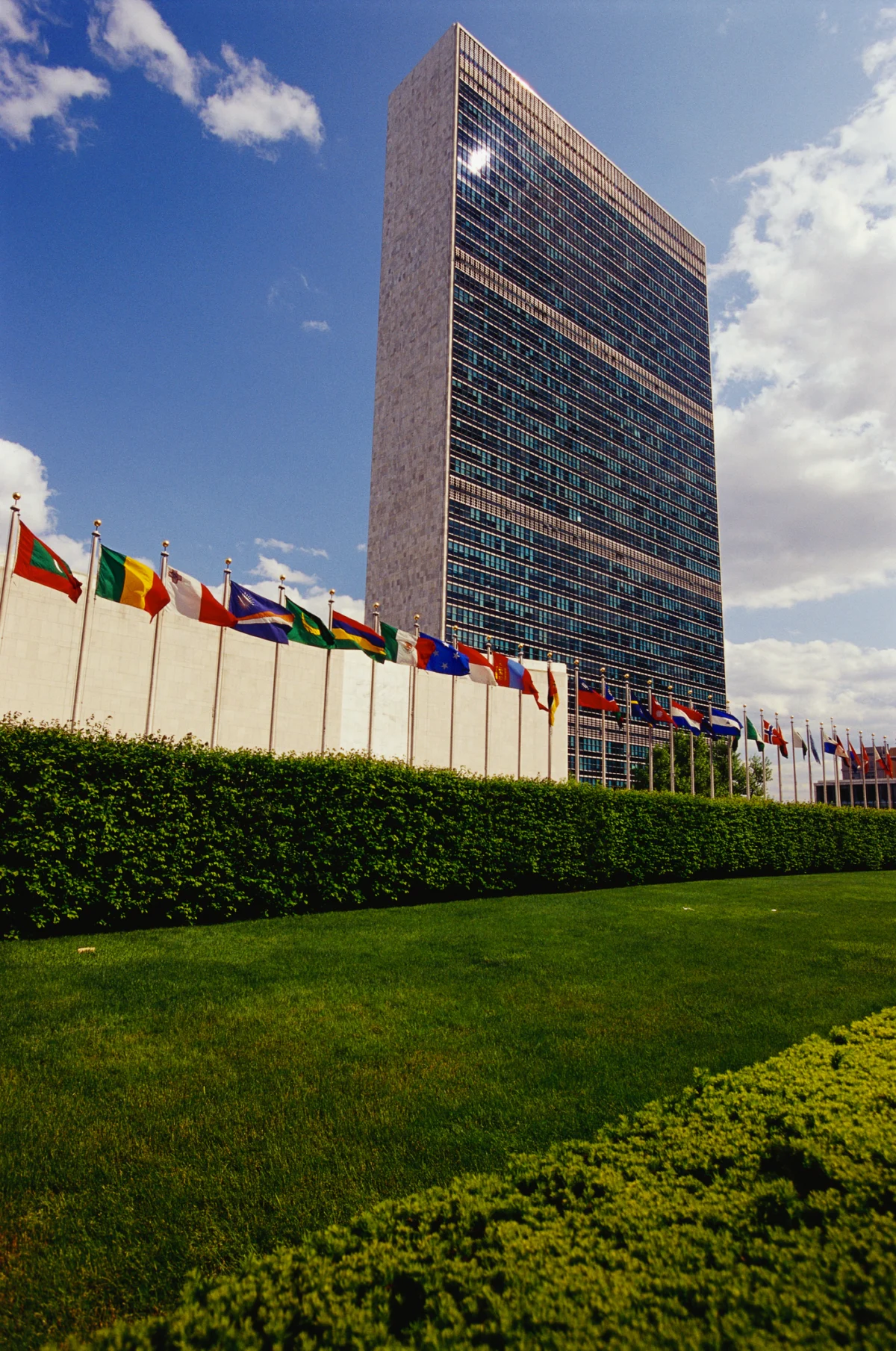
The Secretary General of the International Chamber of Commerce (ICC), John Denton, has issued a stark warning to the international community regarding the escalating fragility of global food systems, calling for immediate and coordinated action to reopen critical trade routes in the Black Sea. Speaking at a high-level side event during the United Nations General Assembly, Mr. Denton addressed a distinguished assembly that included the European Union’s High Representative for Foreign Affairs and Security Policy, Josep Borrell, along with foreign ministers and senior officials from more than 25 nations and leaders of various UN humanitarian agencies. His address underscored a pivotal shift in modern diplomacy: the recognition of international trade not merely as an economic engine, but as a vital humanitarian tool capable of preventing large-scale catastrophe when supported by robust international cooperation.
Central to Mr. Denton’s argument was the precedent set by the 2022 Black Sea Grain Initiative (BSGI). This landmark agreement, which the ICC helped facilitate as part of the UN Global Crisis Response Group, served as a blueprint for how private sector expertise and political will can converge to stabilize global markets. During its operation, the initiative enabled the export of nearly 33 million tonnes of grain and food products from Ukrainian ports, reaching some of the world’s most vulnerable populations and effectively lowering global food prices from the record highs seen in the immediate aftermath of the conflict’s onset.
The Convergence of Global Food Security Risks
The current geopolitical and environmental landscape has created what Mr. Denton described as a "convergence of risks" that threatens to undo the progress made over the last year. While the primary focus remains on the blockade of key Black Sea ports, which has significantly curtailed Ukraine’s ability to export its agricultural surplus, other factors are compounding the pressure on global supply chains.
Disruptions in the Strait of Hormuz, a critical artery for global energy and commodity transit, continue to inject volatility into shipping costs and insurance premiums. Simultaneously, the potential return of El Niño weather patterns poses a significant threat to agricultural yields in other major producing regions, including Southeast Asia and Latin America. This "triple threat"—geopolitical conflict, maritime insecurity, and climate instability—creates a precarious environment where a failure in one region can trigger a domino effect across the globe.
Mr. Denton emphasized that the full impact of these disruptions is often "invisible" in its early stages. Unlike a sudden natural disaster, a food crisis driven by trade disruptions manifests through a slow erosion of supply. The consequences are felt months later through reduced harvests, tighter global supplies, and inflationary pressure on food prices. He argued that the international community must not wait for these impacts to become visible on supermarket shelves or in humanitarian feeding centers before taking action.
The Success and Legacy of the 2022 Black Sea Grain Initiative
To understand the urgency of the current situation, it is necessary to examine the impact of the Black Sea Grain Initiative. Launched in July 2022, the initiative established a humanitarian maritime corridor that allowed cargo ships to bypass the blockade and transport grain from three key Ukrainian ports: Odesa, Chornomorsk, and Yuzhny/Pivdennyi.
According to data from the Joint Coordination Centre (JCC), the initiative successfully moved:
- Corn: Approximately 16.9 million tonnes (51% of total exports).
- Wheat: Approximately 8.9 million tonnes (27% of total exports).
- Sunflower Products: Including meal and oil, totaling several million tonnes.
More than 60% of the wheat exported through the BSGI went to developing nations, including Ethiopia, Yemen, Afghanistan, and Sudan. Furthermore, the World Food Programme (WFP) sourced a significant portion of its global wheat aid from Ukraine via this corridor, highlighting the direct link between Black Sea trade and the survival of millions.
Mr. Denton noted that beyond the raw tonnage, the most significant achievement of the initiative was the restoration of market confidence. The agreement proved to commercial insurers, shipping companies, and commodity traders that it was possible to operate in a high-risk zone if a clear, internationally backed framework was in place. This confidence is precisely what is currently at risk of evaporating.
The Six-Week Countdown: Ukraine’s Storage Crisis
A critical point raised by the ICC Secretary General involves the immediate logistical challenge facing Ukrainian farmers. As the harvest season progresses, the country is rapidly approaching its maximum grain storage capacity. Mr. Denton’s network within Ukraine has indicated that a critical threshold will be reached within the next six weeks.
If grain cannot be moved out of the country through maritime routes, silos will remain full, leaving no room for the incoming harvest. This leads to a catastrophic waste of food, a total loss of income for farmers, and a sharp reduction in future planting. The inability to clear storage space does not just affect the current supply; it cripples the agricultural cycle for years to come. While "Solidarity Lanes"—land-based routes through Europe—have provided some relief, they lack the scale and cost-effectiveness of maritime shipping. A single large bulk carrier can transport the equivalent of hundreds of railcars or thousands of trucks, making the reopening of sea routes an operational necessity.
The Role of the ICC and Commercial Viability
As the world’s largest business organization, representing over 45 million companies in 170 countries, the ICC occupies a unique position in this crisis. Mr. Denton reaffirmed that the ICC stands ready to assist in crafting solutions that are "commercially workable and operationally practical."
For any trade initiative to succeed in a conflict zone, it must account for the realities of the private sector. This includes:
- Insurance and Risk Mitigation: Providing guarantees that allow insurers to cover vessels entering the Black Sea at reasonable rates.
- Logistical Coordination: Ensuring that port operations, demining efforts, and vessel inspections are streamlined to prevent bottlenecks.
- Financial Integrity: Ensuring that payment systems for agricultural products remain functional despite broader sanctions or financial restrictions.
The ICC’s involvement ensures that the "practical perspective" of businesses operating across agricultural supply chains is integrated into diplomatic negotiations. Mr. Denton’s address served as a reminder that political agreements are only as effective as the commercial activity they enable.
Global Implications and the Humanitarian Toll
The repercussions of a prolonged Black Sea blockade extend far beyond Eastern Europe. Mr. Denton highlighted the plight of farmers in East Africa who are currently struggling to secure affordable fertilizers. Ukraine and Russia are major global suppliers of the nitrogen, phosphorus, and potassium used in fertilizers. When trade routes are blocked, the price of these inputs skyrockets, leading to lower crop yields in regions already facing food insecurity.
For families in the Global South, rising food prices are not a mere inconvenience but a threat to survival. In many developing nations, food accounts for more than 40% of household expenditure. Even a marginal increase in the price of wheat or corn can push millions into extreme poverty.
Humanitarian agencies are also feeling the strain. The WFP has reported that the cost of its operations increases by millions of dollars for every percentage point increase in the global food price index. By stabilizing markets, trade acts as a force multiplier for humanitarian aid, allowing agencies to stretch their budgets further and reach more people.
A Call for Preventive Diplomacy
The core of Mr. Denton’s message to the United Nations was a call for a paradigm shift from "response" to "prevention." He argued that the lesson from the Black Sea experience is clear: preventing a food crisis through trade and diplomacy is significantly more effective and less costly than attempting to respond to a full-blown famine after it has begun.
The ICC is advocating for a renewed international effort to establish a sustainable, long-term framework for Black Sea exports. This would require all parties to recognize food and fertilizer trade as "humanitarian essentials" that should be insulated from the broader geopolitical conflict.
Conclusion: The Time to Act is Now
The gathering of foreign ministers and UN leaders at this side event reflects a growing recognition of the gravity of the situation. However, as Mr. Denton concluded, the time for discussion is rapidly running out. The "invisible" impacts of the current blockade are already manifesting in the global economy, and the six-week window for Ukrainian storage capacity presents a hard deadline that the world cannot afford to ignore.
The International Chamber of Commerce remains committed to working with the UN, the EU, and other global partners to ensure that trade continues to serve as a bridge to stability. The reopening of the Black Sea is not just a matter of economic policy; it is a moral and humanitarian imperative that will determine the food security of millions in the months and years to come. The message from the UNGA side event was unequivocal: the global community must act before the impacts are felt, rather than reacting once the damage is done.
About the Author