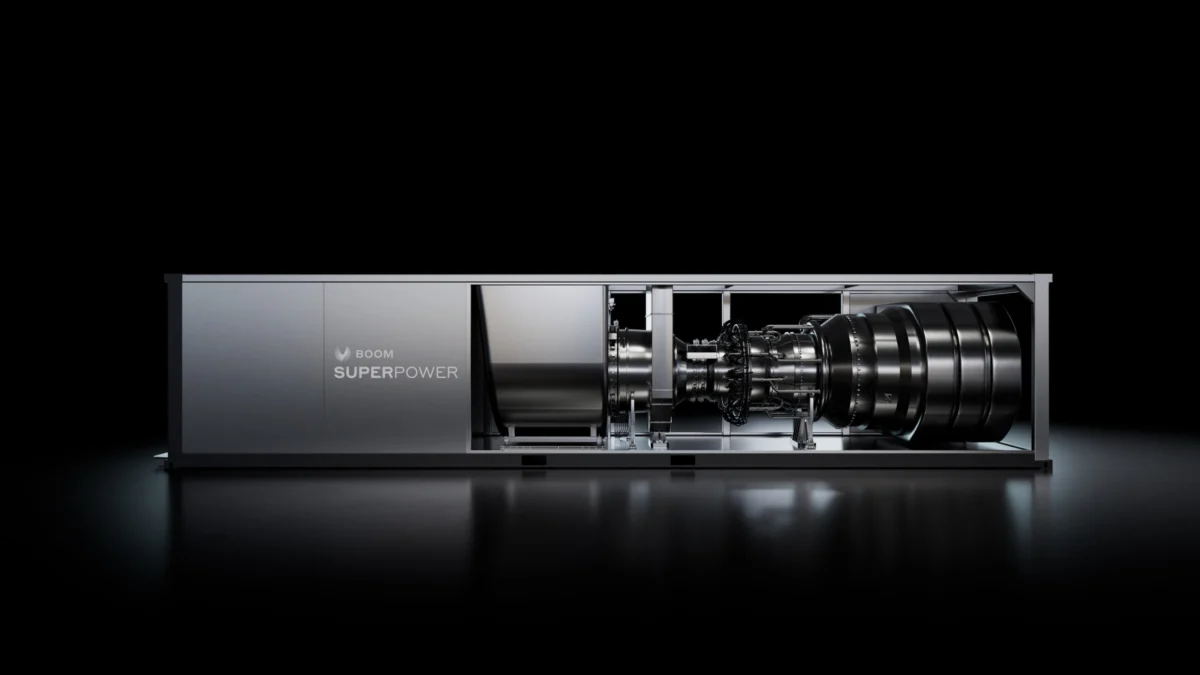
Denver, CO – Crusoe, a prominent AI data center startup that recently secured a staggering $3.9 billion in funding, has officially terminated its ambitious partnership with fellow Denver-based company Boom Supersonic. The deal, valued at $1.25 billion, involved Crusoe acquiring 29 of Boom’s 42-megawatt Superpower stationary turbines, intended to fuel Crusoe’s rapidly expanding AI infrastructure. This abrupt cessation of the planned collaboration marks a significant pivot for Crusoe and presents a notable setback for Boom Supersonic’s nascent energy division.
The initial agreement, announced with considerable fanfare, positioned Crusoe as the inaugural customer for Boom’s Superpower turbine technology. These turbines are derived from the same engine design intended for Boom’s Overture supersonic passenger jet, sharing approximately 80% of their components. The strategic alignment was clear: Crusoe, a company built on innovating energy solutions for data centers, would leverage Boom’s cutting-edge turbine technology to power its next wave of AI computing facilities. The first deliveries of the Superpower turbines were slated to commence in 2027.
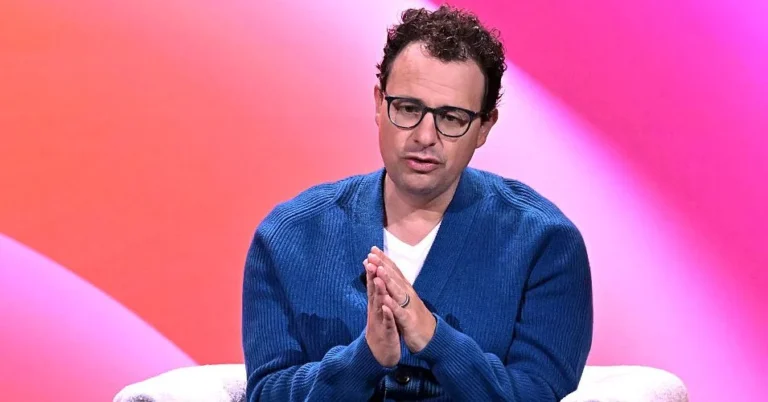
However, the landscape of AI infrastructure development is notoriously dynamic, and Crusoe’s strategic priorities appear to have evolved. Boom Supersonic CEO Blake Scholl confirmed the dissolution of the partnership in a public post on X (formerly Twitter) on Friday. He acknowledged Crusoe’s substantial recent funding round, congratulating founders Cully Cavness and Chase Lochmiller, before detailing the change in plans.
“The TL/DR is that turbines are no longer part of Crusoe’s near-term primary power mix at Abilene/etc., so a launch partnership just didn’t make sense,” Scholl stated in his post. He elaborated that Boom remains optimistic about its Superpower business, anticipating deliveries of approximately 250MW to other sites in the coming year and targeting 1GW by 2028. Scholl expressed gratitude for Crusoe’s contribution in shaping the Superpower product and reiterated Boom’s continued support for Crusoe’s success, leaving the door open for future collaborations should circumstances change.
A spokesperson for Crusoe, Andrew Schmitt, corroborated the news, confirming that the company is no longer proceeding with the business arrangement with Boom. Schmitt emphasized Crusoe’s core mission: “We build AI factories from the power up, and we’re bringing new campuses online across the country, powered by innovative energy sources.” He further explained Crusoe’s flexible approach to energy procurement, stating, “As our portfolio grows, we stay flexible, choosing the energy solutions that are right for each site as its needs evolve – including turbines, along with wind, solar, batteries and the grid.” While acknowledging Boom as a valuable partner, Schmitt concluded that “the partnership isn’t the right fit today. We wish them well.”
A Rapid Evolution: From Bitcoin Mining to AI Powerhouse
Crusoe’s journey began in 2018 with a focus on Bitcoin mining, utilizing flared natural gas from oil fields as an energy source. This initial business model provided a critical foundation for understanding and optimizing energy consumption for computationally intensive tasks. Over the years, the company has strategically pivoted and scaled, transforming into one of the leading developers of AI data centers. Its most notable facility is a massive campus in Abilene, Texas, which is a key provider of computing power for OpenAI, a leader in artificial intelligence research and development.
The company’s current infrastructure projects underscore its ambition. Crusoe operates a 1.2-gigawatt data center in Abilene, initially built for clients like Oracle and OpenAI, which is primarily powered by the existing grid infrastructure. This facility also incorporates a gas-turbine power plant, but it serves a backup role rather than being the primary energy source. Looking ahead, Crusoe is actively constructing a substantial 900-megawatt data center in Abilene for Microsoft, which will be powered by on-site gas turbines. This demonstrates a continued interest in gas turbine technology, albeit for specific, self-contained projects rather than a broad partnership for all new deployments.
Boom Supersonic’s Energy Ambitions Facing a Hurdle
For Boom Supersonic, the termination of this flagship deal represents a significant challenge. The company had invested heavily in its Superpower business, raising $300 million last year specifically to commercialize these stationary power plants. The strategic rationale behind this venture was twofold: to establish a new revenue stream and to potentially subsidize the development of its Overture supersonic jet. Blake Scholl had previously articulated this vision, suggesting that profits generated from the energy sector could accelerate the progress of their ambitious aviation project.

The Superpower turbine’s design integration with the Overture’s Symphony engine was intended to streamline manufacturing and operational efficiencies. By leveraging existing R&D and componentry, Boom aimed to bring a novel energy solution to market quickly. The agreement with Crusoe was crucial, not only for the substantial revenue it represented but also for the validation it provided to potential future customers and investors in Boom’s energy division.
While the loss of its launch customer is undoubtedly a setback, Boom Supersonic asserts that its Superpower business remains viable. The company has indicated a robust pipeline of other potential customers, and its ambitious deployment targets for the coming years suggest a continued belief in the market for its turbines. The Superpower business model is designed to address the growing demand for reliable and scalable power solutions, particularly in sectors like AI data centers that require immense and consistent energy input.
The Evolving Energy Landscape for AI Data Centers
The decision by Crusoe to back out of the Boom Supersonic deal highlights the complex and rapidly evolving energy requirements of the AI sector. AI data centers are among the most power-hungry facilities in the world, and their energy needs are projected to grow exponentially. As of 2023, AI workloads were estimated to consume between 0.5% and 1% of global electricity. Projections suggest that by 2030, AI could account for as much as 10% of global electricity demand, a figure comparable to the total electricity consumption of countries like Germany or Japan. This escalating demand necessitates innovative and diverse energy strategies.
Companies like Crusoe are at the forefront of developing these strategies. Their approach involves a multi-pronged attack on energy provision, combining grid power with on-site generation, renewable sources, and energy storage solutions. The rationale for this flexibility is multifold. Firstly, the optimal energy solution can vary significantly depending on the geographic location of a data center, local grid reliability, environmental regulations, and the specific operational demands of the AI workloads being processed.
Secondly, the economics of power generation are constantly in flux. Fluctuations in natural gas prices, advancements in renewable energy technology, and evolving grid infrastructure all play a role in determining the most cost-effective and sustainable power sources at any given time. Crusoe’s statement about staying "flexible, choosing the energy solutions that are right for each site as its needs evolve" reflects this pragmatic approach to a volatile market.
Furthermore, the integration of AI within data centers themselves is leading to new innovations in power management. Advanced AI algorithms can optimize energy consumption in real-time, predict power needs, and manage the integration of various energy sources more efficiently. This self-optimization capability within the data center infrastructure can influence the type and scale of external power generation solutions required.
Analysis and Implications
The breakdown of the Crusoe-Boom Supersonic partnership underscores several key trends in the technology and energy sectors:
- The Pace of Innovation in AI Infrastructure: The AI industry is characterized by rapid advancements and shifting requirements. Data center providers must maintain agility to adapt to new hardware, software, and workload demands. This agility extends to their energy strategies, requiring them to constantly re-evaluate and optimize their power sources.
- The Maturation of Boom’s Superpower Business: While losing a major launch customer is a significant blow, Boom Supersonic’s continued pursuit of other clients and ambitious deployment targets suggest a belief in the long-term viability of their stationary power plant business. The technology’s shared heritage with their aviation engines could still prove advantageous if they can secure sufficient market traction.
- The Diversification of Energy Sources for Data Centers: The future of powering AI data centers will likely involve a blend of energy solutions. Relying on a single power source is becoming increasingly untenable due to reliability concerns, cost volatility, and environmental considerations. Companies are adopting a portfolio approach, integrating grid power, renewables, and on-site generation, including turbines.
- The Interplay Between Aviation and Energy Sectors: The convergence of aerospace and energy technology, as seen with Boom Supersonic, is an intriguing development. While this specific partnership did not materialize as planned, it highlights the potential for cross-pollination of ideas and technologies between these capital-intensive and innovation-driven industries. The ability to adapt aviation-grade engine technology for terrestrial power generation could unlock new efficiencies and capabilities.
Crusoe’s recent substantial funding round of $3.9 billion positions it to continue its aggressive expansion in the AI data center market. The company’s ability to secure such significant capital indicates strong investor confidence in its business model and future prospects. This financial strength allows Crusoe the flexibility to make strategic decisions about its energy infrastructure, prioritizing solutions that best align with its evolving operational needs and market conditions.
As the demand for AI computing power continues its upward trajectory, the race to secure reliable, scalable, and increasingly sustainable energy sources for data centers will intensify. Both Crusoe and Boom Supersonic, despite their current divergence, are key players in this critical intersection of technology and energy. Their future strategies and successes will undoubtedly be closely watched by the industry. Boom Supersonic’s ability to secure new partnerships and demonstrate the efficacy of its Superpower turbines will be crucial in overcoming this initial hurdle, while Crusoe’s continued growth will depend on its capacity to innovate and adapt its energy solutions to meet the ever-increasing demands of the AI revolution.
About the Author