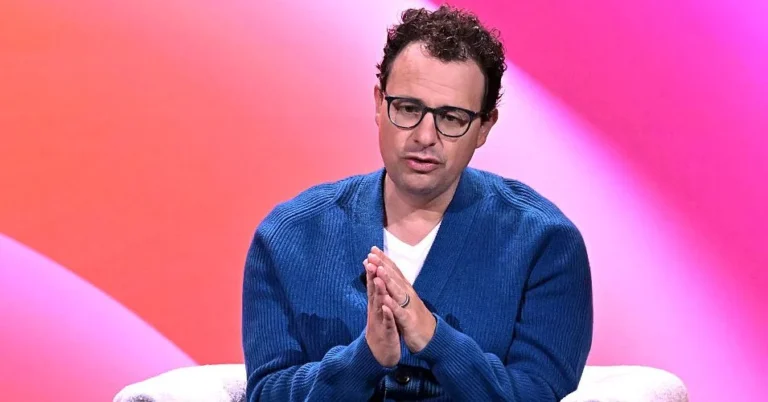
Weeks after a tumultuous internal governance struggle that saw his own board attempt to place him on leave, Automattic CEO Matt Mullenweg has reconstituted the company’s board of directors. The newly announced board, revealed to staff on Friday, features a notably diverse and eclectic group of individuals, including a best-selling science-fiction author and two co-founders of the now-defunct social app IRL, TechCrunch has learned and Mullenweg has confirmed. This significant shift in leadership composition marks the latest chapter in a high-stakes power play at the parent company of WordPress.com, Tumblr, and WooCommerce.
The dramatic events unfolded earlier this month when the previous board voted to place Mullenweg on an indefinite leave of absence, an action widely interpreted as an attempt to remove him from his leadership position. However, Mullenweg swiftly regained control of the company, retaking the helm just 33 hours later. In the immediate aftermath, he moved decisively to replace the directors involved in the attempted ouster, either by accepting their resignations or directly removing them. This swift counter-maneuver underscored Mullenweg’s significant control over the company, largely due to his substantial voting share.
While Mullenweg had hinted at upcoming board changes, posting on social media about a board meeting without revealing attendees, the official notification to Automattic employees came through the company’s internal Slack announcement channel. The new board members, as reported by TechCrunch and confirmed by sources, represent a blend of established figures and individuals with experience in nascent, and in some cases, troubled tech ventures.
Among the new directors are two co-founders of IRL, a social networking app that ceased operations after investigations revealed a significant portion of its user base consisted of bots. This past, controversial history of IRL is notable. The app shut down in June 2023 following revelations of widespread bot activity. Subsequently, its co-founders, including former CEO Abraham Shafi, became embroiled in legal battles. They initiated a lawsuit against SoftBank and other investors after SoftBank had previously sued IRL for alleged securities fraud, claiming the startup had misrepresented its user numbers. The inclusion of individuals from such a high-profile, albeit cautionary, tale in the tech startup world suggests a willingness by Mullenweg to incorporate diverse perspectives and potentially lessons learned from past challenges.
The new board also welcomes a best-selling science-fiction author, whose inclusion brings a creative and perhaps unconventional strategic viewpoint to Automattic’s governance. The specific identity of this author has not yet been publicly disclosed, adding an element of intrigue to the new board’s composition.
Beyond the board appointments, Automattic has also bolstered its advisory ranks with several experienced professionals. These new advisors include Jaime Waydo, former CTO of Woop; Matt Van Horn, co-founder of June; and Hiten Shah, co-founder of KISSmetrics. The addition of these individuals, each with a proven track record in technology and entrepreneurship, signals a strategic effort to inject fresh expertise and guidance into the company’s operations and future development.
In his internal communication to staff, Mullenweg reportedly clarified his own position within the company’s legal structure, stating, "for purposes of Delaware law, I am the CEO, President, Treasurer, and Secretary." He also alluded to the positive outcomes of the recent turmoil, noting that the attempted leadership challenge had attracted "many amazing supporters." He described the recent board meeting as "the most interesting board meeting in a decade (since the Woo acquisition)," hinting at a dynamic and perhaps transformative session.
Automattic initially stated to TechCrunch that it hoped to provide a comment soon. Following publication, Mullenweg confirmed the board additions and advisors, offering a concise yet powerful statement: "We are living through times of unprecedented change, possibly a singularity. The next six months will determine the next 20 years of Automattic." This declaration underscores the CEO’s forward-looking perspective and his belief in the pivotal nature of the current period for the company’s long-term trajectory.
The attempted board coup was a significant event that reverberated through the company. Automattic’s original board had voted to place Mullenweg on paid leave, an action he characterized on social media as a "coup attempt." His swift return to power and subsequent dismissal or acceptance of resignations from implicated board members demonstrated his firm grip on the company’s leadership.
Mullenweg leveraged his substantial voting power to effect these changes. At TechCrunch Disrupt 2024, he revealed that he controls 84% of the company’s voting shares. This significant ownership stake was instrumental in his ability to swiftly reconstitute the board following the failed ouster. The period of his temporary absence from leadership, from the board’s vote to his return, lasted precisely "33 hours and 20 minutes," according to Automattic’s previous statements to TechCrunch.

The fallout from the attempted leadership change led to several departures from the board. Toni Schneider, a founding CEO of Automattic and currently CEO of Bluesky, resigned from his board position following the vote. Mullenweg also removed General Ann Dunwoody, a retired U.S. Army general, from the board, and Sue Decker, another board member, also resigned. Beyond the board, Mullenweg also let go of Automattic CFO Mark Davies, who had been slated to become interim CEO, and chief legal officer Andy Missan. These removals suggest a broad restructuring of key leadership positions in the wake of the internal conflict.
Mullenweg’s response to the situation was publicly articulated on social media, where he posted, "Founder advice: If you don’t have a coup attempt every few years, you’re not hiring strong enough leaders." This statement, delivered with a degree of dark humor, reflected his resilience and his perspective on the challenges inherent in leading a rapidly growing and influential tech company.
The specific reasons behind the previous board’s attempt to oust Mullenweg were never publicly disclosed by the board itself, leaving room for speculation about the underlying issues.
Adding another layer of complexity, Mullenweg also replaced Automattic’s legal counsel shortly after his return. This decision has raised questions about a potential connection to the company’s ongoing legal disputes, particularly its protracted lawsuit with hosting provider WP Engine. This litigation centers on trademark disputes and allegations concerning WP Engine’s alleged lack of contribution to the WordPress open-source project. Court filings from July also indicate that WP Engine’s legal team accused Mullenweg of destroying evidence in this ongoing case. The appointment of a new, prominent litigation firm, Susman Godfrey LLP, suggests a strategic escalation in how Automattic intends to manage its legal challenges.
In an internal message shared with employees after his return, Mullenweg acknowledged the disruption caused by the recent events. He stated:
"Last week, several board members formed a special committee and voted to place me on a leave of absence. They did this without advance warning and without giving me a meaningful opportunity to understand or respond to their concerns before they acted. I was denied even a brief extension to consult with independent legal counsel."
He then asserted his regained authority: "I took the steps necessary to reverse that action. I am back and fully in charge of the company. I am again working alongside you to make our company a success."
Mullenweg also announced the retention of Susman Godfrey LLP as new litigation counsel, describing them as "one of the top trial firms in the country," who will be tasked with "protecting our company’s interests and defending us in our ongoing litigation." He concluded by acknowledging the unsettling nature of the past week and expressing appreciation for his employees’ patience and continued focus. "I know this past week has been unsettling. I appreciate your patience and your continued focus on the work that matters. I will have more to share soon, but for now, know that Automattic’s mission and priorities remain unchanged."
The implications of these board changes and the broader leadership shake-up are significant. Automattic operates in a highly competitive digital landscape, with its various platforms underpinning a substantial portion of the internet’s content and commerce. The internal governance conflict, though seemingly resolved by Mullenweg’s decisive action, could have long-term effects on investor confidence, employee morale, and the company’s strategic direction. The inclusion of individuals with varied backgrounds, including those with experience in high-growth but ultimately unsuccessful ventures, alongside seasoned tech executives, suggests a multifaceted approach to future governance.
The company’s ongoing legal battles, particularly with WP Engine, remain a critical focal point. The appointment of a new, high-profile litigation firm indicates that Automattic is prepared for a rigorous defense and potentially an aggressive offensive in these disputes. The broader implications for the open-source WordPress project, and the ecosystem it supports, will also be closely watched as these legal proceedings unfold.
The future trajectory of Automattic, under Mullenweg’s reaffirmed leadership and with a newly constituted board, will be a key area of focus for industry observers. The company’s ability to navigate both internal dynamics and external challenges, including market competition and legal entanglements, will be crucial in determining its continued success and its impact on the digital world. The coming months, as Mullenweg himself suggested, are likely to be a defining period for Automattic.
About the Author