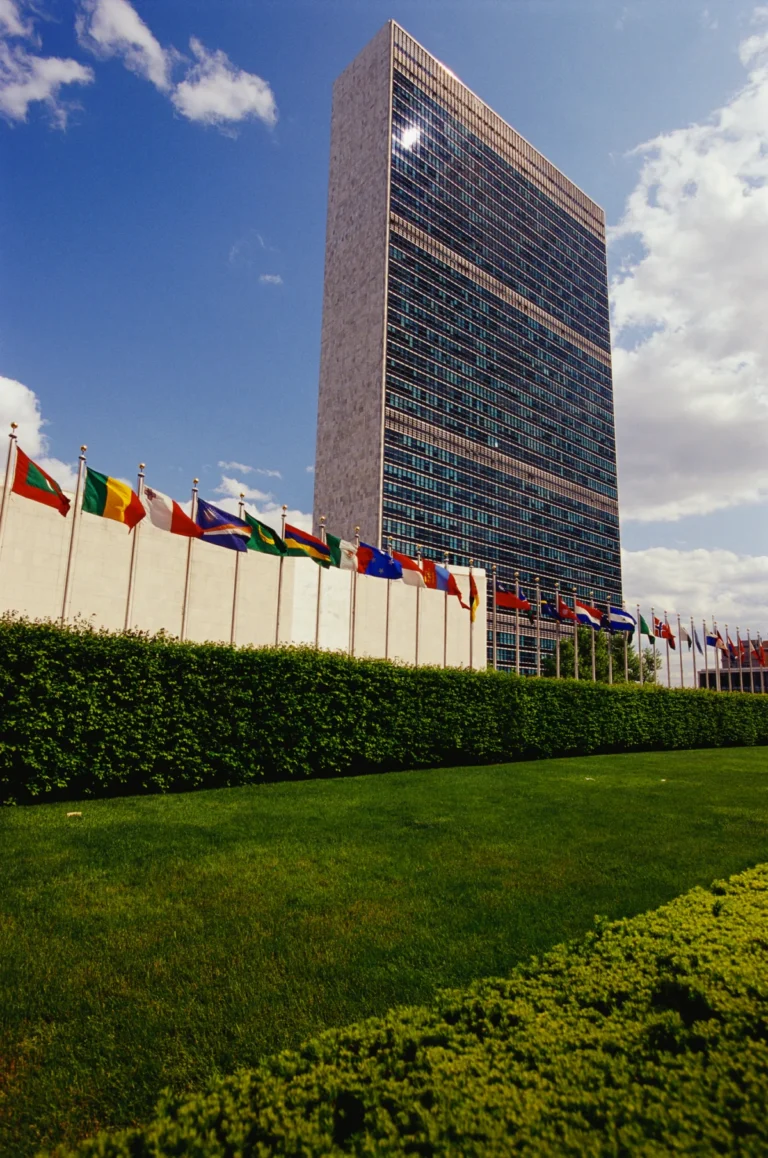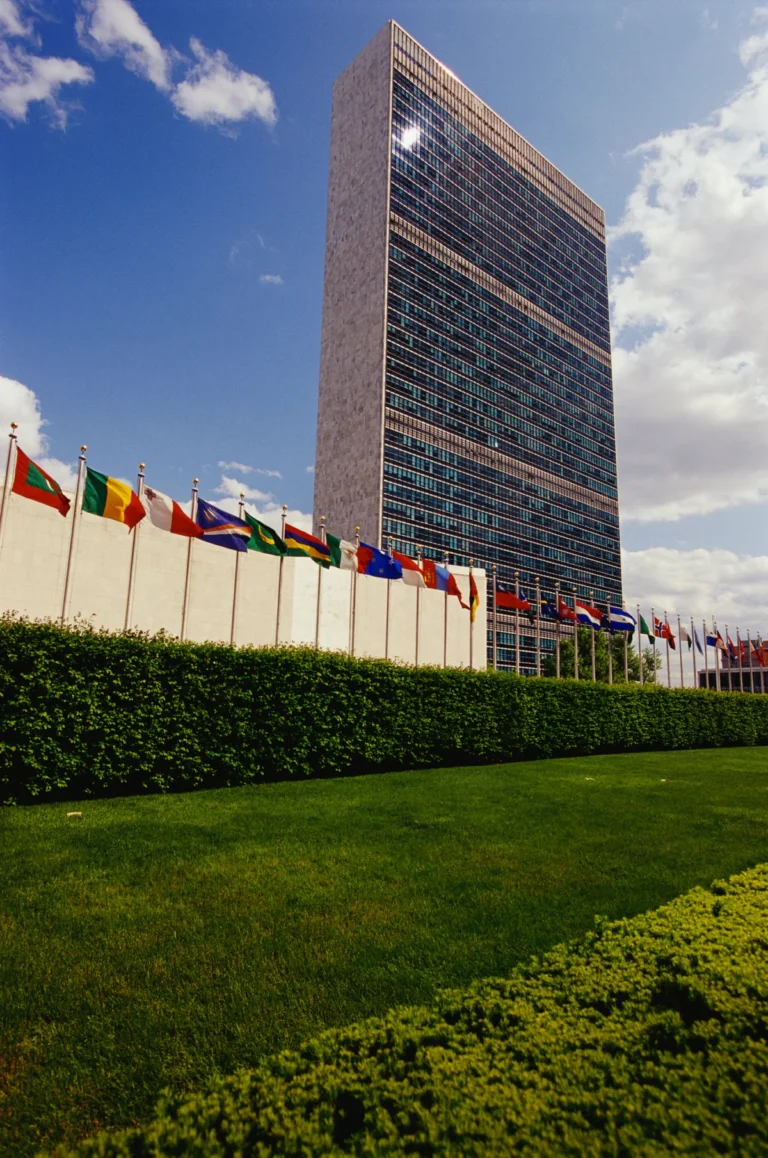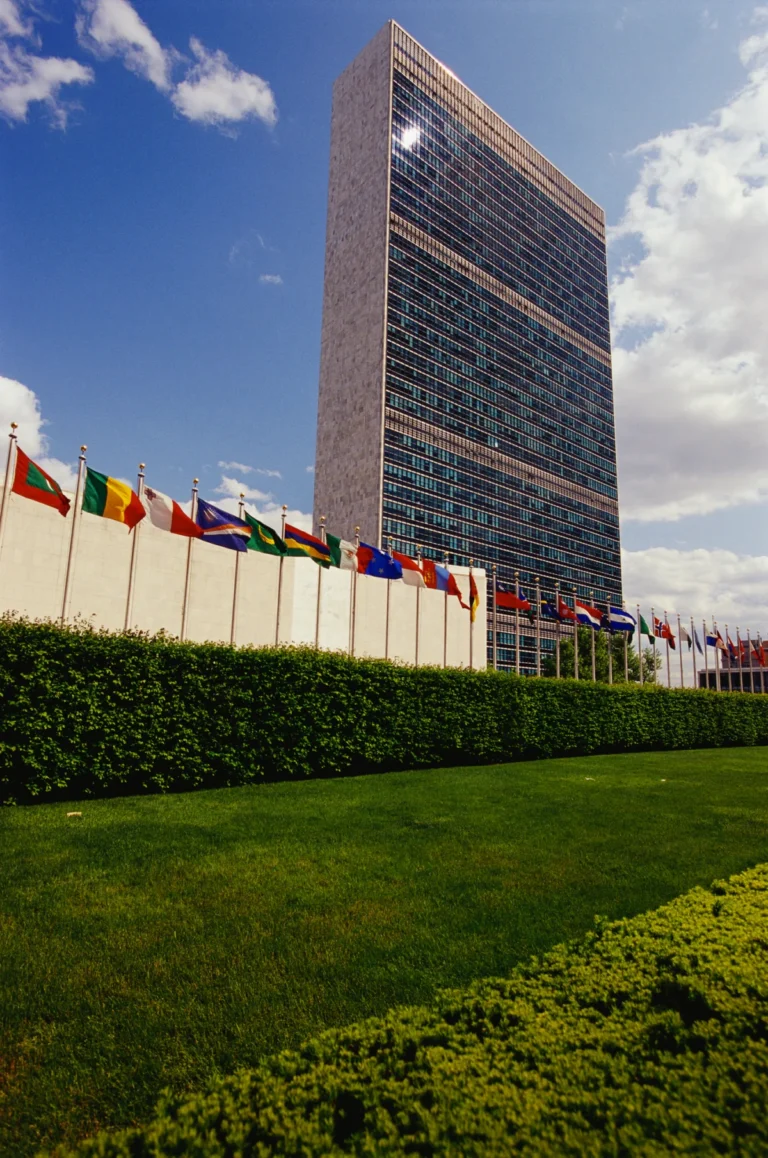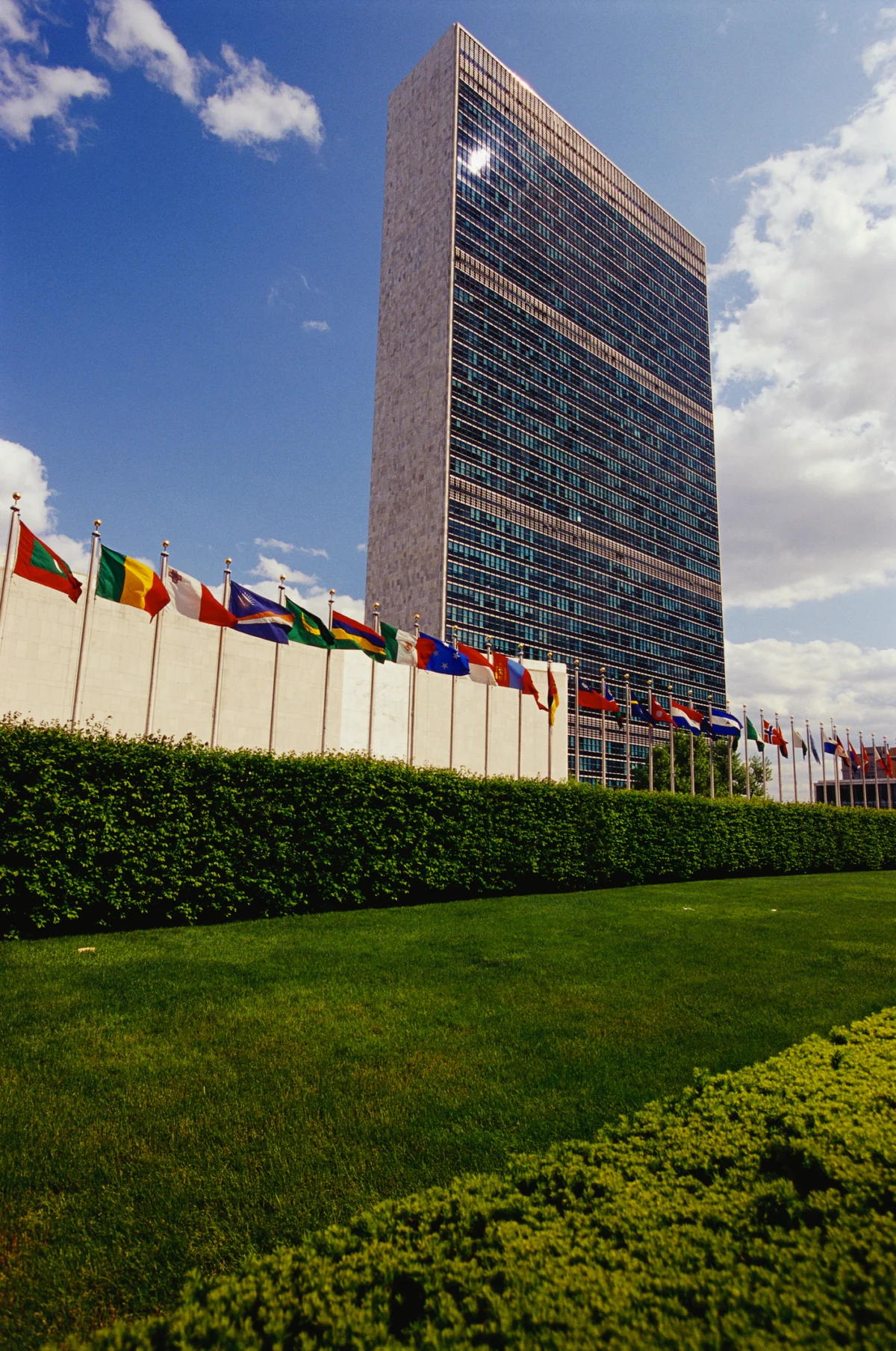
The 79th Session of the United Nations General Assembly (UNGA 79) convened in New York against a backdrop of intensifying geopolitical fragmentation, a widening climate financing gap, and the rapid emergence of transformative technologies like generative Artificial Intelligence. Central to this year’s proceedings was the theme, “Restoring trust, managing transformation: a United Nations that delivers for all.” For the International Chamber of Commerce (ICC), the world’s largest business organization representing over 45 million companies in 170 countries, this theme served as a critical platform to advocate for a fundamental evolution in how international cooperation is structured. Throughout the week-long series of high-level dialogues, the ICC underscored a central thesis: that the private sector is no longer a peripheral observer of global governance but a necessary partner in the delivery of humanitarian aid, the stabilization of global trade, and the implementation of climate solutions at scale.
The Strategic Imperative of Business in Global Crisis Management
The ICC’s engagement at UNGA 79 focused heavily on the fragility of global supply chains, particularly regarding food security. During a high-level side event attended by nearly 20 foreign ministers and senior government officials, ICC Secretary General John W.H. Denton AO issued a stern warning regarding the disruption of critical trade routes. He noted that while the world often reacts to visible crises, the systemic pressures on food systems are building long before they manifest in regional shortages.
Drawing on the ICC’s historical role in supporting the 2022 Black Sea Grain Initiative—a landmark agreement that facilitated the export of nearly 33 million tonnes of grain and food products to global markets—Denton called for immediate, coordinated action to restore grain flows through the Black Sea. He emphasized that current storage capacities in key agricultural regions are nearing their limits; any further delay in securing trade corridors could trigger a volatility spike in food prices, disproportionately affecting the Global South. Denton’s message was clear: the Black Sea experience proved that trade is one of the most effective humanitarian tools available, provided there is political will to keep markets open.
Furthering this narrative of resilience, ICC Chair Harsh Pati Singhania addressed a roundtable on Business Leadership for Resilience in Times of Crisis. Singhania argued that the modern global economy is too complex for governments or international institutions to manage in isolation. He posited that businesses often possess a more granular view of supply chain bottlenecks and resource allocation than state actors. By moving away from ad hoc, reactive measures toward systems that are "resilient by design," the ICC suggests that the private sector can help bridge the "visibility gap" that often plagues governmental responses to shocks.
Chronology of Engagement: From Multilateralism to the Digital Frontier
The ICC’s itinerary during the UNGA High-Level Week followed a strategic progression, starting with systemic governance and moving toward specific technological and environmental implementations.
- Multilateral Reform (Early Week): The ICC collaborated with the United Nations Foundation to host a roundtable focused on "Rethinking Multilateralism." This session introduced a joint report with IE University, which argues for a transition from mere "consultation" with the private sector to "shared responsibility."
- Humanitarian Action (Mid-Week): The "Humanitarian Reset" panel, co-convened with OCHA and ServiceNow, sought to align the speed of business with the scale of UN aid operations.
- Digital Economy and AI (Mid-Week): Discussions moved to the economic potential of AI, focusing on small and medium-sized enterprises (SMEs) and the need for interoperable global standards to prevent market fragmentation.
- Climate Implementation (Late Week): Ahead of upcoming COP summits, the ICC met with Bloomberg and the Union of Chambers and Commodity Exchanges of Türkiye (TOBB) to pivot the climate conversation from "declarations" to "bankable projects."
Reshaping the Global Aid and Development System
One of the most significant shifts discussed at UNGA was the "Humanitarian Reset." Currently, the gap between humanitarian needs and available funding is at an all-time high. According to UN OCHA data, while requirements have surged, funding has struggled to keep pace, leaving millions in precarious situations. ICC First Vice-Chair Rebecca Enonchong addressed the traditional friction between the public and private sectors in this space. She challenged the prevailing myth that businesses and humanitarian agencies have divergent goals.
Enonchong noted that the humanitarian community’s need for "impact at scale and speed" is perfectly mirrored by the business community’s drive for "efficiency and resource mobilization." The challenge, however, remains one of language and process. To bridge this, the ICC is advocating for a more integrated model where private sector logistics, data analytics, and telecommunications are embedded into disaster preparedness frameworks before a crisis occurs, rather than being sought out as an afterthought.
Driving Economic Opportunity through AI and Tech Diplomacy
As the UNGA sessions explored the "Global Digital Compact," the ICC focused on the practicalities of Artificial Intelligence. While much of the global conversation revolves around AI ethics and safety, the ICC shifted the focus toward "AI access as economic opportunity." John Denton emphasized that for AI to be a true engine of growth, it must be accessible to SMEs, which represent over 90% of businesses worldwide.
The ICC’s advocacy in this area centered on three pillars:
- Infrastructure and Skills: Ensuring that digital divides do not become "AI divides."
- Interoperability: Preventing a "splinternet" where different regional regulations (like those in the EU, US, and China) create barriers for small companies trying to operate across borders.
- Trust and Safeguards: Establishing clear standards for data protection and cybersecurity to give businesses the confidence to invest in AI integration.
During the Digital Ambassadors Forum on Tech Diplomacy, the ICC urged policymakers to involve the private sector in the early stages of digital rulemaking. The argument is that technical feasibility must inform policy to ensure that rules support, rather than stifle, the trusted flow of data across borders.
Climate Action: From Ambition to Implementation
The transition from the 79th UNGA to the upcoming COP29 and COP30 cycles was a major focal point for the ICC. Acting as the official focal point for business in international climate negotiations, the ICC highlighted that the "real economy" is often ahead of political consensus in terms of technology but behind in terms of policy certainty.
At the COP31 Business Forum New York Dialogue, Denton argued that the world does not need more "lists of declarations." Instead, the focus must be on the "practical conditions" for implementation. This includes creating stable policy frameworks that allow for long-term capital investment and removing trade barriers on environmental goods and services. The ICC’s stance is that while governments provide the policy certainty and finance helps share the risk, it is the business community that ultimately brings the technology and the implementation capacity to move projects to scale.
A Decade of Official Representation: The ICC’s Observer Status
The timing of these discussions is particularly symbolic as the ICC approaches the 10th anniversary of its UN General Assembly Observer Status. Granted in late 2016 and officially taking effect on January 1, 2017, this status was a historic milestone, making the ICC the only private sector organization with a direct voice in the work of the General Assembly.
This status has allowed the ICC to move beyond the role of a lobbyist to that of a technical advisor and implementer. From contributing to international taxation debates to co-leading initiatives on plastic pollution, the ICC has utilized its seat at the table to inject "market-reality" into UN resolutions. Harsh Pati Singhania noted that this unique position, combined with the ICC’s presence in the WTO, G20, and BRICS, allows the organization to act as a bridge, ensuring that global resilience frameworks are grounded in the realities of international trade and finance.
Broader Implications and Analysis
The ICC’s activities at UNGA 79 signal a broader shift in global governance. As the "multicrisis" (climate, conflict, and economic instability) continues to strain the resources of individual nation-states, the United Nations is increasingly looking toward "multistakeholderism." However, the ICC’s message suggests that this partnership must be more than symbolic.
The data supports this need for deeper collaboration. With global debt levels rising and public budgets tightening, the trillions of dollars required to meet the Sustainable Development Goals (SDGs) can only come from private capital markets. By advocating for "shared responsibility and accountability," the ICC is essentially proposing a new social contract between the UN and the private sector—one where business is held accountable for sustainable practices but is also given a definitive role in shaping the rules of the global economy.
In conclusion, the ICC’s engagement at the 79th UN General Assembly was defined by a move toward pragmatism. By focusing on grain flows, AI interoperability, and "bankable" climate projects, the ICC positioned the global business community as the essential engine for "delivering for all." As the world prepares for the next decade of challenges, the success of the UN’s mission may well depend on its ability to transform the ICC’s call for "collaboration over consultation" into a functional reality.
About the Author