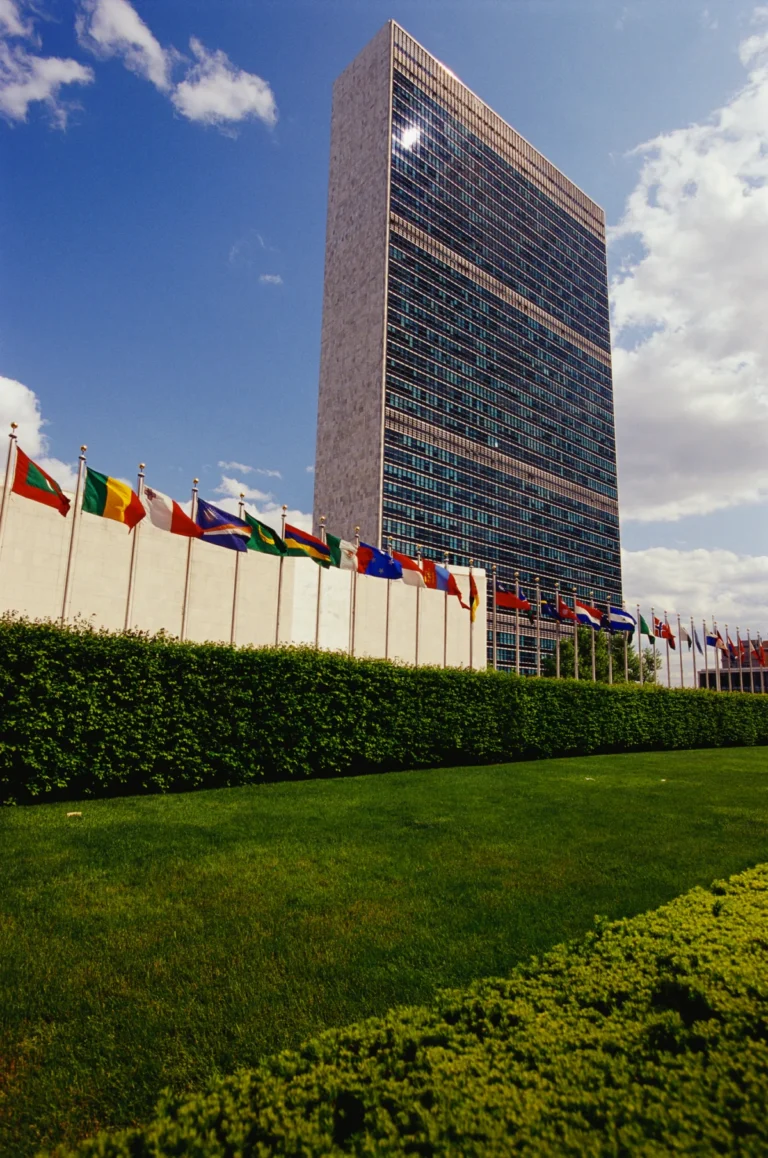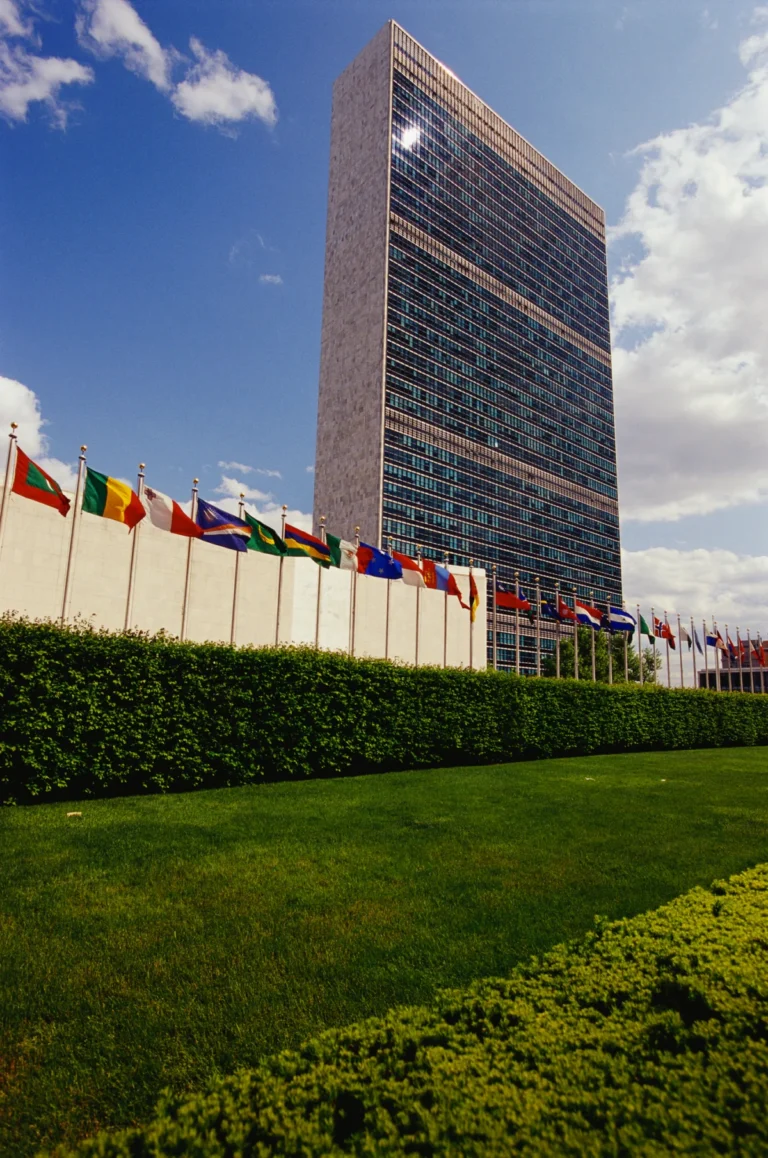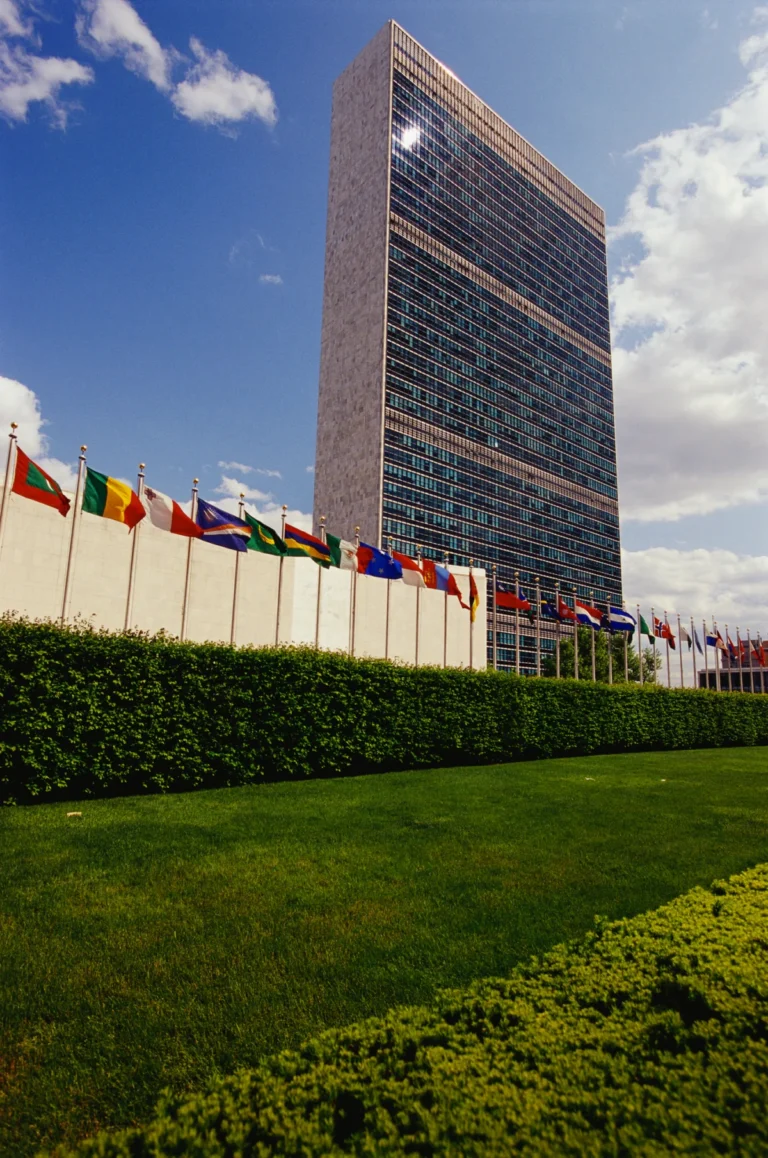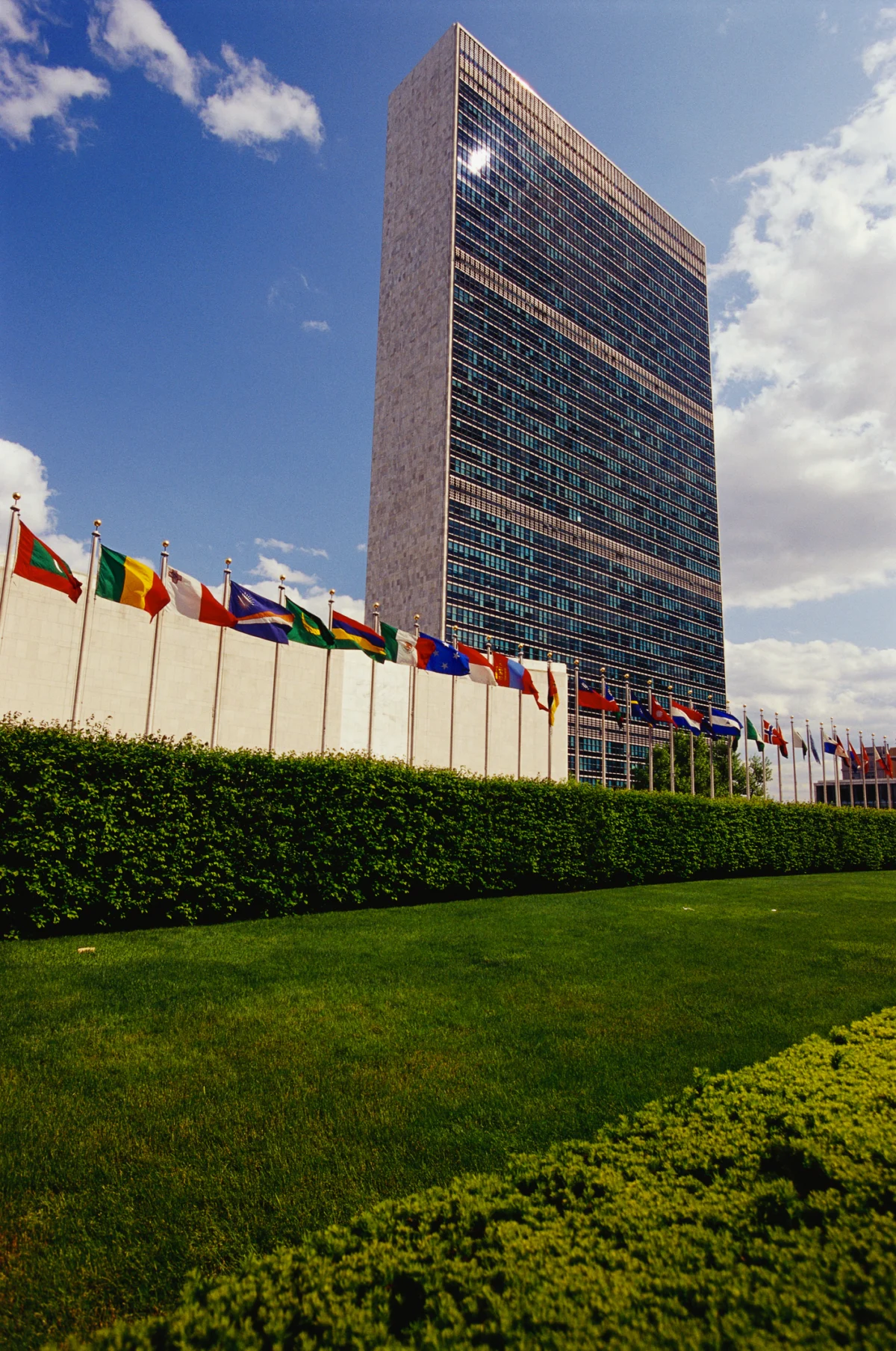
Addressing a high-level assembly on the sidelines of the United Nations General Assembly in New York, John Denton, the Secretary General of the International Chamber of Commerce (ICC), issued a stark warning regarding the fragile state of global food security. Speaking to an audience that included the European Union’s High Representative for Foreign Affairs and Security Policy, Josep Borrell, along with foreign ministers and senior officials from more than 25 nations and leaders of major UN humanitarian agencies, Denton characterized trade not merely as an economic activity, but as a critical humanitarian tool. His address underscored the urgent necessity of restoring stable trade routes in the Black Sea, citing the catastrophic ripple effects that disruptions in this region have on the world’s most vulnerable populations.
The Secretary General’s remarks come at a time of heightened geopolitical tension and environmental uncertainty. By drawing on the ICC’s direct involvement in the 2022 Black Sea Grain Initiative, Denton highlighted how international cooperation previously averted a global catastrophe by facilitating the export of nearly 33 million tonnes of grain and food products. However, with those mechanisms now lapsed or under threat, the global community faces a convergence of risks—ranging from port blockades to climate-driven agricultural shifts—that could lead to a protracted period of food scarcity and price volatility.
The Humanitarian Dimension of Global Trade Logistics
Central to Denton’s thesis is the concept that the modern global economy is so interconnected that a disruption in one geographic corridor inevitably results in human suffering thousands of miles away. He noted that the blockade of key Black Sea ports is not a localized military issue but a global humanitarian crisis. When shipping lanes are closed, the impact is felt immediately by the East African farmer unable to secure affordable fertilizer and the families in developing nations who find themselves priced out of basic caloric intake.
Denton emphasized that the ICC, representing over 45 million companies in over 170 countries, views the restoration of trade routes as a moral imperative. He argued that while humanitarian aid is essential, it is the private sector’s ability to move commodities at scale that provides the most sustainable solution to hunger. The Secretary General pointed to the success of the 2022 initiative as proof that when political will aligns with commercial practicality, trade can stabilize markets and support the operations of agencies like the World Food Programme (WFP), which relies heavily on Ukrainian grain for its global relief efforts.
A Chronology of the Black Sea Grain Crisis
To understand the urgency of Denton’s appeal, it is necessary to examine the timeline of the Black Sea trade corridor. Following the escalation of conflict in Ukraine in early 2022, global food prices reached record highs as one of the world’s most significant "breadbaskets" was effectively cut off from the sea. Ukraine and Russia together account for a massive share of the world’s exports of wheat, maize, and sunflower oil.
In July 2022, the United Nations and Turkey brokered the Black Sea Grain Initiative (BSGI), a landmark agreement that allowed for the safe navigation of commercial vessels from three key Ukrainian ports: Odessa, Chornomorsk, and Yuzhny/Pivdennyi. This initiative was supported by the UN Global Crisis Response Group, of which the ICC was a prominent member. Between July 2022 and July 2023, the corridor allowed for the movement of millions of tonnes of foodstuffs, significantly cooling global market prices and providing a lifeline to nations in the Middle East and Africa.
The initiative’s expiration in July 2023, following Russia’s withdrawal, has reintroduced a period of extreme volatility. Since then, the region has seen increased military activity targeting port infrastructure and grain silos, further complicating the prospects of a commercial restart. Denton’s address at the UNGA serves as a pivotal call to return to the negotiating table before the damage to global supply chains becomes irreversible.
Data-Driven Impacts: Markets, Supply, and Affordability
The statistical evidence supporting Denton’s concerns is significant. During the tenure of the Black Sea Grain Initiative, the Food and Agriculture Organization (FAO) Food Price Index saw a steady decline from its peak in March 2022. The 32.9 million tonnes exported under the deal included 16.9 million tonnes of corn and 8.9 million tonnes of wheat. Crucially, 65% of the wheat exported through the initiative reached developing countries, demonstrating the direct link between the Black Sea corridor and global equity.
Current market data suggests that the world is entering a "danger zone" for food affordability. While global grain stocks appear stable on paper, the logistical inability to move these stocks creates localized shortages. Denton warned that the full effects of the current blockade might not be visible in today’s supermarket prices but will manifest in the coming months as reduced harvests and tighter supplies take hold.
Furthermore, the ICC highlighted the looming threat of the El Niño weather pattern. Historically, El Niño leads to extreme weather events—including droughts in Southeast Asia and Australia and heavy rains in South America—which can severely impact crop yields. When these environmental pressures are combined with trade disruptions in the Black Sea and the Strait of Hormuz, the cumulative pressure on the global food system reaches a breaking point.
The Six-Week Window: An Urgent Warning from Ukraine
A critical element of Denton’s address was the specific intelligence gathered from the ICC’s network within Ukraine. He reported that there is an urgent need to move grain out of the country within the next six weeks. Ukrainian silos and storage facilities are rapidly approaching full capacity as the new harvest comes in. If the existing grain cannot be exported, there will be no room to store the incoming crop, leading to massive waste and financial ruin for Ukrainian agricultural producers.
This "storage wall" represents a secondary crisis. If farmers cannot sell their current crop or store it safely, they will lack the capital and the incentive to plant for the next season. This creates a multi-year deficit that could keep food prices elevated for the remainder of the decade. Denton’s plea for "commercially workable" and "operationally practical" solutions is a direct reference to the need for insurance, shipping guarantees, and de-mining efforts that would allow private vessels to return to Ukrainian ports without prohibitive risk premiums.
International Reactions and Geopolitical Implications
The reaction to Denton’s address among the assembled dignitaries reflected a growing consensus on the need for multilateral action. EU High Representative Josep Borrell has previously echoed these sentiments, noting that the weaponization of food is an affront to international norms. Representatives from several African and Middle Eastern nations at the event underscored that their domestic stability is intrinsically linked to the price of bread, which in turn is linked to the security of the Black Sea.
However, the path to a renewed agreement remains fraught with geopolitical hurdles. Russia has demanded concessions regarding its own agricultural exports and the reconnection of its agricultural bank to the SWIFT payment system. The ICC’s role, as Denton articulated, is to bridge the gap between these high-level political disputes and the ground-level reality of shipping logistics. By focusing on the "practical perspective of businesses," the ICC aims to strip away the political rhetoric and focus on the technical requirements for safe passage.
Broader Risks: Beyond the Black Sea
While the Black Sea was the primary focus, Denton’s speech touched upon a broader "convergence of risks." He specifically mentioned the Strait of Hormuz, a vital artery for global energy and commodity trade. Any escalation in that region could lead to a spike in fuel costs, which are a major component of food production and transport costs.
The Secretary General also highlighted the "humanitarian maritime corridor" concept as a blueprint for future crises. The ICC believes that the lessons learned in 2022—such as the importance of joint coordination centers and independent inspections—should be institutionalized. This would allow the global community to respond more rapidly to future disruptions, whether they are caused by conflict, pandemics, or climate change.
Conclusion: The Case for Preventive Action
In closing his address, John Denton returned to a fundamental principle of risk management: "Preventing a food crisis is far easier than responding to one." The ICC’s stance is that the international community must not wait for the visual evidence of famine or widespread civil unrest before taking action.
The call for early, coordinated preventive action is directed at the world’s most powerful economies and international institutions. The ICC has pledged its full resources to ensure that any proposed solution is not just a political gesture but a functional commercial framework. As the UN General Assembly continues, the pressure remains on global leaders to translate Denton’s warnings into a concrete plan that clears the path for trade, stabilizes the global food supply, and protects the world’s most vulnerable populations from the specter of hunger. The next six weeks will be a defining period for global food security, testing whether international cooperation can once again turn the gears of trade in the service of humanity.
About the Author