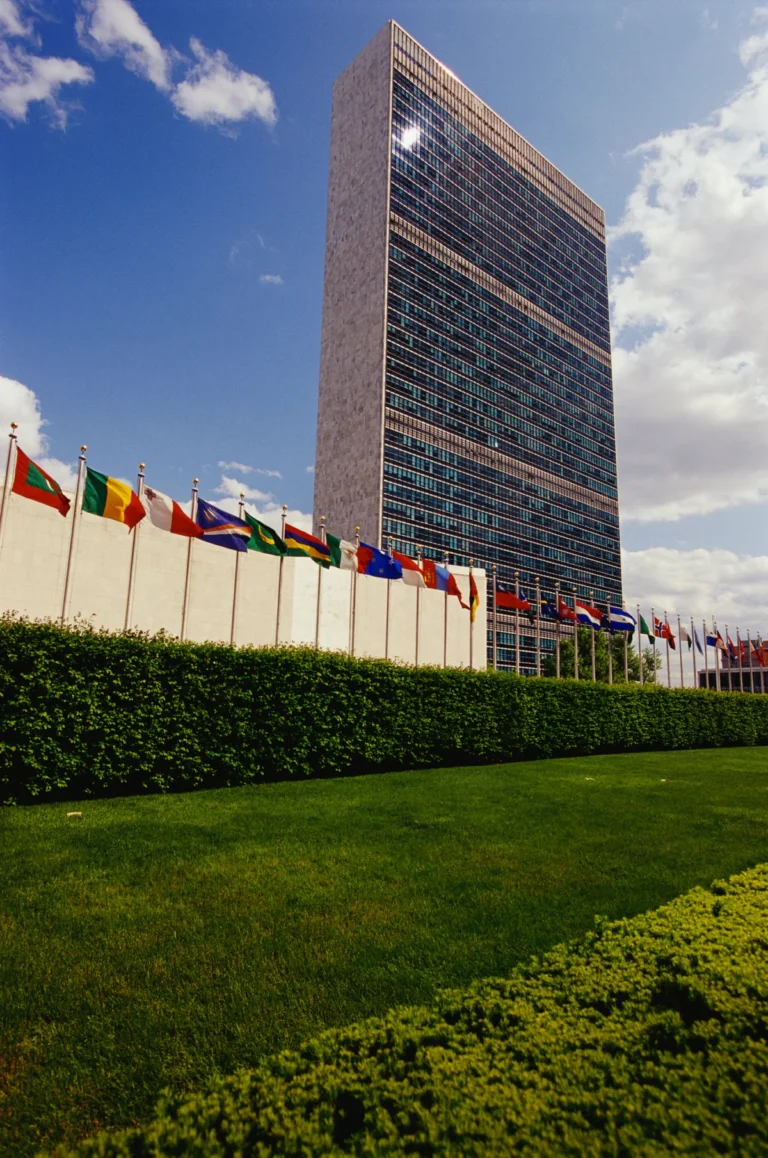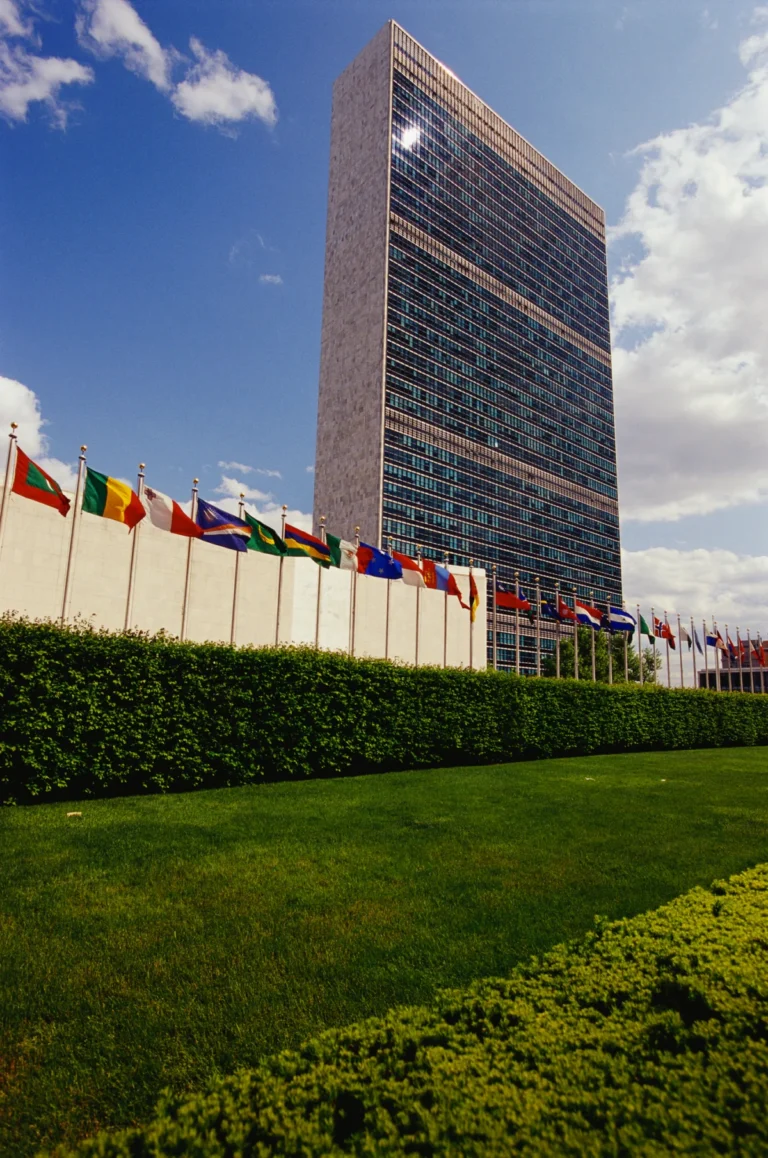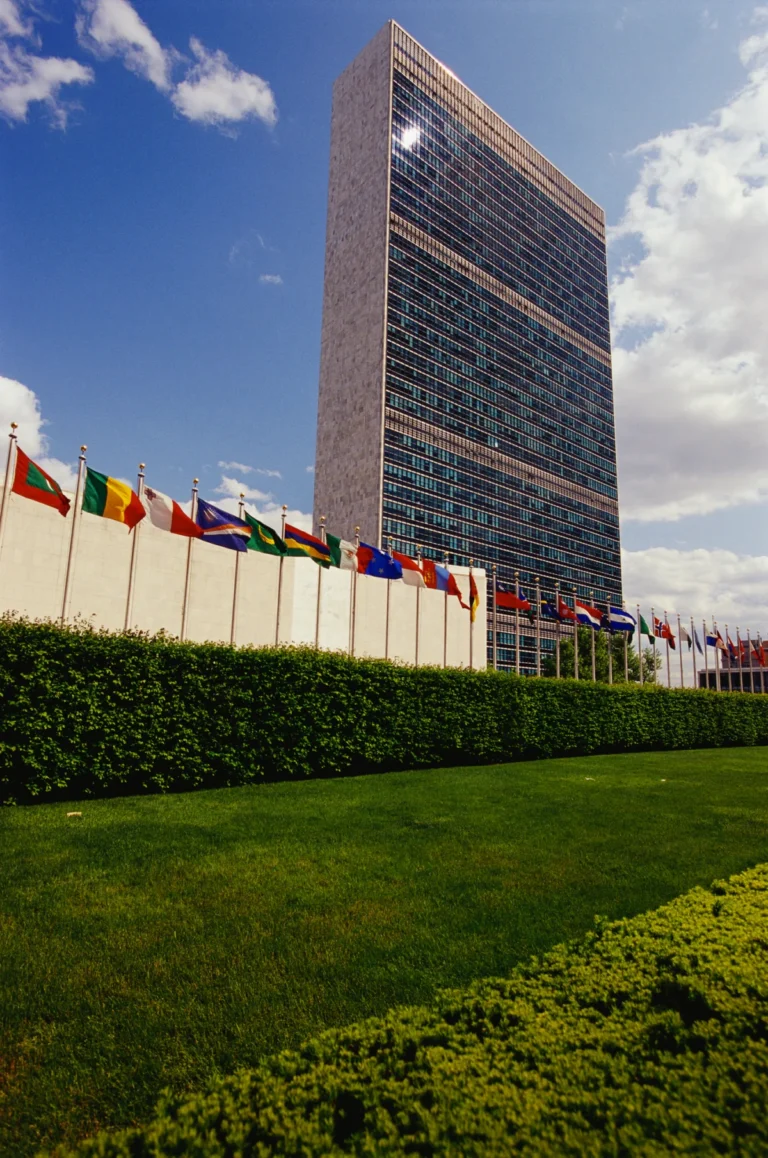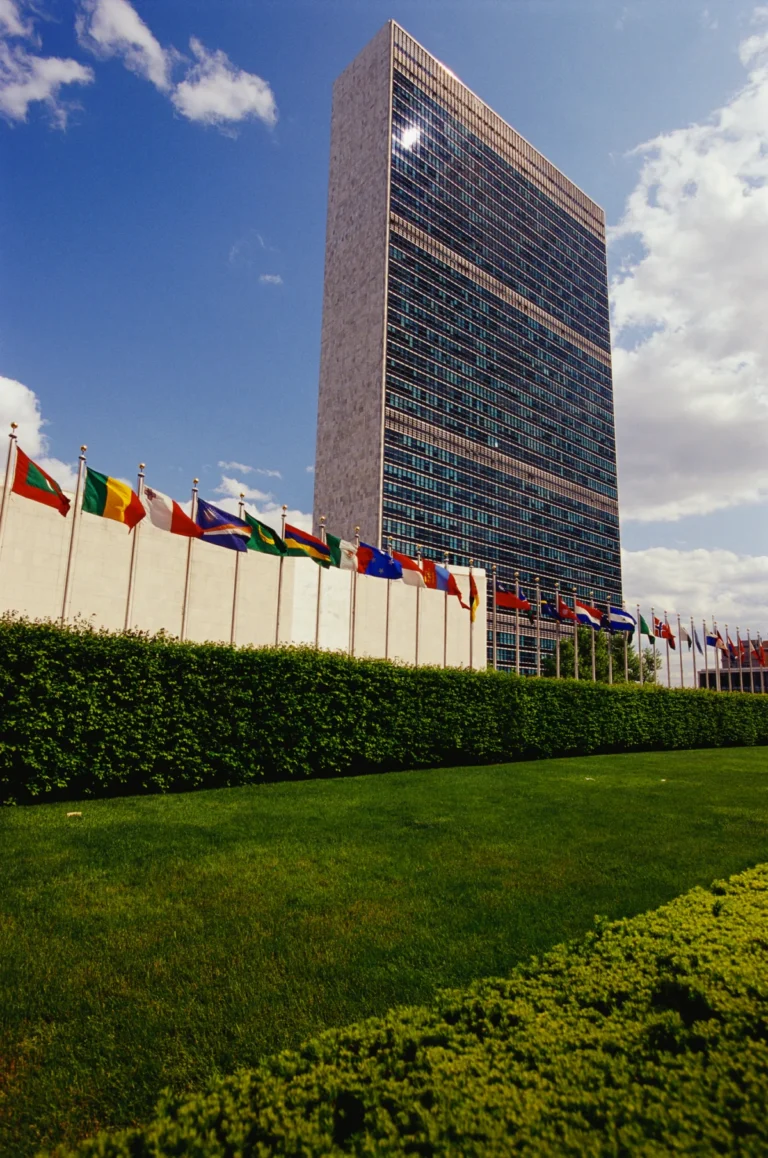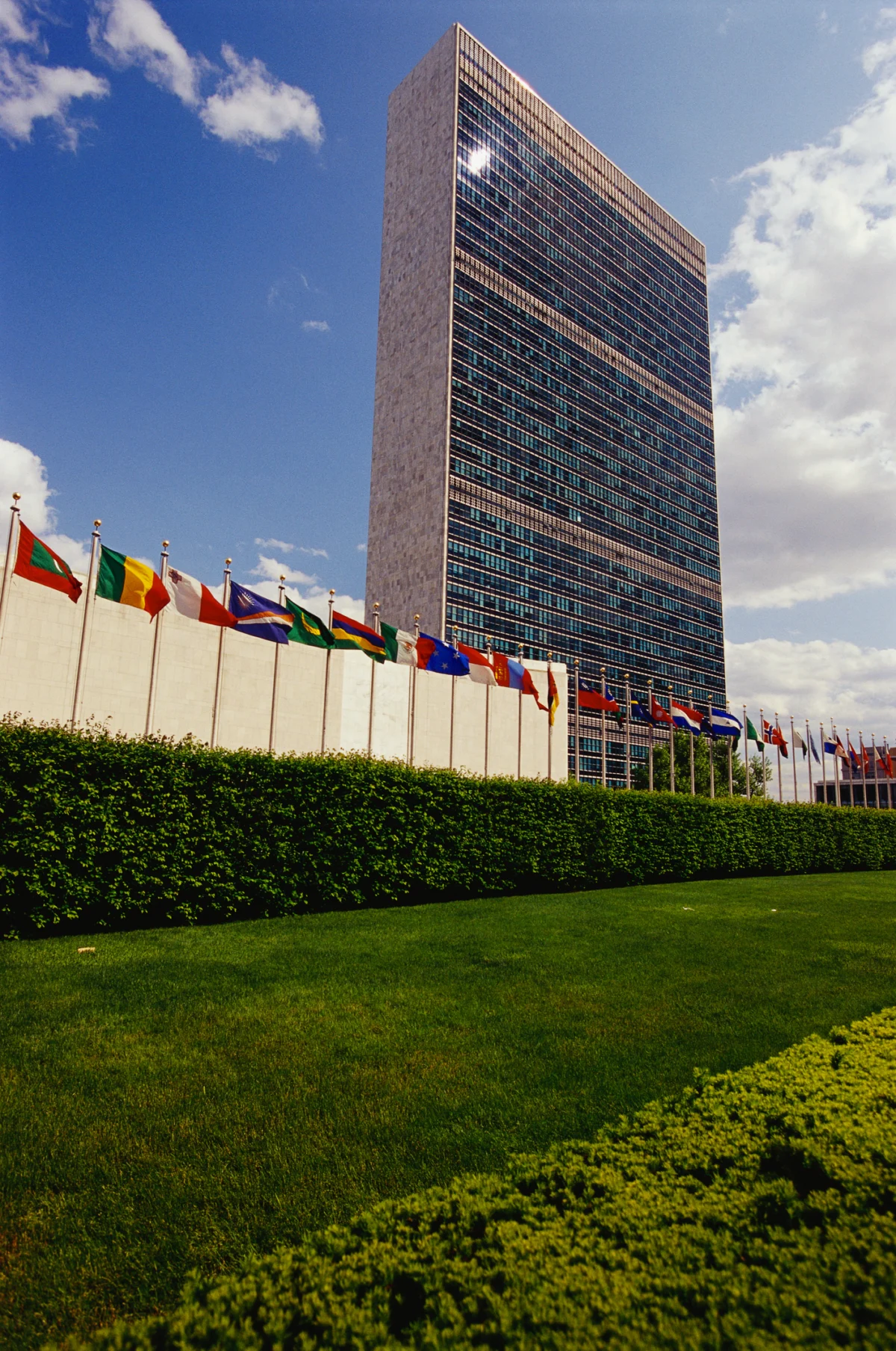
The International Chamber of Commerce (ICC) utilized the platform of the 79th United Nations General Assembly (UNGA) to advocate for a fundamental shift in how the international community addresses global crises, moving from a model of mere consultation to one of active, shared responsibility with the private sector. Aligning with the UNGA theme, “Restoring trust, managing transformation: a United Nations that delivers for all,” the ICC delegation, led by Secretary General John W.H. Denton AO and Chair Harsh Pati Singhania, emphasized that the complexity of modern global challenges—ranging from fractured food supply chains to the rapid ascent of artificial intelligence—requires the institutionalized integration of business expertise and capital into the multilateral system.
Throughout a series of high-level engagements, the ICC underscored that the private sector is no longer just a stakeholder but a primary engine for delivering tangible results at scale. This message comes at a critical juncture for the United Nations, as it seeks to revitalize its delivery mechanisms amidst rising geopolitical tensions and a widening gap in the financing required to meet the Sustainable Development Goals (SDGs). The ICC’s interventions focused on six strategic pillars: crisis response, humanitarian reform, the evolution of multilateralism, digital opportunity, climate implementation, and the strengthening of the business voice within the UN system.
A Decennial Milestone: The Evolution of ICC’s UN Observer Status
The ICC’s engagement at this year’s UNGA is framed by a significant historical milestone. It has been nearly a decade since the UN General Assembly made the historic decision to grant the ICC Observer Status, a position it formally assumed on January 1, 2017. This status is unique; while many non-governmental organizations hold consultative status, the ICC is the only private-sector organization with a seat at the table of the General Assembly. This allows the organization to represent the interests of over 45 million companies in more than 170 countries directly within the UN’s decision-making halls.
Since 1946, the ICC has held General Consultative Status with the UN Economic and Social Council (ECOSOC), but the transition to Observer Status marked a paradigm shift. Over the last seven years, this access has enabled the ICC to provide real-world economic data and technical expertise on issues ranging from international taxation and plastic pollution to the maintenance of global trade flows during the COVID-19 pandemic. The organization’s role in the 2022 Black Sea Grain Initiative, which facilitated the export of approximately 33 million tonnes of agricultural products, serves as the primary case study for how business-led diplomacy can avert humanitarian catastrophe.
Securing Global Food Systems and Trade Arteries
A central theme of the ICC’s UNGA agenda was the fragility of global food security. Speaking to a gathering of nearly 20 foreign ministers and deputy ministers, ICC Secretary General John W.H. Denton AO issued a stark warning regarding the disruption of critical trade routes. He noted that the ongoing volatility in the Black Sea region, combined with emerging threats in the Strait of Hormuz, is placing unprecedented strain on food systems that are already weakened by inflation and climate-related crop failures.
Denton called for immediate, coordinated political action to restore grain flows through the Black Sea before global storage capacities are reached. He argued that delays in securing these routes would lead to a "visible" crisis of affordability and availability that would extend far beyond Eastern Europe, disproportionately affecting nations in the Global South. The ICC’s position is that trade must be viewed as a humanitarian tool. By ensuring that insurance, financing, and logistics mechanisms remain functional in high-risk zones, the private sector can stabilize markets that governments alone cannot reach.
Furthering this discussion at the Devex Impact House, Denton highlighted a proposed mechanism for the Strait of Hormuz, designed to keep agricultural inputs moving despite regional instability. This proactive stance reflects the ICC’s broader philosophy: the global community must build systems that are "resilient by design" rather than relying on the ad hoc, reactive measures that have characterized previous crisis responses.
The Humanitarian Reset: Enhancing Aid Efficiency
In collaboration with the United Nations Foundation, the UN Office for the Coordination of Humanitarian Affairs (OCHA), and ServiceNow, the ICC convened a high-level panel titled "The Humanitarian Reset." The objective was to debunk the long-standing myth that the public and private sectors operate with diametrically opposed goals in crisis zones.
ICC First Vice-Chair Rebecca Enonchong articulated that the humanitarian community’s need for "impact at scale" and the business community’s drive for "efficiency and problem-solving" are highly complementary. However, she noted that a significant barrier remains: a lack of common language and process alignment. The ICC is advocating for a more systemic approach to private sector engagement in aid delivery, moving away from simple corporate social responsibility (CSR) donations toward integrated partnerships where businesses provide the underlying technology, logistics, and data analytics necessary to optimize aid distribution.
This "Humanitarian Reset" is particularly timely given the 40th anniversary of the Declaration on the Right to Development. As traditional aid budgets face pressure from domestic economic concerns in donor nations, the ICC argues that the mobilization of private capital and expertise is the only viable path to sustaining global development goals.
Rethinking Multilateralism: From Consultation to Accountability
At a roundtable co-convened with the UN Foundation, the ICC introduced a landmark report produced in partnership with IE University titled "Rethinking Multilateralism: A New Role for the Private Sector." The report argues that the traditional "intergovernmental only" model of multilateralism is no longer sufficient to manage the complexities of the 21st-century economy.
Secretary General Denton emphasized that the future of international cooperation must be built on "shared responsibility and accountability." He proposed that new mechanisms be developed to allow the private sector to move beyond mere participation in dialogues and into the actual delivery of global public goods. This involves creating frameworks where business innovation can be harnessed to solve collective action problems—such as pandemic preparedness or sovereign debt crises—at a speed that traditional bureaucracy cannot match.
Harnessing AI for Inclusive Economic Growth
As the digital economy undergoes a transformation driven by Artificial Intelligence (AI), the ICC used the UNGA platform to advocate for the interests of Small and Medium-sized Enterprises (SMEs). In a roundtable hosted by The Economist Group and TikTok, Denton noted that the economic potential of AI will be lost if it is restricted to a handful of large tech firms or wealthy nations.
The ICC’s message was clear: AI access must be turned into economic opportunity through the creation of supportive policy environments. This includes investing in digital infrastructure, ensuring SMEs have the skills to adopt AI tools, and establishing interoperable global standards. Denton warned against "unnecessary fragmentation" of markets, which occurs when nations develop conflicting AI regulations. He called for "tech diplomacy" that involves the private sector early in the rule-making process to ensure that regulations support trusted cross-border data flows and cybersecurity without stifling the innovation of smaller companies.
Climate Implementation: The Road to COP31
The ICC also addressed the escalating climate crisis, emphasizing its role as the official focal point for business within the United Nations Framework Convention on Climate Change (UNFCCC). At the COP31 Business Forum New York Dialogue, co-hosted by Bloomberg and the Union of Chambers and Commodity Exchanges of Türkiye (TOBB), the ICC called for a pivot from "ambition" to "implementation."
Heading toward COP31 in Antalya, the ICC is pushing for stable and predictable policy frameworks that allow businesses to price and share risk effectively. Denton argued that while governments provide the policy certainty and finance helps bridge the gap, it is the business community that brings the technology and implementation capacity. To move from "commitments to projects," the ICC advocates for open markets and the removal of trade barriers on environmental goods and services.
Analysis of Global Implications
The ICC’s strategic push at UNGA 79 signals a broader trend in global governance: the "privatization" of crisis management. As the UN system faces challenges to its legitimacy and efficacy, the integration of the ICC provides a bridge to the "real economy."
Data indicates that the financing gap to achieve the SDGs in developing countries has widened to nearly $4 trillion annually. Traditional official development assistance (ODA) accounts for only a fraction of this requirement. By positioning the private sector as a central pillar of the UN’s operational strategy, the ICC is attempting to unlock the vast reserves of private capital—estimated at over $200 trillion in global financial assets—that are currently underutilized in the pursuit of global stability.
The emphasis on interoperability in AI and climate policy also highlights a growing concern among global businesses: the "splinternet" and the decoupling of major economies. The ICC’s advocacy for unified standards is a direct response to the threat of rising protectionism, which the organization views as a primary obstacle to both economic recovery and humanitarian response.
Conclusion
The ICC’s engagements at the 79th UN General Assembly underscore a fundamental reality of the modern era: no single government or international organization possesses the resources or the agility to manage global transformations alone. By leveraging its unique Observer Status, the ICC is not merely advocating for business interests; it is proposing a new architecture for global cooperation.
As ICC Chair Harsh Pati Singhania concluded, the goal is to move beyond the ad hoc responses of the past and build a global resilience framework that is "systemic, scalable, and action-oriented." The success of this vision will depend on whether the UN and its member states are willing to cede a degree of traditional control in exchange for the implementation capacity and innovation that only the global private sector can provide. For the ICC, the path forward is clear: the United Nations will only "deliver for all" when it fully integrates the engines of the global economy into its mission.
About the Author