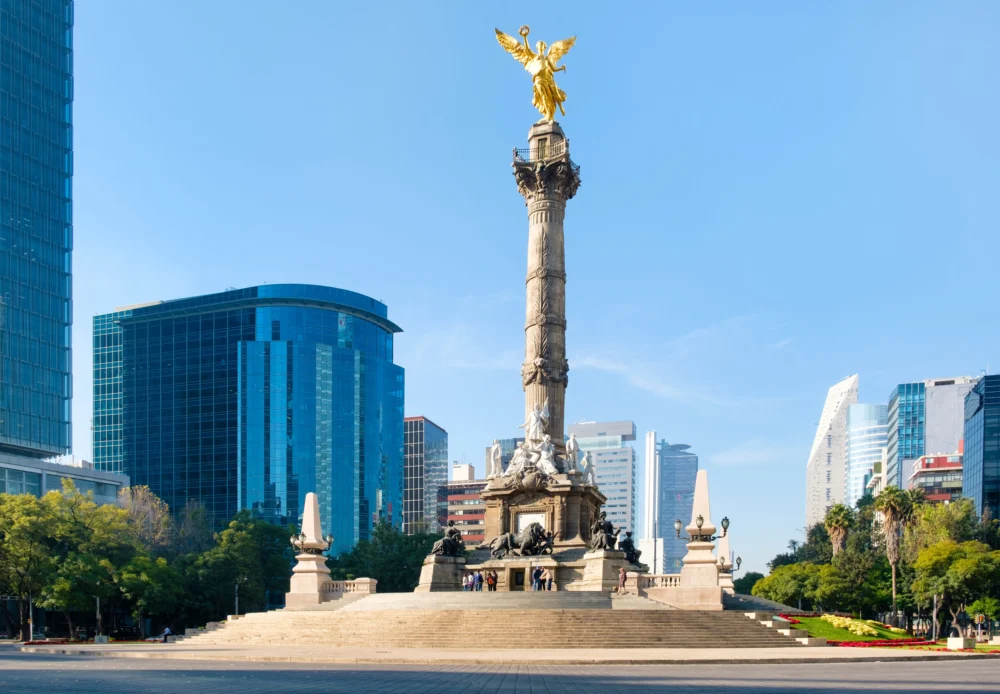
Senior policymakers, international business leaders, and trade experts gathered in Mexico City this week for a high-level roundtable designed to accelerate the revitalisation of the multilateral trading system. Organized by the International Chamber of Commerce (ICC) in collaboration with its national chapter, ICC Mexico, the event focused on the unique economic landscape of the Americas. This meeting represents the third major regional dialogue in a global series aimed at socializing the "ICC Compact for Trade, Growth and Jobs," following successful high-level engagements in Singapore and Dubai.
The primary objective of the Mexico City roundtable was to bridge the gap between historical trade frameworks and the logistical realities of the 21st century. As global supply chains face unprecedented pressure from geopolitical shifts, technological disruptions, and the urgent need for sustainable practices, the ICC initiative seeks to provide a roadmap for a more resilient and inclusive global economy. The discussions in Mexico City specifically addressed how the Western Hemisphere can better integrate its diverse economies to foster long-term prosperity.
A Vision for Future-Proofed Trade Infrastructure
The centerpiece of the dialogue was the ICC Compact for Trade, Growth and Jobs, a strategic framework designed to modernize the infrastructure of global commerce. ICC Secretary General John W.H. Denton AO emphasized that the initiative is not an attempt to cling to the status quo, but rather a forward-looking strategy to optimize the trading system for future generations.
"We are not talking about the trading system to preserve the legacy of the past, but instead to optimise for the future, ensuring that we are building an inclusive approach that works for businesses of all kind," Denton stated during the proceedings. He further noted that alongside the ICC’s persistent call for World Trade Organization (WTO) reform, the Compact serves as a practical tool to ensure that the "plumbing" of global trade—from customs regulations to digital standards—is fit for purpose in a modern, digitized world.
The roundtable served as a platform for participants to dissect the challenges inherent in current trade structures. These include the slow adoption of paperless trade, the widening trade finance gap, and the complexity of rules of origin that often prevent smaller players from entering the international market. By focusing on these "bottlenecks," the ICC aims to create a more frictionless environment that supports not only multinational corporations but also the millions of small- and medium-sized enterprises (SMEs) that form the backbone of the global economy.
Analyzing the Regional Disparity: North America vs. Latin America
A significant portion of the roundtable was dedicated to analyzing the stark disparities in trade integration across the Americas. Data presented during the session highlighted a "two-speed" trade reality within the hemisphere. Currently, nearly 60% of North American trade is intra-regional, bolstered significantly by the United States-Mexico-Canada Agreement (USMCA). This high level of integration has created robust supply chains and predictable economic corridors.
In contrast, only an estimated 15% of exports from Latin America and the Caribbean are destined for markets within the region. This lack of intra-regional connectivity is a major hurdle for economic development. While North America benefits from integrated logistics and harmonized standards, many South and Central American nations remain more connected to external markets in Europe and Asia than to their immediate neighbors.
The roundtable participants explored how the principles of the ICC Compact could be applied to narrow this gap. Experts suggested that improving regional infrastructure, harmonizing digital trade standards, and reducing non-tariff barriers could unlock billions of dollars in untapped economic value. By fostering a more integrated Latin American trade bloc, the region could increase its resilience against global shocks and reduce its dependence on volatile commodity markets.
The SME Participation Gap and Economic Opportunity
One of the most pressing issues discussed was the underrepresentation of SMEs in cross-border trade. Across the Americas, SMEs account for more than 90% of all business entities and provide the vast majority of private-sector employment. However, despite their dominance in the domestic landscape, only 10% to 15% of these firms participate directly in international trade.
The barriers to entry for SMEs are multifaceted. Unlike large corporations, smaller firms often lack the legal departments required to navigate complex trade agreements or the capital to manage long payment cycles in international shipping. The global trade finance gap, which the Asian Development Bank recently estimated at $2.5 trillion, disproportionately affects these smaller enterprises.
The Mexico City discussions focused on "quick wins" to alleviate these pressures. These include:
- Digitalization of Trade Documents: Moving away from physical bills of lading to digital equivalents to reduce costs and processing times.
- Simplified Rules of Origin: Streamlining the criteria used to determine the national source of a product, making it easier for SMEs to qualify for preferential tariffs.
- Enhanced Trade Finance Access: Leveraging fintech solutions and government-backed guarantees to ensure SMEs have the liquidity needed to fulfill international orders.
The ICC Compact posits that by increasing SME participation in trade by even a few percentage points, the region could see a significant boost in job creation and poverty reduction.
Chronology of the Global Trade Revitalisation Initiative
The Mexico City roundtable is part of a broader, coordinated effort by the ICC to build a global consensus on trade reform. The timeline of this initiative demonstrates a systematic approach to gathering regional insights before presenting a unified business voice at the global level.
- The Singapore Dialogue (Southeast Asia): The first regional engagement focused on the ASEAN region, highlighting the importance of digital economy agreements and the role of trade in driving post-pandemic recovery in Asia.
- The Dubai Dialogue (MENA Region): The second leg focused on the Middle East and North Africa, addressing energy transition, food security, and the diversification of trade-dependent economies.
- The Mexico City Dialogue (The Americas): The current engagement emphasizes intra-regional integration, SME empowerment, and the modernization of the North-South trade corridor.
This sequential approach ensures that the final recommendations presented to the WTO and G20 are not merely "Western-centric" but reflect the diverse needs of the global business community. The insights gathered from Mexico City will now be synthesized with the findings from Singapore and Dubai to refine the ICC’s global advocacy strategy.
From Dialogue to Practical Solutions: Digital and Sustainable Transformation
The roundtable moved beyond theoretical discussion to identify tangible initiatives that can be deployed immediately. Three core areas of focus emerged as priorities for the Americas:
1. Accelerating the Digital Revolution:
The participants emphasized that the digital transformation of trade is no longer optional. The adoption of the UNCITRAL Model Law on Electronic Transferable Records (MLETR) was cited as a critical step for governments in the region. By providing a legal framework for digital trade documents, countries can significantly reduce the "paperwork tax" that currently slows down shipments at borders.
2. Sustainable Industrial Transformation:
As global investors increasingly prioritize Environmental, Social, and Governance (ESG) criteria, the roundtable discussed how trade policy can support green growth. This includes promoting trade in environmental goods and services and ensuring that decarbonization efforts do not lead to "green protectionism" that unfairly penalizes developing economies in Latin America.
3. Modernizing Trade Finance:
With interest rates remaining high globally, the cost of trade credit has become a significant barrier. The ICC is working with regional development banks and private lenders to promote standardized digital protocols for trade finance, which can lower risk profiles and make it easier for banks to lend to exporters in emerging markets.
The Road to the WTO 14th Ministerial Conference (MC14)
The timing of the Mexico City roundtable is strategic, occurring as momentum builds for the World Trade Organization’s 14th Ministerial Conference (MC14), scheduled to take place in Cameroon in March. The ICC has already issued a "Global Business Statement" and a "Call for Action" to outline a business-friendly WTO reform process.
The consensus from the Mexico City meeting was clear: the WTO must evolve to remain relevant. This includes restoring a fully functioning dispute settlement mechanism and making permanent the moratorium on customs duties on electronic transmissions. Business leaders at the roundtable argued that allowing the moratorium to lapse would lead to a "digital tax war" that would stifle the very innovation the Americas need to grow.
ICC Mexico representatives noted that the country’s unique position—as both a leading manufacturing hub and a bridge to Latin America—gives it a vital role in these negotiations. The "Mexico City Consensus" emerging from this week’s meeting will likely serve as a blueprint for how middle-income countries can advocate for a trading system that balances liberalization with developmental needs.
Broader Impact and Long-term Implications
The success of the ICC Compact in the Americas will ultimately be measured by its ability to stimulate economic activity and create high-quality jobs. By focusing on the "infrastructure" of trade—both physical and regulatory—the ICC is addressing the root causes of economic stagnation in parts of the hemisphere.
For Mexico, the roundtable reinforces its status as a central player in global trade diplomacy. For the rest of the Americas, the event provides a rare opportunity to align business interests with government policy across borders. As the global economy continues to fragment into regional blocs, the ICC’s push for a revitalized multilateral system offers a counter-narrative: that cooperation and standardized rules remain the most effective path to widespread prosperity.
The ICC has pledged to continue its work with governments and local business communities across the Americas. The insights gained in Mexico City will be used to develop localized toolkits for SMEs and to brief trade ministers ahead of the Cameroon conference. As the 21st century progresses, the "revitalisation" of trade is being framed not just as an economic necessity, but as a prerequisite for social stability and sustainable development across the globe.
About the Author