Across the African continent, a profound paradox has emerged: while the hum of electricity is reaching more households and villages than ever before, the transformative economic surge that was once promised has yet to fully materialize. For decades, the primary metric of success for governments, international donors, and utilities was "access"—the physical extension of the grid or the installation of mini-grids in rural areas. However, as the infrastructure expands, a critical realization has dawned on policymakers and development experts alike: electricity is merely a prerequisite, not a guarantee, of prosperity. The missing link in this transition is the availability of affordable, high-efficiency appliances that allow citizens to turn raw power into productivity, income, and improved quality of life.
The Evolution of Africa’s Energy Landscape: A Two-Decade Chronology
The journey toward universal energy access in Africa has seen a dramatic shift in strategy and scale over the last twenty years. In the early 2000s, energy poverty was a defining characteristic of the continent, with hundreds of millions lacking even basic illumination. Between 2000 and 2024, total electricity production across the continent increased by more than 100 percent, driven by massive investments in hydropower, solar arrays, and geothermal plants.
The timeline of this progress is marked by several key milestones. Following the adoption of the United Nations Sustainable Development Goals (SDGs) in 2015, specifically SDG 7—aiming for affordable, reliable, sustainable, and modern energy for all—investment reached record highs. Large-scale initiatives like the African Development Bank’s "New Deal on Energy for Africa" and the World Bank’s "Scaling Solar" program accelerated the deployment of renewable energy. By 2020, the focus began to shift from centralized grids to decentralized solutions, such as solar home systems and mini-grids, which proved faster and more cost-effective for reaching remote populations.
Yet, by 2023, data began to show a concerning trend. Despite the rise in connections, many utilities across Sub-Saharan Africa found themselves in deepening debt. The expected "demand boom" from newly connected communities failed to occur. In many instances, rural households were using electricity only for basic lighting and phone charging—activities that consume very little power and generate insufficient revenue for utilities to recover the costs of infrastructure maintenance and expansion.
The Economic Gap: Why Access Alone is Failing
The central challenge is that electricity alone does not create opportunity; the tools that utilize that electricity do. In many African markets, there is a stark "demand-side" problem. While the supply of power has increased, the market for productive-use appliances—such as solar-powered water pumps, refrigerators, grain mills, and industrial sewing machines—has remained underdeveloped.
Without these tools, the economic impact of electrification is stifled. A farmer with a new electrical connection but no electric pump must still rely on manual labor or expensive diesel generators for irrigation. A shopkeeper with a lightbulb but no refrigerator cannot store perishable goods, limiting their inventory and potential profit. This gap results in a cycle of underutilization: low demand leads to high unit costs for electricity, which in turn makes the power less attractive for industrial use, further depressing economic growth.
Research from CLASP, an international NGO specializing in appliance efficiency, highlights the scale of this untapped potential. Their data suggests that closing the energy access gap is as much about stimulating demand as it is about building power plants. By prioritizing the distribution of efficient appliances, African nations could generate approximately 342 terawatt-hours of new electricity demand annually. This would not only stabilize the financial health of utilities but also create a burgeoning $50 billion market for appliances and related services.
Policy Interventions and the Rise of Standards
Recognizing that inefficient or low-quality products can jeopardize energy systems, several African governments have begun implementing rigorous policy frameworks. In 2023, Ghana emerged as a regional leader by adopting mandatory Minimum Energy Performance Standards (MEPS) and compulsory energy labeling. These regulations ensure that only high-quality, energy-efficient appliances enter the market, preventing the continent from becoming a "dumping ground" for obsolete technologies from the Global North.
Similar movements have been observed in South Africa and Kenya. By enforcing strict standards, these nations are easing the pressure on their national grids. High-efficiency appliances require less power to perform the same task, which is vital in regions where the grid is often strained or prone to load-shedding. These policies serve a dual purpose: they protect consumers from high electricity bills and reduce the capital expenditure required by governments to build additional power plants to meet peak demand.
Case Studies: Turning Power into Livelihoods
The practical application of these strategies is already yielding results in various corners of the continent. In Nigeria, the deployment of portable, solar-powered grain mills has revolutionized agricultural processing. Traditionally, farmers—the majority of whom are women—spent hours manually processing harvests or traveling long distances to diesel-powered mills. The introduction of local, efficient electric milling has reduced post-harvest losses and allowed farmers to sell processed goods at higher margins.
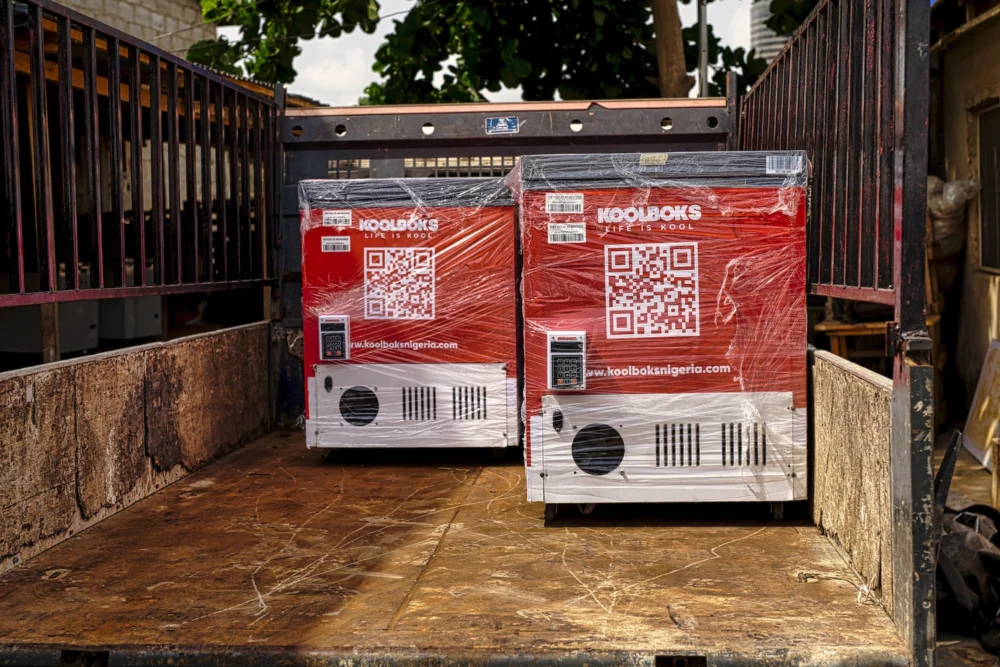
In Kenya, the focus has shifted toward the cold chain. Solar-powered refrigerators are being utilized by small-scale shopkeepers and health clinics. For shopkeepers, refrigeration means the ability to sell cold beverages and preserve meat and fish, often doubling their daily turnover. For clinics, it ensures the safety of vaccines and essential medicines, particularly in areas where grid reliability is intermittent.
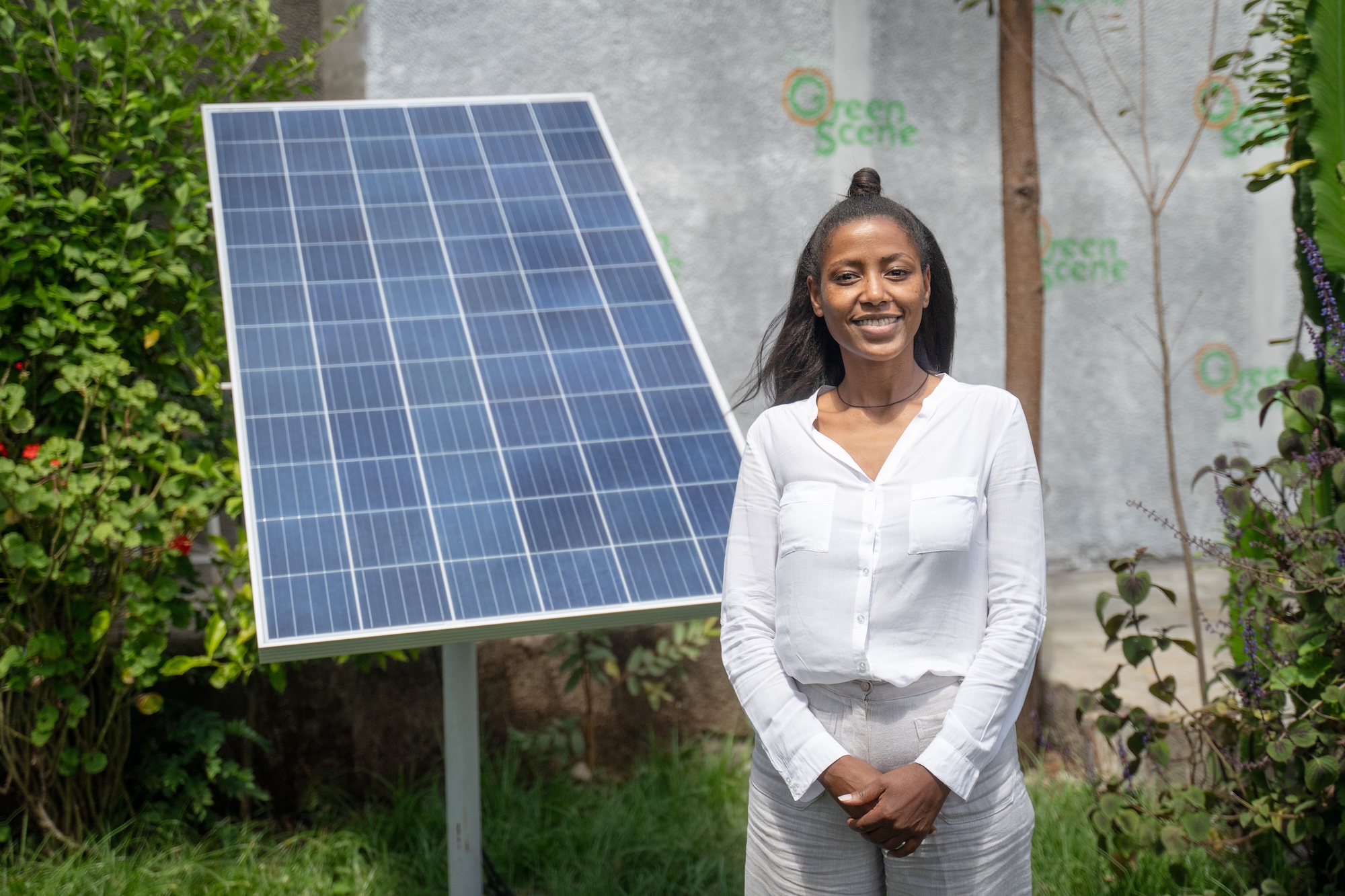
In Ethiopia, the impact is felt most strongly in the agricultural sector. Solar water pumps provided by companies like Green Scene Energy are offering farmers a sustainable and affordable alternative to rain-fed agriculture. By allowing for year-round cultivation, these pumps are significantly increasing food security and household incomes. According to Emmanuel Aziebor, Senior Regional Director for Africa at CLASP, these locally-led solutions prove that "waiting for the perfect grid is not necessary" when the right tools are available.
Equity by Design: Empowering Women and Youth
One of the most significant implications of the shift toward efficient appliances is its impact on gender equity. In many African societies, women bear the disproportionate burden of "time poverty," spending hours each day on domestic chores that could be mechanized. When efficient water pumps, cookstoves, and food processors become accessible, women regain hours of their day, which are often reinvested into education or entrepreneurial ventures.
Data from the Productive Use Financing Facility, supported by the Global Energy Alliance for People and Planet (GEAPP), reveals a staggering statistic: in households where women gained access to productive-use appliances, average incomes jumped by 94 percent. This suggests that the energy transition is not just a technical or environmental shift, but a social one. By centering women and young entrepreneurs in the distribution and financing of these appliances, governments can ensure that the benefits of energy access are distributed more equitably.
Analysis of Implications: A Strategic Lever for the Future
The shift toward prioritizing appliance efficiency represents a strategic pivot for African development. For governments, it offers a way to maximize the Return on Investment (ROI) for massive infrastructure projects. If 15 percent of current energy-sector investment were redirected toward improving appliance access, the economic output of the continent could be significantly amplified without needing to build a corresponding amount of new generation capacity.
Furthermore, the environmental implications are substantial. As the world grapples with climate change, Africa has the opportunity to "leapfrog" inefficient development stages. By adopting high-efficiency standards now, the continent can minimize its future carbon footprint even as its energy consumption grows. CLASP research indicates that smart appliance policies could deliver 20 percent of the energy savings needed to double global energy efficiency by 2030.
Conclusion: The Bridge Between Access and Opportunity
As African leaders and international stakeholders look toward the 2030 targets, the consensus is shifting. The era of focusing solely on "poles and wires" is ending. During the Africa Energy Forum in December 2025, Ethiopia’s Deputy Prime Minister, His Excellency Adam Farah, summarized the sentiment: "It’s not just about generating more electricity; it’s about using it smarter and investing the savings in other national priorities."
The path forward requires a synchronized effort between governments, who must set clear standards and incentives; donors, who must provide the de-risking capital for appliance financing; and the private sector, which must innovate to bring costs down for the end-user. Electricity is the foundation, but efficient appliances are the bridge that connects that foundation to a skyscraper of economic growth. For the millions of farmers, shopkeepers, and entrepreneurs across Africa, that bridge is no longer a luxury—it is a necessity for a prosperous and resilient future.
About the Author