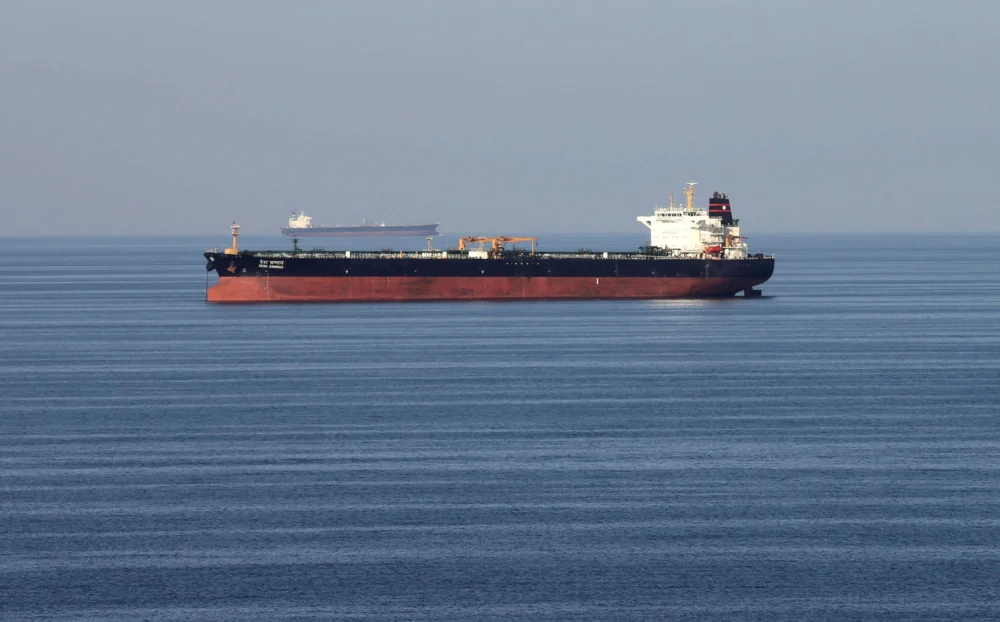
Kuwait announced on Saturday a significant reduction in its crude oil production and refining output, citing severe impediments to tanker transit through the Persian Gulf due to explicit threats from Iran. This preemptive measure, described by the Gulf monarchy as a temporary but necessary response to the volatile security situation, underscores the rapidly deteriorating energy landscape in the Middle East and its profound implications for global supply chains. While the precise volume of the cut was not disclosed, Kuwait, as the fifth-largest oil producer within OPEC, producing approximately 2.6 million barrels per day (bpd) in January, signalled a substantial impact on its operational capacity. The state-owned Kuwait Petroleum Corporation (KPC) affirmed its readiness to restore full production levels once conditions in the critical waterway normalize, a prospect that appears increasingly distant amidst the escalating regional conflict.
The Genesis of a Crisis: Geopolitical Tensions Ignite Energy Chokepoints
The dramatic announcement from Kuwait comes in the wake of an unprecedented surge in global energy prices, with crude oil benchmarks experiencing their most significant weekly gains in history. Brent crude futures surged by 28%, and West Texas Intermediate (WTI) futures rocketed by an astonishing 35.63%, marking the largest weekly increase since the inception of its futures contract in 1983. This explosive price action is a direct consequence of an intensifying conflict involving Iran, which has led to a major disruption of global energy supplies. The primary catalyst for this disruption is the effective closure of the Strait of Hormuz, the narrow maritime passage linking the Persian Gulf to the open ocean. Shipowners and operators, facing credible threats of attack from Iranian forces, have largely ceased transit through the strait, creating an immediate and severe bottleneck for crude oil and liquefied natural gas (LNG) exports from the region.
The Strait of Hormuz is arguably the world’s most critical oil chokepoint, through which roughly 20% of global oil consumption — approximately 21 million bpd — passes daily. This vital artery is the sole maritime route for oil and gas exports from major producers including Saudi Arabia, Iraq, UAE, Kuwait, and Qatar. Its closure effectively traps vast quantities of crude oil and LNG within the Persian Gulf, forcing producing nations to confront rapidly dwindling storage capacities and, consequently, to curb production. Iraq, a major regional producer, has already implemented cuts of 1.5 million bpd as its storage facilities approach saturation, according to Iraqi officials.
Operational Disruption and Storage Constraints: A Tangible Impact
The shift from abstract geopolitical risk to concrete operational disruption is now palpably evident in the energy markets. Natasha Kaneva, head of global commodities research at JPMorgan, articulated this sentiment, noting, "The market is shifting from pricing pure geopolitical risk to grappling with tangible operational disruption." The accumulating barrels in the Middle East, with no viable export routes, present an immediate logistical nightmare for Gulf Arab producers. These nations are inherently dependent on unimpeded maritime access to global markets. When storage tanks fill to capacity, producers are left with no option but to halt extraction, a costly and complex process that can have long-term implications for reservoir management and infrastructure integrity.
JPMorgan’s analysis further underscores the severity of the situation, projecting that if the Strait of Hormuz remains closed for more than three weeks, Gulf Arab countries would exhaust their storage capacity, necessitating production shutdowns that could exceed 4 million bpd by the end of next week. Such an eventuality, Kaneva warned, would inevitably propel global benchmark Brent crude prices well above $100 per barrel, potentially triggering an unprecedented energy crisis with far-reaching economic consequences globally.
Beyond Oil: The LNG Market Under Siege
The "Iran war" — referring to the heightened state of military readiness, cyber warfare, and proxy engagements, rather than a formally declared conventional war — has not spared the global natural gas market. Qatar, the world’s second-largest exporter of liquefied natural gas (LNG), announced a complete shutdown of its LNG production on Monday following targeted attacks attributed to Iran. This development is particularly alarming given Qatar’s immense contribution to global energy security, supplying approximately 20% of the world’s LNG exports.
LNG, natural gas chilled to a liquid state for easier transportation by specialized tankers, is a critical fuel for electricity generation, industrial processes, and home heating across Europe, Asia, and other regions. The disruption of Qatari supplies, especially as nations grapple with their energy transitions and seek alternatives to pipeline gas, represents a severe blow to global energy stability. The sudden loss of such a significant volume of LNG exacerbates concerns about winter heating supplies, industrial output, and electricity costs, particularly in import-dependent economies.

A Chronology of Escalation: From Tensions to Crisis
The current crisis is the culmination of years of escalating tensions in the Persian Gulf, punctuated by a series of incidents that have steadily eroded regional stability. While the specific trigger for the "Iran war" in 2026 is complex and multifaceted, it has been characterized by:
- Early 2025: Increased rhetoric and naval exercises by Iran in the Strait of Hormuz, perceived as warnings against perceived infringements on its sovereignty or sanctions enforcement.
- Mid-2025: A series of minor maritime incidents, including alleged harassment of commercial vessels and drone overflights, leading to heightened alert levels among international shipping and naval forces.
- Late 2025: Cyberattacks targeting critical infrastructure in the region, including oil facilities and port operations, which were widely attributed to state-sponsored actors.
- February 2026: A significant escalation involving direct military engagements, possibly involving naval skirmishes or missile attacks on oil infrastructure, though details remain contested. This period likely marked the initial "war" phase mentioned in the article, prompting the first advisories against transit through the Strait.
- March 1, 2026: Reports of multiple tankers being targeted or threatened, leading to the collective decision by major shipping companies to halt operations in the Strait of Hormuz, effectively closing the waterway.
- March 4, 2026: Iraq announces cuts of 1.5 million bpd due to storage constraints, signalling the tangible impact of the Strait’s closure.
- March 4, 2026: Qatar announces the shutdown of its LNG production facilities following attacks, further broadening the scope of the energy crisis.
- March 6, 2026: Crude oil prices log their biggest weekly gains in futures trading history, reflecting market panic and supply shock.
- March 8, 2026: Kuwait formally announces cuts to its oil production and refining output, confirming the widespread operational paralysis gripping Gulf energy producers.
This timeline illustrates a rapid descent from simmering tensions to an acute crisis, fundamentally reshaping the global energy outlook.
Statements and Reactions: A World on Edge
The unfolding crisis has elicited strong reactions from governments, international organizations, and industry bodies worldwide:
- Kuwaiti Officials: Beyond the KPC statement, senior Kuwaiti energy officials have reportedly emphasized the nation’s commitment to global energy stability but stressed the imperative of protecting its assets and personnel. They have called for urgent international diplomatic intervention to de-escalate the situation and ensure the freedom of navigation.
- United States: The U.S. State Department and Pentagon have likely condemned Iran’s actions, reiterating their commitment to safeguarding international shipping lanes and ensuring global energy security. Calls for a multinational naval escort mission through the Strait of Hormuz would likely be considered, though fraught with risks of further escalation.
- European Union: EU leaders have expressed grave concern over the disruption to energy supplies, particularly LNG, given Europe’s significant reliance on Qatari gas. They have likely called for immediate de-escalation, adherence to international law, and diplomatic efforts to restore stability, while also reviewing contingency plans for energy rationing and alternative supply sources.
- United Nations: The UN Secretary-General has likely issued urgent appeals for all parties to exercise maximum restraint, de-escalate tensions, and seek peaceful resolutions. The UN Security Council would likely be seized with the matter, debating resolutions aimed at condemning aggressive actions and ensuring maritime safety.
- International Maritime Organization (IMO): The IMO has likely issued severe warnings to mariners, advising extreme caution or complete avoidance of the Strait of Hormuz, and has called for international cooperation to protect shipping.
- OPEC: The Organization of the Petroleum Exporting Countries would be in an emergency session, grappling with how to manage global supply without its key members being able to export. Any spare capacity from non-Gulf members would be insufficient to offset the scale of the disruption.
- Major Importing Nations (China, India, Japan): These nations, heavily reliant on Middle Eastern oil and gas, would be expressing profound alarm. Their governments would be exploring all avenues, including drawing down strategic reserves and diversifying supply where possible, but facing the stark reality of limited alternatives in the short term.
Broader Impact and Implications: A Global Economic Ripple
The closure of the Strait of Hormuz and the subsequent production cuts represent more than just an energy crisis; they pose a severe threat to the fragile global economy.
- Economic Downturn: Surging energy prices act as a direct tax on consumers and businesses, fueling inflation, reducing disposable income, and increasing operational costs. This can tip vulnerable economies into recession, stifle growth, and exacerbate existing economic fragilities.
- Inflationary Pressures: Higher oil and gas prices feed into nearly every sector of the economy, from transportation and manufacturing to food production, leading to widespread inflationary pressures that central banks would struggle to contain.
- Supply Chain Disruptions: Beyond the direct impact on energy, the heightened risk in the region could disrupt broader maritime trade, affecting the movement of goods and raw materials, further straining global supply chains already under pressure.
- Energy Security Reassessment: Nations would be forced to fundamentally reassess their energy security strategies, accelerating investments in renewable energy, exploring domestic fossil fuel production, and fortifying strategic petroleum reserves. However, these are long-term solutions that offer little immediate relief.
- Geopolitical Realignment: The crisis could lead to significant geopolitical realignments, strengthening alliances among nations seeking to secure energy supplies, and potentially intensifying rivalries with those perceived as disrupting global stability. The role of major powers in ensuring freedom of navigation would come under intense scrutiny.
- Humanitarian Concerns: In energy-poor nations, particularly in developing economies, the spike in prices could lead to energy poverty, reduced access to essential services, and increased social unrest.
The Road Ahead: Uncertainty and the Imperative for Diplomacy
The immediate future for global energy markets remains shrouded in profound uncertainty. The duration of the Strait of Hormuz closure and the intensity of the "Iran war" are the paramount variables. While the Kuwait Petroleum Corporation expressed readiness to resume normal operations, the timeline for such a return is entirely dependent on a resolution to the geopolitical standoff.
The international community faces an urgent imperative to de-escalate the conflict through robust diplomatic channels. This would involve concerted efforts by the United Nations, major world powers, and regional stakeholders to negotiate a ceasefire, establish safe passage guarantees for maritime traffic, and address the underlying grievances fueling the conflict. Without such a resolution, the world risks spiralling into a protracted energy crisis with devastating economic and humanitarian consequences, far exceeding the impact of previous energy shocks. The current situation serves as a stark reminder of the delicate balance of global energy security and the catastrophic ripple effects when critical chokepoints become theatres of conflict.
About the Author