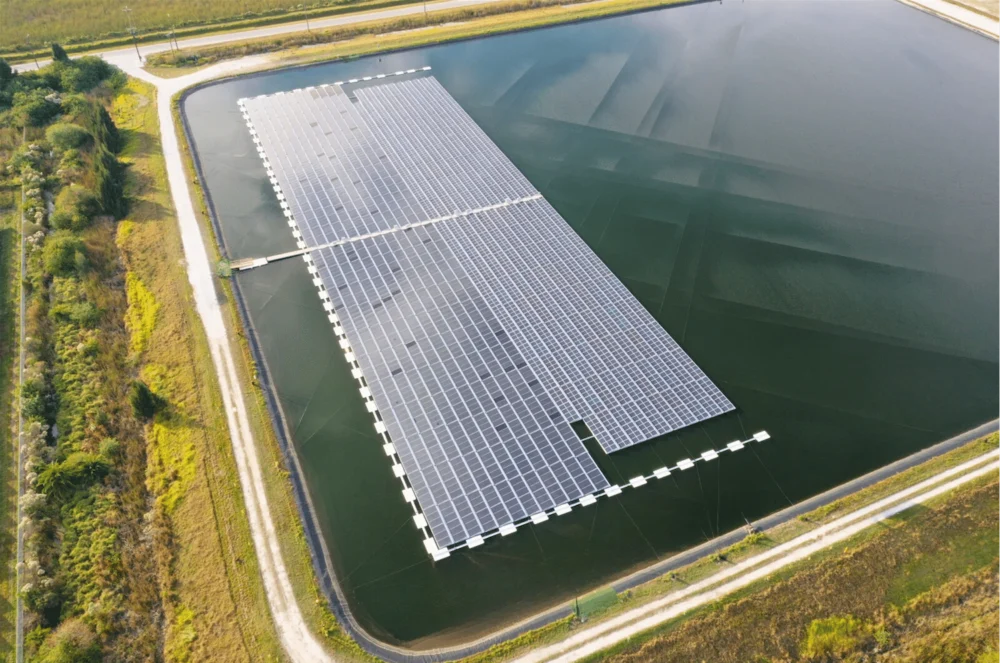
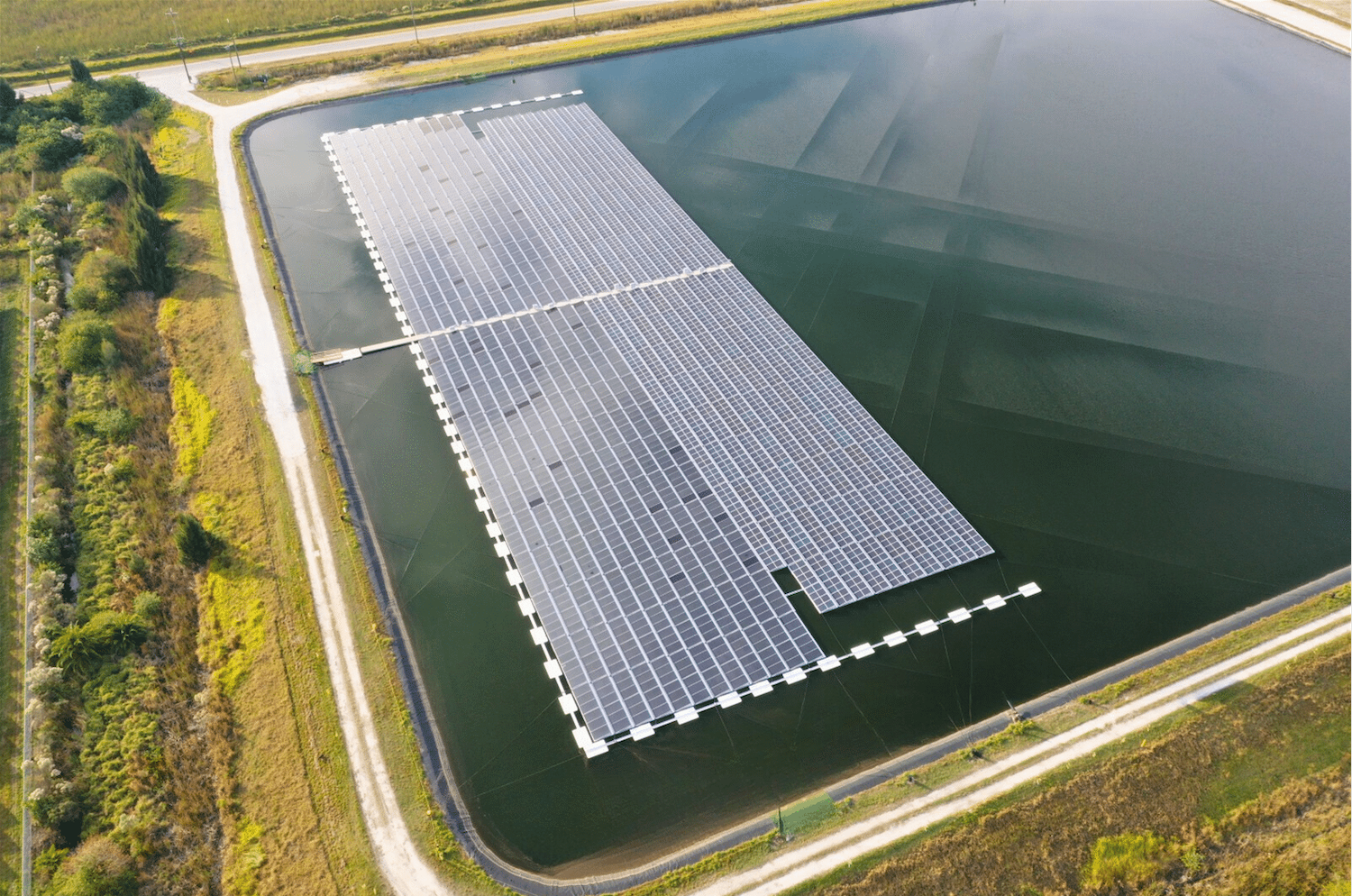
The transition toward a decarbonized power grid in the United States is increasingly moving beyond traditional land-based installations and into the realm of floatovoltaics, or floating solar-photovoltaic (FSPV) systems. This subset of the solar industry involves mounting solar panels on buoyant structures moored on the surface of water bodies, such as reservoirs, industrial ponds, and irrigation canals. As the nation grapples with the competing demands for land—balancing agricultural needs, urban development, and forest conservation—floating solar offers a compelling alternative. However, as the technology matures, researchers and industry leaders are identifying a complex web of ecological considerations, technological innovations, and site-selection strategies that will determine the long-term viability of this energy source.
The fundamental appeal of floating solar lies in its ability to generate clean energy without occupying valuable terrestrial real estate. By utilizing "underused" water surfaces, developers can bypass many of the land-use conflicts that often delay or derail large-scale solar farms. Furthermore, the inherent properties of water provide a natural efficiency boost; the cooling effect of the water beneath the panels helps maintain lower operating temperatures, which can increase the energy conversion efficiency of the photovoltaic cells by as much as 5 to 10 percent compared to land-based arrays.
The Ecological Complexity of Aquatic Solar Siting
Despite the clear logistical advantages, the deployment of floating solar is not a one-size-fits-all solution. The environmental impact of covering large portions of a water body with opaque panels is a subject of intense scientific scrutiny. Recent research suggests that while floating solar can provide benefits—such as reducing water evaporation in drought-prone regions and limiting the sunlight that fuels toxic algae blooms—it can also disrupt the delicate balance of aquatic ecosystems.
A significant study conducted by researchers at Oregon State University highlighted the variability of these impacts. By analyzing 11 different reservoirs across six states, the team, led by Evan Bredeweg, concluded that water conditions and biological responses vary significantly based on geography and reservoir depth. The study noted that "ecology is messy," and the reduction of light penetration can alter water temperature stratification, potentially affecting the oxygen levels required by fish and other aquatic organisms. This research underscores the necessity of site-specific environmental assessments before large-scale deployment.
Simultaneously, avian conservation has emerged as a primary concern. A study from Cornell University focused on 16,000 potential sites along the Atlantic flyway, a major bird migration route stretching from New England to Virginia. The findings, published in early 2026, suggest that larger water bodies with high energy potential may actually pose less risk to bird populations than smaller, more isolated ponds. Steven Grodsky, an assistant professor at Cornell, noted that ecologically informed siting could mitigate risks to water birds—who may mistake solar panels for water surfaces or lose access to foraging grounds—without necessarily sacrificing energy output.
Quantifying the Technical Potential of U.S. Reservoirs
The scale of the opportunity for floating solar in the U.S. is vast. Data from the National Renewable Energy Laboratory (NREL) has provided a roadmap for the industry’s growth. An initial NREL assessment of 24,000 human-made reservoirs across the country suggested that if floating solar were deployed on even a fraction of these surfaces, it could generate approximately 10 percent of the nation’s annual electricity production. To achieve the same output on land, the U.S. would need to dedicate more than 5 million acres of territory.
More recent data focusing specifically on federally owned or regulated reservoirs has further refined these estimates. Researchers found a technical potential of 1,475 terawatt-hours (TWh) of electricity annually. To put this in perspective, this is enough energy to power roughly 100 million American homes. While technical potential does not account for economic or regulatory hurdles, it illustrates a massive, untapped resource that could stabilize the grid as coal and gas plants are retired.
A Chronology of Innovation: From Docks to Clean Energy
The evolution of floating solar in the U.S. is inextricably linked to the maritime and docking industries. The history of the sector began in earnest in 2007 with the launch of AccuDock, a Florida-based company specializing in floating structures. By 2009, the company provided the flotation systems for the nation’s first "floatovoltaic" project: an installation on an irrigation pond at a Napa Valley winery in California. At the time, the project was viewed as a niche application for the agricultural sector, but it proved the durability of the technology in real-world conditions.
By 2020, the potential for scale led to the formation of AccuSolar, a dedicated floating solar firm led by CEO Jason Harrison. Leveraging over a decade of experience in maritime engineering, the company began exploring how to optimize solar structures for water. The industry has since moved from simple static floats to more sophisticated engineering solutions.
"Coming from our background of producing structures that float, we knew we could do better than the early iterations of this technology," Harrison stated in a recent industry discussion. This evolution has led to the exploration of diverse site profiles, including stormwater retention areas and flood-prone zones. In these environments, floats are designed to rest on dry ground during the majority of the year but rise safely when water collects during heavy rainfall, preventing damage to the electrical components while utilizing land that is otherwise unsuitable for permanent structures.
Diversification of Site Selection and Industrial Applications
As the technology proves its resilience, the industry is moving beyond traditional reservoirs and into industrial and residential sectors. In 2024 and 2025, AccuSolar and its partners secured contracts for significant projects at a mining facility in Florida (2.4 megawatts) and a manufacturing plant in Oklahoma (1.8 megawatts). These projects utilize tailings ponds and industrial basins—areas that are often contaminated or otherwise unusable for agriculture or housing—to generate onsite power for heavy industry.
Irrigation canals also represent a major frontier. In states like California and Arizona, covering canals with solar panels serves a dual purpose: generating renewable energy and drastically reducing water loss due to evaporation. This "nexus" of water and energy security is becoming a cornerstone of climate adaptation strategies in the American West.
Furthermore, residential developments with large water features are increasingly looking toward floating solar to offset the energy costs of community infrastructure. By integrating solar into the aesthetic and functional design of man-made lakes, developers can enhance the sustainability profile of new housing projects without sacrificing land intended for parks or homes.
Technological Advancements and Future Outlook
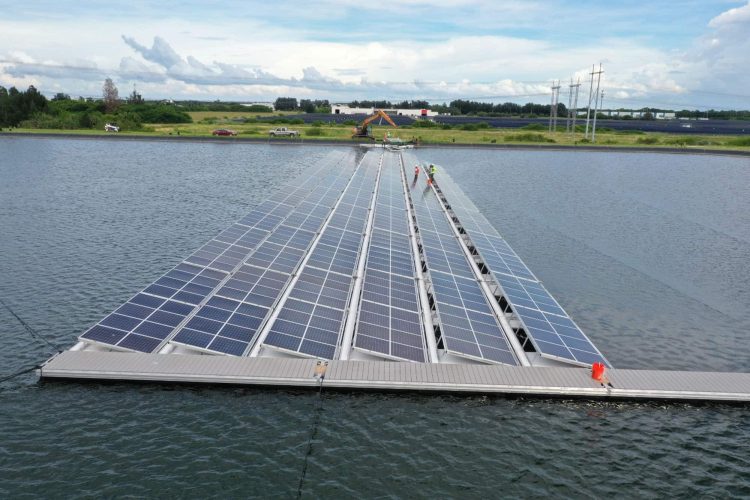
The next phase of the floating solar industry is defined by technological convergence. The industry is currently experimenting with solar trackers—mechanisms that allow panels to tilt and follow the sun’s path throughout the day. While common on land, implementing trackers on water requires advanced mooring and swivel systems to maintain stability against wind and wave action. U.S.-based firms like Noria Energy are currently pilot-testing their "AquaPhi" tracking systems, which aim to increase energy yield by up to 20 percent compared to fixed-tilt floating arrays.
The integration of bifacial solar panels—which harvest sunlight from both the front and the back—is another significant trend. On water, these panels can capture reflected light (albedo) from the water’s surface, further boosting the energy harvest per square meter.
From a policy perspective, the expansion of floating solar is supported by the Inflation Reduction Act (IRA), which provides tax incentives for renewable energy projects, particularly those located in "energy communities" or utilizing domestic content. As the cost of photovoltaic components continues to fall, the primary expense for floating solar remains the specialized racking and flotation systems. However, as domestic manufacturing of these components scales up, the price gap between land-based and floating solar is expected to narrow.
Broader Economic and Grid Implications
The rise of floating solar has significant implications for grid stability and economic development. Because many reservoirs are located near existing hydroelectric dams, floating solar can share the same transmission infrastructure, reducing the need for costly new power lines. This "hybrid" approach—combining solar and hydro—allows for more consistent power delivery; solar generates peak power during the day, while hydro can be ramped up at night or during cloudy periods.
Economically, the growth of the sector is creating a new supply chain involving maritime engineers, plastic manufacturers (for the high-density polyethylene floats), and specialized divers and mooring experts. As global research firms like DataM Intelligence note, the U.S. is currently witnessing a "renewed interest in maximizing reservoir surfaces," positioning the country to become a leader in floating solar innovation alongside pioneers in Asia and Europe.
In conclusion, the trajectory of floating solar in the United States is one of cautious but rapid expansion. By synthesizing ecological research with maritime engineering and data-driven site selection, the industry is addressing the "messy" realities of aquatic biology while unlocking a massive new source of clean energy. As the technology continues to evolve, the ability to turn "unusable" water surfaces into power plants will play a vital role in meeting the nation’s ambitious climate goals and ensuring a resilient energy future.
About the Author