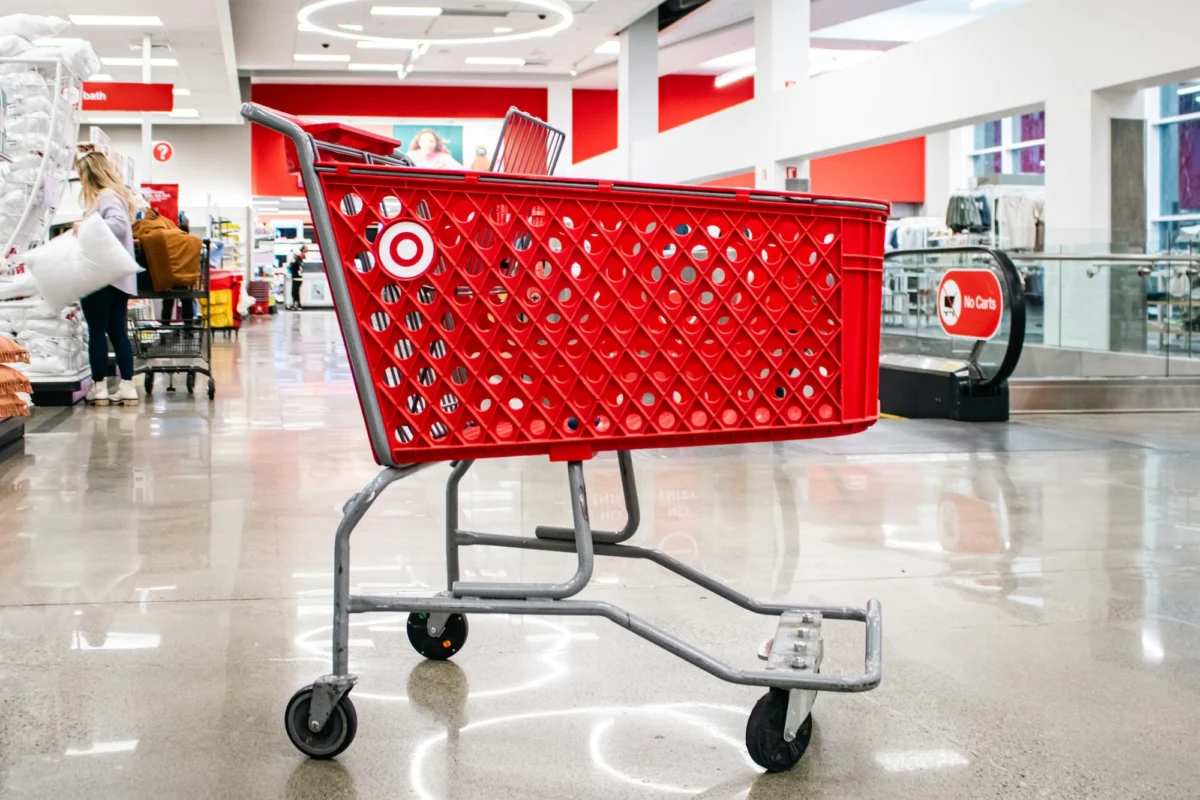
Target Corporation, one of the United States’ largest retail chains, is entering a pivotal transition period in 2026 as it seeks to distance itself from years of stagnant sales and intense cultural scrutiny. Under the leadership of newly appointed CEO Michael Fiddelke, the Minneapolis-based retailer is implementing an aggressive strategy to revitalize its brand image and operational performance. This recovery plan, which emphasizes price reductions and a renewed focus on the in-store shopping experience, comes after a tumultuous period defined by ideological clashes, consumer boycotts from both ends of the political spectrum, and a shifting federal landscape following the re-election of Donald Trump.
The company’s current trajectory is a case study in the complexities of corporate governance in a polarized era. As Fiddelke takes the helm, he faces the daunting task of reconciling Target’s commercial objectives with its previously stated social commitments. The central question remains whether a focus on "commercial culture"—defined by aesthetics and value—can successfully replace the "ethical culture" that once served as a cornerstone of Target’s identity for a significant portion of its customer base.
The Evolution of Target’s Social and Corporate Strategy
To understand Target’s current predicament, one must look back to the social upheaval of 2020. Following the murder of George Floyd by a Minneapolis police officer, Target, whose headquarters are located just miles from the site of the incident, became a central figure in the corporate response to racial injustice. The company was among the first major brands to adopt a staunchly "anti-racist" stance, committing more than $2 billion to support Black-owned businesses and organizations dedicated to racial equity by the end of 2025.
For several years, this commitment was reflected in Target’s merchandising and marketing. The retailer expanded its offerings for Black History Month and Juneteenth and sought to diversify its supplier base. However, these initiatives eventually drew the ire of right-wing activists. By 2023 and 2024, Target found itself caught in a "culture war" that saw conservative commentators and politicians targeting the company for its DEI (Diversity, Equity, and Inclusion) programs and LGBTQ-inclusive merchandise, particularly during Pride Month.
The pressure intensified in the summer of 2024 when other major corporations, such as John Deere and Tractor Supply, began rolling back their DEI policies in response to organized conservative boycotts. Following the November 2024 presidential election, Target joined a growing list of companies, including Walmart and McDonald’s, that publicly distanced themselves from the "DEI" label, citing an "evolving external landscape."
Financial Performance and the Impact of Consumer Boycotts
The ideological shifts within Target’s boardroom have had tangible effects on the company’s bottom line. Historically, consumer boycotts rarely result in long-term revenue loss, but industry analysts suggest that Target’s situation was exacerbated by a decline in the quality of the shopping experience. Reports from the Associated Press and other outlets throughout 2025 noted that many Target locations suffered from messy aisles, lackluster merchandise, and staffing shortages.
The financial data reflects these struggles. In the fiscal quarter spanning November 2025 to January 2026, Target reported a 1.5 percent decline in sales, totaling $30.45 billion. For the full fiscal year of 2025, total sales fell by nearly 2 percent to $104.78 billion. Former CEO Brian Cornell, who transitioned to the role of executive chairman in February 2026, attributed these figures to a combination of factors, including high inflation, the impact of federal tariffs on imported goods, and the lingering effects of organized boycotts.
One of the most significant challenges came from Reverend Jamal Harrison Bryant, the senior pastor of New Birth Missionary Baptist Church. In March 2025, Bryant launched a high-profile boycott targeting Black consumers, urging them to stop shopping at Target in response to the company’s retreat from its DEI commitments. This "counter-boycott" signaled that Target’s attempt to appease conservative critics had alienated its progressive and minority customer bases, leaving the brand caught in a pincer movement of conflicting consumer expectations.
A Chronology of Conflict: 2020 to 2026
The timeline of Target’s recent history illustrates a rapid cycle of commitment, backlash, and retrenchment:
- June 2020: Target pledges to increase its focus on racial equity following the George Floyd protests.
- April 2021: The company announces a $2 billion commitment to Black-owned businesses to be fulfilled by 2025.
- May 2023: Conservative backlash over Pride Month displays leads to the removal of some merchandise and a subsequent drop in stock price.
- Summer 2024: Right-wing activists successfully pressure John Deere and Tractor Supply to drop DEI programs; Target begins a quiet internal review of its own policies.
- November 2024: Following the re-election of Donald Trump, Target and other major retailers publicly disavow formal DEI goals.
- March 2025: Rev. Jamal Harrison Bryant launches a boycott of Target, citing the abandonment of racial equity principles.
- January 2026: Target faces intense local criticism in Minneapolis after federal immigration agents reportedly used store parking lots as staging areas for raids.
- February 2026: Michael Fiddelke officially becomes CEO as Brian Cornell steps down.
- March 2026: Rev. Bryant ends his boycott, while local groups like the Racial Justice Network vow to continue their protests.
The Minneapolis Incident and the Erosion of Local Trust
A critical turning point in Target’s reputational decline occurred in early 2026. In Minneapolis, the Department of Homeland Security (DHS) initiated a series of high-profile immigration enforcement actions. While local businesses in the Twin Cities took public stances to protect their immigrant employees, Target’s response was perceived as passive.
Reports surfaced that federal agents were permitted to use Target’s parking lots to stage raids, a move that local civil rights leaders condemned as a betrayal of the community. Target’s only formal response was a signature on a joint business letter calling for "peace and cooperation." For many observers, this incident underscored the gap between Target’s past rhetoric on social justice and its current operational reality. Nekima Levy Armstrong, founder of the Racial Justice Network, emphasized that the company’s failure to stand by its community in a time of crisis would have long-lasting effects on brand loyalty in its home state.
Strategic Pivot: The Move Toward "Belonging"
In an effort to mitigate the fallout from the DEI controversy, Target has rebranded its internal and external inclusion efforts under the banner of "Belonging." CEO Michael Fiddelke has argued that this shift is not a retreat from values but a refinement of communication. Reverend Bryant, in his announcement ending the boycott in March 2026, stated he was satisfied that the "Belonging" program served the same purpose as DEI, noting that Target had already invested 97 percent of its $2 billion commitment to Black-owned businesses and pledged an additional $100 million.
However, critics argue that the change in terminology is a strategic retreat designed to avoid political "heat" rather than a genuine commitment to social equity. The transition mirrors moves made by other corporations that have sought to maintain diversity programs while stripping away the language that triggers partisan opposition.
Analysis of Implications for the Retail Industry
Target’s struggle to find a middle ground reflects a broader trend in the American corporate landscape. As the 2026 midterm elections approach, the role of corporate social responsibility is being redefined. The "Bud Light effect"—where a brand loses a significant portion of its core audience due to a perceived political stance—remains a cautionary tale for executives.
Target is currently attempting to follow a path similar to Anheuser-Busch, which sought to recover from its 2023 sales slump by pivoting toward non-political, traditional marketing themes like sports and lifestyle. Target’s new collaboration with the brand Roller Rabbit, featuring "upbeat and colorful" spring getaway themes, is a clear attempt to return to the "cheap-chic" aesthetic that originally built the brand’s popularity.
However, the efficacy of this "neutrality" strategy is unproven. Unlike a beverage company, a mass-market retailer like Target relies on a diverse, suburban customer base that often views the store as a reflection of their community values. If Target is perceived as a "corporate coward" by the left and "too woke" by the right, it risks entering a period of permanent brand dilution.
Future Outlook: Can the "Store Experience" Save the Brand?
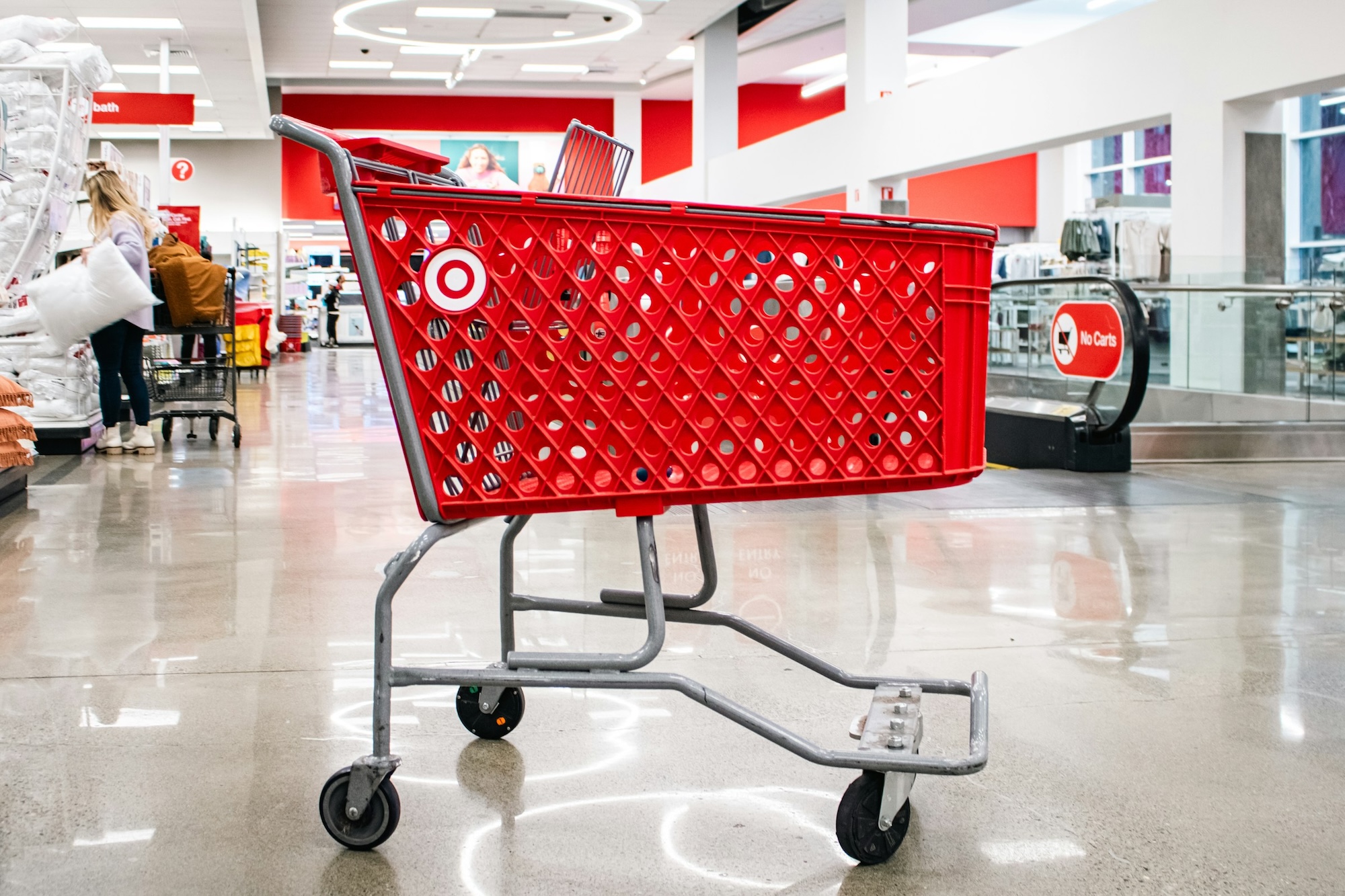
As 2026 progresses, Target’s success will likely depend on its ability to execute its core retail functions. Fiddelke’s focus on price cuts is a direct response to the economic pressures of the current administration’s trade policies and the resulting consumer anxiety. By lowering prices on thousands of everyday items, Target hopes to win back budget-conscious shoppers who may have migrated to competitors like Walmart or Aldi.
Furthermore, the emphasis on a "pleasant in-store environment" is an admission that the company neglected its physical assets during the years of cultural turmoil. If Target can restore its stores to the clean, well-organized, and trend-forward spaces that shoppers once loved, it may be able to transcend the political noise.
Nevertheless, the shadow of the 2026 political cycle looms large. With public opinion polls showing fluctuating support for current federal policies, and with organizations like the Racial Justice Network refusing to end their protests, Target remains on a collision course with the complexities of modern American life. The company’s journey through 2026 will serve as a definitive indicator of whether a major American brand can truly "depoliticize" itself once it has become a symbol of the nation’s cultural divide.
About the Author