Cuba was plunged into a nationwide power outage on March 16, 2026, according to official statements from the national electricity company, UNE (Unión Eléctrica), exacerbating an already severe humanitarian and economic crisis on the island. The blackout, which affected an estimated 11 million residents across all 15 provinces, occurred against a backdrop of escalating tensions with the United States, whose administration has been actively tightening an energy blockade, severely curtailing Cuba’s access to vital oil supplies. The immediate cause of the system-wide collapse was attributed to a fault in the national grid, but authorities were quick to link the fragility of the energy infrastructure to the long-standing and intensified U.S. sanctions regime.
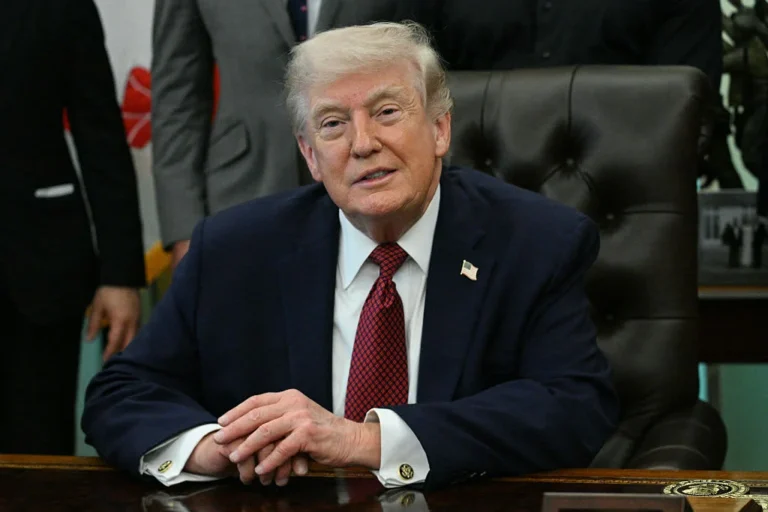
The current White House administration, under President Donald Trump, has significantly ratcheted up pressure on Havana, explicitly aiming to choke off Cuba’s oil supply and openly discussing a "friendly takeover" of the communist-run island. This aggressive posture comes amidst broader U.S. military and diplomatic operations targeting socialist governments in Venezuela and strategic adversaries like Iran, suggesting a concerted effort to reshape geopolitical alignments in the Western Hemisphere and beyond. President Trump’s statements, such as "Whether I free it, take it, I think I can do anything I want with it. They’re a very weakened nation right now," underscore a confrontational approach that has brought Cuba’s already fragile economy to the precipice of collapse. The critical oil shortage has not only crippled the nation’s power generation capabilities but also severely impacted transportation, food production, and public services, pushing the daily lives of Cubans to extreme hardship.
Historical Roots of the US-Cuba Standoff
The current crisis is deeply rooted in over six decades of geopolitical animosity and economic warfare between the United States and Cuba. The saga began decisively with the 1959 Cuban Revolution, which saw Fidel Castro come to power, overthrowing the U.S.-backed Batista dictatorship. Almost immediately, the revolutionary government nationalized American-owned properties and businesses, a move that directly provoked Washington. As Cuba strengthened its ties with the Soviet Union, just 90 miles off the coast of Florida, the U.S. responded with increasing economic isolation. President John F. Kennedy formalized a full economic, commercial, and financial embargo in February 1962, following earlier partial restrictions and the failed Bay of Pigs invasion. This comprehensive embargo, codified into U.S. law, has since become one of the longest-lasting trade restrictions in modern history, severely limiting Cuba’s access to essential supplies, including food, fuel, and consumer goods.
Over the decades, the embargo has been tightened and loosened by various U.S. administrations, often reflecting the prevailing geopolitical climate and domestic political considerations. The collapse of the Soviet Union in 1991 plunged Cuba into a severe economic downturn known as the "Special Period," as the island lost its primary economic benefactor and trading partner. Despite international condemnation and numerous United Nations resolutions calling for its end, the embargo has largely remained in place, deeply shaping Cuba’s economic development and its international relations.
A Brief Thaw: The Obama Era and Renewed Hope (2012-2016)
The stark contrast of the current situation is perhaps best understood by reflecting on a fleeting period of rapprochement that began in the early 2010s. For a brief window, it appeared that the entrenched hostility between Washington and Havana might finally be giving way to normalization. The seeds of this shift were subtly sown during Pope Benedict XVI’s visit to Cuba in March 2012. While ostensibly a religious event, the papal visit was widely interpreted as a subtle signal that Cuba was beginning to open up to the international community. Havana, eager to present a more welcoming image, undertook cosmetic improvements, such as fresh paint along parts of the iconic Malecón, along the pontiff’s expected route. This gesture, however small, hinted at a potential loosening of the long-standing communist grip.
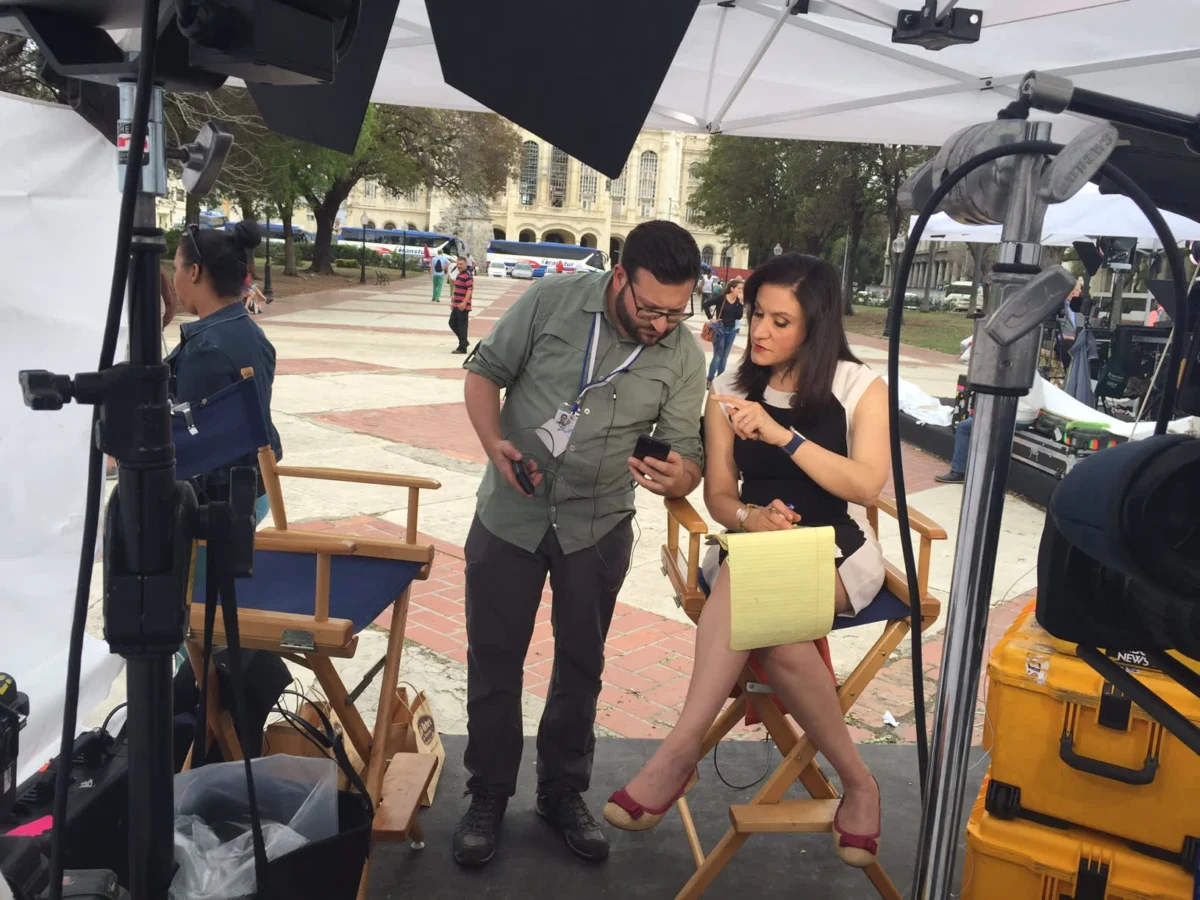
Following the Pope’s visit, a series of cautious steps indicated a willingness by the Cuban government to explore limited economic reforms. In 2013, a small group of international journalists, including a CNBC team, was invited to observe these changes firsthand. Discussions with central bank officials and nascent small business owners revealed an economy attempting to navigate a gradual, albeit cautious, transition. These reforms included allowing more self-employment, expanding the private sector in certain areas, and permitting Cubans to buy and sell homes and cars. Even then, relics of Cuba’s pre-revolutionary American past were evident, such as the town of Hershey, built by Milton Hershey for sugar production, or state-repurposed former Coca-Cola factories and Woolworth’s stores, serving as stark reminders of a different era.
The most significant breakthrough came on December 17, 2014, when U.S. President Barack Obama and Cuban President Raúl Castro simultaneously announced the restoration of full diplomatic relations, a monumental shift after more than five decades of estrangement. This historic declaration led to a flurry of activity. In July 2015, the U.S. embassy in Havana officially reopened, with the Stars and Stripes flag being raised over the building for the first time since 1961. The atmosphere in Havana during this period was described as a mix of palpable excitement and cautious optimism, particularly among younger Cubans who saw the potential for increased opportunities, greater access to the world, and more choices in their daily lives.
President Obama’s historic visit to Cuba in March 2016 further cemented this rapprochement. Travel restrictions for Americans were significantly relaxed, allowing for easier travel under various categories, and limited trade initiatives began to restart. Although the core U.S. embargo, enshrined in law, remained in place, its enforcement softened considerably. The week of Obama’s visit was marked by unprecedented cultural exchanges, including a free concert by The Rolling Stones in Havana and the first Major League Baseball game on the island in years, featuring the Tampa Bay Rays. These events symbolized a thawing of relations and a bridge-building effort through sports and culture.
Commercial ties also began to re-establish. In 2016, Carnival Cruise Line, operating under its Fathom brand, made history by docking in Havana, marking the first U.S. cruise ship visit since 1978. By November of that year, JetBlue had launched direct commercial flights from New York to Havana, drastically reducing travel time and cost for many. For a time, it genuinely felt as if the barriers between the two nations were dissolving in real-time. Yet, even amidst this optimism, a sense of restraint prevailed among many Cubans, tempered by the historical memory of how quickly such hopes could fade. Critics in the U.S. also argued that normalization rewarded the communist government without forcing deeper, meaningful democratic reforms.
The Reversal: Trump Administration’s "Maximum Pressure" (2017-Present)
The momentum towards normalization, however, proved to be fragile and short-lived. The election of Donald Trump in 2016 ushered in a drastic reversal of U.S. policy towards Cuba. Following Fidel Castro’s death in November 2016, which prompted a period of national mourning and quiet reflection across Havana, the political landscape shifted dramatically. Castro’s passing marked the end of an era, symbolizing the revolution itself, and while his brother Raúl had already ceded power, the event cast a pall over the nascent hopes for continued openness.
By November 2017, the Trump administration began systematically dismantling the Obama-era policies. New travel limits were imposed, making it significantly harder for Americans to visit Cuba. Regulations targeting remittances and financial transactions were tightened. The U.S. also withdrew a significant portion of its embassy personnel from Havana, citing unexplained health incidents affecting diplomats, often referred to as "Havana Syndrome," further straining diplomatic channels. The flow of American visitors, which had surged during the thaw, thinned considerably, and many of the commercial ventures that had just begun to establish themselves were forced to retreat or scale back operations.
The current "maximum pressure" campaign escalated significantly in the lead-up to the March 2026 blackout. The administration has explicitly targeted oil shipments to Cuba, sanctioning vessels and companies involved in transporting Venezuelan crude, Cuba’s primary energy source. This strategy, aimed at denying Cuba hard currency and energy, has been devastating. UNE reported that in 2025, oil imports had plummeted by over 40% compared to pre-Obama era levels, forcing the nation to drastically cut fuel consumption. Public transportation has been severely curtailed, factories operate at minimal capacity, and rolling blackouts have become a daily reality, stretching from hours to entire days in various regions, leading up to the catastrophic national grid failure.
Implications and International Reactions
The widespread power cut of March 16, 2026, is more than just a logistical failure; it is a stark symbol of Cuba’s deepening humanitarian crisis and the severe consequences of the U.S. energy blockade. The lack of electricity disrupts essential services, including hospitals, water purification, and communication networks, threatening public health and safety. The economic impact is profound, further strangling an already struggling economy, projected to have contracted by an estimated 7-10% in 2025 alone due to the energy crisis. Small private businesses, a beacon of hope during the Obama years, are now fighting for survival without reliable power or fuel.
Internationally, the U.S. policy has drawn a mix of reactions. While some regional allies quietly support the pressure on Cuba’s communist government, many countries, including Canada, Mexico, and the European Union, have expressed concern over the humanitarian impact of the sanctions and called for diplomatic engagement. Russia and China, traditional allies of Cuba, have condemned the U.S. actions, with Russia potentially exploring options to bypass sanctions and provide energy assistance, as hinted by previous reports of Russian oil tankers heading to the island. The United Nations General Assembly has consistently voted overwhelmingly to condemn the U.S. embargo, reiterating calls for its immediate lifting.
The current trajectory suggests a deepening crisis. Without access to reliable energy, Cuba faces an uphill battle to maintain social stability and economic function. The U.S. administration’s rhetoric of a "friendly takeover" raises concerns about regional stability and adherence to international law. History, in the context of U.S.-Cuba relations, often seems to circle back on itself, with periods of hope quickly giving way to familiar tensions. What comes next for these two neighbors, separated by a mere 90 miles but decades of entrenched animosity, remains unwritten, fraught with uncertainty, and contingent on a complex interplay of internal pressures, international diplomacy, and the shifting tides of geopolitical power.
About the Author