The stakes are astronomically high for any founding team, making conflict not just an inevitability but, when handled constructively, a crucial catalyst for innovation and growth. However, the true bedrock of a company’s culture is forged in the crucible of real-time reactions and interactions, not merely the aspirational values emblazoned on office walls. If junior team members or even seasoned employees witness co-founders or the broader leadership team engaging in heated, unproductive arguments, it invariably erodes trust and fails to cultivate a respectful, growth-minded environment. Such displays can send ripples of uncertainty throughout an organization, undermining morale and psychological safety, and ultimately impeding a startup’s trajectory towards its ambitious goals.
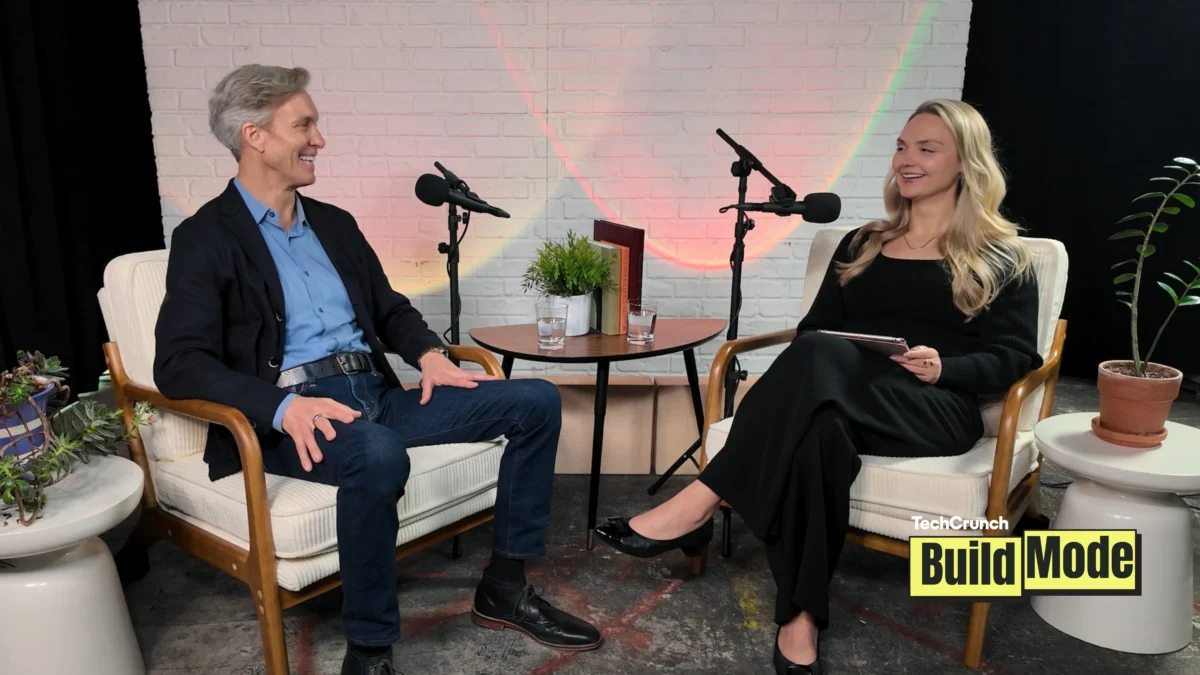
Fortunately, this dynamic is not immutable; it is entirely possible to recalibrate and actively learn healthier ways to navigate disagreements. This critical need for internal development in leadership was a central theme on a recent episode of TechCrunch’s "Build Mode" podcast, where strategic adviser Ian Schmidt of Trimergence, a consultancy renowned for coaching leaders to enhance their effectiveness from the inside out, shared invaluable insights. Schmidt emphasized the imperative for founders and their teams to continuously update their "personal operating systems" – the fundamental ways they think, interact, and lead.
Schmidt articulated this concept vividly, stating, "Businesses have a human operating system, and that human operating system needs an upgrade process over time, just like the product does and your go-to-market strategy." He elaborated on Trimergence’s approach: "So we work with leaders and teams to map their operating system, how they think, how they manage conflict, how they do decision-making, and really provide them with what we call a noise-reduction algorithm." This "noise-reduction algorithm" is not a mystical solution but a structured, actionable framework designed to distill clarity from the chaos of interpersonal friction. It empowers leaders to understand and manage their internal processes, thereby fostering environments where conflict can be transformed from a destructive force into a productive dialogue.
In practical application, this means that founders possess the agency to establish robust frameworks for navigating conflict and managing change from the very inception of their venture, even when the team comprises just two or three individuals. If meticulously crafted and consistently applied, these foundational frameworks are inherently scalable, growing symbiotically with the company. This proactive approach ensures that as the team expands and operational complexities multiply, the mechanisms for healthy conflict resolution remain embedded, providing a stable foundation for sustained growth and innovation.
The Human Operating System: A New Paradigm for Leadership
The concept of a "human operating system" resonates deeply in the fast-paced, high-pressure world of startups. Just as software needs patches, updates, and occasional overhauls to remain efficient and secure, so too do the underlying psychological and behavioral patterns that govern human interaction within a business. For founders, this "operating system" encompasses everything from individual cognitive biases and emotional regulation to communication styles and decision-making processes. Unchecked, an outdated or flawed "human OS" can lead to inefficiencies, misunderstandings, and ultimately, a toxic work environment.
Schmidt’s framework implicitly acknowledges that leaders, despite their vision and technical prowess, are fundamentally human. They bring their past experiences, ingrained habits, and personal triggers into the workplace. Without conscious effort to understand and refine these internal mechanisms, these personal elements can inadvertently sabotage team cohesion and strategic execution. The "noise-reduction algorithm" aims to identify and mitigate these internal "bugs," enabling clearer communication and more rational, less emotionally charged, responses to challenges. This proactive self-improvement is not a luxury but a strategic necessity for enduring success.
Decoding the "Noise-Reduction Algorithm"
The "noise-reduction algorithm" described by Schmidt is a methodology designed to cut through the emotional din and cognitive biases that often cloud judgment during conflict. It’s about developing metacognition – thinking about one’s own thinking – and applying structured approaches to otherwise chaotic human interactions. This involves:
- Self-Awareness: Understanding one’s own triggers, emotional responses, and habitual reactions under stress.
- Empathy: Developing the ability to understand and share the feelings of another, even when in disagreement.
- Structured Communication: Learning techniques for articulating one’s perspective clearly while actively listening to others.
- Process Orientation: Viewing conflict not as an end-state, but as a process that can be managed through defined steps.
By adopting this algorithm, founding teams can move beyond reactive, emotionally charged exchanges to more deliberate, constructive dialogues. This shift is particularly vital in early-stage companies where decisions are often high-stakes and the bonds between co-founders are intensely personal and professional.
Schmidt’s Three-Step Framework for Healthy Conflict
Schmidt offered a pragmatic, three-step framework that any founder, leader, or even individual team member can implement when conflict inevitably arises, transforming potential breakdowns into opportunities for breakthroughs:
Step 1: The Internal 360 – A Pause for Self-Assessment
When a conflict escalates or concludes poorly, the immediate inclination might be to assign blame or rush towards a quick fix. Schmidt advocates for a crucial counter-intuitive first step: pausing to conduct an "internal 360" on what transpired. This involves a rigorous, honest self-audit of one’s own contributions to the negative dynamic. It demands leaders to step back, disengage from the immediate emotional aftermath, and objectively review their actions and reactions.
This internal 360 requires a deep dive into self-reflection. It’s about acknowledging one’s part – perhaps an ill-chosen word, a raised voice, an interruption, or an overly defensive posture. Did you lash out? Did your tone escalate the tension? Did your reaction create an uncomfortable or unproductive atmosphere for the team observing the exchange? The goal here is not self-flagellation but radical self-accountability. By naming what happened from your perspective, and critically, by trying to imagine how your actions might have been perceived and impacted others, you begin to detach from ego and engage with empathy. This introspection lays the groundwork for genuine repair and growth. Without this vital pause and self-assessment, any subsequent attempts at resolution are likely to be superficial and unsustainable, failing to address the root causes of the conflict. This internal work is foundational to demonstrating integrity and a commitment to improvement to the wider team.
Step 2: Identifying Patterns – Beyond the Immediate Incident
Seldom is a heated conflict a truly isolated event. Schmidt emphasizes the importance of connecting the immediate incident to broader behavioral patterns. This step shifts the focus from the "what" of the conflict to the "why" – delving into the underlying triggers, habits, and unresolved issues that contribute to recurring disagreements.
"How does this relate to something that I know about myself? Oh, my partner tells me this all the time, or I’ve seen this over time growing up, or I’ve received this feedback before. So you have both the situation and the pattern," Schmidt explained. This level of self-awareness is transformative. It involves recognizing personal "hot buttons," habitual defensive mechanisms, or ingrained communication styles that might be detrimental. Perhaps there’s a recurring pattern of avoidance, or a tendency to dominate conversations, or a susceptibility to perceived criticism. By identifying these patterns, individuals can begin to understand the deeper roots of their reactions and behaviors during conflict. This insight moves beyond merely resolving a single dispute to addressing the systemic personal issues that fuel repeated friction. This step is critical for sustainable change, as it enables individuals to work on fundamental behavioral adjustments rather than just patching over symptoms. Recognizing these patterns also allows for anticipatory strategies, where individuals can proactively manage situations that historically lead to conflict.
Step 3: Interpersonal Repair – Rebuilding Trust and Recalibrating
Following rigorous self-reflection and pattern identification, the final and perhaps most crucial step is to engage in interpersonal repair with those who were impacted. This is where the internal work translates into external action, fostering healing and rebuilding trust within the team.
In this conversation, authenticity and vulnerability are paramount. Schmidt advises initiating the dialogue by stating what you believe happened and how you imagine it might have impacted them, explicitly owning your part in the situation. Phrases like, "I realized during our discussion yesterday that I interrupted you frequently, and I imagine that might have felt dismissive," or "I noticed my voice got louder, and I’m reflecting on how that might have created an intimidating atmosphere," demonstrate ownership without shifting blame. Crucially, this must be followed by an open-ended question: "How did that land for you?" or "What was your experience of that moment?" The emphasis here is on active listening, being genuinely open to receiving their experience and feedback without defensiveness or immediate justification. This conversation is not about defending your actions but about understanding their perception and validating their feelings. This openness and ownership create a safe space for dialogue, leading to a recalibration of the relationship. It signals a commitment to growth and respect, which, in turn, cultivates deeper trust on the team and fosters an environment where future conflicts can be approached with greater psychological safety and constructiveness. This process of repair is not just about apologizing; it’s about demonstrating a commitment to change and fostering a more resilient and cohesive team dynamic.
The Broader Impact: Culture, Retention, and Investor Confidence
The ramifications of a leadership team’s ability to navigate conflict extend far beyond individual interactions, profoundly shaping the entire organizational culture. When founders model healthy conflict resolution – demonstrating vulnerability, accountability, and a commitment to repair – they create a ripple effect. Employees observe these behaviors and are more likely to adopt similar constructive approaches, fostering a culture of psychological safety where team members feel secure enough to voice dissenting opinions, take risks, and admit mistakes without fear of retribution. This, in turn, fuels innovation and problem-solving, as diverse perspectives are welcomed and thoroughly explored.
Conversely, a leadership team prone to unproductive, destructive conflict can breed a culture of fear, silence, and disengagement. Employees may become hesitant to speak up, leading to missed opportunities, unresolved issues, and a general stagnation of creativity. This toxic environment significantly impacts talent attraction and retention. Top talent, especially in competitive tech markets, is increasingly seeking workplaces that prioritize respect, open communication, and personal growth. Startups with a reputation for internal discord will struggle to attract and retain the brightest minds, further hindering their potential.
From an investor’s perspective, a founding team’s ability to manage conflict is often a critical due diligence item. Venture capitalists understand that startup journeys are fraught with challenges, and internal friction can be as lethal as market failure. A team that demonstrates maturity in conflict resolution signals resilience, adaptability, and a strong likelihood of executing effectively through adversity. Investors are not just backing ideas; they are backing people. A cohesive, emotionally intelligent founding team that can navigate disagreements effectively is a far more attractive and lower-risk investment.
The Cost of Unmanaged Conflict: Startup Failure Statistics
The devastating impact of unmanaged co-founder conflict on startup viability is well-documented. Studies and post-mortems of failed startups frequently cite internal team issues as a significant contributing factor, often ranking alongside market fit and funding challenges. For instance, data from CB Insights on startup failure post-mortems consistently highlights "not the right team" or "co-founder disputes" as a top reason for collapse, often accounting for 10-15% of failures. A 2016 study by Noam Wasserman, author of "The Founder’s Dilemmas," found that 65% of high-potential startups fail due to co-founder conflict. These conflicts can manifest in disagreements over vision, equity splits, operational control, or even personal values, and if left unaddressed, they can paralyze decision-making, erode trust, and ultimately lead to the dissolution of the company. The financial and emotional toll of such failures is immense, underscoring the critical importance of proactive conflict management strategies.
Psychological Safety: The Foundation for Growth
The framework presented by Ian Schmidt directly contributes to building psychological safety within an organization, a concept famously highlighted by Google’s Project Aristotle research as the most crucial factor for team effectiveness. Psychological safety is the shared belief held by members of a team that the team is safe for interpersonal risk-taking. It’s about feeling comfortable enough to speak up, ask "dumb" questions, admit mistakes, or offer creative ideas without fear of embarrassment, rejection, or punishment.
When leaders engage in the "internal 360," identify their patterns, and then transparently engage in "interpersonal repair," they are actively modeling and reinforcing psychological safety. They are demonstrating that it is acceptable to be imperfect, to make mistakes, and, most importantly, to learn and grow from them. This creates a virtuous cycle: as psychological safety increases, team members become more willing to engage in constructive conflict, knowing that disagreements will be handled respectfully and lead to positive outcomes rather than personal attacks or unresolved resentment. This environment is not only more pleasant to work in but also significantly more innovative and resilient, capable of tackling complex problems with collective intelligence.
TechCrunch’s "Build Mode" Podcast: A Platform for Founder Development
The insights shared by Ian Schmidt on "Build Mode," hosted by Isabelle Johannessen and produced by Maggie Nye, exemplify TechCrunch’s commitment to providing actionable, practical advice for founders navigating the myriad challenges of building a startup. The podcast serves as a vital resource, bringing together industry experts and successful entrepreneurs to discuss topics ranging from product development and go-to-market strategies to the crucial, yet often overlooked, aspects of leadership and team dynamics. By focusing on the "human operating system" and conflict resolution, "Build Mode" reinforces the understanding that a startup’s success is not solely dependent on technological prowess or market timing, but fundamentally on the strength and resilience of its human capital.
For founders seeking to apply these principles and further enhance their team’s capabilities, TechCrunch offers additional opportunities for engagement and learning.
Upcoming Events and Resources for Founders
Founders are encouraged to delve deeper into these and other tactical pieces of advice by listening to the full episode of "Build Mode." The podcast, part of TechCrunch’s broader ecosystem, aims to empower the next generation of innovators.
For early-stage companies with a Minimum Viable Product (MVP), the prestigious Startup Battlefield offers an unparalleled platform. Founders can apply to pitch their ventures to a panel of top-tier investors and global media, with a chance to win significant funding and gain invaluable exposure. Those interested should apply via techcrunch.com/apply and mention "Build Mode" podcast to ensure their application stands out.
Additionally, mark your calendars for TechCrunch Disrupt 2026, scheduled for October 13-15 in San Francisco. This flagship event brings together thousands of founders, venture capitalists, and tech enthusiasts. It’s the stage where the Startup Battlefield 200 will showcase their innovations, providing an unparalleled networking and learning experience. To be part of this vibrant community and witness the future of tech unfold, tickets are available at techcrunch.com/events/tc-disrupt-2026. Attendees can use the exclusive code buildmode15 for a 15% discount on any ticket type, making this essential event more accessible for founders committed to continuous learning and growth.
In conclusion, the journey of building a startup is inherently fraught with challenges, and conflict is an unavoidable part of that landscape. However, by embracing frameworks like Ian Schmidt’s "noise-reduction algorithm" and committing to continuous upgrades of their "human operating system," founding teams can transform conflict from a potential harbinger of failure into a powerful engine for innovation, trust, and sustainable growth. This proactive approach to interpersonal dynamics is not just good practice; it is a critical competitive advantage in the relentless pursuit of startup success.
About the Author