California has officially implemented a significant pay increase for incarcerated firefighters, raising their hourly wage to the federal minimum of $7.25 during active emergency responses. The move, codified under Assembly Bill 247 (AB 247), marks a pivotal shift in the state’s century-old Conservation Camp Program, which has long relied on prison labor to combat increasingly devastating wildfire seasons. While the legislation represents a victory for labor advocates and incarcerated individuals, it is being characterized by many as a "bittersweet" milestone in a much larger struggle for equitable working conditions and post-release career opportunities.
For decades, the state of California has utilized incarcerated crews to provide the physical backbone of its wildfire suppression efforts. In 2024, these crews were responsible for a record-breaking 42 percent of the state’s total emergency response hours, according to data from the California Department of Corrections and Rehabilitation (CDCR). Despite the high-risk nature of the work, the financial compensation remained stagnated for years at levels far below any standard minimum wage. Until the passage of AB 247, incarcerated wildland firefighters typically earned between $5.80 and $10.24 per day for training and camp maintenance. During active fire suppression on the front lines, they received a supplemental $1 per hour.
The Evolution of California’s Conservation Camp Program
The history of incarcerated labor in California’s forests dates back to 1915, when the first "highway camps" were established to provide labor for road construction. By the 1940s, the focus shifted toward fire prevention and suppression as the state recognized the need for a mobile, cost-effective force to protect its vast timber resources. Today, the CDCR, in partnership with the California Department of Forestry and Fire Protection (CAL FIRE) and the Los Angeles County Fire Department, operates dozens of conservation camps across the state.
These camps are designed for "low-custody" individuals—those who have demonstrated good behavior and do not have convictions for arson or sexual offenses. The program has historically been framed as a rehabilitative tool, offering incarcerated individuals a sense of purpose, discipline, and a way to serve the community. However, as the climate crisis has exacerbated the frequency and intensity of wildfires, the reliance on these crews has shifted from a supplemental resource to a critical necessity.
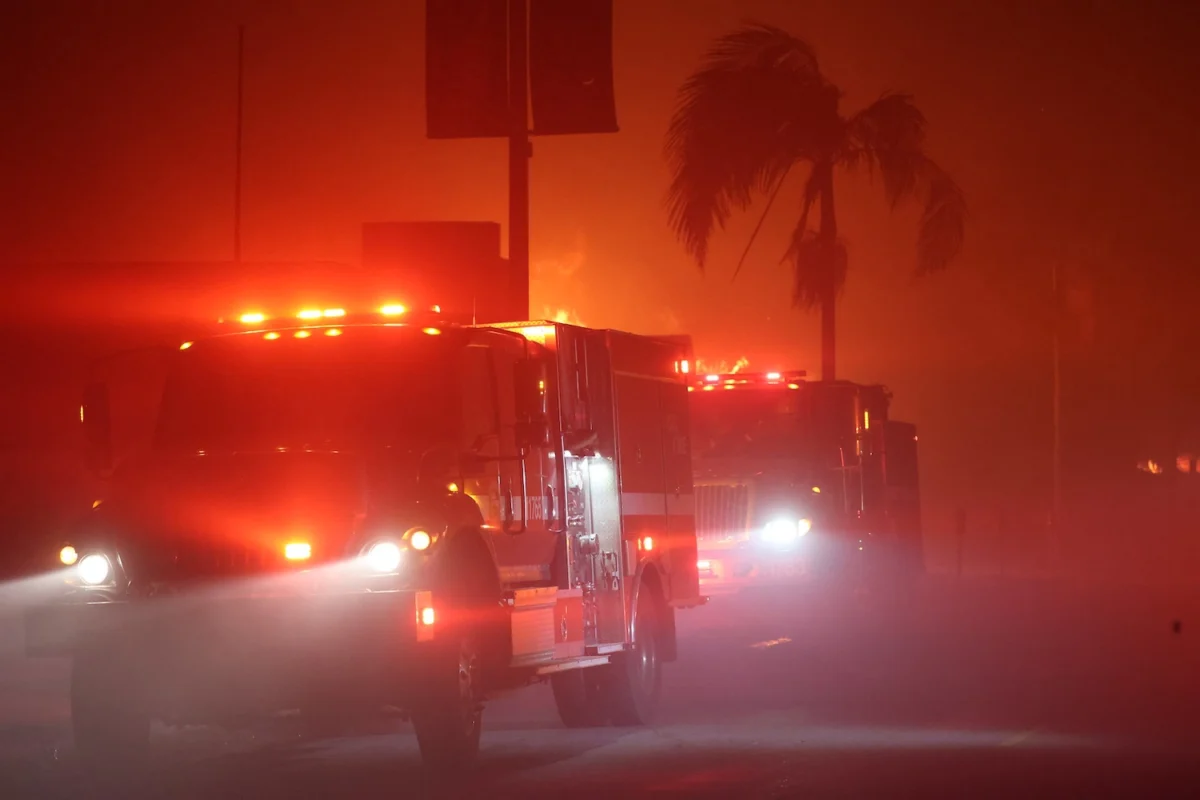
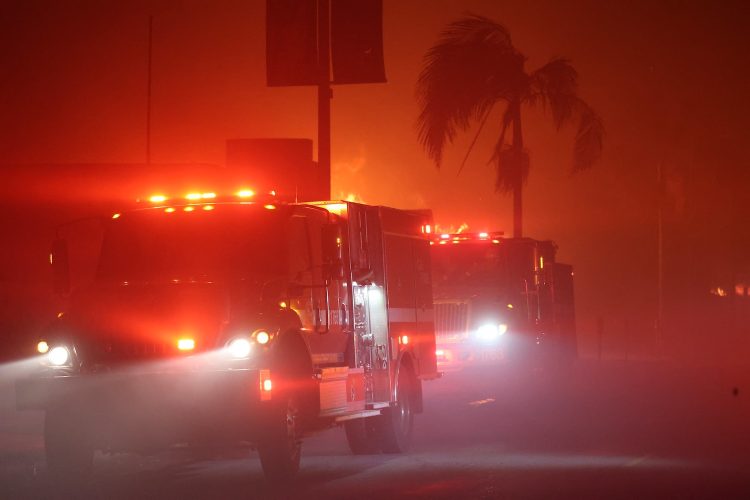
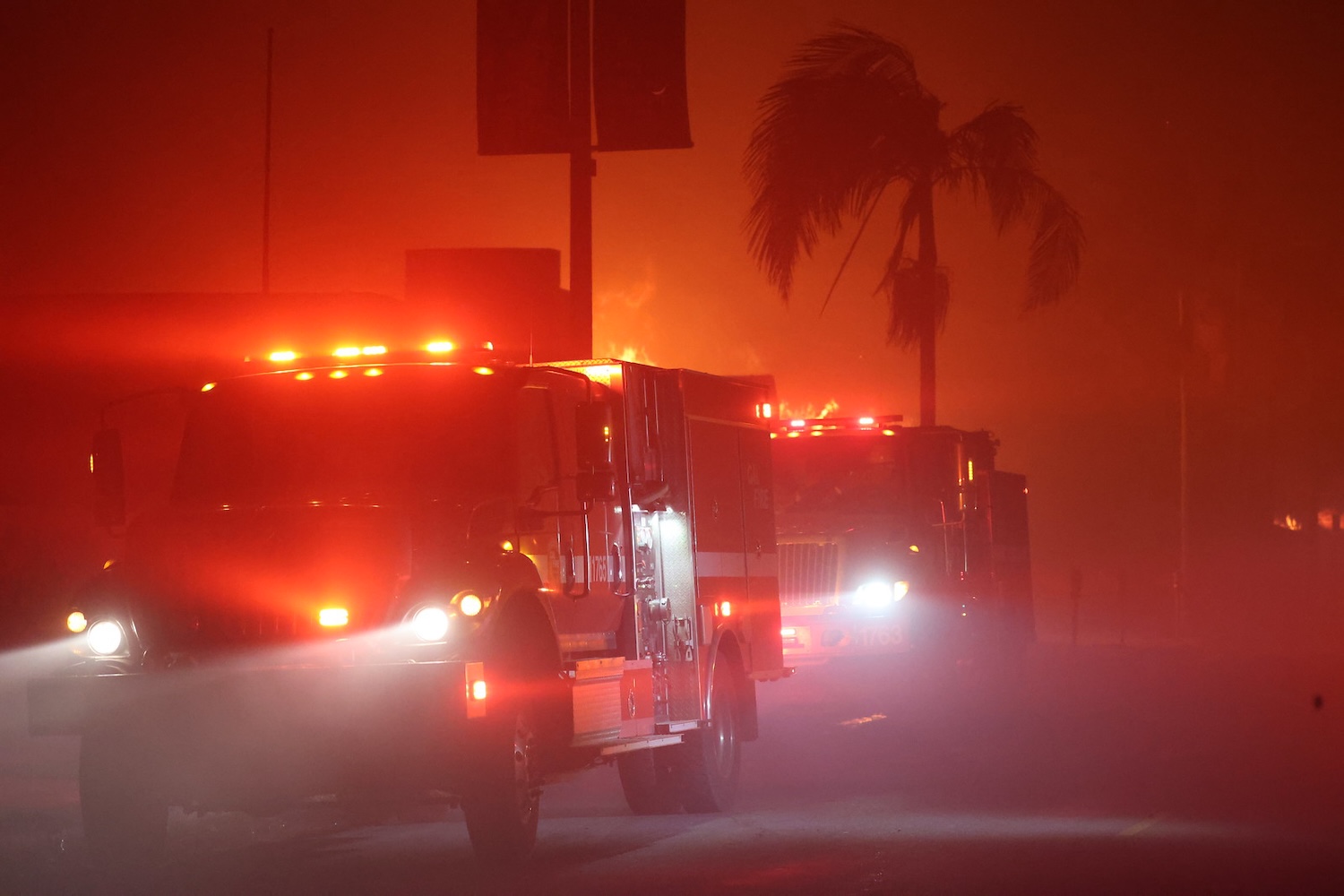
The 2025 wildfire season served as a stark reminder of this dependency. Massive blazes, including the catastrophic Palisades Fire in Los Angeles, required an unprecedented mobilization of resources. During these periods of crisis, incarcerated crews often work 24-hour shifts in grueling conditions, performing "mop-up" operations and cutting fire lines—tasks that are essential for containment but involve significant physical peril.
Legislative Milestones: The Path to AB 247
The push for fair compensation gained significant momentum in recent years as public awareness of the program’s labor conditions grew. Assembly Member Isaac Bryan, a Democrat representing Culver City, emerged as a primary advocate for reform. Bryan’s initial proposal was far more ambitious than the final version of AB 247; he originally pushed for incarcerated firefighters to receive $19 per hour, matching the entry-level pay for professional CAL FIRE firefighters.
The legislative journey of AB 247 was marked by intense negotiations regarding the state’s budget and the fiscal implications of such a pay hike. Supporters of the bill, including the Center for Employment Opportunities (CEO), various labor unions, and high-profile celebrities, argued that the state was effectively exploiting a vulnerable population to save billions of dollars in labor costs. They contended that if the state were to replace incarcerated crews with professional firefighters, the budgetary impact would be astronomical.
While the compromise to the federal minimum wage of $7.25 per hour was lower than advocates hoped, Bryan described the signing of the bill by the governor as a "momentous achievement." He noted that the law serves as a formal recognition of the dignity of labor and the inherent value of those who risk their lives for the public good, regardless of their legal status.
The Human Cost and the "Paper Ceiling"
Beyond the issue of hourly wages, the conversation surrounding incarcerated firefighters involves complex questions of health, safety, and long-term economic mobility. A 2025 investigation by Georgetown Law highlighted the systemic disparities between incarcerated crews and their professional counterparts. Incarcerated firefighters do not receive pensions, standard health benefits, or life insurance. Furthermore, they are statistically more likely to suffer injuries on the fire line and often face limited access to specialized medical treatment following such incidents.
Sergio Maldonado, a formerly incarcerated firefighter who now advocates for the Center for Employment Opportunities, has been vocal about both the pride and the pain associated with the role. Maldonado, who sustained injuries while fighting fires during his sentence, emphasizes that the experience provided him with a sense of accomplishment that traditional incarceration could not. However, he maintains that the current system often fails to support these individuals once their sentences are served.
One of the most significant hurdles for formerly incarcerated firefighters is the "paper ceiling"—the legal and administrative barriers that prevent them from securing professional firefighting jobs after release. In 2021, California implemented AB 2147, a law designed to allow former fire camp participants to petition the court to have their records expunged. The intent was to clear the path for these individuals to obtain Emergency Medical Technician (EMT) certification, a prerequisite for most professional firefighting positions.
However, the implementation of AB 2147 has been fraught with challenges. Simone Price, director of organizing for the Center for Employment Opportunities, points out that the expungement process is not seamless and only applies to those who served at the state level. "Unfortunately, most of these jobs are at the county level," Price noted, explaining that county-level fire departments often have different hiring criteria and may still be hesitant to hire individuals with criminal records, regardless of their experience on the fire line.
Economic and Social Implications of Pay Reform
The increase to $7.25 per hour, while still below California’s state minimum wage of $16, has tangible benefits for incarcerated individuals and their families. Higher earnings allow those in the fire camps to pay off court-ordered restitution more quickly and provide financial support to their families while they are away. Perhaps most importantly, it allows them to build a small "nest egg" for their eventual reentry into society.
Economic studies on recidivism consistently show that financial stability is one of the single most important factors in preventing a return to prison. By earning a more substantial wage, incarcerated firefighters are better positioned to secure housing and transportation upon release, reducing the likelihood of falling back into the cycles of poverty and crime.
Furthermore, the shift in pay policy reflects a changing social consciousness regarding the "13th Amendment exception," which allows for involuntary servitude as punishment for a crime. While the fire camp program is voluntary, the extremely low pay has long been criticized as a modern-day vestige of that exception. By moving toward standard minimum wage protections, California is signaling a gradual shift toward a labor model based on rehabilitation and fair exchange rather than exploitation.
Looking Ahead: The Future of Firefighting Labor
As California prepares for future wildfire seasons that experts predict will only grow in severity due to climate change, the sustainability of the Conservation Camp Program remains under scrutiny. The state faces a dual challenge: the need for a massive, ready-to-deploy workforce and the ethical obligation to treat that workforce with dignity.
Advocates like Price and Maldonado argue that the fight is far from over. Future goals for reform include expanding the scope of AB 2147 to cover county-level participants, streamlining the EMT certification process for formerly incarcerated individuals, and eventually raising wages to match the state’s standard minimum.
The increase to $7.25 per hour is a foundational step, but it also highlights the work remaining to be done. The "bittersweet" nature of the victory lies in the acknowledgment that while the state has finally moved the needle on compensation, the individuals who protect California’s homes and forests still operate in a system that often treats them as second-class citizens. For now, the implementation of AB 247 stands as a testament to the persistence of labor advocates and a recognition that even behind prison walls, the labor of saving lives holds intrinsic, measurable value.
About the Author