Oil tankers and commercial vessels are maintaining extreme caution regarding transit through the Strait of Hormuz, despite a declaration by Iran last Friday, April 17, 2026, that the vital maritime artery was open to commercial shipping. This conflicting reality on the ground, captured in video footage showing vessels hesitating or turning back, has fueled significant market confusion and amplified concerns over the stability of global energy supplies. The initial announcement from Tehran triggered a sharp downturn in global oil futures, with markets interpreting it as a major breakthrough in easing massive disruptions. However, subsequent clarifications and ongoing geopolitical realities have cast a long shadow over this fleeting optimism, leading analysts to describe the situation as a "false dawn" for international shipping.
The immediate market reaction to Iran’s announcement was dramatic. Oil futures contracts tumbled on Friday, April 17, as traders reacted to what they hoped would be an immediate resolution to weeks of supply uncertainty. The U.S. benchmark, West Texas Intermediate (WTI) crude, settled down a significant 12% at $83.85 per barrel. Simultaneously, Brent crude futures, the international benchmark, finished the day down 9%. This sharp decline underscored the market’s sensitivity to supply disruptions originating from the Persian Gulf and its eagerness for any sign of de-escalation. The potential re-opening of the strait, through which approximately one-fifth of the world’s total oil consumption and a substantial portion of liquefied natural gas (LNG) transits daily, represented a potential easing of the immense pressure on global energy security.
However, the initial relief proved short-lived, quickly giving way to renewed uncertainty as conflicting statements emerged from Iranian officials and a firm reiteration of the U.S. naval blockade from President Donald Trump. Iran’s Foreign Minister Seyed Abbas Araghchi initially took to social media to announce that the strait was "completely open" for the duration of a ceasefire agreed upon with the U.S. and Israel. This statement, widely reported, was the primary catalyst for the market’s positive reaction. Yet, almost concurrently, Iranian media outlets aligned with the Revolutionary Guard issued their own set of conditions for safe passage through the strait. These conditions, which included requirements for commercial ships to follow specific routes designated by Tehran and coordinate closely with its military, and a prohibition against vessels or cargoes linked to "hostile nations," closely resembled the stringent rules that Iran had imposed for weeks prior to the alleged "opening." This glaring discrepancy immediately sowed doubt among maritime operators and international observers.
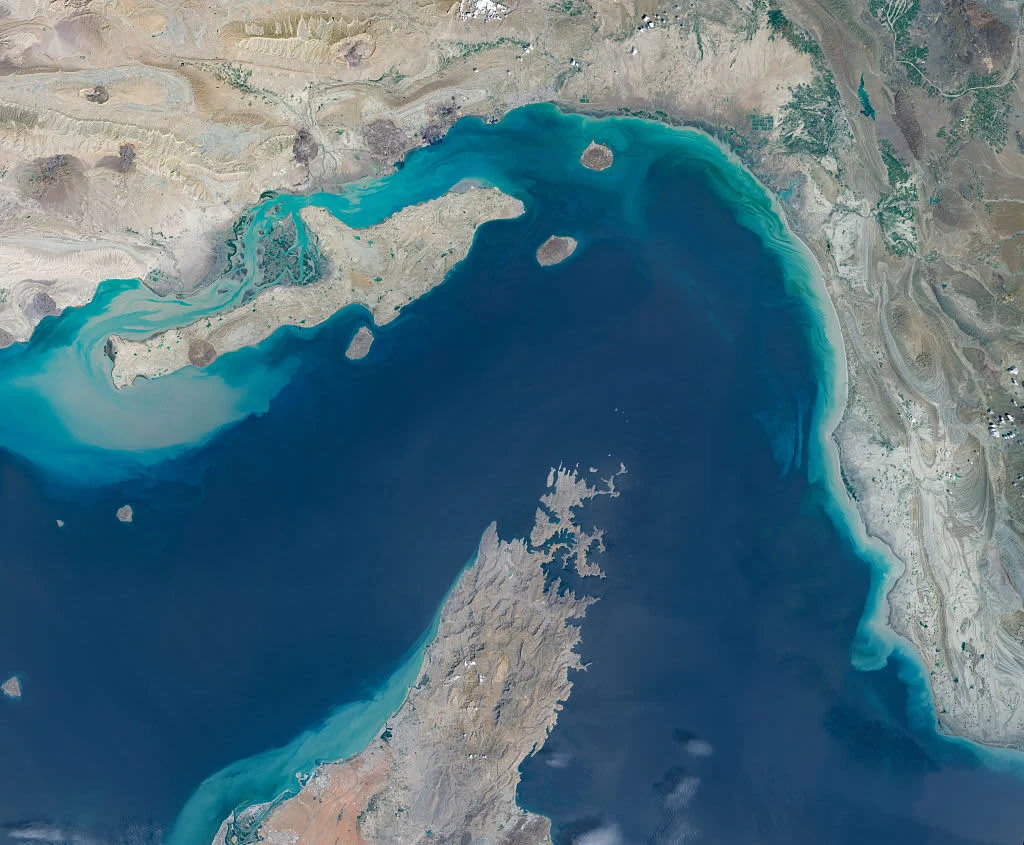
The practical implications of these conflicting signals were evident almost immediately. According to Matt Smith, director of commodity research at Kpler, a number of tankers and cargo ships attempted to exit the strait on Friday, utilizing a route around Larak Island designated by Iran. However, these vessels suddenly turned back, clearly indicating that they had not been granted approval to pass through. Smith noted, "They’ve clearly not been given approval to pass through." This on-the-ground reality directly contradicted the Foreign Minister’s declaration, reinforcing the perception that the strait remained effectively closed for unrestricted commercial transit. Tomer Raanan, a maritime risk analyst at Lloyd’s List Intelligence, echoed this sentiment, stating that it was "unclear whether there’s a dramatic change here," and highlighting that "Iran still wants ships to transit through its territorial waters," suggesting a continued assertion of control rather than a genuine return to international norms.
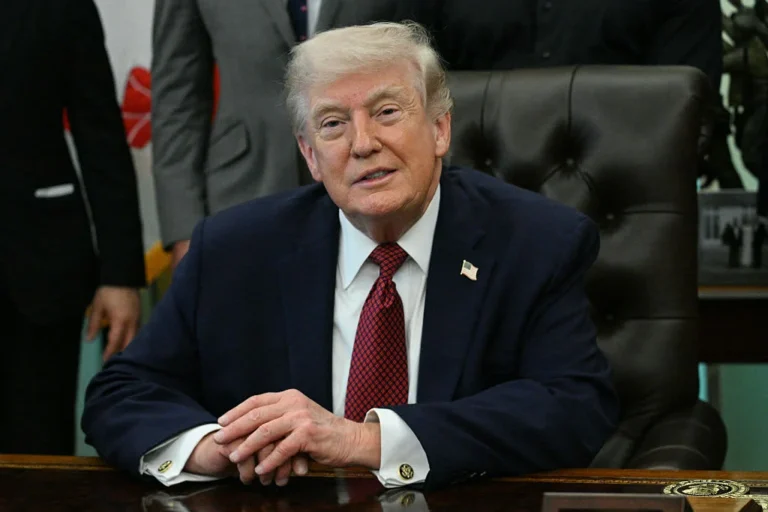
Further complicating the situation, President Donald Trump unequivocally stated that the U.S. naval blockade of Iran remained firmly in place. This declaration directly challenged Iran’s long-standing threat to close the strait if the blockade were not lifted. The U.S. blockade, implemented as part of a broader "maximum pressure" campaign, aims to restrict Iran’s oil exports and financial transactions. The continued existence of this blockade means that even if Iran technically declares the strait open, the presence of U.S. naval assets and the broader geopolitical tensions create an environment of extreme risk for commercial shipping. Matthew Wright, a senior freight analyst at Kpler, succinctly summarized the prevailing sentiment, stating, "This all means that the strait remains functionally closed. It is a false dawn."
The Strategic Importance of the Strait of Hormuz
To fully grasp the magnitude of this situation, it is crucial to understand the unparalleled strategic importance of the Strait of Hormuz. This narrow waterway, connecting the Persian Gulf with the Arabian Sea and the open ocean, is arguably the world’s most critical chokepoint for oil transit. Approximately 21 million barrels per day (bpd) of crude oil, condensate, and petroleum products flowed through the strait in the preceding year, representing roughly 21% of global petroleum liquids consumption. Key oil producers like Saudi Arabia, Iran, Iraq, Kuwait, Qatar, and the United Arab Emirates rely heavily on the Strait for their exports. Moreover, nearly all of Qatar’s LNG exports, a significant portion of global supply, also transit through this route. Any disruption, perceived or actual, sends immediate ripples across global energy markets, impacting prices, supply chains, and the economies of importing nations worldwide. The geopolitical sensitivity of the region, coupled with the Strait’s geographical constraints (it is only 21 nautical miles wide at its narrowest point, with the shipping lane itself only two miles wide in each direction), makes it a perennial flashpoint for international tensions.
A Chronology of Escalation and Confusion
The current crisis is not an isolated event but rather the culmination of weeks of escalating tensions and threats.

- Early April 2026: Reports begin to emerge of increased naval activity in the Persian Gulf and Strait of Hormuz. Iran issues initial warnings regarding its sovereign waters and threatens to close the Strait in response to what it perceives as aggressive U.S. and Israeli actions, including the ongoing U.S. blockade.
- Mid-April 2026: Several incidents involving commercial vessels are reported, including alleged close encounters with Iranian Revolutionary Guard Corps (IRGC) vessels and unsubstantiated claims of mine threats. Major shipping companies begin to reroute vessels or issue advisories for extreme caution, leading to significant delays and increased insurance premiums.
- April 15-16, 2026: Intensive diplomatic efforts lead to a fragile ceasefire agreement between the U.S., Israel, and Iran, primarily aimed at de-escalating broader regional conflicts, including those in Lebanon. This agreement seemingly opens a window for discussions regarding maritime transit.
- Friday, April 17, 2026 (Morning): Iran’s Foreign Minister Seyed Abbas Araghchi announces via social media that the Strait of Hormuz is "completely open" for commercial ships, linking the decision to the broader ceasefire agreement.
- Friday, April 17, 2026 (Mid-day): Global oil markets react sharply, with WTI and Brent crude futures falling significantly on hopes of restored supply.
- Friday, April 17, 2026 (Afternoon): Iranian media outlets affiliated with the Revolutionary Guard issue conditions for passage, contradicting the Foreign Minister’s broad statement. These conditions include specific routes, military coordination, and restrictions on vessels linked to "hostile nations." Simultaneously, reports from commodity research firms like Kpler confirm that multiple tankers attempting transit have been turned back.
- Friday, April 17, 2026 (Evening): President Donald Trump reiterates that the U.S. naval blockade of Iran remains in effect, further undermining the notion of an open strait. BIMCO, the world’s largest shipping association, advises vessels to continue avoiding the strait due to the threat of mines and the overall lack of safety declaration.
International Reaction and Safety Warnings
The world’s largest shipping association, BIMCO, swiftly issued a stern advisory to its members on Friday, urging vessels to continue avoiding the Strait of Hormuz. Jakob Larsen, BIMCO’s chief security officer, explicitly stated that the area was "not declared safe for transit at this point" due to the persistent threat of mines and the overall volatile security situation. This warning from a highly influential industry body underscores the severity of the situation and the practical risks involved for commercial shipping. Beyond BIMCO, other international maritime organizations and national shipping authorities have either issued similar warnings or advised extreme caution, emphasizing that the burden of ensuring safe passage rests squarely with individual vessel operators. The heightened risk environment has also led to a significant surge in insurance premiums for voyages through the Persian Gulf, further adding to the operational costs for shipping companies and, ultimately, impacting the final cost of goods.
Economic Fallout: A Looming Supply Crunch
The diplomatic overtures, while capable of temporarily soothing the oil futures market, are proving incapable of resolving the fundamental physical disruption to global energy supplies. The continued functional closure of the Strait of Hormuz means that the disruption will only worsen with each passing day. The initial wave of oil and product tankers that departed the Persian Gulf before the strait’s effective closure has now largely completed their weekslong journeys to destinations in Asia, Europe, and North America. One of the final shipments, an Iraqi crude tanker, is anticipated to arrive in Long Beach, California, next week, marking the end of the pre-crisis pipeline.
As these final shipments arrive, the "dominoes will now start to fall," according to Matt Smith of Kpler. Refineries in Asia, which are overwhelmingly dependent on Middle Eastern crude oil for their operations, will be forced to confront severe supply shortfalls. Many Asian refineries are configured specifically to process the heavier crude grades typically sourced from the Persian Gulf. With these supplies interrupted, they will face difficult choices: either significantly cut their output, seek more expensive and logistically challenging alternative crude sources from further afield (e.g., West Africa, Latin America, or the U.S.), or operate at reduced capacity. This ripple effect extends far beyond crude oil. Countries that import refined products such as jet fuel, gasoline, and diesel from these Asian refineries will potentially face acute supply shortfalls themselves. "The supply crunch in Asia is bigger than anywhere else," highlighted Matthew Wright. "They’ve already significantly drawn down on their onshore inventories," indicating a dwindling buffer against prolonged disruption.
Long-Term Outlook and Navigational Challenges
The path to normalization for traffic through the Strait of Hormuz is expected to be protracted, potentially taking "months" according to Wright. Even if a genuine and verifiable opening were to occur, large shipping companies are unlikely to immediately resume normal operations. They will, in all probability, "sit on the sidelines and observe the first movers before they dip their toes in." This cautious approach is driven by the need to assess the sustained safety and predictability of transit, verify the consistency of Iranian declarations, and observe the responses of international naval forces. The reputational risk, financial liabilities, and potential for crew safety incidents are too high for companies to rush back into a potentially volatile environment. Furthermore, the logistical complexities of rerouting vessels, adjusting schedules, and securing new insurance coverage for a prolonged period mean that even a full "opening" would not instantly translate into a return to pre-crisis shipping volumes. The psychological impact of the current uncertainty will linger, influencing shipping routes, investment decisions, and global energy strategies for the foreseeable future.
Global Energy Security Implications
The ongoing situation in the Strait of Hormuz represents a profound challenge to global energy security. It underscores the fragility of supply chains reliant on geopolitical chokepoints and highlights the need for diversification of energy sources and transit routes. For major importing nations, particularly in Asia, the crisis necessitates a re-evaluation of strategic petroleum reserves and contingency plans. The episode serves as a stark reminder that while oil markets are influenced by economic fundamentals, they remain acutely vulnerable to geopolitical tensions and the actions of key regional actors. The world watches with bated breath, hoping for a genuine resolution that restores unimpeded passage through this indispensable artery of global commerce, even as the current reality suggests a continued state of uncertainty and risk.
About the Author