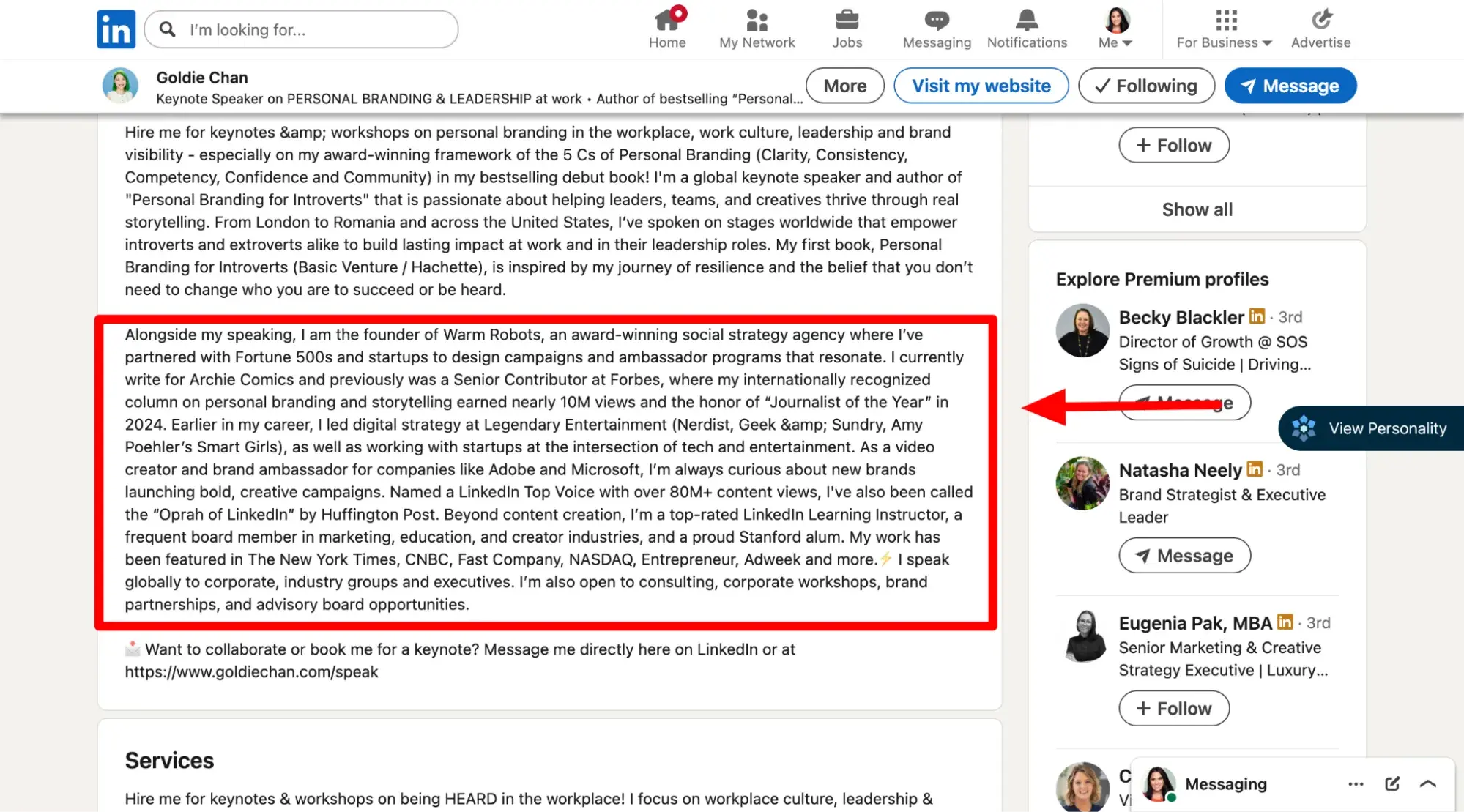
The global creator economy, a dynamic and rapidly expanding sector, is poised for unprecedented growth, with projections indicating it will reach a staggering $1.18 trillion USD by 2032. This significant expansion presents a particularly transformative moment for creators and entrepreneurs from minority backgrounds and underrepresented groups. The digital landscape has democratized avenues for self-expression, fostered niche communities, and illuminated previously overlooked market needs, positioning these creators as uniquely qualified to address them. Despite the burgeoning opportunities, studies reveal a persistent pay gap, with minority creators earning, on average, 50% less than their white counterparts. This disparity underscores the critical importance of strategic brand building to bridge this economic divide and ensure equitable participation in this burgeoning economy.

The Evolving Landscape of the Creator Economy
The creator economy’s trajectory is marked by robust expansion, evidenced by research indicating that 89% of companies engaged with content creators or influencers in 2025, with a projected 77% increase in investment in influencer marketing this year. However, this growth masks a stark reality: approximately 96% of creators still earn less than $100,000 annually, highlighting a significant chasm between those achieving sustainable incomes and those struggling to do so.
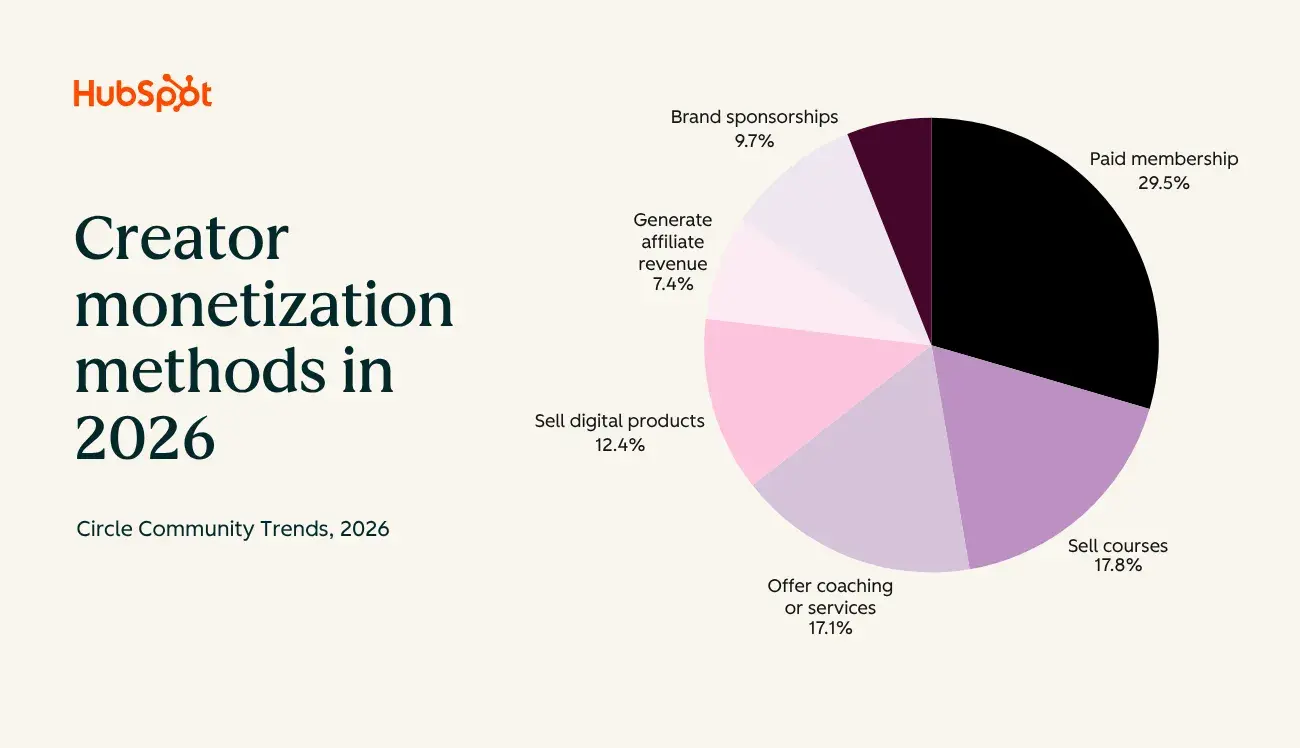
Jason Davis, a Forbes contributor, posits that this concentration of wealth stems from the industry’s maturation. Brands are increasingly consolidating their investments in "proven" influencers, mirroring historical patterns seen in the early days of search engines where market leaders like Google consolidated traffic and market share through scale and execution. The creator economy has reached a similar inflection point, with over 200 million creators worldwide. The highest earners are not merely increasing their output but are diversifying their income streams across five or more channels. For instance, only 22% of creators report earning from affiliate revenue, and a mere 18% from sponsorships, indicating a strong reliance on other monetization strategies among top earners.

Strategies for Minority Creators to Elevate Their Brands
Navigating this competitive landscape requires a strategic approach to brand building. Minority creators and entrepreneurs can leverage several key strategies to not only compete but thrive.
1. Leading with Unique Authority
While identity and niche can open doors, sustained brand growth hinges on established authority. While it’s often encouraged for marginalized entrepreneurs to center their personal stories, this approach can be limiting without a clear demonstration of expertise. Without a solid foundation of knowledge, attention may not translate into lasting opportunities, and identity can risk becoming a superficial element. In the face of potential bias, a brand must swiftly and unequivocally communicate its value. A more specific niche or focus can increase recognition and demand. The goal is to define a unique value proposition that is difficult for others to replicate, making partnerships feel essential rather than optional. Platforms should be utilized to showcase core competencies and speak on topics of genuine passion and unique experience. Identity should be viewed as a contextual layer that enriches perspective and distinguishes insights, rather than the sole basis of value. This shift transforms a brand from merely interesting to indispensable.
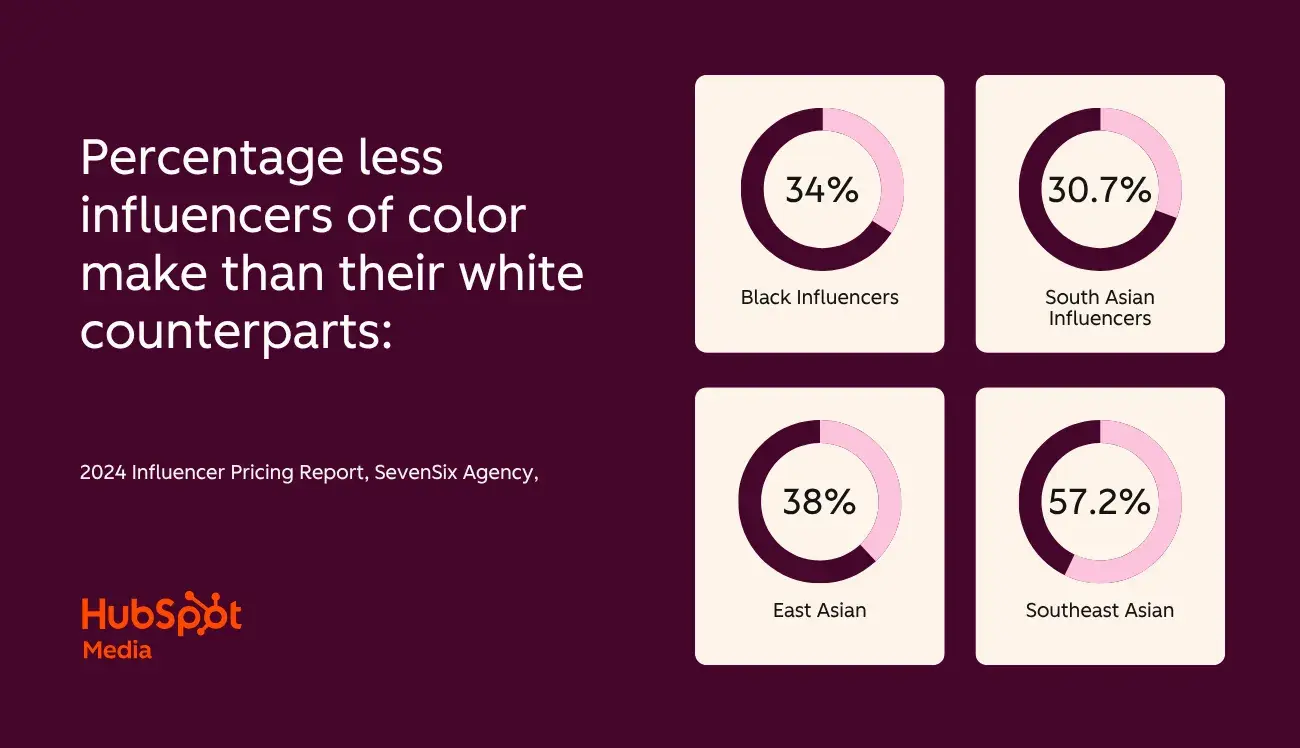
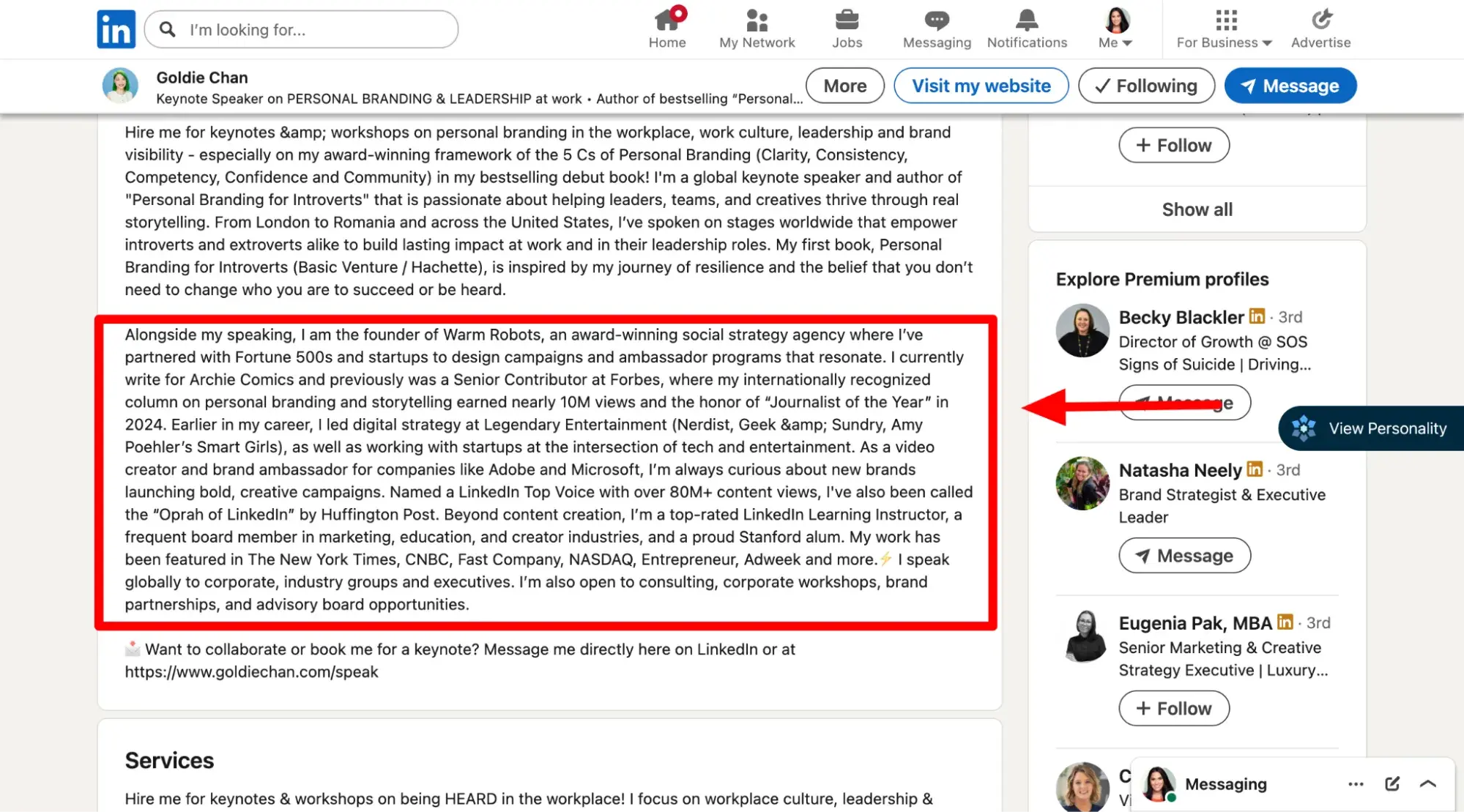
Goldie Chan, an author, speaker, and LinkedIn Top Voice in personal branding, exemplifies this strategy. Her online presence clearly delineates her qualifications and achievements, including founding an agency and securing collaborations with Fortune 500 companies. Her profile prominently features her expertise, demonstrating how a strong personal brand can be built on a foundation of demonstrated skill and experience.
2. Cultivating a Bold Point of View
Differentiation is paramount in the creator economy. Simply reiterating common sentiments will not capture audience attention. Instead, creators must offer unique perspectives that challenge norms and reframe common problems or industry trends. This involves articulating what others might be overlooking or doing differently, moving beyond simply sharing personal experiences to offering analytical insights and actionable strategies.
Marketing and brand speaker Chirag Nijjer emphasizes that a "bold point of view" doesn’t necessitate contrarianism or complexity. Instead, it’s about the consistent lens through which a creator views and interprets information. Nijjer’s own approach is guided by the question, "What is the story you wish to tell?" drawing parallels to how brands like Starbucks refocused on their core narrative during periods of change. This introspective approach allows creators to define their unique perspective and consistently apply it across all their content and engagements, building a brand that resonates deeply with its audience.
3. Building and Owning Distribution Channels
Dependence on third-party platforms for visibility and income carries inherent risks. Research indicates that a significant percentage of YouTube creators could face substantial annual losses if their accounts were revoked, highlighting the vulnerability of relying solely on external platforms. Building owned distribution channels, such as email lists or dedicated websites, is crucial for maintaining control over content cadence, messaging, and pricing. This direct relationship with the audience reduces reliance on algorithms, platform changes, or potential exclusion from networks, thereby fostering a more stable and scalable growth trajectory.

4. Productizing and Monetizing Knowledge Early
While sharing valuable information is a cornerstone of content marketing, creators must also capture the full value of their expertise. Productizing knowledge early on allows for scaling impact and income without a proportional increase in workload. This can manifest in various forms, including digital products, courses, workshops, or consulting services.
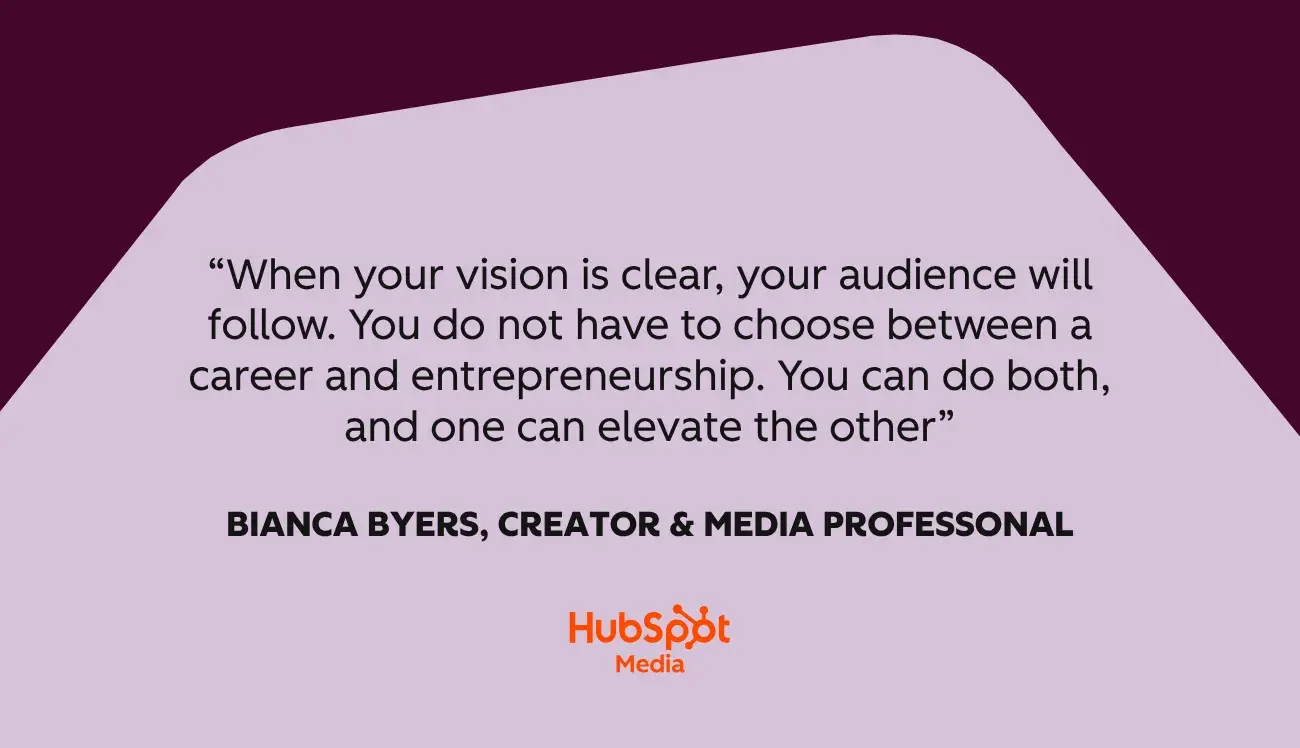
Bianca Byers, also known as Bianca Bee, a media professional with extensive experience in television, has successfully translated her expertise into multiple revenue streams. She has authored books, hosts a YouTube talk show, launched a cosmetic line, and engaged in brand collaborations. Byers’ approach underscores the importance of diversifying income and creating tangible products that serve the audience. As she notes, "Working in the television industry for over a decade taught me to never rely on a single stream of income. Rather, I’m deliberate about growing my personal brand alongside my day job, creating additional revenue from channels I own and turning my voice into tangible products that genuinely serve my audience." This proactive monetization strategy not only secures income but also trains the market to value the creator’s expertise.
5. Selective Visibility and Strategic Collaboration
Strategic engagement with opportunities is crucial for brand growth. Creators should meticulously evaluate potential collaborations, partnerships, and speaking engagements against their brand goals and audience alignment. Prioritizing opportunities that enhance positioning and reach desired audiences, while judiciously declining those that do not align, is essential.
Ariel Gonzalez, HubSpot Content Marketing Manager and "Magical Marketer," advises, "It’s tempting to say yes to every opportunity that comes your way, especially when you’re early in your brand-building journey." However, she stresses the importance of clarity regarding brand representation and goals to guide these decisions.

Furthermore, lateral collaboration with peers at a similar stage of development can be highly effective. These partnerships foster mutual respect, trust, and shared experiences, enabling creators to tap into common audiences, co-create valuable assets, and grow collectively. Micro-creators, with their typically higher engagement rates per dollar, represent a particularly promising avenue for such collaborations, proving both community-building and strategically sound.
6. Leveraging Grants and Programs for Minority Creators
Access to capital and support remains a significant hurdle for many entrepreneurs, particularly those from underrepresented backgrounds. While the landscape of grants and minority-focused funds can be competitive, numerous resources exist. These include programs like the Black & Brown Founders’ accelerator, the Minority Business Development Agency (MBDA) which offers federal grants, and various other initiatives aimed at supporting underrepresented entrepreneurs. Actively seeking out and applying for these opportunities can provide crucial financial and developmental support.
7. Aligning with Brands that Champion Inclusion
In an era where diversity, equity, and inclusion (DEI) initiatives are increasingly scrutinized, a notable segment of brands has maintained their commitment to these principles. Data from Morning Consult indicates that brands upholding their DEI commitments have experienced an increase in net buzz scores. For minority creators, partnering with such brands offers more than just advocacy; it signals a shared commitment to equitable practices. These collaborations tend to be more collaborative, equitable, and position creators as long-term partners rather than token representatives. Examples include Ulta Beauty’s MUSE Accelerator for BIPOC-founded beauty brands, HubSpot’s creator program which prioritizes belonging goals alongside content quality, and Spotify’s Creator Equity Fund, which supports various programs for marginalized groups in audio and music creation.
8. Protecting Narrative Through Consistent Storytelling
As a brand gains visibility, it is crucial to actively protect its narrative from being oversimplified or misrepresented. This is particularly relevant for entrepreneurs from marginalized backgrounds, whose work might be reduced to identity-driven themes rather than recognized for its full scope. Consistently publishing content that demonstrates depth, range, and strategic thinking, alongside personal experience, is vital. Addressing misalignments promptly and directly prevents others from defining the brand’s story.

Chirag Nijjer advocates for creating a "confidence document" that outlines key stories, origin points, turning points, and the core thesis of the brand. By consistently telling these stories across various platforms and engagements, creators can establish "Brand Echos," where their audience internalizes and repeats their core messages. This proactive and repetitive approach to storytelling is key to safeguarding a brand’s narrative and ensuring its authentic representation.
Addressing Persistent Challenges and Charting a Path Forward
The creator economy, while offering unprecedented accessibility, is also characterized by increasing competition. For minority creators, this duality presents both significant hurdles and immense opportunities. The strategies outlined are not about circumventing an often-unforgiving system but about building a more resilient and sustainable brand. This involves cultivating genuine authority, owning audience relationships, and developing business models independent of single platforms or trends.

The market’s increasing recognition of brands that prioritize inclusion, as evidenced by rising buzz metrics for companies with strong DEI commitments, suggests a favorable environment for minority creators. The creators who will likely achieve lasting success in the coming decade will be those who are clear about their values, strategic in their collaborations, and diligent in protecting their authentic narrative. By leveraging their unique perspectives and adopting these strategic brand-building principles, minority creators can not only navigate the challenges of the creator economy but also redefine its future.
About the Author