
Despite a recent designation by the Pentagon labeling it a supply-chain risk, leading artificial intelligence company Anthropic continues to foster dialogue with high-ranking members of the Trump administration. This ongoing engagement, particularly with key economic and policy advisors, suggests a complex and nuanced relationship between the AI firm and a significant segment of the current administration, even as a formal dispute with a key defense agency unfolds.
Recent developments indicate a potential easing of tensions, or at least a divergence of opinions within the administration regarding Anthropic’s role. Reports have emerged detailing efforts by Treasury Secretary Scott Bessent and Federal Reserve Chair Jerome Powell to encourage major financial institutions to evaluate Anthropic’s latest AI model, codenamed "Mythos." This initiative points to a recognition within certain circles of the administration of the potential benefits and strategic importance of Anthropic’s technology, irrespective of the Pentagon’s concerns.
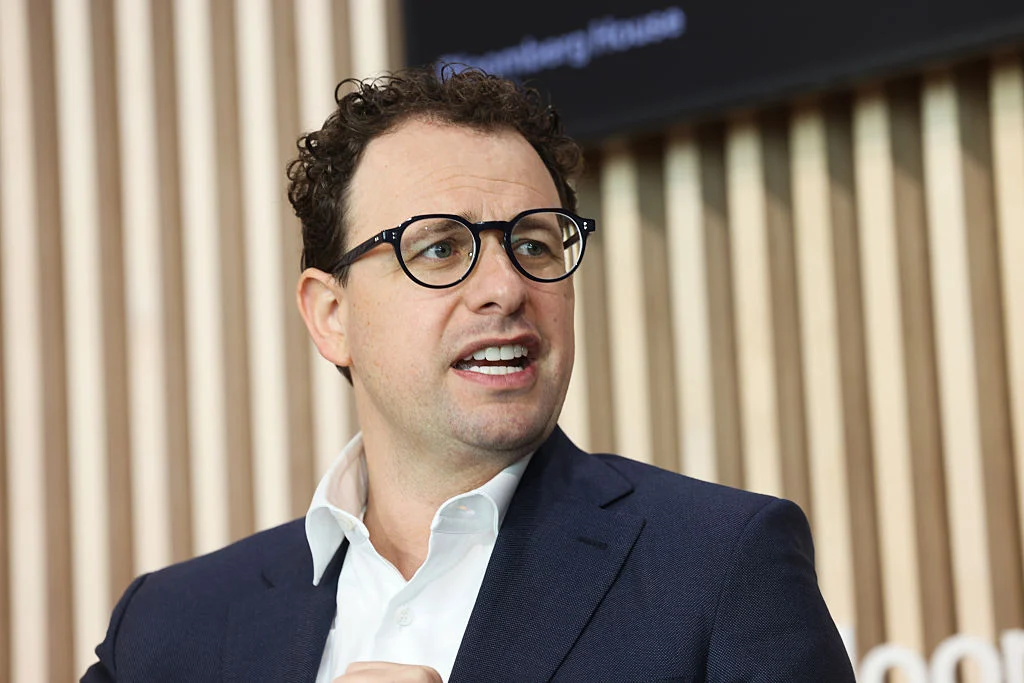
Jack Clark, a co-founder of Anthropic, has publicly addressed the situation, characterizing the Pentagon’s supply-chain risk designation as a "narrow contracting dispute." This framing suggests that the company believes the issue is resolvable through specific contractual negotiations rather than a fundamental indictment of its overall operations or trustworthiness. Clark’s assertion implies that Anthropic remains committed to briefing government officials on its advanced models, signaling a desire to maintain open lines of communication and collaboration with the federal government.
Further underscoring this ongoing dialogue, Axios reported on Friday that Treasury Secretary Scott Bessent and White House Chief of Staff Susie Wiles held a meeting with Anthropic CEO Dario Amodei. The White House characterized this encounter as an "introductory meeting" that was "productive and constructive." According to a statement released by the White House, the discussions centered on "opportunities for collaboration, as well as shared approaches and protocols to address the challenges associated with scaling this technology." This statement highlights a mutual interest in exploring how Anthropic’s AI advancements can align with national objectives.
Anthropic echoed this sentiment in its own statement, confirming that Amodei had engaged with "senior administration officials for a productive discussion on how Anthropic and the U.S. government can work together on key shared priorities such as cybersecurity, America’s lead in the AI race, and AI safety." The company expressed its anticipation of continuing these discussions, indicating a forward-looking approach to potential partnerships.
The genesis of the dispute between Anthropic and the Pentagon appears to stem from failed negotiations concerning the military’s potential utilization of Anthropic’s AI models. A critical point of contention involved Anthropic’s insistence on maintaining safeguards against the application of its technology for fully autonomous weapons systems and for mass domestic surveillance. This ethical stance, while aligned with concerns voiced by AI safety advocates, reportedly created friction with military procurement objectives. In a related development, OpenAI swiftly announced its own military agreement with the Pentagon, a move that subsequently generated some public backlash, particularly among consumers who may have viewed it as a contradiction to broader AI ethics discussions.
Following the breakdown in negotiations, the Pentagon officially declared Anthropic a "supply-chain risk." This designation, typically reserved for entities deemed to pose a threat to national security due to foreign influence or vulnerabilities, carries significant implications. Such a label can severely restrict the ability of government agencies to procure or utilize the services of the designated company. In response to this formal declaration, Anthropic has initiated legal action, challenging the Pentagon’s designation in court. The company is actively contesting the basis and validity of this classification, asserting that it is unwarranted and detrimental to its ability to engage with the U.S. government.
However, the broader sentiment within the Trump administration appears to differ significantly from the Pentagon’s stance. An administration source, speaking to Axios, indicated that "every agency" outside of the Department of Defense expresses a desire to leverage Anthropic’s technological capabilities. This suggests that the Pentagon’s assessment may be an outlier within the executive branch, and that other government departments recognize the strategic advantages Anthropic’s AI could offer in areas such as national security, economic competitiveness, and technological advancement.
Timeline of Key Events
The evolving relationship between Anthropic and the Trump administration, marked by both dispute and dialogue, can be understood through a chronological lens:
- Early 2026 (Specific Date Unspecified): Negotiations between Anthropic and the Pentagon regarding the military’s use of Anthropic’s AI models reportedly falter over the company’s insistence on safeguards against autonomous weapons and mass domestic surveillance.
- March 1, 2026: OpenAI announces its own military deal with the Pentagon, drawing some consumer criticism.
- March 5, 2026: The Pentagon officially designates Anthropic as a supply-chain risk, a significant development that could limit government contracts.
- March 9, 2026: Anthropic files a lawsuit against the Department of Defense to challenge the supply-chain risk designation.
- April 12, 2026: Reports emerge that Treasury Secretary Scott Bessent and Federal Reserve Chair Jerome Powell are encouraging major banks to test Anthropic’s "Mythos" AI model, signaling a potential shift in perception within parts of the administration.
- April 14, 2026: Anthropic co-founder Jack Clark confirms the company’s continued willingness to brief the government, framing the Pentagon dispute as a "narrow contracting issue."
- April 17, 2026 (Friday): Axios reports that Treasury Secretary Scott Bessent and White House Chief of Staff Susie Wiles met with Anthropic CEO Dario Amodei for what the White House described as a "productive and constructive" introductory meeting.
- April 18, 2026 (Saturday): This article is published, detailing the ongoing engagement and the contrasting views within the administration.
Supporting Data and Context
The significance of Anthropic’s AI technology and its potential impact on national security and economic competitiveness cannot be overstated. As the global race for AI dominance intensifies, governments are increasingly looking to leverage advanced AI capabilities for a multitude of applications.
- AI Market Growth: The global AI market is projected to experience substantial growth. Estimates vary, but many reports predict the market to reach hundreds of billions of dollars within the next decade. For instance, Grand View Research projected the global artificial intelligence market size to be valued at USD 136.6 billion in 2022 and expected to grow at a compound annual growth rate (CAGR) of 37.3% from 2023 to 2030. This rapid expansion highlights the strategic imperative for nations to secure a leading position in AI development and deployment.
- Pentagon’s AI Strategy: The U.S. Department of Defense has articulated a clear strategy for AI adoption, aiming to integrate AI across various operational domains to enhance intelligence, surveillance, reconnaissance, logistics, and combat capabilities. The Pentagon’s concern about supply-chain risks is rooted in its need to ensure the security and reliability of the technologies it employs, especially in sensitive defense applications. The classification of a company as a supply-chain risk typically involves a rigorous assessment of its ownership, operational security, data handling practices, and potential vulnerabilities to foreign interference.
- Ethical AI Frameworks: Anthropic has positioned itself as a leader in developing "helpful, honest, and harmless" AI. The company’s focus on AI safety and its commitment to building models that adhere to strict ethical guidelines are key differentiators. Their stance on autonomous weapons and surveillance reflects a growing awareness within the AI community of the profound societal implications of advanced AI and the need for responsible development and deployment. The debate over these issues is not confined to Anthropic; it is a broader conversation shaping AI policy globally.
- Economic Implications of AI Leadership: Maintaining a competitive edge in AI is seen as crucial for economic prosperity and national security. Countries that lead in AI innovation are expected to benefit from increased productivity, new industries, and enhanced defense capabilities. The U.S. government’s interest in fostering domestic AI development, as evidenced by the engagement with Anthropic, underscores this strategic priority.
Official Responses and Statements
The official statements from both the White House and Anthropic following the meeting between Amodei, Bessent, and Wiles provide insight into the perceived objectives and outcomes of their discussion.
White House Statement:
"We discussed opportunities for collaboration, as well as shared approaches and protocols to address the challenges associated with scaling this technology."
This statement emphasizes a forward-looking perspective, focusing on collaborative efforts and the development of best practices for AI implementation. The phrase "scaling this technology" suggests an acknowledgment of the rapid advancement and widespread potential applications of AI, as well as the inherent complexities involved.
Anthropic Statement:
"Anthropic CEO Dario Amodei met with senior administration officials for a productive discussion on how Anthropic and the U.S. government can work together on key shared priorities such as cybersecurity, America’s lead in the AI race, and AI safety. We are looking forward to continuing these discussions."
Anthropic’s statement highlights specific areas of mutual interest: cybersecurity, maintaining U.S. leadership in AI, and ensuring AI safety. This aligns with the company’s stated mission and suggests a desire to position its technology as a tool for enhancing national security and technological advancement in a responsible manner. The mention of "continuing these discussions" signals an ongoing commitment to engagement and a belief in the potential for future cooperation.
Broader Impact and Implications
The contrasting approaches of the Pentagon and other branches of the Trump administration towards Anthropic have significant implications for the future of AI development, government procurement, and national security policy.
- Internal Administration Dynamics: The situation highlights potential internal disagreements within government agencies regarding the strategic importance and risk assessment of AI companies. While the Pentagon’s focus is on immediate defense applications and associated security risks, other agencies, like Treasury and the White House Chief of Staff’s office, may be prioritizing broader economic competitiveness and technological innovation. This suggests that policy decisions related to advanced technologies may not always be monolithic within an administration.
- Impact on AI Innovation and Investment: A designation as a supply-chain risk by the Pentagon can have a chilling effect on a company’s ability to secure government contracts and, consequently, on investor confidence. However, if other parts of the government are actively engaging with and seeking to utilize Anthropic’s technology, it could mitigate some of these negative effects. The ongoing legal challenge further complicates this landscape. The outcome of the lawsuit could set important precedents for how AI companies are evaluated and regulated by the defense sector.
- Geopolitical Competition: The global race for AI supremacy is a critical component of geopolitical competition. The U.S. government’s ability to harness the most advanced AI technologies, developed by both domestic and international companies, is seen as vital for maintaining its strategic advantage. The internal friction over Anthropic’s designation could potentially slow down the adoption of cutting-edge AI by the U.S. military or other government bodies, creating opportunities for rivals. Conversely, a successful collaboration with Anthropic could bolster U.S. AI capabilities.
- Ethical Considerations in AI Deployment: Anthropic’s insistence on ethical safeguards in AI deployment, particularly concerning autonomous weapons and surveillance, brings the broader debate on responsible AI to the forefront of government policy. The willingness of certain administration officials to engage with these concerns, even amidst contractual disputes, suggests a growing recognition of the ethical dimensions of AI development. This could influence future government policies and procurement standards, pushing for greater transparency and accountability in AI systems.
- Future of Government-AI Partnerships: The case of Anthropic illustrates the complex interplay between innovation, national security, and ethical considerations in the realm of artificial intelligence. The ability of the U.S. government to navigate these complexities effectively will be crucial in fostering a robust AI ecosystem that supports both technological advancement and societal well-being. The ongoing dialogue between Anthropic and various administration officials, despite the Pentagon’s designation, suggests a pragmatic approach to securing access to valuable AI capabilities while attempting to manage associated risks. The resolution of this situation will likely offer valuable lessons for future government-industry partnerships in the rapidly evolving field of artificial intelligence.
About the Author





