There’s a lot of conjecture out there about how to show up in ChatGPT results, but if you want advice from a practitioner who’s actually done it, keep reading. As a professional blogger with over a decade of experience securing top positions in Google rankings, I’ve recently pivoted my focus to the burgeoning field of answer engine optimization (AEO). Since its emergence last year, I’ve dedicated myself to understanding and implementing strategies that lead to prominent placement in AI-generated responses, particularly within platforms like ChatGPT. This focus has been instrumental in a team effort that has positioned HubSpot as a leader in AI visibility within its category, driving a remarkable 1,850% increase in qualified leads in 2025 directly attributed to our AEO strategy.
This article will delve into the essential components of achieving visibility in AI-powered answers, specifically within ChatGPT. We will explore how these answer engines source their information, outline effective tactics for enhancing your AI presence, and identify common pitfalls to avoid.
Understanding How ChatGPT Sources Its Information
To effectively appear in ChatGPT results, it’s crucial to grasp how the platform generates its answers. Two primary sources are at play: ChatGPT’s extensive training data and its capability for live web search.
Training Data: The Foundation of AI Knowledge
OpenAI, the creator of ChatGPT, trains its large language models (LLMs) on vast datasets. This data is compiled from a multitude of public internet sources, supplemented by third-party collaborations and, depending on user privacy settings, data provided by users. Through this extensive training, ChatGPT develops an understanding of linguistic patterns, the relationships between words and concepts, and the ability to predict subsequent word sequences to form coherent responses.
It’s important to understand that ChatGPT does not function like a traditional digital library, retrieving stored information from discrete "books." Instead, it operates more akin to a highly knowledgeable human brain that has processed extensive information and can synthesize answers based on learned patterns and connections. The "knowledge cut-off date" signifies the last point at which this training data was comprehensively updated. For instance, at the time of this writing, the latest model, GPT-5.4, has a knowledge cut-off date of August 2025. This temporal limitation highlights the importance of the second major source of information for ChatGPT: live web search.
Live Web Search: Accessing Real-Time Information
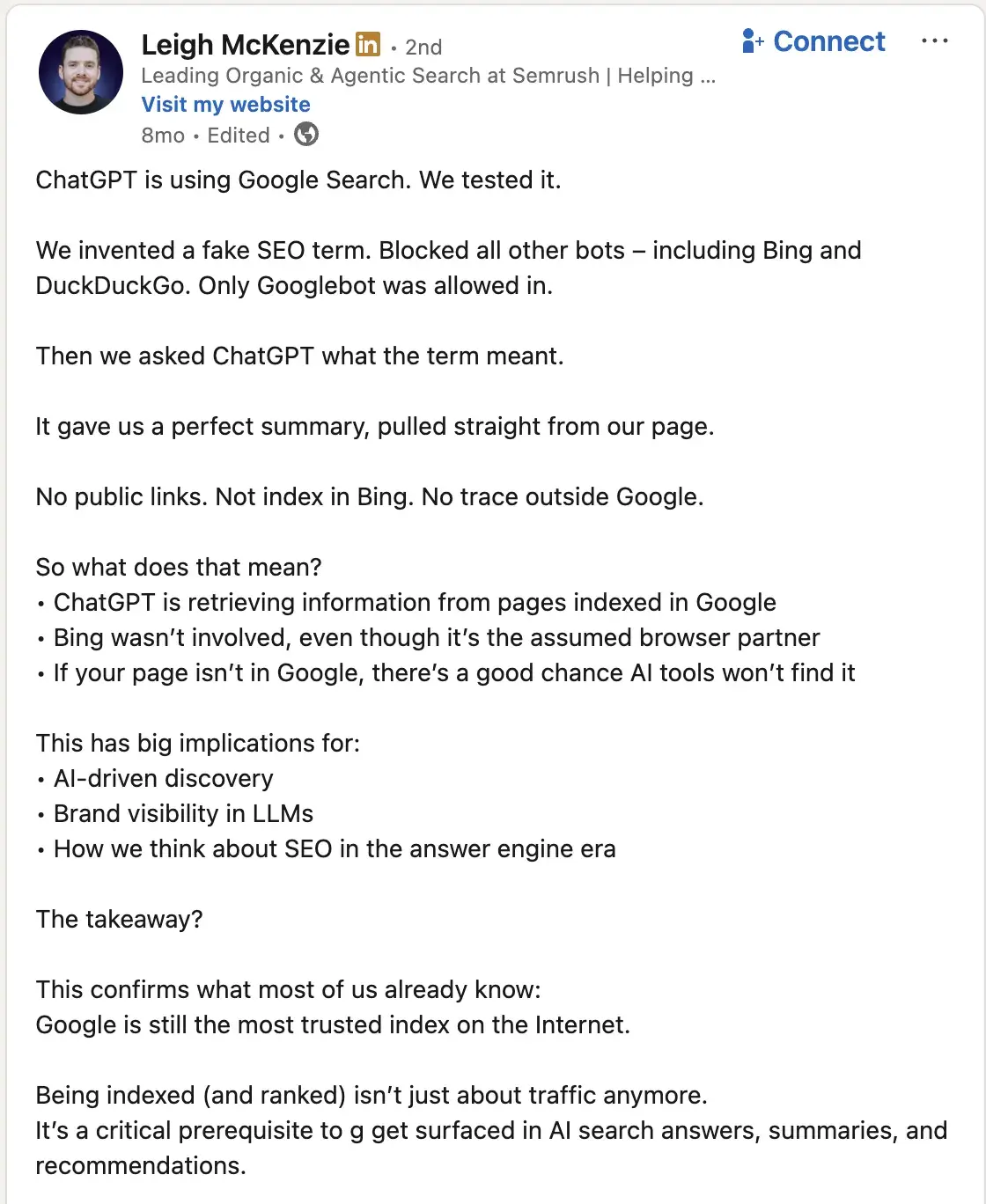
When a user’s query pertains to information that emerged after the training data’s cut-off date, ChatGPT can initiate a live web search to retrieve the most current online data. This capability is particularly vital for time-sensitive information, such as breaking news, fluctuating market prices, or recent product updates. OpenAI has indicated that it utilizes third-party search engines for these queries, with Bing being explicitly named for Enterprise and Education customers. However, independent experimentation by various industry professionals suggests that Google Search may also be employed by OpenAI.
This reliance on external search engines underscores the continued relevance of Search Engine Optimization (SEO) in the age of AI. The quality and ranking of content on traditional search engines can directly influence the information that ChatGPT accesses and subsequently presents to users. For a more in-depth exploration of the synergy between SEO and AI, refer to our comprehensive guide on "ChatGPT for SEO."

Practical Demonstrations of AI Search Behavior
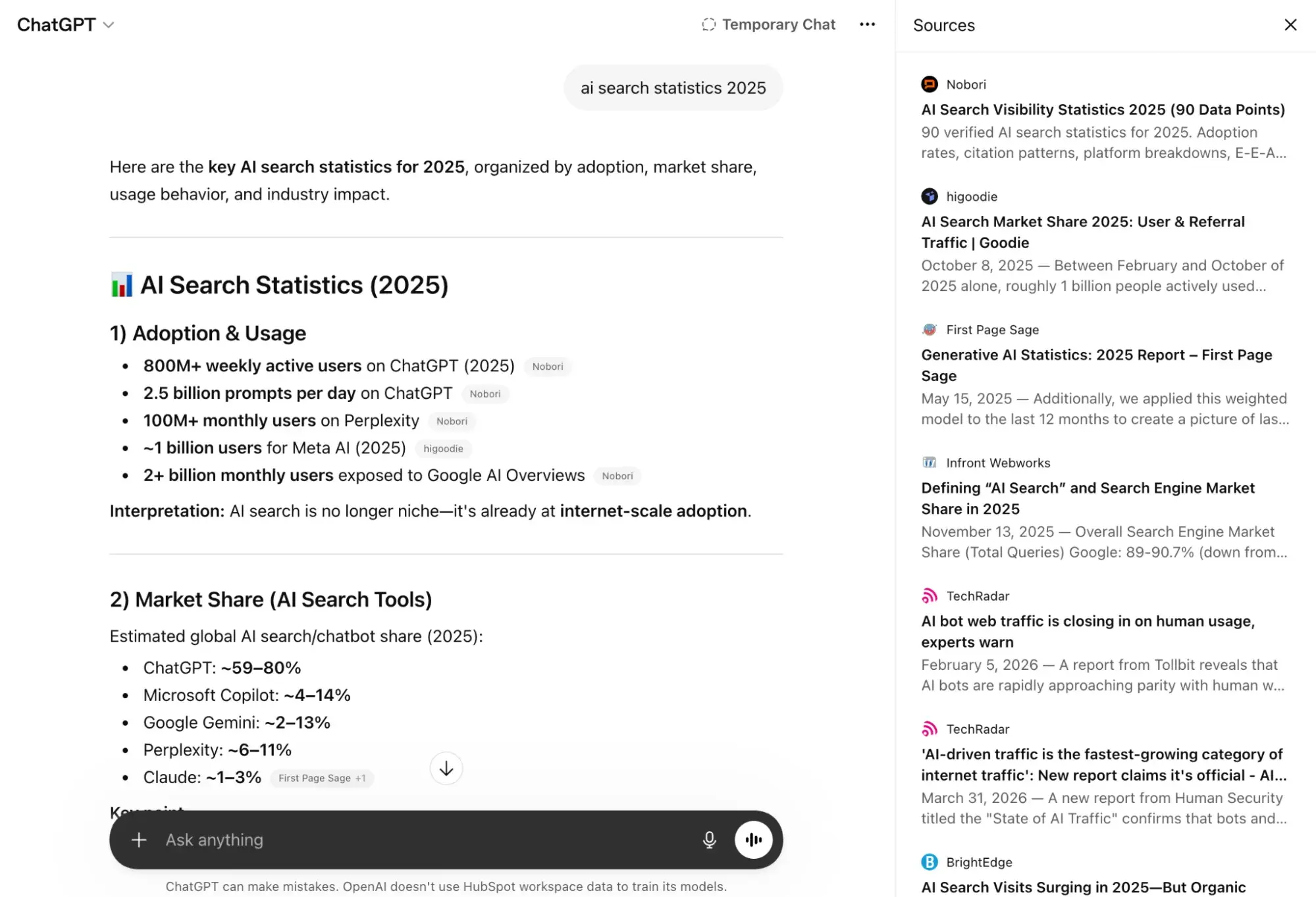
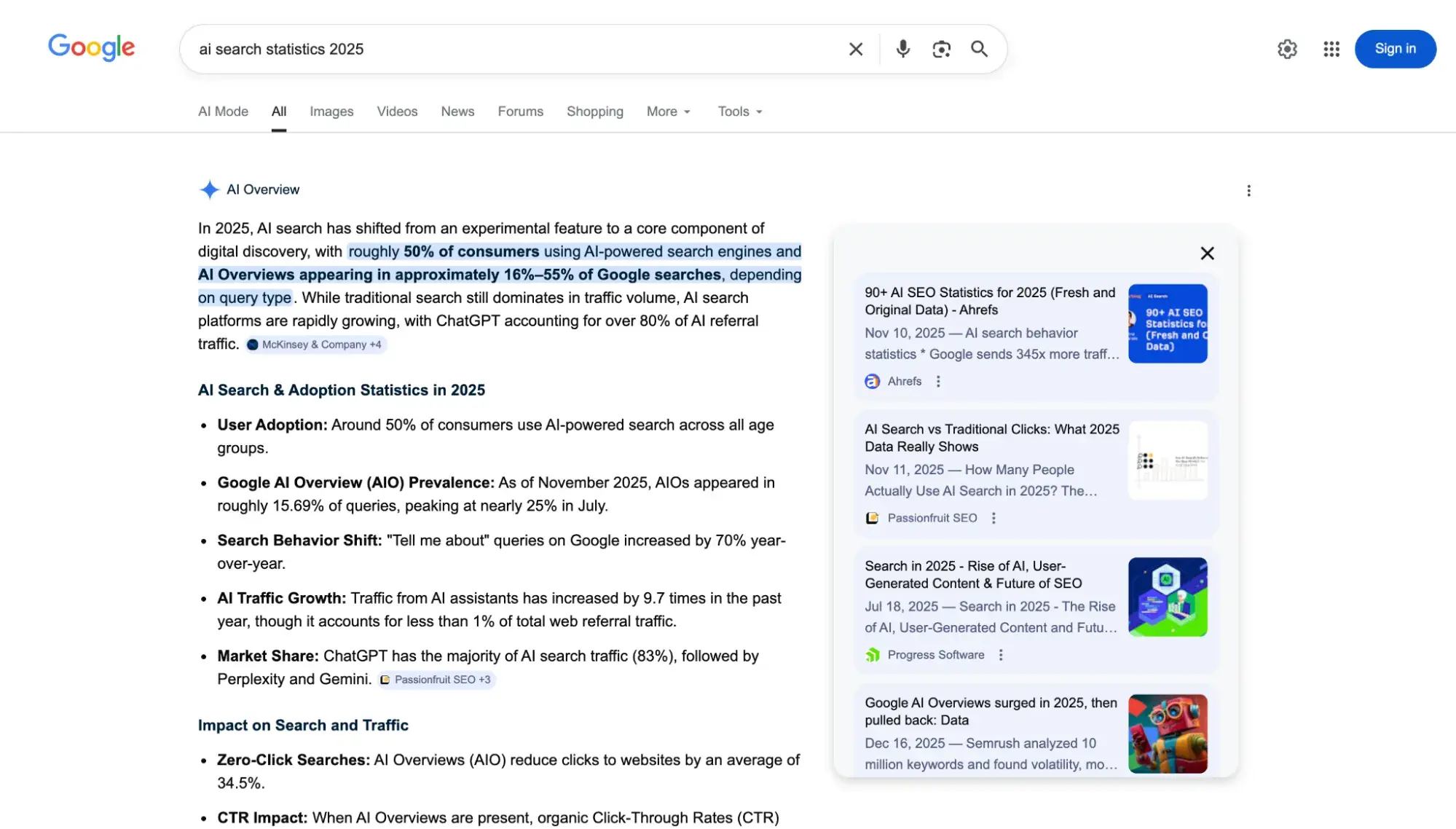
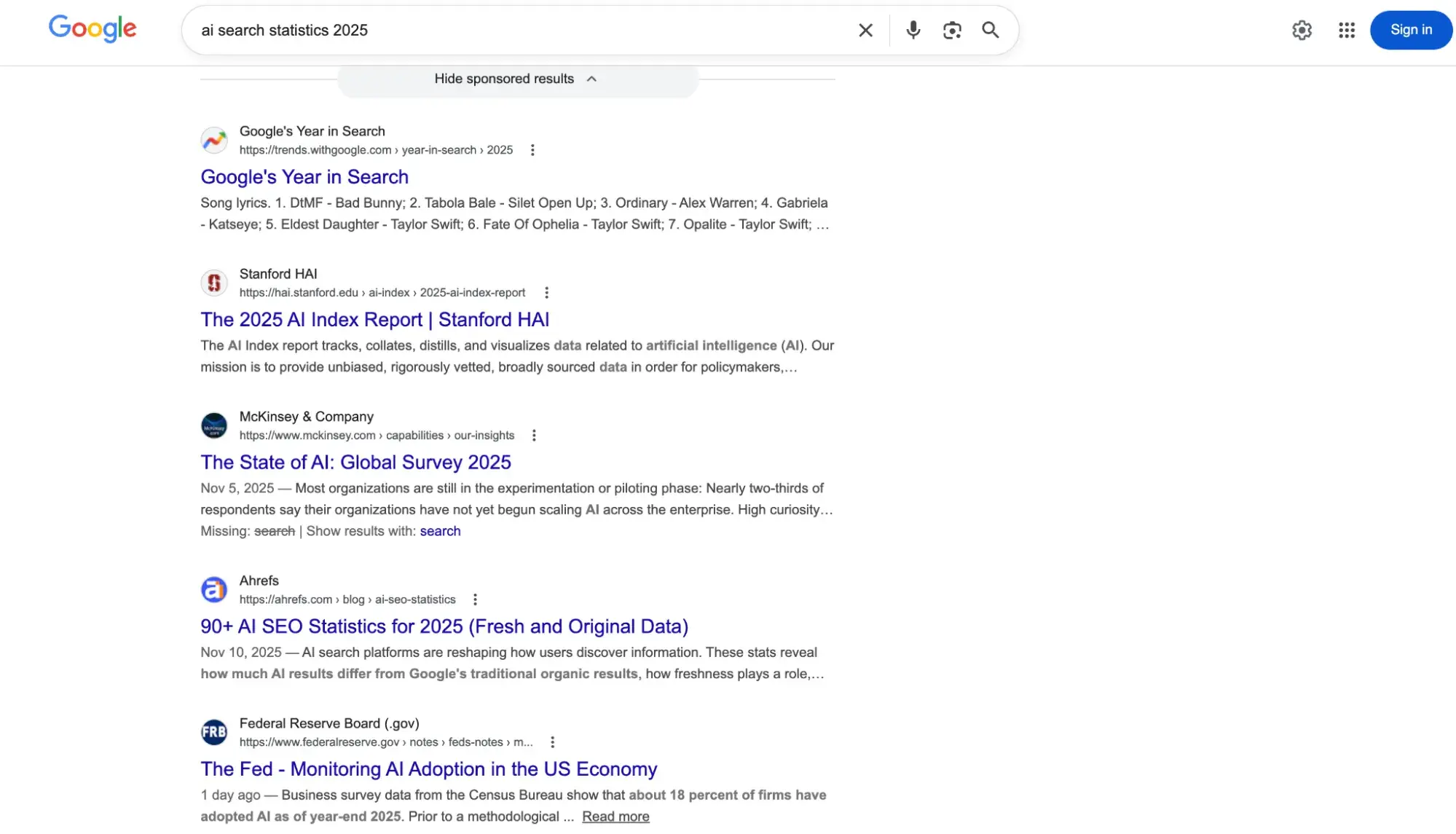
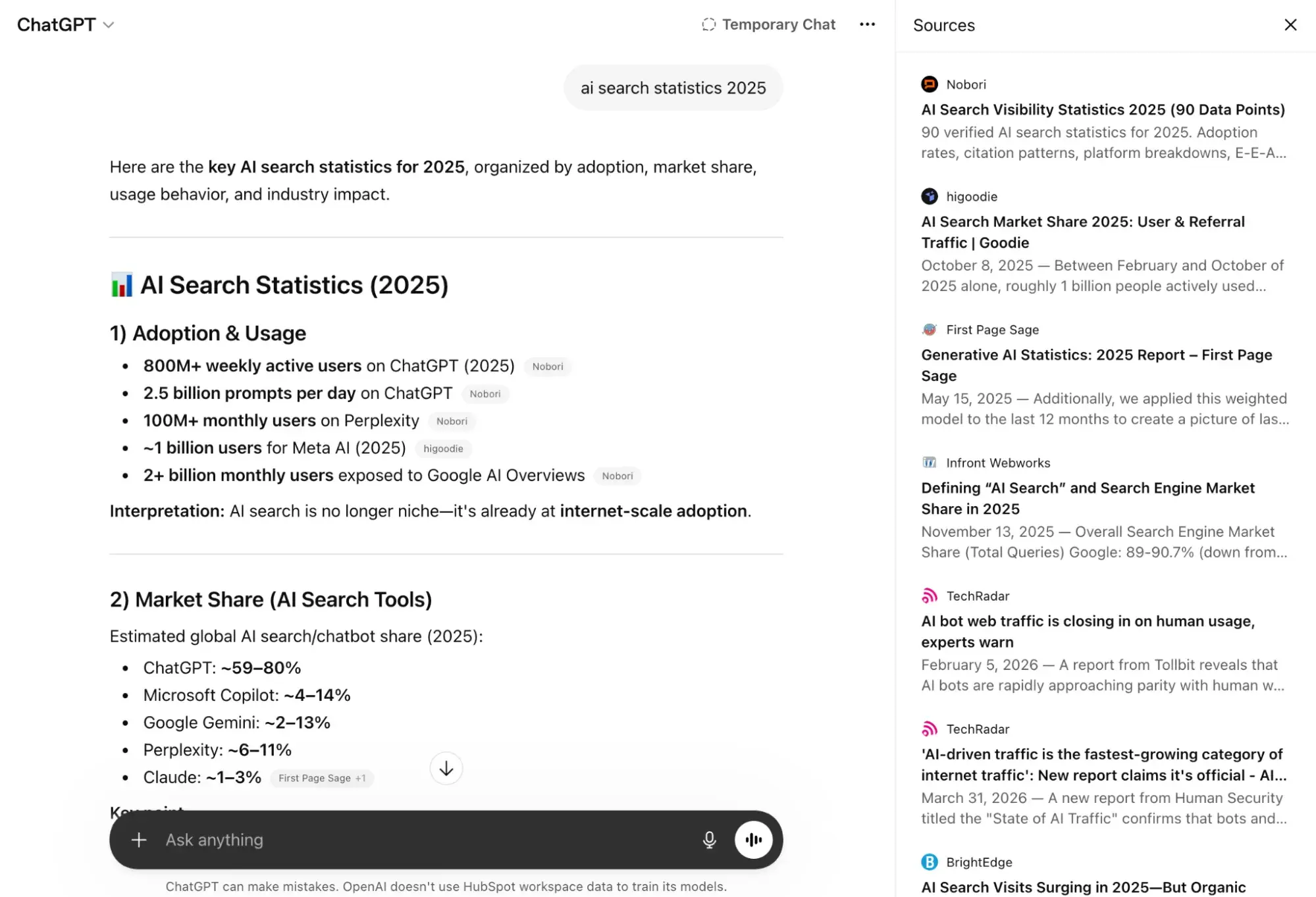
To illustrate how ChatGPT sources information, consider the following scenario. A query for "AI search statistics 2025" yielded distinct results when performed on Google versus ChatGPT. Google’s AI Overview presented specific data points, while its top organic results offered a range of industry reports. In contrast, ChatGPT’s web search results, while also providing statistics, cited different sources and presented them in a distinct format, often featuring a "cited sources" panel. This divergence suggests that both Google and ChatGPT employ different ranking and weighting methodologies, reinforcing the idea that even if traditional SEO efforts face challenges, Answer Engine Optimization (AEO) can unlock new avenues for visibility.
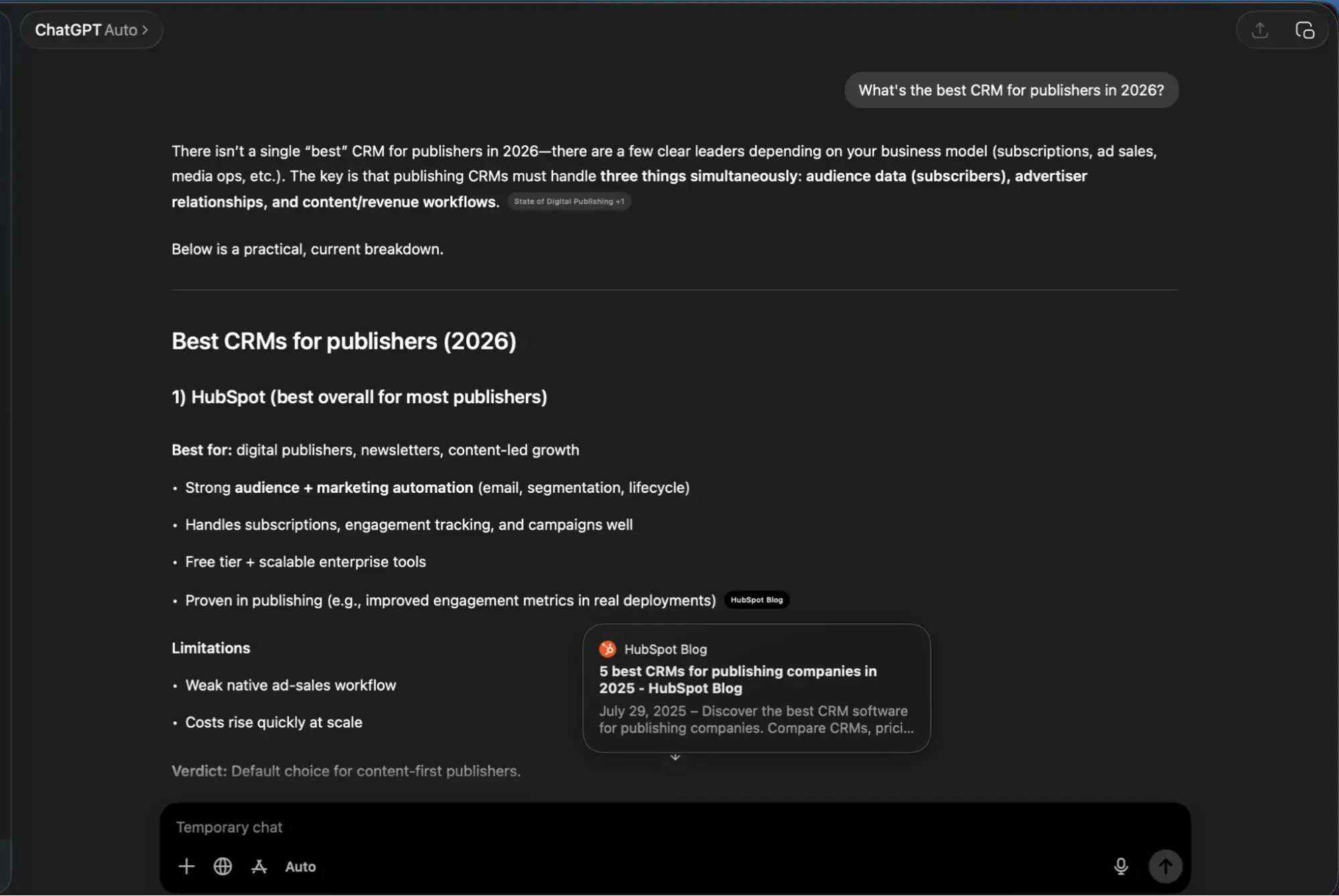
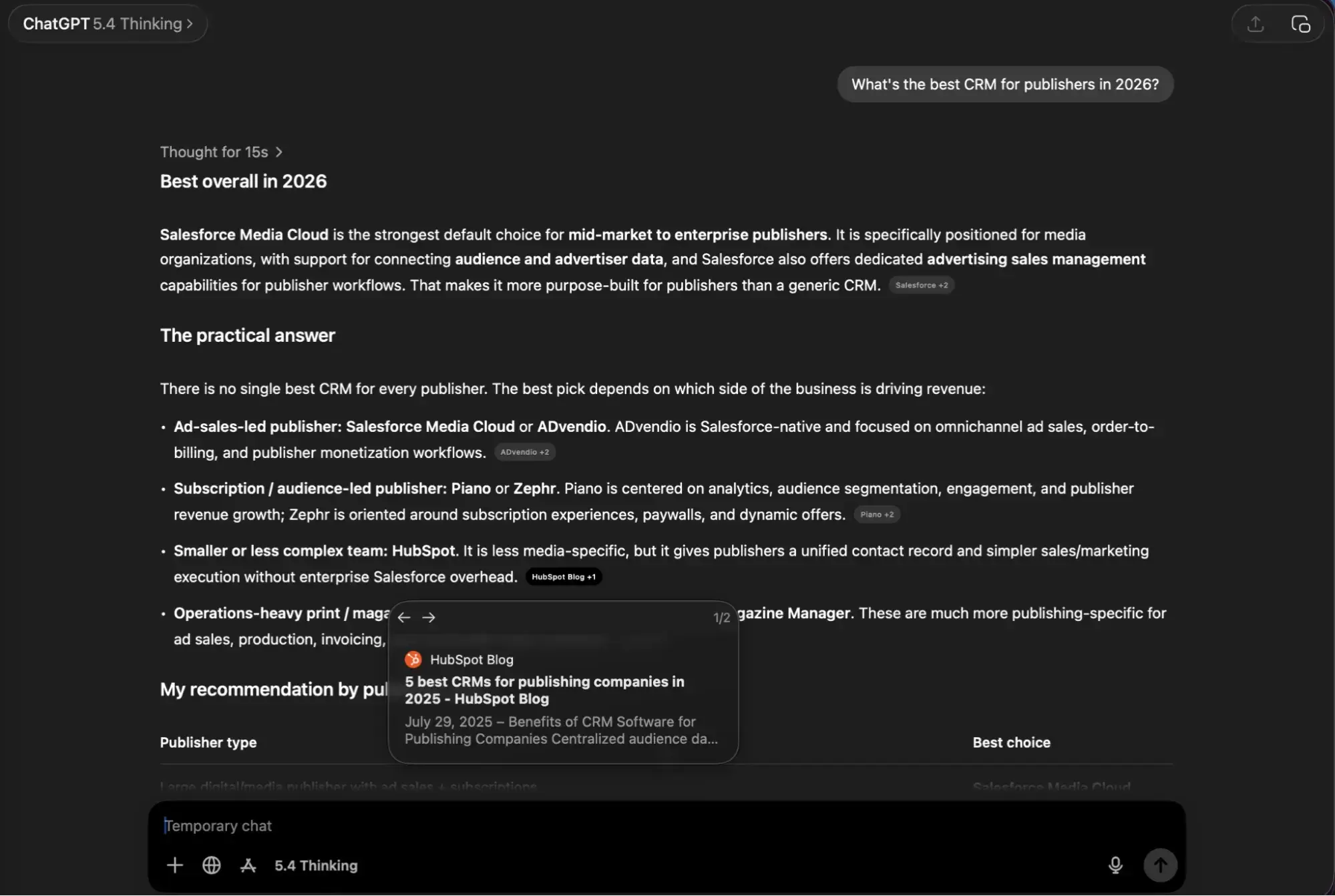
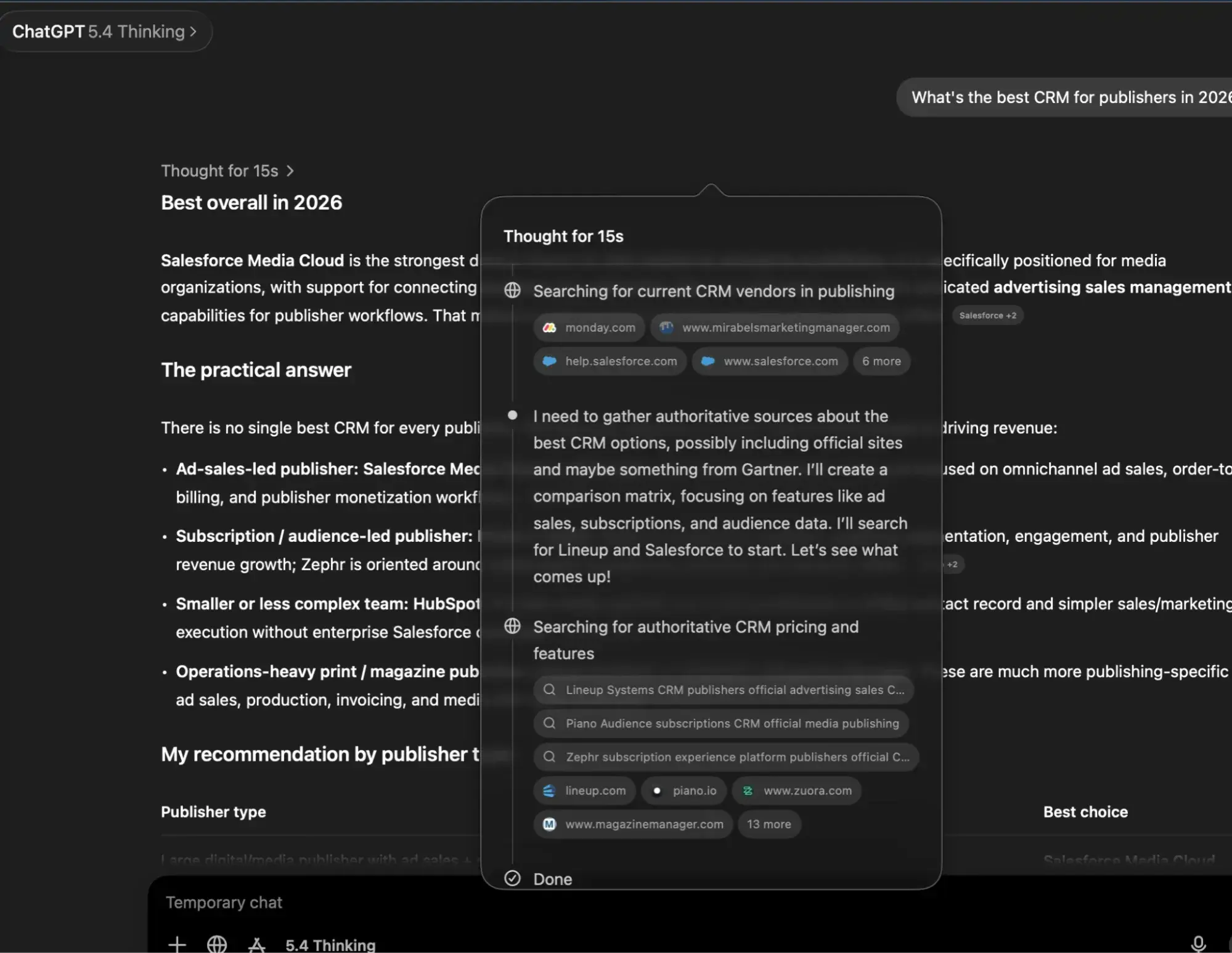
Further experimentation with a prompt such as "What’s the best CRM for publishers in 2026?" demonstrated how ChatGPT integrates information. In both "Auto" mode and "Thinking" mode (where the AI’s query breakdown is more visible), a HubSpot blog post authored by myself was prominently cited. The "Thinking" mode revealed a process called "query fan-out," where a single user prompt is deconstructed into multiple sub-queries. This highlights a critical implication for marketers: the user’s initial prompt may not be the exact query that determines your website’s visibility. Consequently, comprehensive prompt research is a foundational element of any effective AEO strategy.
Strategies for Enhancing ChatGPT Visibility
While OpenAI has not published explicit guidelines for ranking within ChatGPT search results, a combination of internal experimentation and external research has illuminated several key tactics. OpenAI has stated that "Any public website can appear in ChatGPT search," emphasizing the importance of ensuring sites are not blocking their crawlers.
Ensuring Proper Indexing and Crawler Access
This foundational step involves verifying that your website is accessible and understandable to AI crawlers. This encompasses several critical areas:
1. Traditional Search Engine Indexing: The Prerequisite
Since ChatGPT often leverages live web search capabilities through engines like Bing and Google, traditional search engine indexing remains a non-negotiable prerequisite. If your web pages are not indexed by these search engines, they cannot be retrieved for inclusion in ChatGPT’s live search results.
2. OpenAI’s Dedicated Crawlers: OAI-SearchBot and GPTBot
OpenAI operates its own web crawlers, each with distinct functions. The OAI-SearchBot is responsible for discovering content to be surfaced in search results, while GPTBot is used for collecting data to enhance model training. Understanding and configuring access for these bots is crucial.
Your website’s robots.txt file is the primary mechanism for controlling access for these crawlers. Crucially, these bots can be configured independently. This means you can permit OAI-SearchBot to crawl your pages for search visibility while simultaneously blocking GPTBot from using your content for training purposes, or vice versa. A standard robots.txt configuration for allowing ChatGPT search visibility while optionally permitting training data collection might look like this:
# Allow ChatGPT search to surface your pages
User-agent: OAI-SearchBot
Allow: /

# Allow training data collection (optional – your call)
User-agent: GPTBot
Allow: /
It is important to note that changes to your robots.txt file typically take around 24 hours to be reflected in OpenAI’s systems, as per their official documentation. Patience is advised during this propagation period.
3. Addressing JavaScript-Heavy Sites
Both OAI-SearchBot and GPTBot can encounter difficulties in accurately crawling and rendering content on websites that are heavily reliant on client-side JavaScript. If content is not readily available in the initial HTML response, these crawlers may struggle to "see" and interpret it, thereby hindering its inclusion in ChatGPT’s answers.
The most effective solution for this is to implement server-side rendering (SSR) or pre-rendering techniques. These methods ensure that essential content is present in the HTML delivered to the browser, making it accessible to AI crawlers. This practice is not only beneficial for AI visibility but also enhances traditional SEO, as search engine bots can also face challenges with JavaScript-intensive pages.
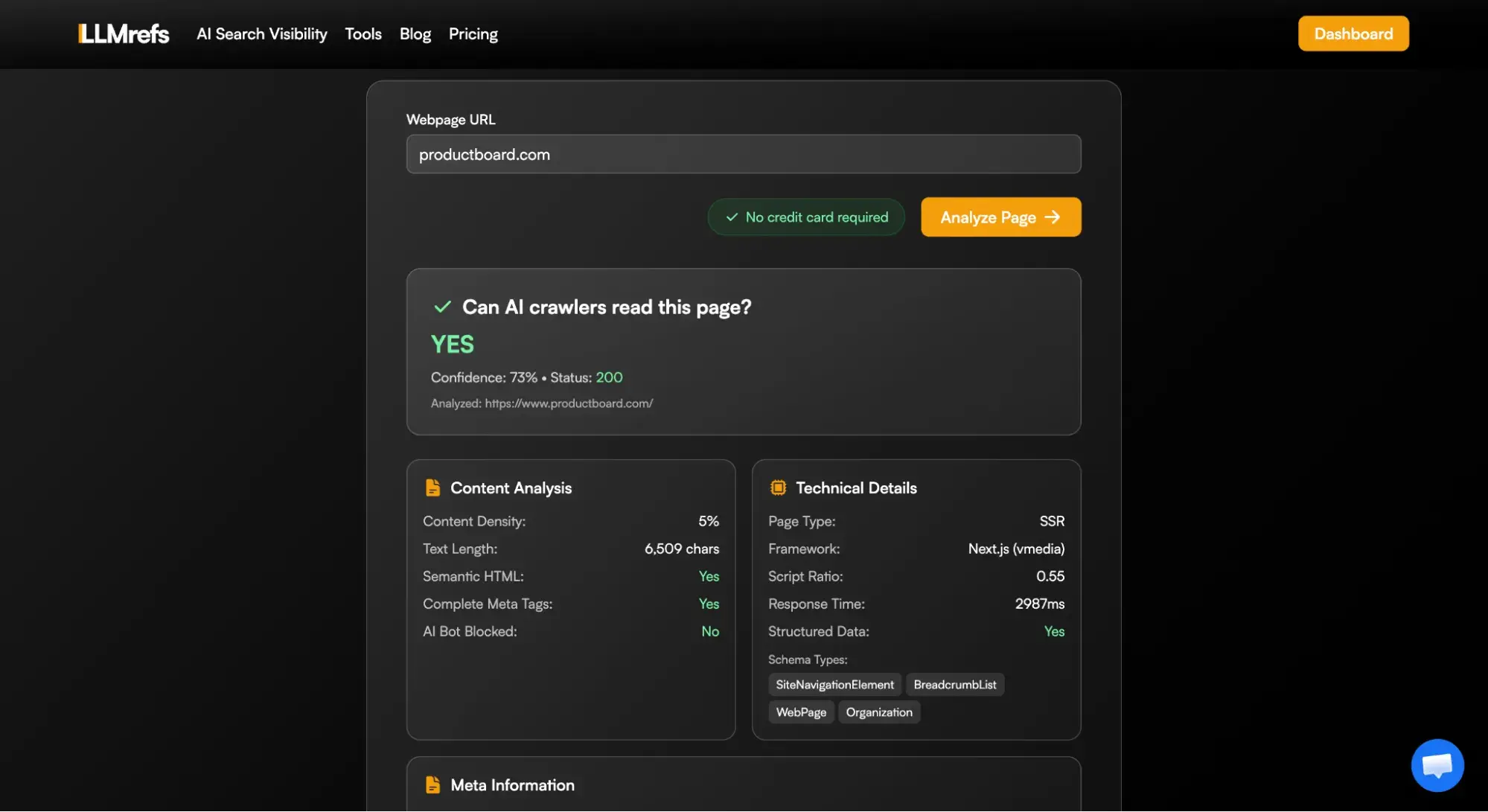
A valuable resource for assessing your website’s crawlability by AI bots is the free "AI Crawlability Checker" tool. While requiring registration, it offers detailed insights into JavaScript-related issues and potential fixes.
Prioritizing Direct Answers and Concise Content
A significant finding from multiple independent analyses indicates a strong correlation between content placement and AI citation. Studies by Kevin Indig and CXL have shown that a substantial percentage of AI citations originate from the top 30% of a webpage’s content. While this demonstrates a correlation rather than causation, it strongly suggests that placing the most crucial information upfront can increase the likelihood of your content being cited by AI models.
The practical application of this insight involves restructuring your content to "lead with the answer." Begin each article or section with a clear, direct answer to the question being addressed. Subsequent paragraphs can then elaborate on the details, provide supporting evidence, and explore nuances. This editorial approach not only benefits AI crawlers by providing immediate access to key information but also enhances user experience by allowing readers to quickly ascertain the information they seek.
Consider this before-and-after example of content restructuring:
Before (Rambling Introduction):
Heading: What are the 5 methods or stages of design thinking?
Body paragraph: The five methods of design thinking are more aptly called the five ‘stages’ or ‘phases.’ Let’s briefly touch on those five phases before I jump into the exact tactical methods you can use to apply design thinking. Here’s the most important thing, though: The design thinking stages are not linear.
After (Answer-First Phrasing):
Heading: What are the 5 methods or stages of design thinking?
Body paragraph: The five stages of design thinking are empathize, define, ideate, prototype, and test. These stages are not linear – there’s no fixed order, and they often overlap or repeat. You don’t stop empathizing with users once you move to defining the problem; empathy carries through the entire process.
By front-loading the direct answer, you provide ChatGPT with the most pertinent information immediately, increasing its chances of being selected as a citation.
Implementing Schema Markup for Enhanced Parsing
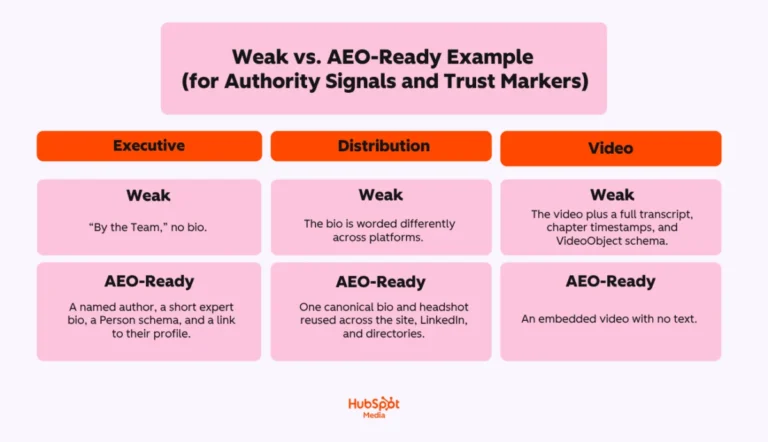
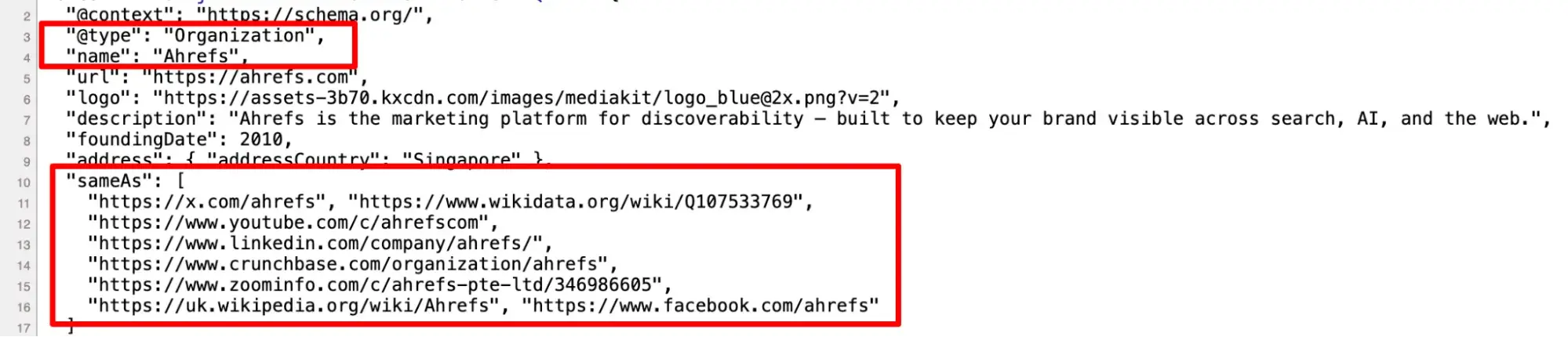
Schema markup, a form of structured data, is a powerful tool for helping AI models understand the context and meaning of your content. By adding this code to your website’s source, you provide explicit labels for information such as authors, content types, and entities referenced. This effectively allows you to communicate in the "native language" of AI models, reducing ambiguity and increasing the trustworthiness of your content for citation.
While schema markup does not guarantee citation, it significantly smooths the process for AI engines evaluating your content. Key schema types that can impact AI visibility include:
- Article Schema: Provides detailed information about your articles.
- Organization Schema: Identifies your organization and its attributes.
- FAQPage Schema: Clearly delineates questions and answers, which are often favored by AI.
- HowTo Schema: Outlines step-by-step instructions, making processes easily parsable.
Implementing schema markup is a relatively low-lift task that can yield significant benefits for both traditional SEO and AI visibility. It’s advisable to validate your schema markup using tools like Google’s Rich Results Test and the Schema Markup Validator to ensure accuracy before deployment.
Cultivating External Brand Reputation
ChatGPT, much like Google’s search algorithms, considers external signals when determining the credibility and trustworthiness of a source. The AI models seek consensus and recurring information across a range of reputable online sources. Therefore, building a strong brand reputation beyond your own website is paramount.
This involves securing positive brand mentions and reviews on third-party platforms. McKinsey’s analysis revealed that only a small percentage of AI Overview citations originate from a brand’s own website, highlighting the significant influence of what other entities say about you.
Strengthening Your Brand’s Entity:
Entity strength refers to how clearly and consistently AI models recognize your brand as a distinct, verifiable entity with a proven track record across independent sources. Prioritize obtaining:
- Third-party mentions: Secure mentions on reputable news sites, industry publications, and relevant blogs.
- Expertise and thought leadership: Contribute to industry discussions and establish your brand as a knowledgeable authority.
- Backlinks from authoritative sites: High-quality backlinks serve as a strong signal of credibility.
Claiming Review Profiles and Directory Listings:
Reviews and business directory listings provide structured identity records that AI models use to verify legitimacy and gauge customer perception. Domains with a presence on major review platforms, such as Google Business Profile, G2, or Yelp, tend to receive significantly more ChatGPT citations than those without.
Your action list should include:
- Claiming and optimizing profiles on relevant review sites.
- Encouraging customer reviews.
- Ensuring consistent NAP (Name, Address, Phone number) information across all listings.
- Prioritizing Bing Places listings, given ChatGPT’s use of Bing for web searches.
Identifying Gaps in ChatGPT and AI Visibility
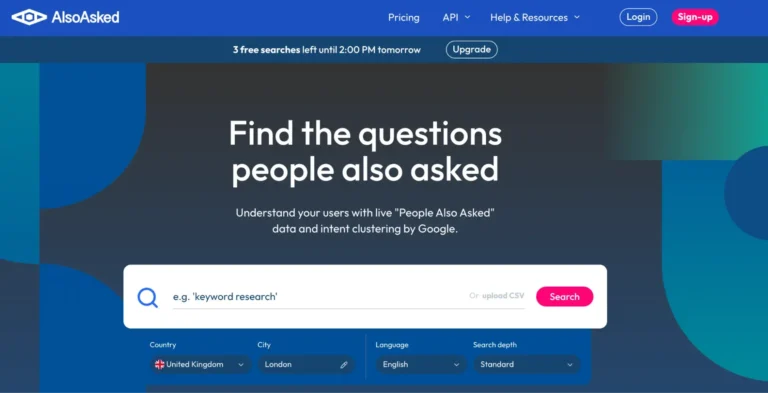
Effective prompt research is fundamental to successful AEO. While traditional keyword research involves analyzing search engine results pages (SERPs), prompt research requires directly interacting with AI models like ChatGPT to understand how they respond to user queries. This involves testing the questions your target audience is likely to ask and evaluating your brand’s presence in the generated answers.
Pro Tip for Manual Prompt Research: To obtain unbiased results, log out of ChatGPT or use a temporary chat session. ChatGPT’s memory can personalize responses based on your past interactions, similar to how Google personalizes search results. Using an Incognito mode for keyword research is analogous to this approach for prompt research.
The Prompt Research Process
-
Map Relevant Prompts: Identify questions a prospective customer would pose to ChatGPT before making a purchase decision. For a pest control company, this might include queries like "Why am I seeing more ants in my apartment in the summer?" or "What’s the best pest control company in Atlanta that uses eco-friendly methods?"
-
Analyze ChatGPT Responses: Run these mapped prompts in ChatGPT and meticulously document which brands and content sources are cited. If your brand is not appearing, analyze who is and what types of content are being referenced. This provides clear direction on the content formats and authority signals that are currently succeeding for those prompts.
-
Address Identified Gaps: If ChatGPT consistently cites a competitor’s comparison page, prioritize creating a similar resource. If it favors reviews on a specific platform where your profile is underdeveloped, focus on a review strategy.
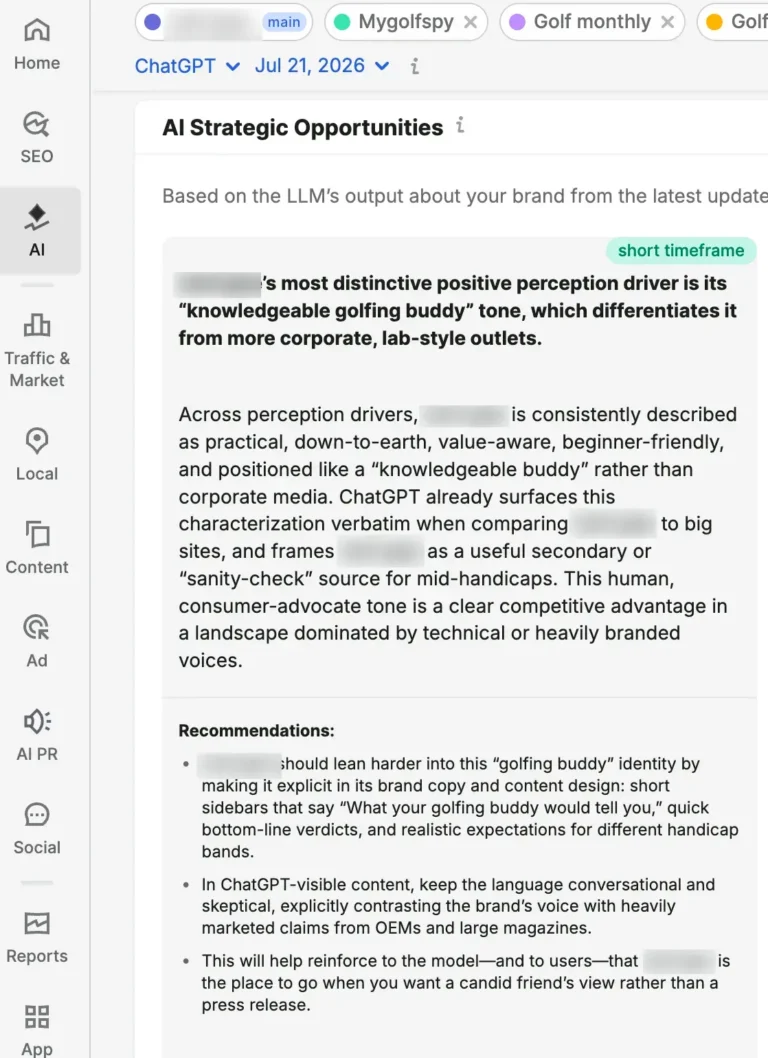
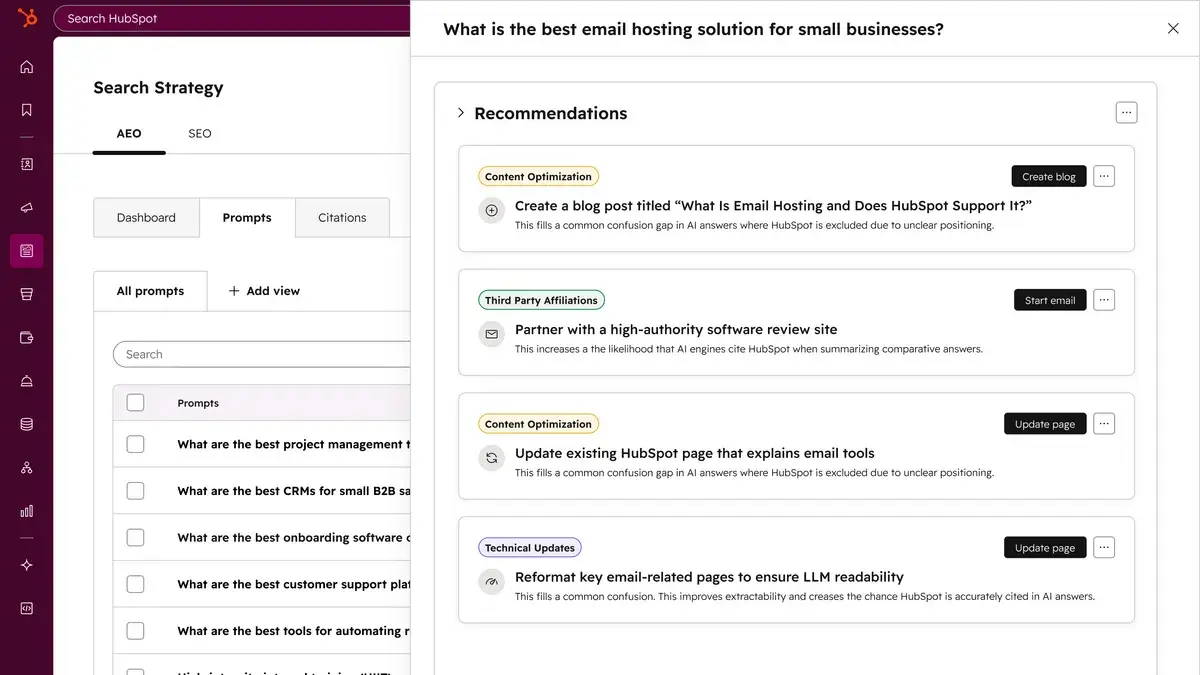
While manual prompt research is feasible, it can be time-consuming. Tools like HubSpot’s AEO can streamline this process by tracking brand visibility across multiple AI platforms, identifying competitor citations, and offering actionable recommendations. The AEO Grader offers a free baseline assessment of your brand’s current AI visibility.
Common Missteps to Avoid for ChatGPT Visibility
Even with a solid AEO strategy, certain common mistakes can undermine your efforts.
Avoiding Keyword Stuffing and System Gaming
Just as with traditional SEO, attempting to "game the system" by excessively stuffing keywords into your content will not yield positive results for ChatGPT. The AI prioritizes credible content that directly and clearly answers user questions. Unsupported claims and unsubstantiated assertions should be avoided. Focus on providing specific, verifiable information backed by data or concrete examples.
The Importance of Content Freshness
Content recency is a significant factor for AI platforms, and studies indicate that ChatGPT places a high premium on it. Regularly updating your most critical content, particularly pricing information and statistics, every three to six months, can significantly boost your AI visibility.
JavaScript Dependency and Image-Based Information
As previously mentioned, JavaScript-heavy websites can pose challenges for AI crawlers. Ensuring that key content is available in the initial HTML response through SSR or pre-rendering is crucial. Furthermore, avoid placing critical information solely within images. AI crawlers cannot interpret graphics, and important data presented in infographics or images will likely be missed. Alt text for images is not consistently processed by all AI models, so ensuring critical information is available in plain text is essential.
Measuring Success in ChatGPT Visibility
Measuring success in the realm of AI visibility requires a shift from traditional SEO metrics to AEO-specific indicators. While rankings and clicks remain relevant, zero-click metrics such as brand visibility, share of voice, and citation count become increasingly important.
Key metrics to track include:
- Brand Visibility Score: A measure of how often your brand is mentioned or cited by AI.
- Share of Voice: Your brand’s presence in AI answers relative to competitors.
- Citation Count: The number of times your content is directly cited.
- Visibility Over Time: Tracking trends in your brand’s AI presence.
Citation analysis is particularly insightful, revealing which domains, content types, and source categories AI engines are referencing for prompts within your industry. This data can inform content strategy, highlighting opportunities to create content that aligns with successful citation patterns. Tools like HubSpot AEO provide dedicated Citation Analysis views to facilitate this process.
Frequently Asked Questions About Showing Up in ChatGPT
What’s the fastest way to increase visibility in ChatGPT searches?
The quickest path to citation in ChatGPT involves appearing in its live web search results. This requires ensuring your key pages are indexed by Google and Bing, allowing OAI-SearchBot access via robots.txt, and confirming that your content is crawlable HTML. From a content perspective, restructuring existing pages to lead with direct answers is highly effective. Off-site, claiming and optimizing review profiles and directory listings can yield rapid improvements.
Do I need separate content for ChatGPT search SEO?
No, separate content specifically for ChatGPT is not necessary. Both Google and Bing advise against creating distinct "AI-friendly" versions of your content. A single, well-optimized piece of content should serve both traditional SEO and AEO objectives.
How long does it take to get noticed on the ChatGPT platform?
If ChatGPT utilizes its web search feature, new information can appear in its results within hours of publication, especially if submitted via IndexNow. However, for prompts relying solely on training data, visibility depends on future model updates. While new information can surface quickly, establishing a consistent presence may take time, particularly for new brands.
Should I build llms.txt and schema if I’m a small team?
Schema markup is a valuable, low-lift task that benefits both SEO and potentially AI visibility. While OpenAI has not explicitly confirmed its impact on ChatGPT, its implementation is generally recommended. The llms.txt file, on the other hand, is a proposed standard with limited evidence of widespread adoption or impact on AI citations. For small teams, prioritizing schema, answer-first content, and off-site authority is likely more effective.
How do I prioritize prompts for my industry?
Prioritize prompts that are closer to the purchase decision, such as comparison queries or solution-aware questions. Analyzing which prompts are already citing competitors but not your brand can reveal immediate opportunities for AEO efforts. Tools can assist in suggesting relevant prompts based on CRM data and competitor analysis.
About the Author