Acquiring new customers is a perennial challenge for businesses across all sectors, a complex skill that demands time, strategic effort, and significant investment to master. While essential for generating new revenue streams and expanding brand visibility, the relentless pursuit of new clientele can sometimes overshadow a crucial element of sustainable growth: nurturing existing customer relationships. Even the most sophisticated sales outreach programs can encounter market plateaus, often due to factors beyond a company’s direct control, such as shifts in consumer sentiment regarding pricing, intense competitive pressures, or broader economic fluctuations. In these instances, a deliberate focus on strengthening ties with current customers and partners can provide a vital stabilizing force, allowing businesses to navigate periods of slowdown with greater resilience. This strategic pivot does not necessitate abandoning lead acquisition entirely, but rather rebalancing priorities to acknowledge and capitalize on the established value of existing customer bases. The following strategies offer a comprehensive approach to enhancing customer retention, fostering long-term engagement, and ensuring sustained brand loyalty.
The Strategic Imperative of Customer Retention
In today’s competitive landscape, the cost of acquiring a new customer can be significantly higher than retaining an existing one. Studies by Bain & Company, for example, have consistently shown that increasing customer retention rates by just 5% can boost profits by 25% to 95%. This stark statistic underscores the economic rationale behind prioritizing customer loyalty. Beyond the direct financial benefits, loyal customers often become brand advocates, providing invaluable word-of-mouth marketing and contributing to a stronger, more authentic brand reputation. Furthermore, a stable base of repeat customers offers predictable revenue, enabling businesses to invest more confidently in innovation and long-term strategic initiatives. When market conditions become challenging, this existing customer base acts as a crucial buffer, mitigating the impact of reduced new business acquisition.
The Evolving Customer Relationship: From Transaction to Partnership
The modern consumer is increasingly sophisticated, seeking more than just a transactional exchange. They are looking for businesses that align with their values, understand their unique needs, and offer a consistent, positive experience. This shift necessitates a move from a purely transactional mindset to one that fosters genuine partnerships. Businesses that recognize this evolution are better positioned to build lasting relationships.
Enhancing Engagement Through Personalized Outreach
In an era of information overload, generic marketing messages often fall by the wayside, failing to capture the attention of an increasingly discerning audience. While the initial intent behind marketing efforts may be sound, the delivery mechanism often requires refinement. A thorough market analysis remains foundational, but the true differentiator lies in how this understanding is translated into customer communication.
Understanding the motivations behind customer engagement – whether it’s subscribing to a newsletter or following a social media page – provides critical insights. These actions typically stem from a belief that the business offers tangible value, either presently or prospectively. The expectation is not to be inundated with generic advertisements, but rather to receive relevant, tailored content. While mass communication might seem efficient, its long-term effectiveness is often negligible and can even prove detrimental to brand perception.
The principle of personalization acknowledges that each customer possesses distinct challenges and requirements. A "one-size-fits-all" approach is inherently flawed, leading to messages that are perceived as irrelevant and ultimately ignored. The key to overcoming this is to infuse marketing efforts with a human touch, without introducing unnecessary complexity.
Actionable Personalization Tactics:
- Segmented Email Campaigns: Instead of sending identical emails to an entire mailing list, segment customers based on demographics, purchase history, engagement level, or expressed interests. This allows for the delivery of highly targeted content that resonates with specific groups. For instance, a customer who frequently purchases a particular product line might receive exclusive offers or early access to new arrivals within that category.
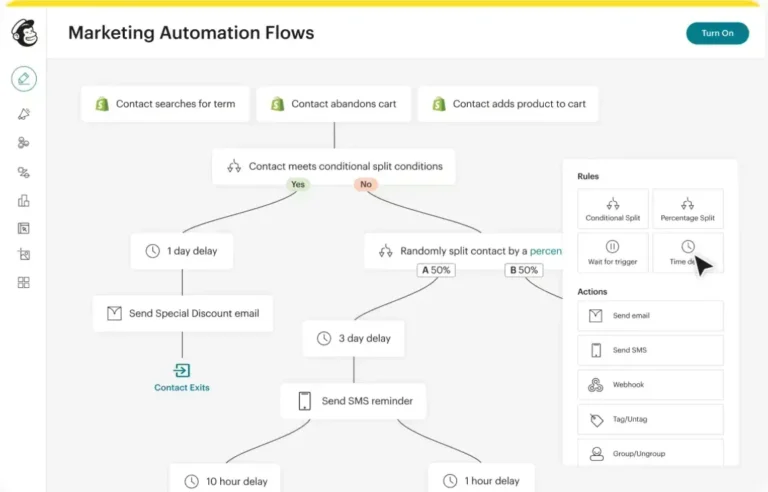
- Behavioral Triggered Messaging: Implement automated communication triggered by specific customer actions. This could include a welcome email sequence for new subscribers, a follow-up email after a purchase to solicit feedback, or a re-engagement campaign for inactive customers. These messages are inherently timely and relevant.
- Personalized Product Recommendations: Leverage data analytics to offer product suggestions tailored to individual preferences and past behavior. This demonstrates an understanding of the customer’s needs and can significantly enhance the shopping experience, often leading to increased conversion rates.
- Dynamic Website Content: Customize website content based on user data. This could involve displaying personalized greetings, highlighting relevant product categories, or offering promotions based on the visitor’s location or previous interactions with the site.
By aligning communications with a customer’s actual interests and needs, marketing messages transform from intrusive advertisements into valuable resources. This shift cultivates a sense of being understood and appreciated, significantly increasing the likelihood of repeat business and long-term brand affinity.
Delivering a Consistent and Exemplary Customer Experience
No business is immune to occasional operational challenges. A delayed shipment, an overwhelmed customer service team, or an unforeseen product issue can arise. Customers generally do not expect perfection; rather, they seek assurance that the company values their business and is committed to rectifying any shortcomings. These moments of difficulty, when handled effectively, present powerful opportunities to solidify customer loyalty.
The foundational step in addressing any issue is prompt resolution. This involves not only fixing the immediate problem but also undertaking a thorough analysis of its root cause to prevent recurrence. Empowering frontline staff with the autonomy to resolve customer concerns can significantly streamline this process.
Strategies for Consistent Experience:

- Empowerment of Frontline Staff: Granting customer service representatives the authority to offer solutions, such as issuing gift cards, providing discounts, or facilitating immediate replacements, can resolve disputes efficiently. This avoids the need for escalation to management, saving time and preventing customer frustration. A study by the Harvard Business Review found that companies with higher customer-centricity scores experienced a 24% increase in customer satisfaction and a 10% increase in revenue.
- Proactive Communication: In situations where a delay or issue is unavoidable, proactively informing customers can mitigate disappointment. Transparency about the situation and an estimated resolution time demonstrates respect for their time and builds trust.
- Honest and Apologetic Response: When a mistake occurs, owning it without making excuses is paramount. A sincere apology and a clear commitment to improvement foster a sense of humanity behind the brand, building a bond that can endure for years. This authenticity is a powerful differentiator in a crowded marketplace.
- Post-Resolution Follow-Up: After a problem has been resolved, a follow-up to ensure customer satisfaction can reinforce the company’s commitment to their experience. This demonstrates that the business values their feedback and is invested in their long-term happiness.
Cultivating a Thriving Customer Community
In today’s interconnected world, consumers are increasingly seeking communities where they can connect with like-minded individuals and share common interests. Businesses that can foster such environments tap into a powerful driver of loyalty. Providing a platform for customers to engage with each other and with the brand itself transforms a simple purchase into a more meaningful experience.
Building Community:
- Online Forums and Groups: Establishing dedicated online forums or private social media groups (e.g., on Facebook or LinkedIn) provides a space for customers to discuss products, share tips, and seek advice from both peers and company representatives. These platforms can become invaluable hubs for customer support and product feedback.
- User-Generated Content Initiatives: Encourage customers to share their experiences, reviews, and creative uses of products. This not only provides authentic social proof but also fosters a sense of ownership and belonging within the brand community. Running contests or feature campaigns for user-generated content can further incentivize participation.
- Engaging with Social Media Comments: Actively participating in the comments section of social media posts demonstrates attentiveness and a genuine interest in customer dialogue. Responding to questions, acknowledging feedback, and participating in discussions builds rapport and reinforces the brand’s accessibility. According to Sprout Social, 79% of consumers are more likely to buy from a brand they follow on social media, highlighting the importance of an active and engaged presence.
- Exclusive Events and Webinars: Hosting exclusive online or in-person events, such as Q&A sessions with product developers, workshops, or networking opportunities, can further strengthen community bonds and provide added value to loyal customers.
By creating a space for connection and shared experience, businesses can cultivate a loyal customer base that feels invested in the brand’s success and is more likely to remain engaged over the long term.
The Strategic Advantage of Effective Loyalty Programs
Well-designed loyalty programs serve as a powerful incentive for repeat business. The critical factor in their success is simplicity and clarity. Overly complex eligibility requirements or convoluted reward structures can deter potential participants. A straightforward model, where the value proposition is immediately apparent, is often the most effective.
Designing Effective Loyalty Programs:
- Clear Value Proposition: A program that offers a tangible and easily understood reward, such as a $10 credit for every $100 spent, immediately communicates its benefit to the customer. This direct correlation between spending and reward minimizes confusion and maximizes perceived value.
- Tiered Reward Systems: Implement tiered loyalty programs that reward increasing levels of engagement or spending with progressively better benefits. This can encourage customers to reach higher spending thresholds to unlock exclusive perks, such as early access to new products, personalized discounts, or dedicated customer support.
- Points-Based Systems: A points system where customers accumulate credits over time, which can then be redeemed for discounts, exclusive merchandise, or unique experiences, offers flexibility and encourages sustained engagement. The key is to ensure that the redemption threshold is achievable and the rewards are desirable.
- Gamification Elements: Incorporate gamified elements, such as badges, challenges, or leaderboards, to make the loyalty program more engaging and interactive. This can transform routine purchases into a more enjoyable experience.
- Personalized Rewards: Leverage customer data to offer personalized rewards that cater to individual preferences. This could include birthday discounts, special offers on frequently purchased items, or invitations to exclusive events related to their interests.
A loyalty program that feels beneficial and easy to navigate provides customers with a compelling reason to choose a particular brand over its competitors, fostering a sense of appreciation and encouraging ongoing patronage.
The Indispensable Role of Usable Consumer Feedback
To foster lasting customer loyalty, businesses must go beyond simply meeting basic expectations; they must proactively anticipate and address evolving customer needs. While intuition can play a role, relying solely on guesswork is a risky strategy. The most effective approach involves directly soliciting feedback from the customer base.
Leveraging Consumer Feedback:
- Post-Purchase Surveys: Implementing short, targeted surveys immediately following a purchase can capture valuable insights into the customer’s experience. Offering a small incentive, such as a discount on a future purchase, can significantly increase response rates and demonstrate a commitment to valuing customer opinions. According to SurveyMonkey, the average response rate for customer satisfaction surveys is around 30%.
- Feedback Forms and Suggestion Boxes: Providing easily accessible feedback channels on websites and in physical locations allows customers to share their thoughts and suggestions at their convenience.
- Social Listening and Sentiment Analysis: Actively monitor social media channels, online reviews, and forums for mentions of the brand. Utilize sentiment analysis tools to gauge overall customer perception and identify emerging trends or issues.
- Usability Testing: For digital products or services, conducting usability tests with actual customers can reveal critical areas for improvement in user interface and overall experience.
The true power of feedback lies not just in its collection, but in its diligent application. A customer who reports an issue and then observes its persistent recurrence will inevitably become disillusioned. A commitment to analyzing this data and implementing tangible changes based on customer input is crucial.
Closing the Feedback Loop:
- Communicate Changes: When a policy is revised, a feature is updated, or a problem is resolved as a direct result of customer feedback, it is imperative to communicate these changes to the audience. Announcements like, "We heard you, so we made this improvement," validate customer input and foster a sense of partnership. This transparency reinforces that their opinions are valued and that the business is committed to evolving alongside its customer base.
- Data-Driven Decision Making: Integrate customer feedback data into the broader business strategy. This data should inform product development, service enhancements, and marketing initiatives, ensuring that business decisions are aligned with customer needs and preferences.
By actively seeking, valuing, and acting upon customer feedback, businesses demonstrate a commitment to continuous improvement and customer-centricity, building a foundation of trust and loyalty that can withstand market fluctuations.
Conclusion: Building Sustainable Growth Through Stronger Relationships
While the pursuit of new clientele will always remain a significant component of business development, the cultivation of existing customer relationships is equally, if not more, vital for long-term success. By prioritizing personalization, delivering consistent experiences, fostering community, implementing effective loyalty programs, and actively leveraging customer feedback, businesses can build a robust foundation for sustainable growth. This strategic focus not only enhances resilience during periods of market uncertainty but also drives organic expansion through increased customer lifetime value and powerful word-of-mouth advocacy, often achievable without the need for extensive marketing expenditures. The enduring value of a loyal customer base cannot be overstated; it is the bedrock upon which resilient and thriving businesses are built.
About the Author