For years, Adobe Marketo Engage has been the undisputed titan in the realm of enterprise demand generation, a go-to solution for marketing operations teams navigating the complexities of lead nurturing, campaign execution, and revenue attribution. However, a significant shift is underway. A growing chorus of marketing operations leaders is now posing a critical question: "Is Marketo still the optimal choice, or are there superior Marketo alternatives worth considering?" This re-evaluation is driven by evolving market demands, technological advancements, and a desire for greater efficiency and cost-effectiveness.
The imperative for robust marketing automation has never been clearer. Projections indicate that by 2026, nearly half of all marketers will be leveraging automation to streamline their processes. This surge in adoption has intensified competition among platform providers, forcing a re-examination of established market leaders. This comprehensive guide delves into the top marketing automation platforms poised to challenge Marketo’s dominance, analyzes the crucial factors for selecting the right solution, and outlines a strategic approach to migration without sacrificing operational momentum.
Why Marketers Are Re-evaluating Marketo
Adobe Marketo Engage, a long-standing leader in the B2B marketing automation space, has been instrumental in facilitating lead nurturing, email marketing, account-based marketing (ABM), revenue attribution, and CRM integration for enterprise clients. For over a decade, it has been a benchmark in the industry. However, a confluence of factors is prompting many B2B marketing leaders, RevOps professionals, and agency principals to seek alternatives.
The High Total Cost of Ownership
While Marketo’s licensing fees are a significant component, they represent only the tip of the iceberg. The true total cost of ownership (TCO) extends far beyond these initial expenditures. It encompasses substantial investments in implementation services, ongoing administrative time, essential third-party integrations, specialized training for staff, and the procurement of various add-ons. For many organizations, the reality of maintaining and operating Marketo often presents a financial burden that exceeds initial projections, particularly when factoring in the intensive professional services required for successful deployment.
Steep Learning Curves and Administrative Dependency
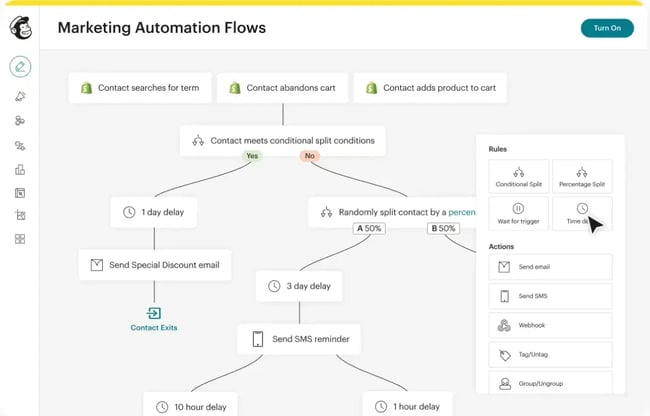
A common critique of Marketo is its steep learning curve, which often necessitates a dedicated, Marketo-certified administrator or reliance on external consulting firms. This dependency can create bottlenecks, slowing down campaign deployment and increasing operational overhead. The need for specialized expertise means that many marketing teams cannot independently manage and optimize their campaigns, leading to a reliance on a limited pool of skilled personnel, which can be both costly and a constraint on agility.
Fragmented Data Between Marketing and Sales
While Marketo integrates with CRM systems like Salesforce, the term "integrates with" does not equate to "unified with." Many organizations report persistent issues with data synchronization delays, inconsistencies in lead records, and friction during the crucial handoff between marketing and sales. In today’s data-driven environment, where seamless collaboration between revenue teams is paramount, these data silos can significantly hinder efficiency and lead to missed opportunities. The lack of a single, unified view of the customer journey can create a disconnect, impacting both marketing effectiveness and sales productivity.
Extended Time to Value
The implementation phase for Marketo can be a protracted process, often spanning three to six months before teams achieve full operational capacity. In a competitive market where speed and agility are critical, this extended timeline can be a significant disadvantage for companies eager to generate pipeline and drive revenue. The delay in realizing the full benefits of the platform can impact the ability to respond quickly to market changes or launch timely campaigns.

Platforms such as HubSpot’s Marketing Hub and Smart CRM directly address these identified gaps. HubSpot’s unified architecture seamlessly integrates marketing automation and CRM into a single system. Its intuitive visual workflow builder empowers marketing teams to operate autonomously, eliminating the need for specialized technical expertise or prolonged IT support. Furthermore, HubSpot’s onboarding timelines are typically measured in weeks, not months, facilitating a much faster time to value.
Marketo Alternatives at a Glance
Navigating the crowded landscape of marketing automation platforms requires a clear understanding of each solution’s strengths and weaknesses. The following table provides a comparative overview of prominent Marketo alternatives, highlighting their ideal use cases, key features, CRM integration capabilities, pricing structures, and inherent tradeoffs.
| Platform | Best For | Key Features | CRM Integration | Starting Price | Tradeoffs |
|---|---|---|---|---|---|
| HubSpot Marketing Hub + Smart CRM | Teams seeking unified CRM and marketing automation | AI workflows, lead scoring, multi-touch attribution, journey orchestration | Native, unified | Free tier; Prof: $800/mo | Scales with contact volume |
| Salesforce Marketing Cloud Account Engagement (Pardot) | Existing Salesforce customers | Lead scoring, Salesforce-native sync, engagement programs | Native (Salesforce only) | Starter: $25/month | Requires Salesforce; limited outside ecosystem |
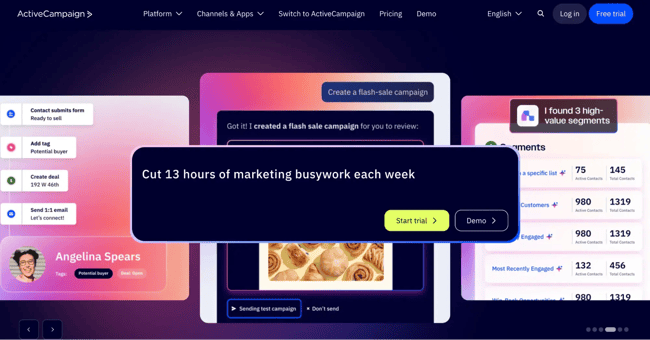
| Oracle Eloqua | Large enterprise, complex multi-touch programs | Advanced segmentation, ABM, global scale | Integrates with major CRMs | Custom pricing | Complex to implement; high cost |
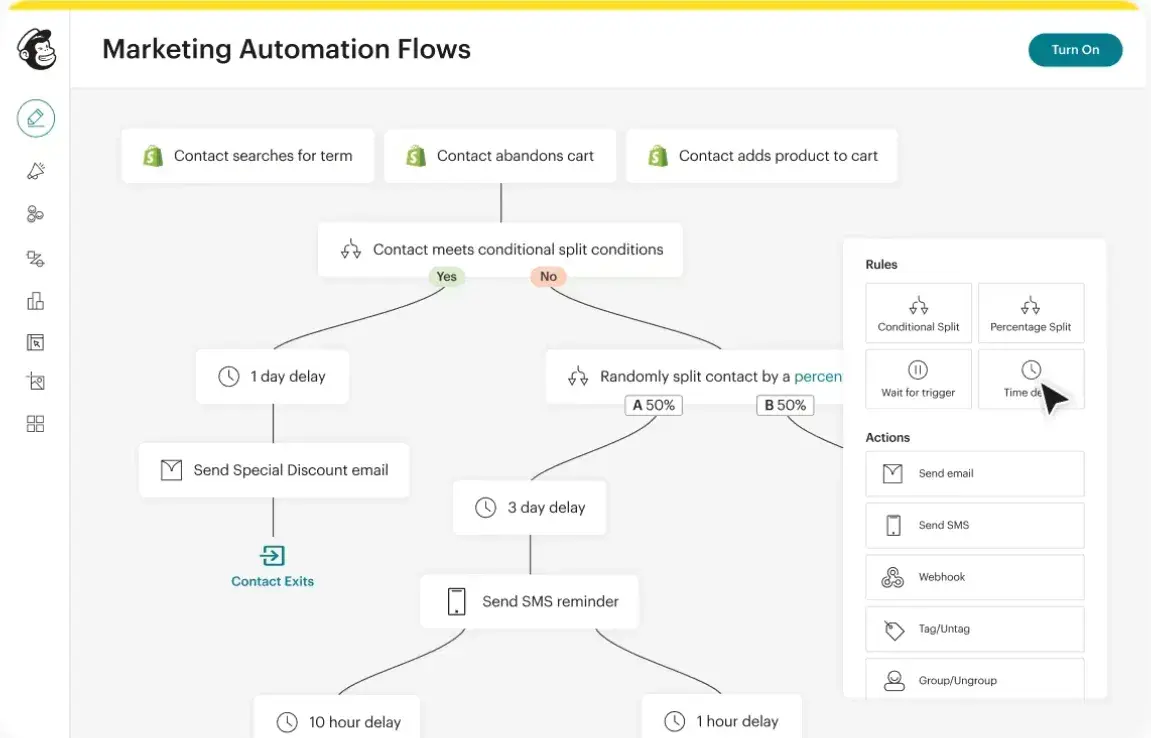
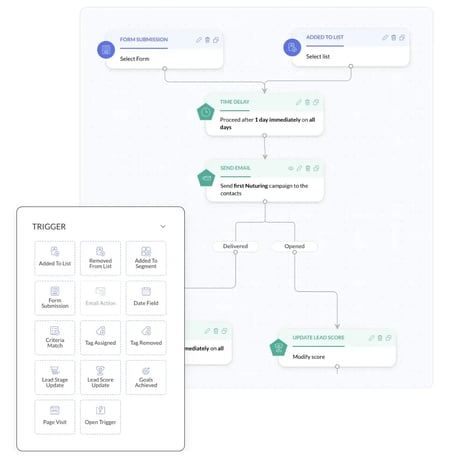
| ActiveCampaign | SMBs and mid-market teams | Email automation, CRM, segmentation | Built-in CRM | From $15/mo | Lighter on enterprise features |
| Zoho Marketing Automation | Budget-conscious teams in the Zoho ecosystem | Email, landing pages, lead scoring | Native Zoho CRM | From $15/mo | Best within Zoho stack |
| Microsoft Dynamics 365 Marketing | Microsoft-stack organizations | Event marketing, B2B journeys, Copilot AI | Native Dynamics 365 | From $1,700.00/mo | Complex licensing; IT-heavy implementation |
| Mailchimp | Small teams, early-stage companies | Email, automation, audience management | Basic integrations | Free tier; paid from $13/mo | Not built for complex B2B demand gen |
The Top Marketo Alternatives for Diverse Teams
When evaluating Marketo alternatives, businesses must consider their specific team size, existing technology stack, and unique use cases. The integration of AI features, such as predictive scoring, content generation, send-time optimization, summarization, and advanced analytics insights, is also a critical differentiator.
To gain expert insights, we consulted Siddharth Deswal, Founder of Enfra and a seasoned marketing leader with 14 years of experience and hands-on expertise across numerous marketing automation platforms. His perspective offers a practical lens on what these tools deliver in real-world scenarios.
1. HubSpot Marketing Hub + Smart CRM: The Unified Powerhouse
HubSpot emerges as a leading alternative, distinguished by its holistic, unified architecture that seamlessly integrates marketing automation with its Smart CRM. This foundational design eliminates the need for the complex integration layers often required by Marketo, thereby reducing data silos across marketing, sales, and service departments.
Unified Marketing Automation and CRM
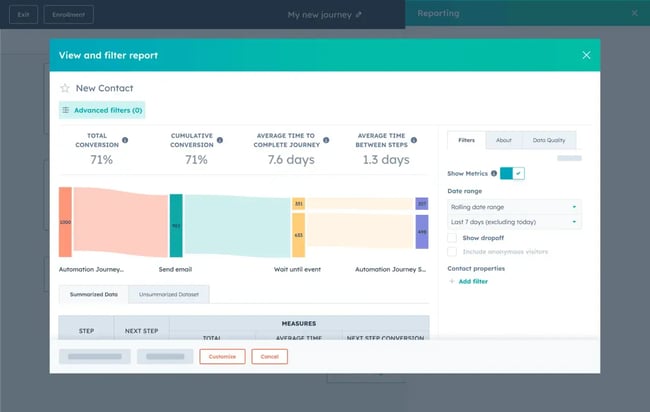
HubSpot’s Marketing Automation utilizes a visual workflow builder, allowing marketing teams to construct lead nurturing sequences, trigger-based campaigns, and multi-step automations with an intuitive drag-and-drop interface. This democratizes campaign creation, freeing marketers from the dependency on technical resources or IT departments, a significant departure from Marketo’s more intricate automation builder.
Advanced Customer Journey Orchestration
The platform’s Customer Journey Orchestration capabilities enable end-to-end automation across email, social media, and messaging channels. Real-time CRM data triggers each step, ensuring immediate adaptation of the customer journey as contact statuses change. This eliminates the need for complex stitching of disparate tools or waiting for data synchronization.

AI-Powered Lead Scoring and Prioritization
HubSpot’s AI-assisted Lead Scoring analyzes fit and engagement data to automatically prioritize high-potential leads. These scores are directly visible within the CRM, ensuring marketing and sales teams operate from a shared understanding of lead quality, rather than relying on separate, potentially conflicting, data sets. This contrasts with Marketo’s lead scoring, which often demands extensive configuration and continuous maintenance.
Comprehensive Reporting and Revenue Attribution
Advanced Marketing Reporting within HubSpot provides multi-touch revenue attribution and customer journey analytics. This empowers marketing teams to demonstrate campaign ROI and their direct impact on closed revenue without the extensive custom reporting setup typically associated with Marketo. The native data integration within the platform obviates the need for data exports, middleware, or manual reconciliation.
Marketing Studio: An Integrated Workspace
The Marketing Studio consolidates campaign planning, content creation, and execution into a single, AI-powered environment. For teams accustomed to juggling Marketo with separate content management, project management, and briefing tools, this consolidation significantly reduces coordination overhead and accelerates campaign deployment.
AI-Driven Personalized Emails
HubSpot’s AI-Powered Emails automate personalized 1:1 email content at scale, leveraging live CRM data. This feature obviates the manual segmentation and token-building processes often required in Marketo, allowing for more dynamic and relevant customer communication.
Seamless Contact Management and Smart CRM
The Smart CRM centralizes all customer interactions—emails, form submissions, page visits, campaign responses—into a unified contact record. This provides marketing and sales teams with complete context without the need to switch between disparate systems or export data. Integrated Reporting Dashboards offer real-time insights into campaign performance and pipeline contribution.
Pricing and Expert Endorsement: HubSpot Marketing Hub offers a free edition, with Professional plans starting at $800 per month, scaling with contact volume and feature sets. The overall cost of ownership, including the integrated CRM, is often substantially lower than Marketo’s TCO, considering implementation, administrative, and integration costs. Siddharth Deswal enthusiastically endorses HubSpot as his preferred Marketo alternative, citing its "simplicity, power, and great design," deeming it "well worth the price" for sophisticated, data-driven email campaigns.
2. Salesforce Marketing Cloud Account Engagement (Pardot): For the Salesforce Ecosystem
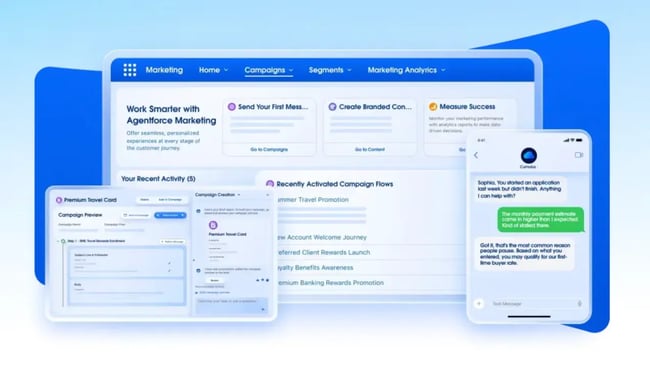
Salesforce Marketing Cloud Account Engagement, formerly Pardot, is the most logical choice for organizations deeply entrenched in the Salesforce ecosystem. Its native integration ensures a seamless flow of contact records, opportunity data, and engagement history between marketing and sales platforms without the need for a separate sync layer.
Key Features: Pardot offers robust lead scoring, Salesforce-native synchronization, and engagement program management, aligning closely with the needs of sales-centric organizations.
Pricing: Plans begin at $25 per month for the Starter tier, with Advanced and Premium tiers offering more comprehensive features at higher price points.
Expert Opinion: While valuable for its tight Salesforce integration, Deswal notes that Pardot often lacks the intelligence and capabilities found in platforms like HubSpot, particularly concerning landing page creation and overall campaign sophistication.
Tradeoff: The primary limitation of Pardot is its ecosystem dependency. Its value proposition diminishes significantly outside of the Salesforce environment, making it less suitable for companies not utilizing Salesforce CRM or considering a CRM overhaul.
3. Oracle Eloqua: Enterprise-Scale Sophistication
Oracle Eloqua mirrors Marketo in its enterprise-grade scale and complexity, catering to organizations requiring highly sophisticated multi-touch programs, global deployments, and advanced ABM capabilities. However, it carries a comparable implementation and operational cost profile.
Key Features: Eloqua excels in advanced segmentation, ABM strategies, and global scalability, providing powerful tools for complex marketing initiatives.
Pricing: Oracle Eloqua operates on a custom pricing model, typically positioned within the mid-to-high enterprise range.
Expert Opinion: Deswal characterizes Eloqua as an "expensive email marketing system with powerful lead management capabilities," but argues it’s best suited for large B2C entities struggling with extensive data duplication rather than modern B2B marketing needs.
Tradeoff: The implementation complexity and high cost are significant considerations. Organizations migrating from Marketo to Eloqua must carefully assess whether they are solving underlying issues or merely exchanging one complex platform for another.
4. ActiveCampaign: Empowering SMBs and Mid-Market Teams
ActiveCampaign is a compelling option for small to medium-sized businesses (SMBs) and mid-market companies seeking potent email automation and CRM capabilities without the enterprise-level price tag or implementation hurdles. Its user-friendly automation builder allows marketers to develop sophisticated campaigns without requiring extensive technical support.
Key Features: ActiveCampaign offers robust email automation, an integrated CRM, and advanced segmentation tools, making it versatile for growing businesses.
Pricing: Plans start at $15 per month, with enterprise solutions available that scale with contact volume.
Expert Opinion: Deswal highlights ActiveCampaign’s automation builder as a refreshing alternative for teams overwhelmed by Marketo’s complexity, emphasizing its operational simplicity.
Tradeoff: The platform’s reporting and attribution capabilities are less advanced compared to enterprise-grade solutions like Marketo or HubSpot. Teams heavily reliant on intricate multi-touch attribution and detailed revenue analytics may find its reporting features to be a limiting factor.
5. Zoho Marketing Automation: A Value-Driven Ecosystem Solution
Zoho Marketing Automation is an optimal choice for organizations already integrated into the Zoho ecosystem, particularly those utilizing Zoho CRM. The native integration ensures a seamless experience, and the combined cost of the Zoho suite offers significant value.
Key Features: This platform includes essential tools for email marketing, landing page creation, and lead scoring, all integrated within the broader Zoho suite.
Pricing: Plans begin at $14 per month, providing an accessible entry point for businesses.
Expert Opinion: Deswal commends Zoho’s comprehensive suite for budget-conscious teams needing to cover marketing automation, CRM, and basic sales tooling, noting its impressive value proposition.
Tradeoff: Integration options outside the Zoho ecosystem are more limited. For companies accustomed to Marketo’s advanced ABM and enterprise segmentation capabilities, Zoho Marketing Automation may appear less feature-rich.
6. Microsoft Dynamics 365 Marketing: For the Microsoft-Centric Enterprise
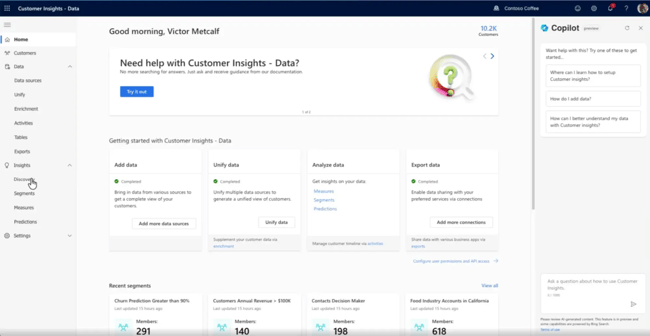
For organizations heavily invested in the Microsoft ecosystem, including Microsoft 365 and Dynamics CRM, Microsoft Dynamics 365 Customer Insights offers native integration with tools like Teams, SharePoint, and Power BI.
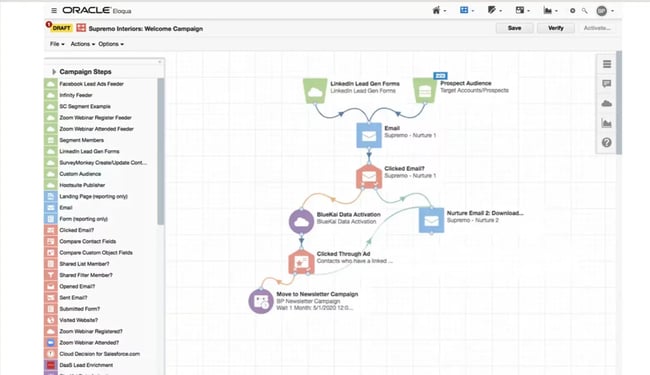
Key Features: This platform integrates event marketing, B2B journey orchestration, and AI-powered assistance through Microsoft Copilot, enhancing content generation and campaign optimization.
Pricing: The marketing application starts at $1,700 per month, with bundled pricing available across various Dynamics 365 modules.
Expert Opinion: Deswal points to the value of Microsoft Copilot for AI-driven content creation and campaign insights, particularly for organizations already within the Microsoft ecosystem.
Tradeoff: Dynamics 365 Marketing’s licensing can be complex, and implementation often requires significant IT involvement, making it less accessible for teams seeking immediate self-service capabilities.
7. Mailchimp: The Entry-Level Contender
Mailchimp is frequently considered by early-stage companies due to its ease of use and accessible pricing. While it offers basic automation and email marketing features, it is not a direct replacement for the sophisticated B2B demand generation capabilities of Marketo.
Key Features: Mailchimp provides foundational tools for email marketing, automated workflows, and audience management.
Pricing: A free tier is available, with paid plans starting from $13 per month.
Expert Opinion: Deswal acknowledges Mailchimp’s strengths in email design and suitability for small businesses just starting out, but cautions that it lacks the power required for complex marketing strategies. He advises growing companies to consider a more robust solution like HubSpot to avoid a premature migration.
Tradeoff: Mailchimp is not designed for complex B2B demand generation, lacking the advanced features for intricate nurture sequences, ABM, or multi-touch attribution.
Key Features to Evaluate When Moving Beyond Marketo
Selecting a new marketing automation platform requires a meticulous evaluation of critical features, moving beyond a simple feature-for-feature comparison with Marketo. The focus should be on identifying solutions that address current pain points and align with future strategic goals.
Marketing Automation and Workflow Sophistication
Marketo’s strength lies in its powerful, albeit complex, smart campaigns and trigger logic. When evaluating alternatives, it’s crucial to map your most critical existing programs—such as nurture sequences, lead routing workflows, alert triggers, and scoring programs—and assess how each vendor can replicate them. Demonstrations should focus on your three most complex programs to gauge true capability.
Seamless CRM Integration and Data Unification
Marketo’s reliance on a sync layer for CRM integration can lead to data delays and inconsistencies. Prioritize platforms that offer native CRM functionality or a significantly tighter integration model. A unified CRM and marketing platform is key to breaking down data silos and fostering seamless collaboration across revenue teams.
Advanced Lead Scoring and Segmentation
Evaluate the flexibility and intelligence of lead scoring mechanisms, including demographic fit, behavioral engagement, and score decay. AI-assisted scoring that adapts over time can significantly reduce manual maintenance. Assess segmentation capabilities to ensure they can accommodate your ICP filters, firmographic layering, and persona-based segments without requiring custom coding.
Multi-Channel Campaign Execution
Modern B2B marketing spans multiple channels, including email, paid advertising, social media, and direct outreach. The chosen platform should support your full channel mix and, ideally, orchestrate these channels within a unified workflow, rather than requiring the management of disparate tools and manual handoffs.
Robust Revenue Attribution and Reporting
Marketo’s reporting often necessitates additional investment and configuration for multi-touch attribution. The ideal alternative should provide clear answers to funnel conversion rates, campaign ROI, revenue influence, and sales handoff performance. Key questions to ask vendors include: "Can we easily access multi-touch attribution reports?" and "How does your platform connect marketing efforts to closed-won revenue?" The opportunity cost of inadequate attribution data can significantly impact strategic decision-making.
Streamlined Migration and Onboarding
Successful transitions hinge on meticulous planning. Inquire about each vendor’s standard migration process, including data import capabilities, program conversion tools, and dedicated onboarding support. Understanding the onboarding timeline and the resources provided can significantly influence the speed and success of your adoption.
Navigating the Migration Process
Migrating from a complex platform like Marketo can seem daunting, but a structured approach can mitigate challenges and ensure a smooth transition.
Step 1: Audit Current Marketo Usage
Begin by identifying which Marketo programs and features are actively driving results. Many instances contain underutilized or obsolete components. Focus on migrating what is essential and effective, streamlining your new platform’s configuration from the outset.
Step 2: Data Export and Cleansing
Extract all relevant data, including contacts, lead scores, activity history, and campaign associations. Crucially, clean this data before migration. Duplicate records and inaccurate information will only perpetuate problems in a new system.
Step 3: Integration Mapping
Compile a comprehensive list of all tools currently integrated with Marketo, such as CRMs, ad platforms, and data enrichment vendors. Verify native integration capabilities within your target platform to avoid unforeseen gaps.
Step 4: Prioritize Program Rebuilding
Focus on rebuilding your highest-priority programs first, particularly those directly supporting active pipeline generation, such as top-of-funnel nurture sequences and lead routing workflows. Tackle lower-priority campaigns after these core functions are operational.
Step 5: Validate Data Synchronization
Before a full go-live, conduct parallel testing with your CRM to confirm that contact records, scoring data, and campaign associations are syncing correctly. This validation step is critical for catching and rectifying any data discrepancies.
Step 6: Strategic Go-Live Planning
Select a go-live date that avoids peak campaign periods. A mid-quarter launch can provide ample time for stabilization before critical selling windows.
Step 7: Comprehensive Team Training
Invest in structured training for your team before the go-live date. Early and consistent onboarding ensures faster adoption and reduces the likelihood of reverting to old workflows.
Frequently Asked Questions About Marketo Alternatives
How Long Does Marketo Migration Typically Take?
Migrations generally range from 60 to 180 days, depending on database size, program complexity, and integration requirements. Platforms with robust onboarding, like HubSpot, can facilitate core migrations within 60-90 days. Larger, more complex enterprise migrations may extend to six months.
What Data and Assets Cause Migration Problems?
Common issues include duplicate contact records, undocumented scoring logic, deprecated Marketo features in nurture programs, and incompatible CRM field mappings. A pre-migration data audit is the most effective way to mitigate these challenges.
Should Marketo and a New Platform Run in Parallel?
A brief parallel run (two to four weeks) is advisable for validating data synchronization and building confidence. However, extended parallel operation can create confusion regarding data authority.
How to Estimate Total Cost Beyond Licenses?
Total cost of ownership (TCO) includes implementation services, administrative staff, integrations, training, and potential add-ons. For Marketo, TCO is often estimated at 2-3 times the license fee alone. Prospective buyers should seek comprehensive TCO estimates from vendors.
What is the Key Difference Between Marketo and HubSpot?
Marketo is a standalone marketing automation platform requiring a separate CRM. HubSpot is a unified platform integrating marketing automation and CRM, eliminating data sync issues and simplifying reporting. HubSpot typically offers faster implementation and lower operational complexity.
When to Choose a Unified CRM and Marketing Platform?
A unified platform is ideal when data fragmentation between marketing and sales creates friction, such as delayed lead handoffs or inconsistent contact records. If your team spends significant time reconciling data or relies on manual reporting, a unified system offers a structural solution.
Are There Marketo Alternatives with Strong Event-Based Triggers?
Yes, platforms like HubSpot, ActiveCampaign, and Pardot support event-based triggers. HubSpot’s real-time CRM data ensures immediate trigger execution, which is crucial for time-sensitive campaign logic. Verifying trigger latency is a key evaluation point.
Selecting the Optimal Marketo Alternative
The ideal Marketo alternative is dictated by your primary pain points: fragmented data, operational complexity, or excessive cost. HubSpot’s Marketing Hub and Smart CRM offer a unified solution addressing all these concerns with advanced features like predictive analytics, multi-touch attribution, and AI-powered capabilities, making enterprise-grade functionality accessible to leaner operations teams.
Regardless of the chosen platform, a strategic migration approach is paramount. Thoroughly audit your existing usage, cleanse your data before migration, and rigorously evaluate alternatives against your actual business needs, not theoretical ones. This disciplined approach ensures a successful transition and empowers your team to leverage its new platform to its fullest potential.
About the Author