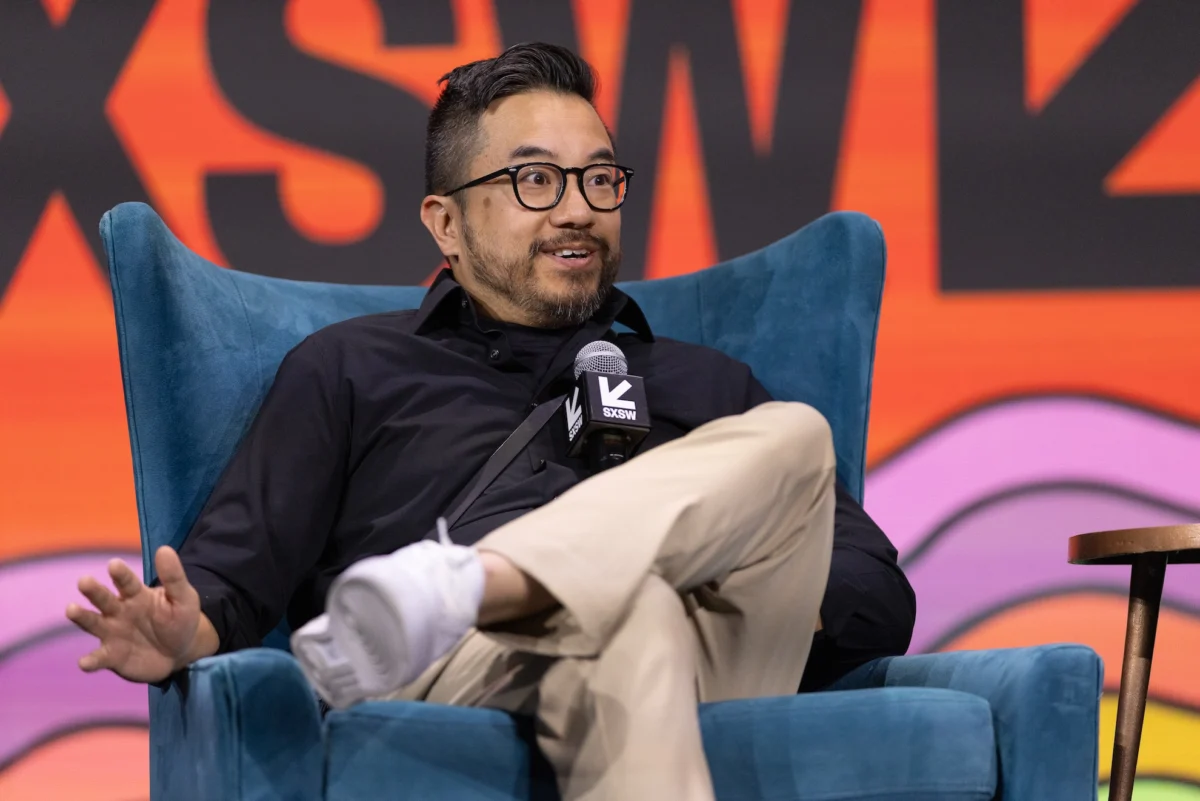
The burgeoning artificial intelligence landscape is currently grappling with complex questions surrounding knowledge transfer and intellectual property, particularly concerning the practice of "distillation." This technique, where AI models learn by querying and analyzing the outputs of other, more advanced models, has become a focal point of debate, especially as allegations of unauthorized use surface. In this charged environment, Garry Tan, the CEO of the prestigious startup accelerator Y Combinator, has emerged as a vocal proponent of a more open approach, suggesting that U.S. AI labs should embrace distillation, even proposing the establishment of an "American distillation regime." His stance directly contrasts with calls from some industry leaders for stricter regulatory oversight.
Tan’s perspective, articulated in recent interviews, centers on fostering a more robust and accessible ecosystem of open-weight AI models within the United States. He argues that the current discussions, often framed around "illicit distillation attacks," overlook the broader implications for innovation and the democratization of AI technology. By advocating for U.S. labs to engage in distillation, Tan envisions a scenario where smaller, domestically developed open-weight models can learn from and build upon the capabilities of larger, frontier AI systems, thereby enriching the available open-source AI options and ensuring they are not solely dominated by foreign entities.
The core of Tan’s argument rests on two foundational principles: the perceived overreach of AI labs in dictating how their models’ outputs can be utilized, and a historical parallel with the training data acquisition practices of proprietary AI developers. He contends that once data, even if generated by an AI model, is made accessible through an API or other interface, its subsequent use should not be unduly restricted by the provider. Furthermore, he draws attention to the fact that many leading proprietary AI models were trained on vast datasets, often including copyrighted material, without explicit permission from the intellectual property holders. This perceived hypocrisy, he suggests, weakens the argument for imposing stringent limitations on downstream users.
The Rise of Distillation and the Anthropic Allegations
The debate around distillation has intensified following recent reports from Anthropic, a prominent AI safety and research company. Anthropic has released multiple reports detailing alleged "illicit distillation attacks" originating from Chinese AI labs. These reports claim that these labs are employing deceptive tactics, including the use of stolen credentials and fraudulent identities, to extract knowledge from frontier models without authorization. The company’s CEO, Dario Amodei, has been an outspoken advocate for regulatory intervention, urging U.S. authorities to crack down on these practices, which he characterizes as a threat to fair competition and intellectual property.
Anthropic’s September 2026 "Threat Intelligence Report" provided further details on these alleged illicit activities, building upon earlier concerns raised by the company. This ongoing reporting has contributed to a growing unease within certain segments of the AI industry and among policymakers, fueling calls for a more proactive stance on safeguarding AI model integrity and preventing the unauthorized appropriation of proprietary research.
Tan’s Counter-Narrative: A Call for Openness and Parity
Y Combinator’s CEO, however, offers a distinct counter-narrative. Tan’s suggestion that U.S. labs should "play the same game" does not extend to advocating for unethical or illegal methods, such as the use of stolen credentials. Instead, his proposal is rooted in the idea of creating a level playing field and fostering innovation through legitimate means. He believes that restricting the ability of smaller labs to learn from more advanced models stifles competition and concentrates power within a few dominant entities.
"I would do nothing," Tan stated in a recent interview with CNBC, referring to the prospect of regulators intervening in the current practices of Chinese labs. He elaborated to TechCrunch that this means he wants smaller, American open-weight AI labs to use the same kind of training techniques on American frontier AI labs, giving the U.S. a more robust set of open-weight options that aren’t Chinese. This sentiment underscores his belief that prohibition is not the answer, but rather reciprocal engagement.
The practice of distillation, in its essence, involves a model maker extensively prompting another model to understand its operational logic and reasoning processes. This method is a legitimate and widely used technique for training new AI models, enabling them to achieve higher performance and efficiency by leveraging the knowledge embedded in pre-existing, more powerful systems. It is akin to a student learning from a teacher or a junior researcher building upon the foundational work of a senior colleague.
The "Public Good" Argument and Historical Precedents
Tan’s argument for an "American distillation regime" is multifaceted. He posits that it is an overreach for AI labs to dictate the permissible uses of the information their models generate. When an API call is made to a closed-weight model, the resulting output, in his view, should not be subject to overly restrictive terms of service that limit how a user or customer can subsequently employ that information.
He further bolsters this point by referencing the development trajectory of proprietary AI. Many of these frontier models were trained on immense datasets, often scraped from the public internet, which included vast amounts of human-generated knowledge, including copyrighted text, images, and code. This data ingestion process, Tan notes, frequently occurred without the explicit consent or compensation of the original creators. The recent landmark settlement involving Anthropic, where the company reached an agreement concerning copyright claims related to its training data, serves as a concrete example of the complexities and legal challenges surrounding this data acquisition.
"Controlling what users and customers do with API calls to closed weight models feels constraining, and there’s a role government can play here to normalize the fact that access to intelligence that was trained on broad public access data should itself also be more a form of a public good than something locked away behind restrictive terms of service," Tan explained to TechCrunch. This perspective frames AI knowledge, particularly that derived from publicly accessible data, as a common resource that should be more widely available, rather than a commodity exclusively controlled by its creators.
Balancing Frontier Innovation and Open Access
Garry Tan, a known enthusiast of AI technology, even describing himself in the past as having "cyber psychosis" due to his deep engagement with AI tools, emphasizes the need for a delicate equilibrium between the development of cutting-edge, proprietary AI and the proliferation of accessible, open-weight models. He acknowledges the crucial role of frontier AI labs in pushing the boundaries of what is technologically possible.
"They are at the frontier and driving it forward. We want that to be fundable, and be a great business model ongoing," he told CNBC. "You want open weight models to give people freedom and access." This dual objective highlights his desire to support the commercial viability of leading AI research while simultaneously promoting an environment where a diverse range of developers can access and build upon these advancements.
Tan’s underlying concern appears to be the consolidation of AI power. He views the concentration of all advanced AI capabilities within a single, monolithic entity as a "nightmare scenario" for the future of the technology. Such a scenario, he argues, would inevitably lead to a situation where one company, possessing unparalleled access to capital and top research talent, could dominate the field, potentially stifling innovation and limiting access for others. This fear of a single point of control is a recurring theme in discussions about the long-term implications of artificial intelligence.
Implications for the U.S. AI Ecosystem
Tan’s proposition for an "American distillation regime" carries significant implications for the U.S. AI industry. If adopted, it could lead to a more competitive landscape for open-weight models, fostering innovation and potentially reducing reliance on foreign-developed AI technologies. This could translate into greater technological sovereignty for the U.S. in the critical field of artificial intelligence.
However, the call for such a regime also invites further scrutiny and debate. Questions will undoubtedly arise regarding the precise definition of "legitimate" distillation, the mechanisms for ensuring ethical data practices, and the potential for unintended consequences, such as the further erosion of intellectual property protections for model developers. The legal and ethical frameworks surrounding AI development and knowledge transfer are still in their nascent stages, and Tan’s proposal adds another layer of complexity to these ongoing discussions.
The stance taken by Y Combinator, a significant player in the startup ecosystem, could influence investment trends and the strategic direction of emerging AI companies in the United States. Investors and founders will likely weigh Tan’s perspective as they navigate the evolving landscape of AI development and intellectual property rights.
Looking Ahead: Regulatory Considerations and Industry Response
The contrasting viewpoints of Garry Tan and leaders like Dario Amodei highlight a fundamental divergence in how the AI community perceives the path forward. While Anthropic and its allies are pushing for regulatory intervention to curb alleged illicit activities, Tan is advocating for a more laissez-faire approach, coupled with a proactive embrace of distillation as a tool for empowering domestic AI development.
The U.S. government and regulatory bodies will face the challenge of balancing these competing interests. Striking a balance that encourages innovation, protects intellectual property, and ensures fair competition will be paramount. The debate over distillation is not merely a technical or legal one; it touches upon broader economic and geopolitical considerations related to global leadership in artificial intelligence. The decisions made in the coming months and years regarding AI model training, data usage, and knowledge transfer will shape the future trajectory of this transformative technology. The call for an "American distillation regime" by a figure as influential as Garry Tan ensures that this complex conversation will continue to be a central focus within the U.S. tech and policy spheres.
About the Author