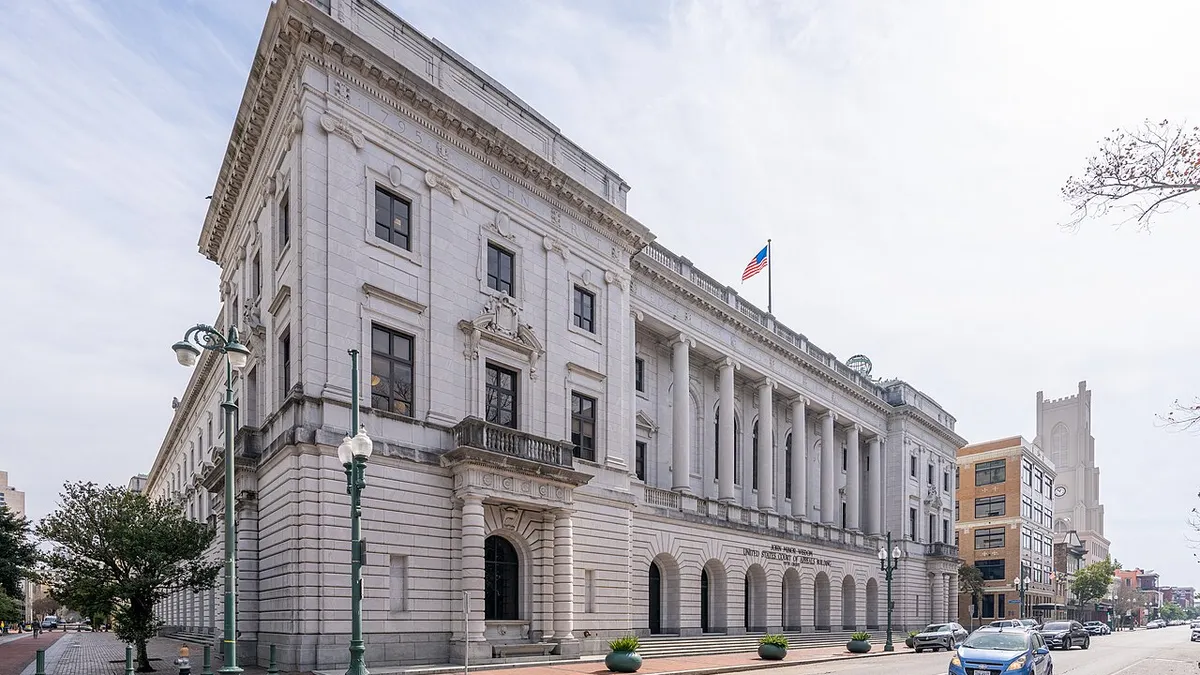
The Fifth U.S. Circuit Court of Appeals has overturned a lower court’s decision, allowing a former employee’s hostile work environment claims to proceed. The appellate court found that the plaintiff presented sufficient evidence to suggest that her employer’s investigation into her allegations was neither "insufficiently prompt nor thorough." This ruling, issued on July 17, 2026, by the New Orleans-based federal appeals court, marks a significant step in the legal battle and potentially sets a precedent for how employers must handle such claims.
Background of the Case
The plaintiff, whose identity has not been widely disclosed in initial reports, alleged she was subjected to a hostile work environment during her tenure at Corpus Christi Medical Center (CCMC), operating under the umbrella of Bay Area Healthcare Group. Her claims centered on a pattern of alleged harassment, including the use of derogatory language and discriminatory conduct directed at her and her colleagues. She further contended that the medical center failed to take adequate remedial action when presented with her complaints.
Initially, a district court had granted summary judgment in favor of the employer, effectively dismissing the case before it could go to trial. This decision was based on the employer’s argument that it had taken appropriate steps to address the reported harassment. However, the plaintiff appealed this ruling, arguing that the investigation conducted by CCMC was superficial and did not effectively resolve the issues she raised.
Plaintiff’s Evidence and Allegations
The core of the plaintiff’s argument, and the evidence she presented to the Fifth Circuit, included her own deposition testimony, the sworn statements of a Black co-worker, and a series of emails that meticulously documented the alleged harassing incidents. These communications reportedly detailed repeated instances of offensive language and discriminatory behavior, creating an atmosphere that the plaintiff described as deeply detrimental to her well-being.
According to the plaintiff’s account, these experiences had a profound psychological impact. She testified that the hostile environment caused her to "question how she could function in such an environment and made her feel ‘less than human.’" To corroborate her claims of emotional distress, she submitted counseling records indicating that she was suffering from significant distress, trauma, and fear of further harm as a direct result of the workplace conduct. Furthermore, she asserted that her job performance deteriorated due to the pervasive negativity and stress, a common consequence in environments where employees feel unsafe or devalued.
A critical element of the plaintiff’s case that resonated with the Fifth Circuit was the concept of "secondhand harassment." She provided evidence that she not only experienced the harassment directly but also witnessed her co-worker enduring similar discriminatory treatment. The Fifth Circuit, referencing its established legal precedent, acknowledged that such secondhand harassment "weighs in [her] favor when assessing the totality of the circumstances." This suggests that the court views the impact of witnessing harassment on others as a valid component of a hostile work environment claim, broadening the scope of employer liability.
Legal Framework and Employer’s Defense
Under federal workplace civil rights legislation, most notably Title VII of the 1964 Civil Rights Act, employers can be held legally accountable for harassment if they were aware, or should have been aware, of the discriminatory conduct and failed to implement prompt and effective corrective measures. This legal standard places a significant onus on employers to proactively address and mitigate workplace harassment.

In its defense, CCMC and Bay Area Healthcare Group maintained that they had indeed fulfilled their legal obligations. The employer’s representatives asserted that they had conducted interviews with staff members involved and provided coaching to nurses allegedly responsible for the offensive conduct. CCMC also reportedly offered to transfer the plaintiff to a different department as a means of resolving her concerns. These actions, the employer argued, demonstrated a commitment to addressing the reported issues and preventing further occurrences.
The Fifth Circuit’s Scrutiny of the Investigation
However, the Fifth Circuit found these employer actions insufficient to warrant summary judgment. The appellate court’s decision highlighted several critical deficiencies in CCMC’s response. Specifically, the court pointed to discrepancies in the testimony of CCMC staff regarding the investigation and interview records. This inconsistency raised doubts about the thoroughness and accuracy of the employer’s internal review process.
Further complicating CCMC’s defense, the employer failed to produce a comprehensive investigation file or detailed notes during the discovery phase of the litigation. This lack of documentation hindered the court’s ability to fully assess the depth and rigor of the investigation. The plaintiff, conversely, presented evidence suggesting that managers involved in the investigation had made dismissive remarks, such as informing her that "the cliques were not going anywhere." This statement, if true, would indicate a lack of commitment to dismantling the alleged harassing environment. Moreover, the plaintiff alleged that the harassment persisted even after the employer’s purported investigation, suggesting that the corrective actions, if any, were ineffective.
"Ultimately, the plaintiff ‘has pointed to evidence that CCMC’s investigation was insufficiently prompt and thorough,’ the court said," underscoring the critical finding that the employer’s response did not meet the legal threshold for adequate action. This statement from the court implies that the investigation was either too slow to initiate, lacked the necessary depth to uncover the full extent of the problem, or failed to implement measures that would effectively stop the harassment.

Broader Implications and Precedents
The Fifth Circuit’s decision aligns with a broader trend in employment law where courts are increasingly scrutinizing employer responses to harassment allegations. The repeated use of epithets or slurs has consistently been recognized as a key indicator of a hostile work environment. For instance, in a 2019 ruling, the Ninth U.S. Circuit Court of Appeals determined that a manager’s use of four racial slurs over a single year was sufficient evidence to establish an abusive work environment for the plaintiff. This precedent emphasizes that even seemingly isolated or infrequent occurrences of severe discriminatory language can contribute to a hostile atmosphere.
More recently, in a case decided just prior to this one, the Tenth U.S. Circuit Court of Appeals revived a hostile work environment claim against Walmart. In that instance, the court found that a plaintiff who faced multiple discriminatory acts had plausibly alleged the existence of such an environment. These cases collectively underscore the judiciary’s growing expectation that employers must demonstrate a robust and proactive approach to preventing and addressing workplace harassment, going beyond superficial inquiries and implementing meaningful corrective actions.
The implications of the Fifth Circuit’s ruling extend beyond this specific case. It serves as a critical reminder for employers across all industries, particularly those operating within the Fifth Circuit’s jurisdiction, to review and strengthen their internal policies and procedures for handling harassment complaints. The ruling highlights the importance of:
- Promptness: Initiating investigations without undue delay is crucial. Delays can be interpreted as a lack of seriousness or a tacit endorsement of the ongoing harassment.
- Thoroughness: Investigations must be comprehensive, involving interviews with all relevant parties, a review of all available evidence (including electronic communications and witness accounts), and a detailed documentation of findings.
- Effectiveness: Corrective actions must be proportionate to the offense and demonstrably aimed at preventing recurrence. This may involve disciplinary measures, training, policy reinforcement, or environmental changes, depending on the nature of the harassment.
- Documentation: Maintaining meticulous records of all complaints, investigations, and actions taken is essential for demonstrating compliance and defending against future legal challenges.
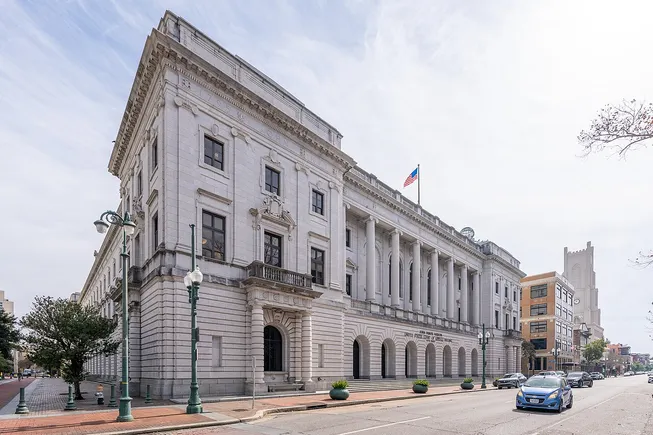
The decision by the Fifth Circuit signifies that employers cannot simply conduct a cursory review and expect to be shielded from liability. The court’s emphasis on the plaintiff’s evidence, including her testimony, co-worker accounts, emails, and counseling records, underscores the multifaceted nature of proof in hostile work environment cases. The failure of CCMC to provide complete documentation further weakened its position, suggesting that transparency and thorough record-keeping are paramount. As this case proceeds, it will likely continue to inform best practices for workplace harassment prevention and investigation protocols, reinforcing the legal and ethical obligations of employers to foster safe and respectful working environments. The visual representation of the John Minor Wisdom U.S. Court of Appeals Building in New Orleans, Louisiana, serves as a backdrop to this significant legal development, symbolizing the pursuit of justice within the federal appellate system.
About the Author