The intersection of public health safety and corporate reputation has reached a point of friction as the Food and Drug Administration (FDA) and Taylor Farms, a major California-based produce supplier, engage in a public dispute over the details of a massive multi-state parasitic outbreak. What began as a standard voluntary recall of iceberg lettuce has evolved into a complex debate over laboratory accuracy, regulatory communication, and the methodologies used to track foodborne illnesses. As thousands of Americans suffer from the debilitating effects of cyclosporiasis, the two entities remain at odds over a "false positive" test result and whether an official apology was ever issued.
The Genesis of the Outbreak and Initial Recall
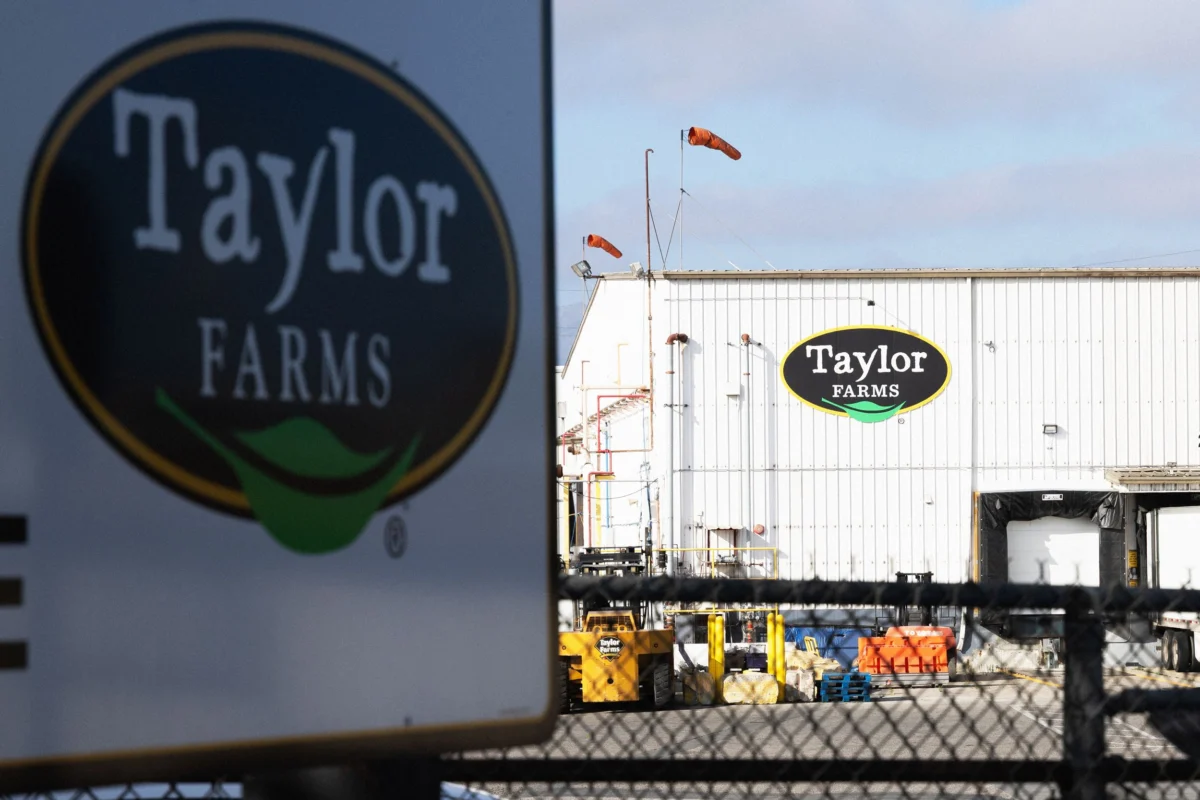
The current crisis traces its origins to mid-July 2026, when health officials began noticing a spike in cases of cyclosporiasis, an intestinal illness caused by the microscopic parasite Cyclospora cayetanensis. On July 17, Taylor Farms issued a voluntary recall of iceberg lettuce sourced from its operations in Central Mexico. The recall was prompted by an investigation linking the produce to a cluster of illnesses across at least five states.
Cyclospora is typically transmitted when people ingest food or water contaminated with infected feces. Unlike bacterial pathogens like E. coli or Salmonella, Cyclospora is a protozoan parasite that requires a period of time outside the host to become infectious, making its trackability unique and often difficult for traditional food safety protocols to catch in real-time. The symptoms, which include "explosive" diarrhea, loss of appetite, weight loss, stomach cramps, and prolonged fatigue, can last from a few days to a month or longer if left untreated.
The scope of the recall quickly expanded as the scale of the distribution network became clear. The affected lettuce was sold to major national chains, including Walmart and Taco Bell, spanning a total of 27 states. For a company like Taylor Farms, which is one of the largest processors of fresh-cut vegetables in North America, such a recall represents not only a logistical nightmare but a significant threat to consumer trust.
The Controversy of the False Positive
The tension between Taylor Farms and the FDA escalated on July 18, when the FDA announced it had detected the Cyclospora parasite in a sample of Taylor Farms lettuce that was not included in the original recall. This finding suggested that the contamination might be more widespread than initially thought, potentially necessitating a much larger withdrawal of products from the market.
However, the situation took an unexpected turn on July 19. Both the FDA and Taylor Farms confirmed that the positive test result was, in fact, a "false positive." In the high-stakes world of food safety, laboratory errors can have devastating economic consequences. Following the discovery of the error, Taylor Farms took to the social media platform X (formerly Twitter) to claim a moral victory. "Today, the FDA apologized to us," the company posted, suggesting that the agency had admitted to a significant blunder that unfairly maligned the company’s products.
The FDA’s response to this claim was swift and measured, highlighting a divergence in how the two parties interpreted their communication. On July 20, an agency official informed the press that no "official apology" had been extended to Taylor Farms. Instead, the official characterized the conversation as a delivery of "factual information" regarding the inherent difficulties of testing for and tracing Cyclospora. The agency maintained that while the specific lab sample was erroneous, it did not negate the broader evidence linking Taylor Farms’ lettuce to the outbreak.
A Chronology of the Conflict
To understand the friction between the regulator and the regulated, one must look at the sequence of events leading up to the public dispute:
- May – June 2026: Health departments begin reporting a rise in Cyclospora cases, with a heavy concentration in the Midwest, particularly Michigan.
- July 16, 2026: Executives from Taylor Farms meet with officials from the White House and the FDA. During this meeting, the company reportedly challenges the government’s findings and points out what it describes as "shortfalls" in the investigative process.
- July 17, 2026: Taylor Farms officially announces a voluntary recall of iceberg lettuce from Central Mexico.
- July 18, 2026: The FDA reports a positive Cyclospora finding in a separate Taylor Farms sample.
- July 19, 2026: The test is retracted as a false positive. Taylor Farms claims the FDA apologized.
- July 20, 2026: The FDA clarifies its position, stating the recall stands and that "overwhelming epidemiological data" supports the link between the company’s lettuce and the illnesses.
The Science of Epidemiology vs. Laboratory Testing
A central point of contention in this battle is the nature of foodborne illness investigations. Taylor Farms emphasized in its public statements that the FDA "has not identified a single positive product test result for Cyclospora." While factually accurate following the retraction of the false positive, this statement highlights a common misunderstanding of how public health agencies operate.
In many outbreaks, investigators never find the pathogen on a specific piece of food. By the time people get sick and an investigation begins, the contaminated lot of produce—which often has a short shelf life—has usually been consumed or thrown away. Consequently, the CDC and FDA rely heavily on epidemiological evidence. This involves interviewing hundreds of sick individuals to identify common foods they ate, where they shopped, and where they dined. If a statistically significant number of patients in different states all ate iceberg lettuce from Taco Bell or purchased it at Walmart, and those locations all share a common supplier, the "epidemiological link" is considered robust enough to trigger a recall.
Testing for Cyclospora is notoriously difficult. The parasite is often present in very low concentrations and is distributed unevenly across a field or a batch of processed lettuce. A single negative test result does not prove that an entire harvest is safe; it only means the parasite was not in that specific gram of tissue tested. This "needle in a haystack" reality is why the FDA continues to stand by the recall despite the lack of a confirmed "smoking gun" lab result.
The Human and Economic Toll
The scale of the outbreak is staggering. In Michigan alone, authorities have confirmed 6,148 cases of cyclosporiasis since May. Nationally, the number is expected to be significantly higher, as many people suffering from diarrhea do not seek medical attention or are not specifically tested for parasites. Public health experts suggest that for every confirmed case of a foodborne illness, dozens more typically go unreported.
For Taylor Farms, the stakes are both financial and reputational. As a primary supplier for giants like Walmart and Taco Bell, the company sits at the heart of the American food supply chain. A recall of this magnitude disrupts operations across 27 states and involves millions of dollars in lost revenue, disposal costs, and potential legal liabilities. The company’s aggressive pushback against the FDA reflects a broader industry frustration with the "guilty until proven innocent" nature of public health alerts, which can devastate a brand even if later cleared of specific charges.
Regulatory Implications and Future Outlook
The "passive-aggressive battle" between Taylor Farms and the FDA underscores a growing tension in food safety regulation. Under the Food Safety Modernization Act (FSMA), the FDA has been granted broader powers to oversee the supply chain and demand recalls. However, the reliance on epidemiological data over physical laboratory confirmation remains a point of debate for food producers.
Industry analysts suggest that this incident may lead to a push for more refined testing technologies. Current methods for detecting Cyclospora involve complex DNA extraction and PCR (Polymerase Chain Reaction) testing, which, as evidenced by the recent false positive, is not infallible. There is a clear need for faster, more accurate field-testing kits that can provide real-time data before produce even leaves the processing plant.
Furthermore, the dispute highlights a communication gap. When a federal agency and a major corporation provide conflicting accounts of a meeting—specifically whether an "apology" was issued—it creates confusion for the public. Clearer protocols for how agencies communicate preliminary findings to the industry and the public could help prevent the "he-said, she-said" dynamic that characterized the July 19-20 exchange.
As the investigation continues, the FDA remains firm: the voluntary recall by Taylor Farms was a necessary step to protect public health. While the lab error was an unfortunate technicality, the agency maintains that the pattern of illness points directly to the supplier’s Mexican iceberg lettuce. For the thousands of Americans recovering from the infection, the technicalities of laboratory testing matter less than the assurance that the food on their tables is safe. The standoff serves as a stark reminder of the complexities inherent in feeding a nation and the delicate balance between corporate interests and the fundamental right to safe, uncontaminated food.
About the Author