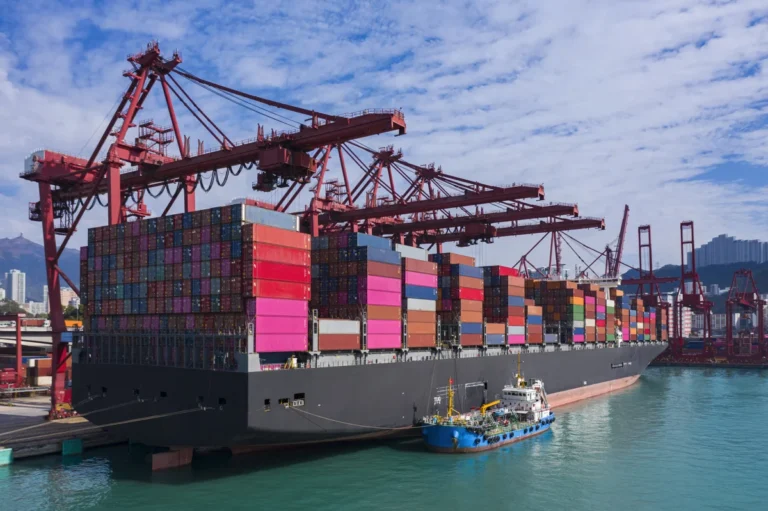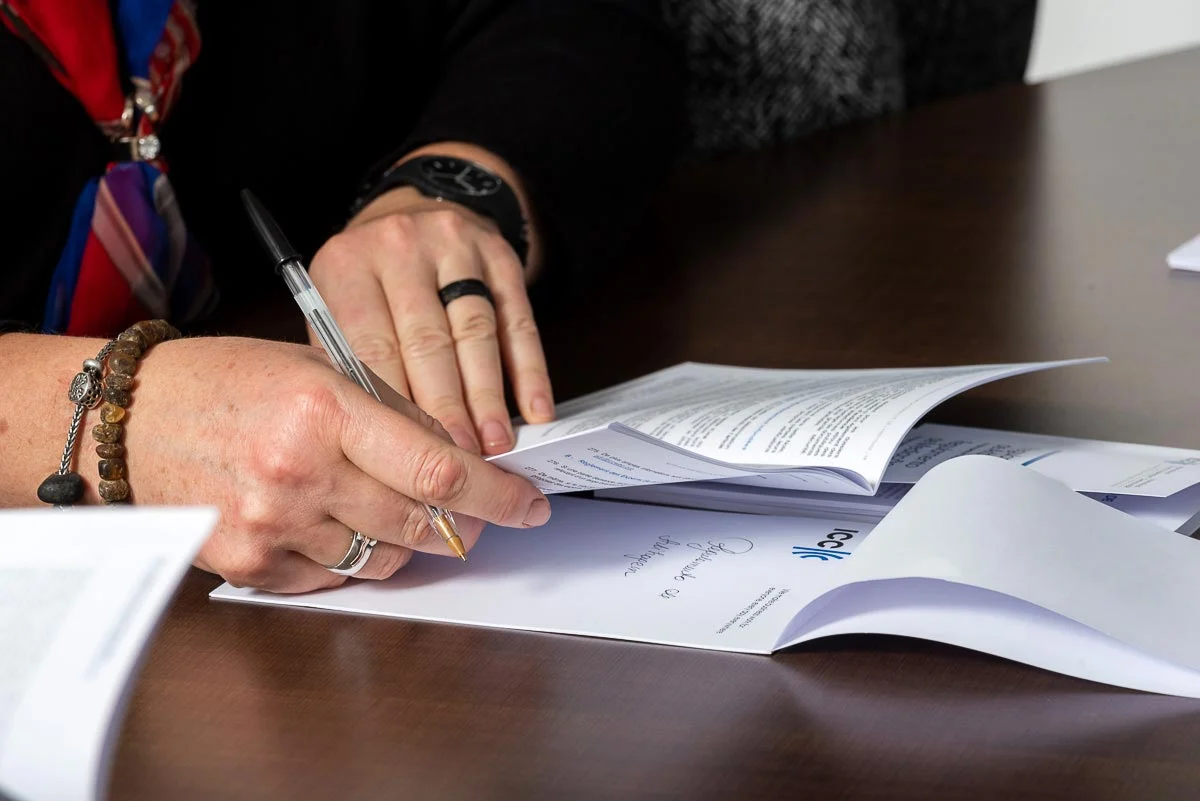
The Irish Office of Government Procurement (OGP) has formally announced a significant shift in the resolution of disputes for state-funded construction projects, designating the International Chamber of Commerce (ICC) Arbitration as the default mechanism for public works contracts exceeding €1 million. This policy update, effective as of mid-June, marks a departure from traditional reliance on domestic-only arbitration frameworks for large-scale infrastructure projects. Under the new guidelines, while ICC Arbitration will serve as the standard recourse for high-value disagreements, parties retain the option to mutually agree upon expedited domestic procedures should the nature of the dispute warrant a more localized or rapid intervention. This development is part of a broader effort by the Irish government to modernize the Capital Works Management Framework (CWMF) and provide a more robust, internationally recognized structure for managing the complexities of modern construction litigation.
Background and Context of the Procurement Shift
The Capital Works Management Framework (CWMF) was originally introduced by the Irish government in 2007 to provide a standardized approach to public procurement and contracting. Its primary goal was to ensure cost certainty and value for money in state projects. However, the landscape of Irish construction has evolved significantly over the last two decades. Projects have grown in both technical complexity and financial scale, particularly under the umbrella of Project Ireland 2040 and the National Development Plan (NDP), which allocates €165 billion to infrastructure through 2030.
Historically, disputes in Irish public works were often settled through domestic arbitration or the High Court. While the Irish legal system is highly regarded, the sheer volume and technicality of modern construction disputes—ranging from metro link developments to large-scale hospital builds—have necessitated a more specialized administrative oversight. The decision to adopt ICC Arbitration reflects a strategic move to align Ireland’s public sector with international best practices. The ICC International Court of Arbitration is widely considered the world’s leading arbitral institution, known for its rigorous scrutiny of awards and its global network of experts.
A Chronology of Dispute Resolution Reform in Ireland
The transition to ICC Arbitration as a default is the culmination of several years of review and reform within the Irish procurement landscape.
In 2014, the OGP initiated a comprehensive review of the Public Works Contracts (PWC) following industry feedback regarding the imbalance of risk between the state and contractors. By 2016, interim changes were introduced to improve the dispute resolution process, including the introduction of project boards for contracts over €5 million. These boards were designed to resolve issues at the project level before they escalated to formal arbitration.
In 2019, the Irish government reaffirmed its commitment to Alternative Dispute Resolution (ADR) by promoting mediation and conciliation as preferred first steps. However, for disputes that could not be resolved through these preliminary stages, the need for a definitive, high-standard arbitration process remained.
The June 16 announcement follows extensive consultation between the OGP, the Department of Public Expenditure, NDP Delivery and Reform, and legal stakeholders. The decision to integrate ICC Arbitration specifically addresses the need for a "gold standard" in procedural transparency and finality, ensuring that Ireland remains an attractive environment for both domestic and international contractors bidding on state projects.
Technical Analysis of the ICC Arbitration Framework
The adoption of the ICC Rules of Arbitration (specifically the 2021 Rules) provides a structured environment that differs significantly from ad hoc domestic arbitration. One of the primary advantages is the "Terms of Reference" stage, a unique feature of ICC Arbitration where the tribunal and the parties define the issues in dispute early in the process. This prevents the "scope creep" often seen in complex construction litigation.
Furthermore, the ICC Court provides an additional layer of quality control. Every draft award is scrutinized by the Court before being issued. This "scrutiny of awards" process ensures that the legal reasoning is sound and that the award is enforceable, reducing the likelihood of successful challenges in the Irish High Court under the Arbitration Act 2010.
For contracts between €1 million and €10 million, the OGP has indicated that the ICC’s Expedited Procedure Provisions may be particularly relevant. These provisions provide for a faster resolution—typically with a final award within six months of the case management conference—and often involve a sole arbitrator rather than a three-person tribunal, which helps manage costs for the parties involved.
Supporting Data: The Cost of Construction Disputes
The necessity for a more efficient arbitration default is supported by global and domestic data regarding construction conflict. According to the 2023 Global Construction Disputes Report by Arcadis, the average value of disputes in the construction sector globally remains high, with many cases exceeding tens of millions of euros. In the United Kingdom and Ireland specifically, the average time to resolve a dispute has historically hovered between 12 and 18 months.
In Ireland, the National Children’s Hospital project has served as a high-profile example of how protracted disputes and claims can impact public perception and state budgets. While the ICC default will not retroactively apply to existing contracts, the policy change is aimed at preventing such prolonged stalemates in future landmark projects. By implementing a default that carries international prestige and administrative rigor, the OGP aims to reduce the "litigation premium" that contractors might otherwise include in their bids to account for the risks of an unpredictable dispute resolution process.
Official Responses and Stakeholder Reactions
The move has been met with positive responses from international legal bodies and domestic procurement experts. Claudia Salomon, President of the ICC International Court of Arbitration, emphasized the trust-building aspect of this decision. "The adoption of ICC Arbitration as a default for higher-value construction contracts in Ireland gives parties confidence that their disputes will be resolved fairly and effectively," Salomon stated. She further noted that the ICC is grateful for the confidence the Irish Office of Government Procurement has shown in their institutional framework.
ICC Ireland, the national committee representing the ICC in the jurisdiction, is expected to play a pivotal role in the implementation phase. They will provide localized support, including training for Irish legal practitioners and construction professionals on the nuances of the ICC Rules. This collaboration is intended to ensure that the transition does not create a "knowledge gap" within the domestic industry.
Industry bodies, such as the Construction Industry Federation (CIF), have historically advocated for clearer and fairer dispute resolution mechanisms. While some smaller contractors have expressed concerns regarding the perceived costs of institutional arbitration compared to domestic ad hoc processes, the OGP’s inclusion of an "opt-in" for expedited domestic procedures for smaller-scale disputes serves as a vital safeguard.
Broader Implications for the Irish Legal and Economic Landscape
The implications of this policy shift extend beyond the immediate parties to a contract. First, it reinforces Ireland’s status as a pro-arbitration jurisdiction. By embedding ICC rules into the public procurement process, Ireland signals to international investors and global construction firms that its legal environment is stable, transparent, and aligned with global norms. This is particularly important as the state seeks to attract international expertise for specialized projects in green energy, offshore wind, and high-tech infrastructure.
Second, the move is likely to influence the private sector. In many jurisdictions, the standards set by public procurement eventually trickle down into private commercial contracts. If the ICC framework proves successful in the public sector, private developers may increasingly adopt similar defaults to ensure their projects are not sidelined by inefficient legal proceedings.
Third, there is a significant educational implication for the Irish legal profession. The shift will necessitate an increased focus on international arbitration training. Law firms and barristers specializing in construction will need to become expert in ICC procedures, potentially leading to the growth of Dublin as a hub for international dispute resolution, competing with established centers like London, Paris, and Singapore.
Conclusion and Future Outlook
The decision by the Irish Office of Government Procurement to mandate ICC Arbitration as the default for public works contracts over €1 million represents a landmark change in the state’s approach to infrastructure management. By moving toward a more institutionalized and internationally recognized system, the government is prioritizing procedural certainty, transparency, and the efficient use of public funds.
As Ireland continues to roll out its multi-billion-euro National Development Plan, the robustness of its dispute resolution mechanisms will be a critical factor in the timely and on-budget delivery of essential services. The collaboration between the OGP and the ICC marks the beginning of a new era for Irish construction law—one characterized by a commitment to global standards and a proactive approach to the inevitable complexities of modern building projects. The success of this initiative will be measured not by the number of disputes that arise, but by the speed, fairness, and finality with which they are resolved.
About the Author