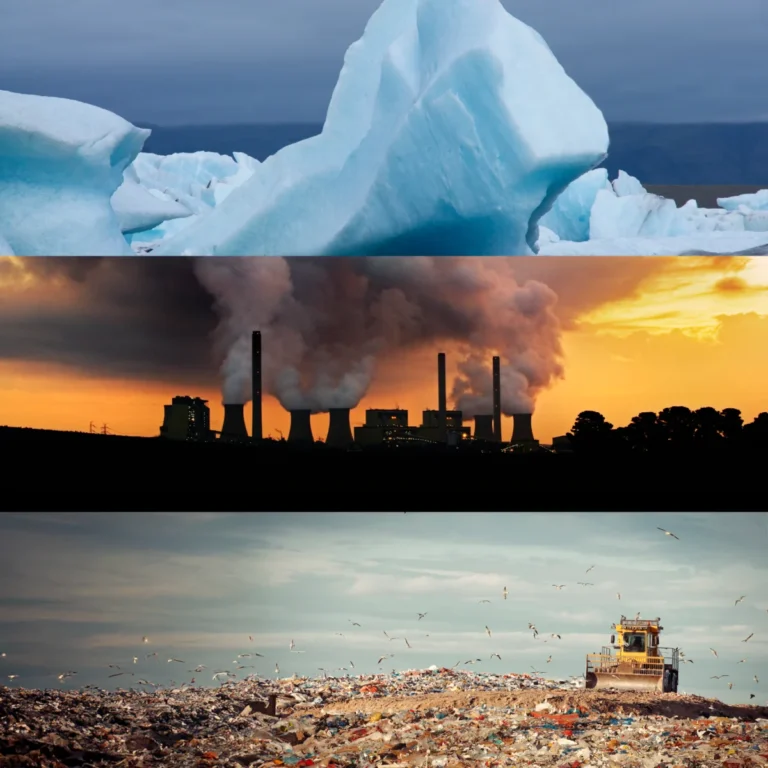
The lifecycle of a consumer product is often determined months, if not years, before a bottle, wrapper, or box ever reaches a retail shelf, as the fundamental decisions regarding material composition, weight, and end-of-life viability are locked in during the initial design phase. While the global community intensifies its focus on plastic pollution and resource scarcity, large-scale organizations find themselves at a critical juncture where sustainability goals collide with operational complexity. Most multinational corporations currently sit upon vast reservoirs of packaging data, ranging from material specifications and recyclability assessments to complex regulatory filings. However, the efficacy of this data is frequently compromised by institutional silos; engineering departments define materials, procurement manages supplier relationships, sustainability teams track environmental metrics, and finance departments oversee the payment of fees. This fragmentation has created a systemic barrier to circularity, leaving many of the world’s largest producers reliant on manual spreadsheets and disconnected legacy systems at a time when global regulatory scrutiny is reaching an unprecedented peak.
The Crisis of Data Fragmentation in Global Supply Chains
The primary challenge facing modern enterprises is not a lack of information, but rather the lack of a "single version of the truth." In the current corporate landscape, the data required to make an environmentally sound packaging decision is often scattered across various internal functions that rarely communicate with the necessary frequency or depth. For example, a packaging engineer might select a specific polymer based on its durability and cost, unaware that a pending regulatory change in a key market will significantly increase the Extended Producer Responsibility (EPR) fees for that specific material. Conversely, a sustainability officer may set ambitious targets for recycled content without having real-time visibility into whether the procurement team can secure those materials from reliable suppliers at scale.
According to research and documentation from SAP, this lack of integration results in a "reactive" rather than "proactive" approach to packaging. Businesses struggle to perform basic comparative analyses, such as evaluating the carbon footprint of bio-based plastics versus traditional polymers or modeling the financial consequences of a design change across different geographic markets. Without a centralized platform to harmonize these data points, companies are effectively flying blind, unable to spot where the most significant circularity gains are actually available. This inefficiency is not merely an administrative burden; it is a direct inhibitor of the innovation required to transition to a circular economy.
SAP Responsible Design and Production: A Digital Foundation for Circularity
In response to growing pressure from both consumers and regulators, SAP developed the "SAP Responsible Design and Production" platform. This digital solution was engineered specifically to address the data deficit by pulling together disparate packaging information into a unified system. The platform shifts the focus from simple compliance reporting to strategic design, allowing businesses to view the entire composition and environmental performance of their packaging portfolios across products, suppliers, and markets.
Sarah Gillespie, Product Marketing Manager for SAP Responsible Design and Production, emphasizes that understanding is the prerequisite for improvement. "You cannot improve what you cannot understand," Gillespie noted during a recent industry briefing. "When businesses have reliable packaging data in one place, they can move beyond reporting and make better-informed decisions that improve both sustainability and business performance." By enabling packaging engineers to immediately compare recycled content, carbon footprints, and recyclability scores against EPR fees and supplier data, the platform reduces the time required to evaluate design alternatives from weeks to minutes. This speed is essential in a market where consumer preferences and regulatory requirements are shifting rapidly.
Navigating the Global Regulatory Maze and the Role of the ICC
The global regulatory landscape for packaging is currently undergoing a period of radical transformation. The proliferation of plastic taxes, mandatory recyclability labeling, and increasingly stringent EPR schemes reflects a genuine international ambition to curb pollution. However, for multinational corporations, this creates a "patchwork" of obligations. Different countries often employ varying definitions of what constitutes "recyclable" or "reusable," leading to significant administrative costs and the risk of non-compliance.
The International Chamber of Commerce (ICC) has been a vocal advocate for greater harmonization in this area. As negotiators work through the United Nations Environment Programme’s (UNEP) Intergovernmental Negotiating Committee (INC) to develop a Global Plastics Treaty, the ICC has stressed the importance of standardized principles for product design. The goal is to create a predictable environment where businesses can invest in circular technologies with confidence. Digital tools like SAP’s platform are instrumental in this regard, as they allow companies to map their packaging data against multiple regulatory regimes simultaneously. This capability ensures that a product designed for the European market can also meet the emerging standards in Asia or North America without requiring a complete overhaul of the underlying data structure.
The European Union’s PPWR: A Looming Deadline for Industry
Perhaps the most significant regulatory catalyst in the near term is the European Union’s Packaging and Packaging Waste Regulation (PPWR). Set to take full effect in August 2026, the PPWR represents a paradigm shift in how packaging is monitored and managed within the EU. One of its most stringent requirements is the mandate for a "live, system-verifiable Document of Compliance" for every product sold on the Union’s market. This means that companies will no longer be able to rely on periodic audits or static reports; they will need a digital infrastructure capable of proving compliance in real-time.
The urgency of this deadline cannot be overstated. SAP is currently positioning its platform’s artificial intelligence capabilities to help companies prepare for an anticipated tripling of global packaging regulations by 2030. The transition from voluntary sustainability reporting to mandatory, legally binding compliance is a high-stakes evolution. Failure to meet these standards could result in more than just fines; it could lead to market access restrictions, effectively barring non-compliant products from the world’s most lucrative consumer markets.
The Economic Imperative: Cost Savings and Risk Mitigation
While the environmental benefits of better packaging design are clear, the economic incentives are equally compelling. Darren West, Global Head of Circular Economy Solutions at SAP, points out that the financial risks of maintaining the status quo are substantial. "Companies need to pay attention now. The downside is significant: inaccurate reporting can lead to financial penalties," West explained. However, he also highlighted the "upside" of digital transformation. By embedding compliance into core business processes, organizations can reduce their compliance operating costs by as much as 70%.
A key mechanism in this financial optimization is "eco-modulation." Under many modern EPR schemes, the fees paid by producers are adjusted based on the environmental performance of their packaging. Materials that are easier to recycle or contain higher percentages of post-consumer recycled (PCR) content are charged lower fees, while problematic or multi-material packaging attracts higher costs. By using data-driven design tools, companies can proactively choose materials that minimize these fees, turning sustainability from a cost center into a driver of operational efficiency.
Beyond Compliance: Benchmarking Against the Golden Design Rules
The ultimate goal of digital transformation in packaging is not merely to satisfy regulators, but to foster genuine innovation. SAP’s platform allows companies to assess their portfolios against recognized industry benchmarks, such as the Consumer Goods Forum’s "Golden Design Rules." these rules provide a framework for eliminating problematic materials, reducing excess packaging, and increasing the value of recycled plastics.
By benchmarking against these standards, design teams can measure their progress toward internal corporate sustainability targets and compare different packaging prototypes before they ever reach production. This "digital twin" approach to packaging design allows for rapid iteration and experimentation, enabling companies to discover new ways of delivering products that use fewer resources and produce less waste.
Conclusion: Data as the Catalyst for a Waste-Free Future
It is a sobering reality that better data alone cannot solve the global plastic crisis. The world still requires massive investments in collection infrastructure, sorting technologies, and mechanical and chemical recycling facilities. However, data serves as the essential "nervous system" of the circular economy. Without it, the value chain remains disconnected, and the efforts of individual actors are diluted.
As the negotiations for a global plastics treaty continue and the 2026 EU PPWR deadline approaches, the role of digital platforms in bridging the gap between ambition and implementation will only grow. The transition to a circular economy requires a fundamental redesign of the global industrial system, and that redesign begins with a single, reliable view of the materials we use. For the modern enterprise, the message is clear: the ability to measure is the ability to change, and in the race toward a sustainable future, data is the most valuable resource of all.
About the Author