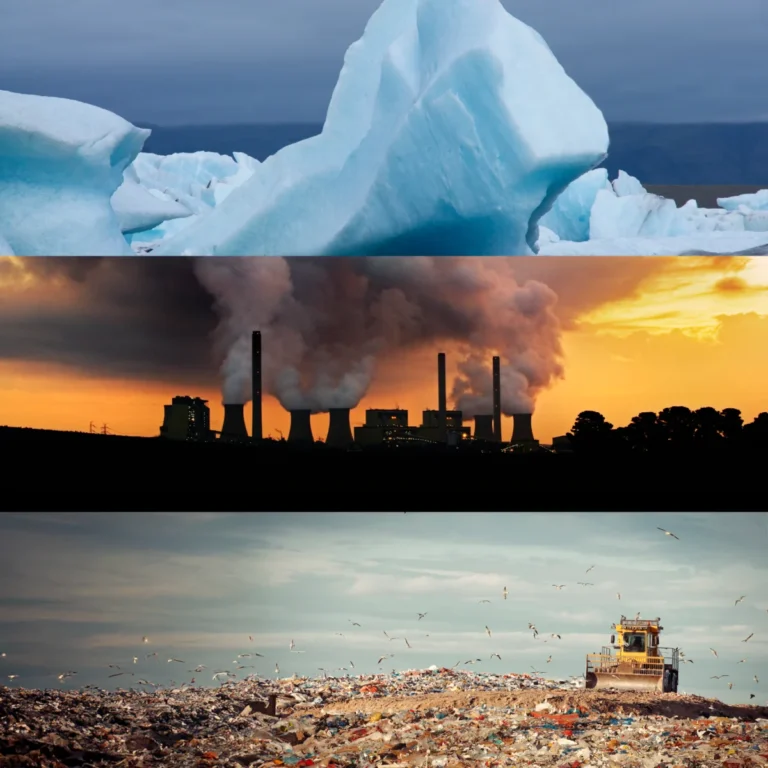
The global crisis of plastic pollution is frequently framed as a failure of waste management infrastructure, yet experts on the ground argue that the true bottleneck lies in the absence of robust market demand for recycled materials. Linka Geustyn, a Packaging Circularity Specialist at OMNI GSS and founder of Catalynx (Pty) Ltd, suggests that the traditional focus on simply increasing the number of collection bins or improving sorting facilities addresses only the most visible symptoms of a much deeper systemic challenge. For a circular economy to be truly sustainable, it must transition from a subsidized environmental necessity into a self-sustaining commercial ecosystem where recycled waste is treated as a high-value commodity rather than a liability.
This market-driven philosophy is currently being tested and proven through a collaborative venture in South Africa, where a network of local enterprises is transforming recycled polypropylene (PP) into high-quality consumer products. The initiative, which connects collectors, recyclers, manufacturers, and major retailers, serves as a blueprint for the type of local industrial integration that the International Chamber of Commerce (ICC) is advocating for within the framework of the upcoming Global Plastics Treaty. As international negotiators work toward a legally binding instrument to end plastic pollution, the South African model provides critical evidence that circularity can thrive when policy certainty meets commercial incentive.
The Economic Bottleneck: Why Collection Alone Fails
For decades, environmental policy has prioritized collection rates as the primary metric of success in plastic waste management. However, historical data indicates that collection systems cannot expand indefinitely if there is no end-market for the materials they recover. When the price of virgin plastic remains low and the demand for recycled content is stagnant, recyclers find themselves unable to invest in the advanced sorting technologies required to produce high-quality resins. This lack of investment creates a cycle of uncertainty that deters capital and leaves waste pickers—the backbone of the informal recycling sector—vulnerable to price volatility.
In South Africa, the challenge is particularly acute. While the country has a relatively high plastic recycling rate compared to many of its peers, a significant portion of collected waste has historically been exported for processing or downgraded into low-value products. The venture led by Catalynx and OMNI, in partnership with recycler Reproplast, material manufacturer Wang On Fibres, and bag producer Umhlaba Bags, seeks to break this cycle by keeping value onshore. By creating a domestic value chain for polypropylene, these organizations ensure that every stage of the process—from the initial collection by informal waste pickers to the final manufacturing of retail shopping bags—contributes to the local economy.
The logic underpinning this system is one of "demand pull." When major retailers commit to replacing virgin or non-recyclable plastic bags with those made from recycled polypropylene (rPP) spunbond material, they create a guaranteed market. This commitment flows backward through the supply chain, providing the financial security necessary for manufacturers like Wang On Fibres to scale production and for recyclers like Reproplast to invest in cleaner, more efficient processing lines.
Chronology of Circular Development in South Africa
The evolution of South Africa’s circular economy has been shaped by both private innovation and significant regulatory shifts. In May 2021, the South African government implemented the Extended Producer Responsibility (EPR) Regulations, a landmark policy move that shifted the financial and physical responsibility for a product’s life cycle—including its post-consumer stage—onto the producers. This regulation provided the necessary legal impetus for retailers and manufacturers to seek out sustainable alternatives to virgin plastics.
Following the implementation of EPR, the collaboration between OMNI, Catalynx, and their industrial partners began to gain momentum. Between 2022 and 2024, the venture focused on overcoming the technical hurdles associated with recycled polypropylene. Unlike polyethylene (PE), which is commonly used in flexible packaging, polypropylene presents unique challenges in terms of thermal stability and material purity when recycled. Through iterative testing and collaboration, the partners developed a method to produce rPP spunbond fabric that met the rigorous durability standards required by the retail sector.
By mid-2024, the system had successfully integrated major South African retail chains, including SPAR, Mr Price, and PEP. These retailers transitioned from imported or virgin plastic bags to locally manufactured rPP bags, effectively closing the loop. This timeline demonstrates that while policy provides the spark, the actual construction of a circular value chain requires years of cross-sectoral trust-building and technical refinement.
Supporting Data: The Scale of the Polypropylene Opportunity
Polypropylene is one of the most widely used polymers globally, with an annual production exceeding 75 million tonnes. It is found in everything from automotive parts and medical devices to food packaging and textiles. Despite its ubiquity, global recycling rates for PP remain significantly lower than those for PET (polyethylene terephthalate). In many markets, less than 1% of polypropylene is recycled into new products, largely due to the difficulty of removing odors and contaminants from post-consumer waste.
In the South African context, the potential for impact is substantial. The informal waste sector in South Africa consists of an estimated 60,000 to 90,000 individuals who recover approximately 90% of all post-consumer packaging and paper that is recycled. By focusing on a domestic rPP value chain, the venture led by Geustyn and her partners provides a more stable income stream for these collectors. When recycled materials are processed locally into high-value textiles rather than being sold as low-grade scrap, the "green premium" can be distributed more equitably across the workforce.
Furthermore, the environmental benefits of this local model are measurable. Producing recycled polypropylene requires significantly less energy than refining virgin resin from fossil fuels, and by eliminating the need for long-distance shipping of waste to overseas processors, the carbon footprint of the final product is drastically reduced.
Policy Implications and the Global Plastics Treaty
The success of the South African model is being closely watched by the International Chamber of Commerce (ICC) as it prepares for the final rounds of negotiations for the Global Plastics Treaty (often referred to as the Intergovernmental Negotiating Committee or INC). The ICC’s stance is that a successful treaty must be both ambitious and workable, avoiding a "one-size-fits-all" approach that might inadvertently stifle local innovation.
According to the ICC, the treaty should establish harmonized global principles while allowing for flexibility in national implementation. This is crucial for developing markets where the informal sector plays a dominant role. Linka Geustyn emphasizes that circularity only becomes sustainable when every participant in the value chain creates value. This perspective aligns with the ICC’s recommendation that the treaty should focus on creating "enabling policy frameworks" that encourage private sector investment rather than purely punitive measures.
The ICC has identified several key pillars for a successful treaty:
- Circular Design: Encouraging manufacturers to design products that are easier to recycle from the outset.
- Waste Management Infrastructure: Strengthening local systems to prevent leakage into the environment.
- Innovation and Technology: Supporting the development of new materials and chemical recycling processes.
- Policy Certainty: Providing businesses with a clear, long-term roadmap so they can confidently commit capital to circular infrastructure.
Collaboration Over Competition: A New Business Paradigm
One of the most significant insights from the South African venture is that circular value chains rarely emerge through the efforts of a single organization. The transition from a linear "take-make-waste" model to a circular one requires a level of transparency and cooperation that is often absent in traditional, competitive supply chains.
Muriel Huang, Director of Wang On Fibres (Pty) Ltd, notes that the success of their material manufacturing depended entirely on the quality of the input from the recycler and the specific requirements of the bag producer. This interdependence requires "radical collaboration," where companies share technical data and risk. In the South African case, the retailers (SPAR, Mr Price, PEP) played a pivotal role by acting as the "anchor tenants" of the system. Their willingness to commit to long-term procurement of recycled materials provided the financial backbone that allowed the other partners to scale.
This collaborative model also addresses the social dimension of sustainability. By explicitly recognizing the role of Small and Medium-Sized Enterprises (SMEs) and waste pickers, the venture ensures that the transition to a circular economy is "just." In the developing world, a transition that excludes the informal sector is likely to fail, as it ignores the very people who currently manage the majority of the waste stream.
Future Outlook and Broader Implications
As the world looks toward the fifth session of the INC in Busan, South Korea (INC-5), the lessons from South Africa’s polypropylene value chain are more relevant than ever. The primary takeaway is that circularity is not merely an environmental goal; it is a sophisticated industrial strategy. When governments provide policy certainty through regulations like EPR, and when businesses collaborate to connect commercial incentives with environmental outcomes, the market begins to solve the pollution problem on its own.
The South African experience demonstrates that the technology to recycle complex polymers like polypropylene already exists. The missing ingredient has often been the "commercial glue" that holds the different players together. By proving that recycled plastic can be turned into a profitable, high-quality consumer product, the partners in this venture have shown that circularity is good for business.
Addressing plastic pollution will undoubtedly require massive improvements in global waste management and product design. However, as demonstrated by the rPP spunbond initiative, the most effective way to ensure that plastic stays out of the ocean and in the economy is to make it too valuable to throw away. With the right international framework in place—one that supports local industries and fosters innovation—the transition to a circular economy can become a powerful driver of economic growth and environmental restoration.
About the Author