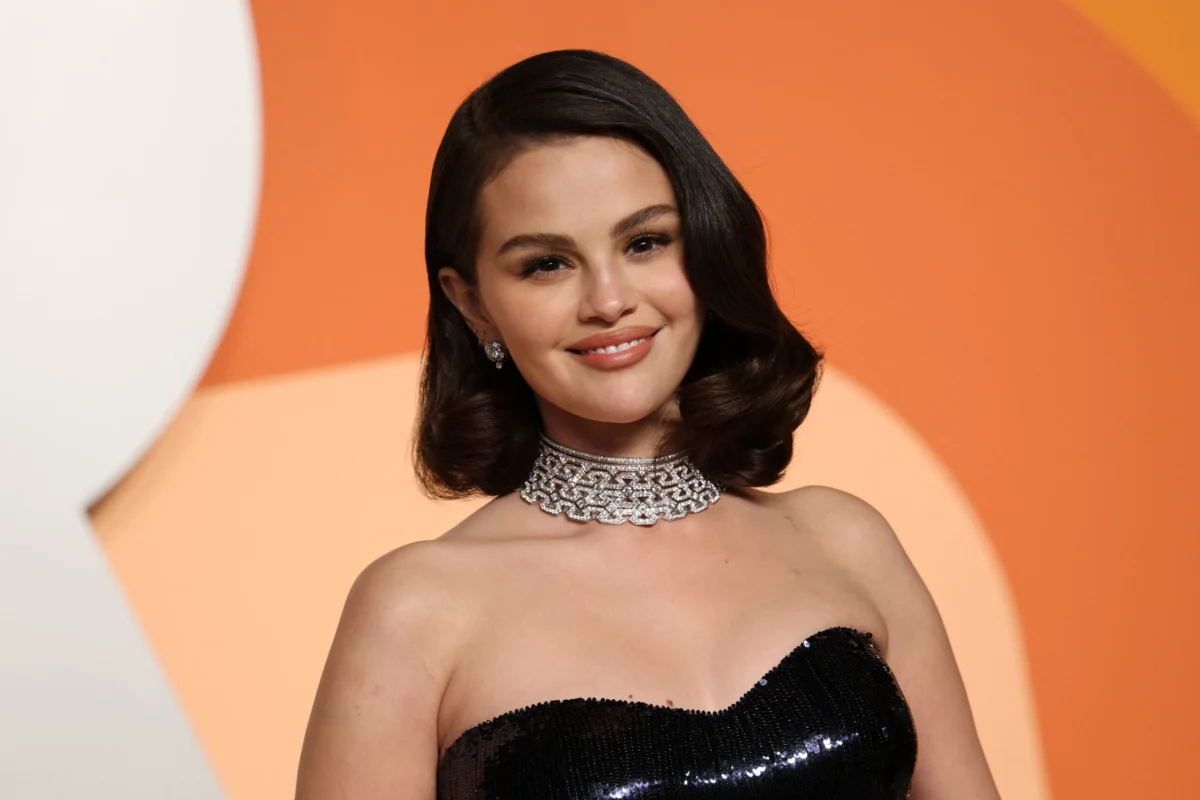
The Genesis of Wondermind: A Vision for Mental Wellness
Wondermind was launched in 2021 with considerable fanfare, positioning itself as a pioneering platform in the burgeoning digital mental health space. Co-founded by Selena Gomez, her mother Mandy Teefey, and entrepreneur Daniella Pierson, the company articulated an ambitious goal: to "democratize mental health" and "destigmatize mental illness" by offering accessible, daily resources to users. The platform aimed to provide a comprehensive suite of tools, including expert-backed articles, guided exercises, and a supportive community, all designed to foster mental fitness and well-being. Gomez, a vocal advocate for mental health awareness who has openly shared her own struggles with anxiety and depression, lent significant star power and credibility to the venture. Her personal narrative was central to Wondermind’s brand identity, promising an authentic approach to a sensitive subject often mired in stigma.
The initial announcement generated substantial media interest, buoyed by Gomez’s immense global following and the growing societal recognition of mental health as a critical public health issue. The timing of Wondermind’s launch coincided with a period of unprecedented demand for digital mental health solutions, exacerbated by the global COVID-19 pandemic, which amplified feelings of isolation and stress worldwide. Investors were drawn to the project not only by its noble mission but also by the potential for substantial returns in a market projected for exponential growth. The involvement of a figure like Selena Gomez, with her established track record in successful business ventures such as Rare Beauty, further bolstered confidence among early-stage investors, suggesting a strong likelihood of robust marketing, user acquisition, and overall brand visibility.
Allegations of Misrepresentation and Unfulfilled Promises
The core of the lawsuit’s allegations revolves around a profound disconnect between Wondermind’s initial promises and its subsequent operational realities. According to the complaint, investors committed nearly $1.2 million based on specific representations about the startup’s development, strategic partnerships, and Gomez’s active role in its promotion. However, the plaintiffs contend that these commitments largely went unfulfilled. "Gomez purported to sign a contract obligating her to perform and then ignored it," the complaint starkly states, outlining a narrative of celebrity endorsement that allegedly failed to materialize into tangible support for the venture.
The lawsuit further details a series of alleged operational failures, including the non-existence of promised partnerships, the non-materialization of crucial initiatives, and most critically, the failure to build the core application itself. "The app was never built," reads a particularly damning line from the legal document, directly contradicting the very premise of a digital mental health platform. This assertion, if proven true, would represent a fundamental breach of trust and a severe deviation from the product roadmap presented to investors.
Moreover, the plaintiffs allege that for a period of three years, while the company was reportedly "quietly collapsing," Wondermind’s founders, officers, and directors—including Gomez and Teefey—failed to communicate these critical setbacks to the investors whose capital was funding the struggling enterprise. This alleged lack of transparency forms a central pillar of the securities fraud claim, implying a deliberate withholding of vital information that would have influenced investment decisions. The investors are now seeking to recover their substantial investments along with legal fees, underscoring the severity of the alleged financial damages and the perceived betrayal of confidence.
A Chronology of Disillusionment
The timeline presented in the lawsuit paints a picture of gradual disillusionment, culminating in legal action.
- 2021: Wondermind officially launches, spearheaded by Selena Gomez, Mandy Teefey, and Daniella Pierson. The announcement is met with widespread positive media attention, leveraging Gomez’s platform and personal story to generate excitement and attract initial investment. Investors, including the plaintiffs, are drawn in by the vision, the celebrity backing, and the promise of a robust digital product designed to address a critical societal need.
- Initial Investment Period (circa 2021-2023): During this crucial phase, the plaintiffs allege they committed nearly $1.2 million to Wondermind, based on the aforementioned representations regarding product development, partnerships, and Gomez’s marketing involvement. The capital was intended to fuel the startup’s growth and bring its ambitious mental health platform to fruition.
- September 2025: A pivotal moment occurs when The Cut publishes an investigative story that reportedly uncovers significant troubles within Wondermind. According to the lawsuit, this exposé served as the first public and, crucially, the first investor-facing revelation of the company’s internal struggles and alleged failures to deliver on its commitments. This suggests a prolonged period during which investors were allegedly kept in the dark about the true state of their investment.
- August 13, 2026: The formal lawsuit is filed against Selena Gomez, Mandy Teefey, and Wondermind, bringing the allegations of securities fraud and breach of contract into the legal arena. This date marks the official escalation of the dispute, transitioning from internal corporate challenges to a public legal battle.
This chronology highlights the plaintiffs’ claim that they were unaware of Wondermind’s alleged missteps and financial difficulties until a third-party media report exposed them, long after their investments had been made.
The Broader Landscape of Mental Health Technology and Celebrity Ventures
The mental health technology market has experienced explosive growth in recent years, transforming into a multi-billion dollar industry. Projections indicate that the global digital mental health market, valued at approximately $5.2 billion in 2022, is expected to reach over $20 billion by 2030, with a compound annual growth rate (CAGR) exceeding 18%. This rapid expansion is driven by increasing mental health awareness, reduced stigma, technological advancements, and the persistent shortage of traditional mental health professionals. Digital platforms offer scalability, accessibility, and anonymity, making them attractive solutions for a diverse user base.
Within this booming sector, celebrity endorsements and direct involvement have become a common strategy for new ventures seeking to capture public attention and investor capital. Figures like Gwyneth Paltrow with Goop, Jessica Alba with The Honest Company, and Ashton Kutcher as a prolific tech investor, have demonstrated the immense power of celebrity influence in launching and scaling startups. For mental health initiatives, celebrity backing can be particularly potent, as personal stories of struggle and recovery resonate deeply with audiences, fostering trust and encouraging engagement. Selena Gomez’s involvement with Wondermind was a prime example of this trend, leveraging her authenticity and vulnerability to build a brand around a cause close to her heart.

However, the Wondermind lawsuit underscores the inherent risks and complexities associated with such ventures. While celebrity endorsement can attract initial funding and user interest, it does not guarantee operational success or adherence to contractual obligations. Investors, particularly in early-stage startups, often take on significant risk, but they are also protected by securities laws designed to ensure transparency and prevent fraud. The Securities and Exchange Commission (SEC) actively enforces regulations that require companies to provide accurate and complete information to investors, especially concerning financial health, operational capabilities, and the roles of key personnel. Allegations of misrepresenting company finances or overstating the extent of a founder’s involvement touch upon core principles of investor protection.
Official Responses and Legal Ramifications
As of the initial reporting, Wondermind did not respond to requests for comment regarding the lawsuit. This silence is typical in the early stages of high-profile legal proceedings, as companies and their legal teams often opt to refrain from public statements while they review the complaint and formulate their defense strategy. For Selena Gomez and Mandy Teefey, who are directly named in the suit, their legal representatives would likely be preparing a robust defense, potentially denying the allegations, challenging the validity of the claims, or seeking to dismiss the case.
The legal battle could be protracted and complex. If the case proceeds, it would involve extensive discovery, where both sides exchange evidence and information, followed by potential settlement negotiations or a trial. The outcome could have significant financial implications for Wondermind and its founders, potentially requiring them to repay the alleged defrauded investments and cover legal costs. Beyond the immediate financial aspects, the lawsuit carries substantial reputational risks for all parties involved.
Broader Implications for Celebrity Entrepreneurship and Investor Trust
The lawsuit against Selena Gomez and Wondermind extends beyond the immediate parties, sending ripples through the broader startup ecosystem and the realm of celebrity entrepreneurship.
For Selena Gomez: This legal challenge could tarnish her carefully cultivated public image as a conscientious and socially responsible entrepreneur. While her success with Rare Beauty has been lauded, a finding against her in this case could raise questions about her business acumen and commitment to ventures beyond her core entertainment career. It could also impact future investment opportunities and brand partnerships, as potential collaborators might exercise increased scrutiny. The emotional toll of a high-profile lawsuit, especially concerning a cause as personal as mental health, cannot be underestimated.
For Wondermind: The future viability of the startup itself is now in question. Even if the lawsuit is eventually settled or dismissed, the allegations of operational failure and lack of transparency could severely erode investor confidence and public trust. Attracting future funding, retaining talent, and expanding its user base will become significantly more challenging under the cloud of this legal dispute. The very mission of destigmatizing mental health could be undermined if the integrity of its founding company is compromised.
For the Mental Health Tech Sector: This case serves as a stark reminder of the importance of due diligence for both investors and founders. It highlights that while celebrity involvement can be a powerful accelerator, it must be coupled with sound business practices, transparent financial reporting, and clear contractual agreements. The sector, which thrives on trust and authenticity, could face increased scrutiny, potentially leading to more rigorous regulatory oversight or cautious investor behavior in celebrity-led projects.
For the Startup Ecosystem: The Wondermind lawsuit reinforces the critical importance of investor protection laws and the need for clear, enforceable contracts in early-stage funding. It underscores the potential pitfalls when startups, particularly those with high-profile founders, fail to meet their obligations or communicate effectively with their financial backers. This case could become a cautionary tale, prompting both investors to demand greater transparency and founders to ensure they have the operational capacity and commitment to deliver on their promises.
In conclusion, the lawsuit against Selena Gomez and Wondermind represents a significant moment, testing the boundaries of celebrity influence in the startup world and highlighting the enduring principles of accountability and transparency in business. As the legal proceedings unfold, the case will undoubtedly be closely watched for its implications on investor rights, the future of digital mental health ventures, and the public perception of celebrity entrepreneurship.
About the Author