The marketing industry is in a state of perpetual evolution, with a staggering 70% of marketers asserting that the past three years have brought about more significant changes than the preceding half-century. This rapid transformation necessitates a parallel evolution in the tools marketers rely on, particularly marketing automation platforms. For years, Pardot, now rebranded as Marketing Cloud Account Engagement, has been a prominent player in the B2B marketing technology stack. However, a perceived stagnation in its development has prompted a growing number of businesses to seek more dynamic and future-proof alternatives. This article delves into the reasons behind this exodus, explores the leading contenders for Pardot alternatives, and offers expert insights into navigating a successful migration.
The primary driver behind businesses reassessing their commitment to Pardot, according to industry experts, is a palpable concern regarding its future viability. Tom Ryan, a seasoned Pardot consultant and founder of MarCloud, a firm specializing in marketing automation, articulates this sentiment. "There’s no development on the platform," Ryan stated. "There’s a clear migration path. To me, it feels like it’s just a case of ‘when,’ not ‘if’ it will be discontinued." This perception of impending obsolescence, coupled with the significant investment businesses have made in the platform, creates a sense of urgency to explore alternatives before a forced transition becomes necessary.
Beyond the overarching fear of discontinuation, specific functional limitations within Pardot are cited as persistent pain points. Ryan highlights revenue attribution and reporting as particularly challenging areas. "Revenue attribution is [incredibly difficult] if you do not know how to do it. Users need to wrestle with the Pardot-Salesforce sync," he explained. The intricate nature of syncing Pardot with the Salesforce CRM, a common configuration for many B2B organizations, often presents a steep learning curve and can lead to data discrepancies. Similarly, reporting capabilities are frequently described as rigid and lacking in customization. "The reports are not customizable in Pardot, and therefore, people cannot get the reports they need. Clear reporting in general is very difficult for people to achieve, without consultant-level knowledge," Ryan added. This inflexibility can hinder marketers’ ability to gain actionable insights and demonstrate the ROI of their campaigns.
In response to these challenges, a significant trend has emerged: a migration from Pardot to HubSpot Marketing Automation. Ryan observes this trend firsthand, noting that "Pardot to HubSpot makes the most sense. There’s a lot of architectural similarities between Pardot and HubSpot via the connector. So there’s a familiarity there, and you get so much more." This perceived ease of transition, combined with HubSpot’s broader feature set and more intuitive user interface, makes it a compelling choice for businesses looking to upgrade their marketing automation capabilities.

Evaluating Pardot Alternatives for B2B Teams
When considering alternatives to Pardot, B2B teams must prioritize several key criteria to ensure a successful transition and a robust marketing technology stack. At the forefront of this evaluation is CRM integration. Platforms that offer seamless and bi-directional synchronization with Customer Relationship Management systems are crucial for maintaining data integrity and enabling a unified view of the customer journey. For businesses considering a complete departure from Salesforce, platforms like HubSpot and Zoho, which offer integrated CRM capabilities, present a compelling consolidated solution. Salesforce Marketing Cloud Next, designed to run natively on Salesforce’s Data Cloud, aims to eliminate the data silo issues inherent in Pardot’s architecture. For organizations committed to remaining within the Salesforce ecosystem, Marketo and ActiveCampaign both provide native two-way Salesforce syncs, offering flexibility in retaining their existing CRM infrastructure.
Beyond CRM integration, automation capabilities are paramount. The effectiveness of marketing automation lies in its ability to streamline repetitive tasks, personalize customer interactions, and nurture leads through complex buyer journeys. Businesses should assess the platform’s workflow builder, its capacity for multi-step campaigns, and its intelligence in triggering automations based on user behavior, lifecycle stage, or CRM data.
Integrations with other marketing and sales tools are also critical. A modern marketing stack is rarely a monolithic entity; it comprises a web of interconnected applications. The ability of a new platform to integrate with essential tools such as analytics dashboards, social media management platforms, content management systems, and sales enablement tools ensures a cohesive and efficient workflow.
Finally, pricing and scalability are significant considerations. Marketing automation platforms vary widely in their pricing models, often based on contact volume, feature sets, and user seats. Businesses must carefully evaluate the total cost of ownership, considering not only the initial investment but also the potential for escalating costs as the organization grows. A platform that offers transparent pricing and a clear upgrade path is essential for long-term sustainability.
Pardot Alternatives at a Glance
The market offers a diverse range of marketing automation platforms that can serve as effective replacements for Pardot. Each comes with its own strengths, weaknesses, and ideal use cases.

1. HubSpot Marketing Automation
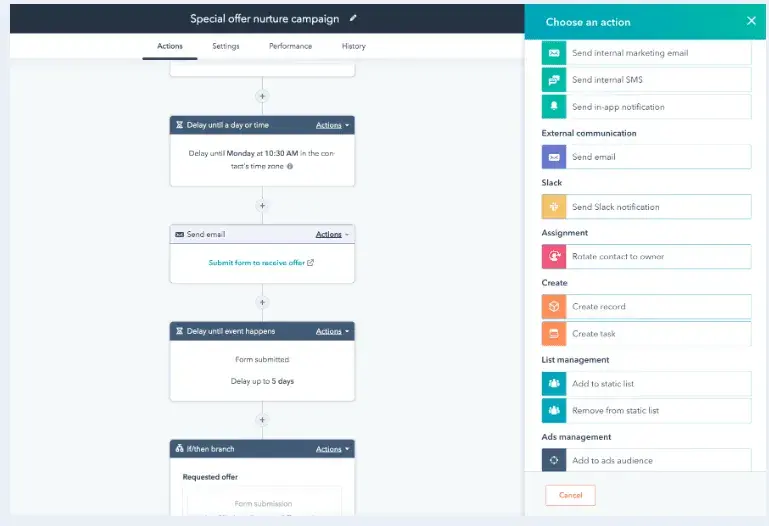
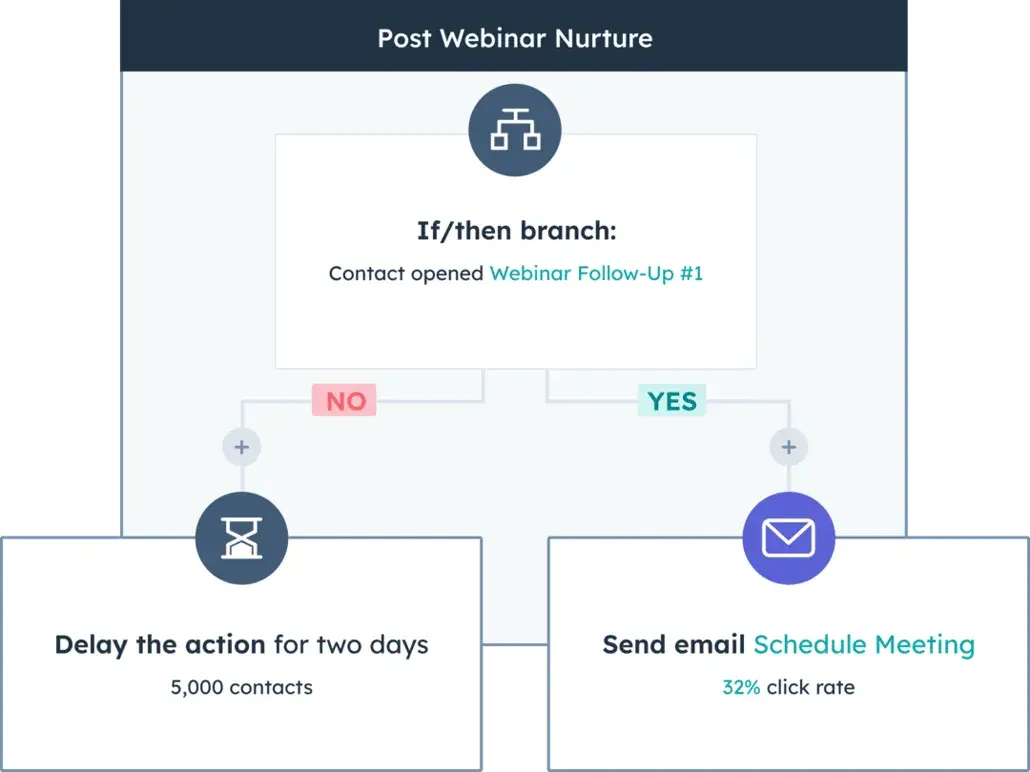
HubSpot Marketing Automation is frequently cited as the leading alternative for businesses transitioning from Pardot. Its strength lies in its ability to build sophisticated, multi-step B2B nurture workflows that are triggered by a variety of factors, including user behavior, lifecycle stage, and CRM data. HubSpot is designed to consolidate all marketing and sales data under one roof, leveraging its proprietary Smart CRM. This approach directly addresses the pain points associated with Pardot’s often siloed data architecture and perceived clunky user experience.
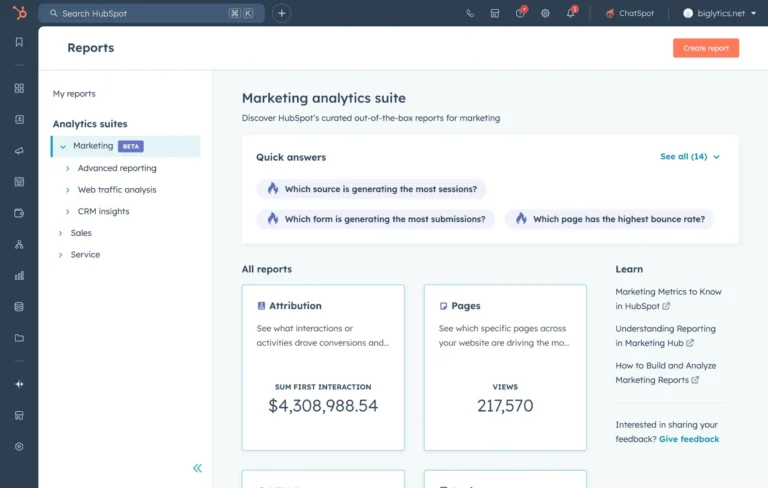
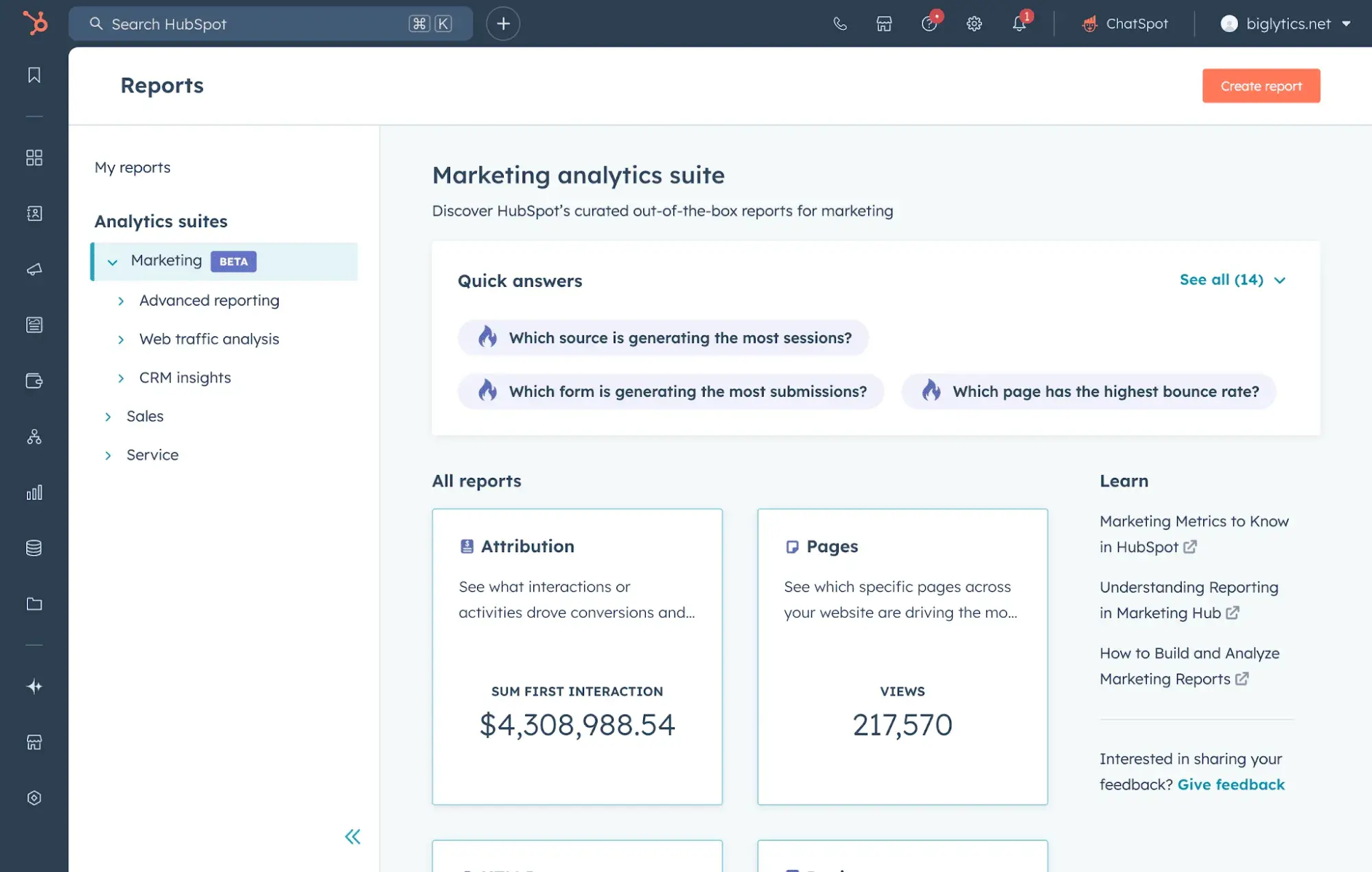
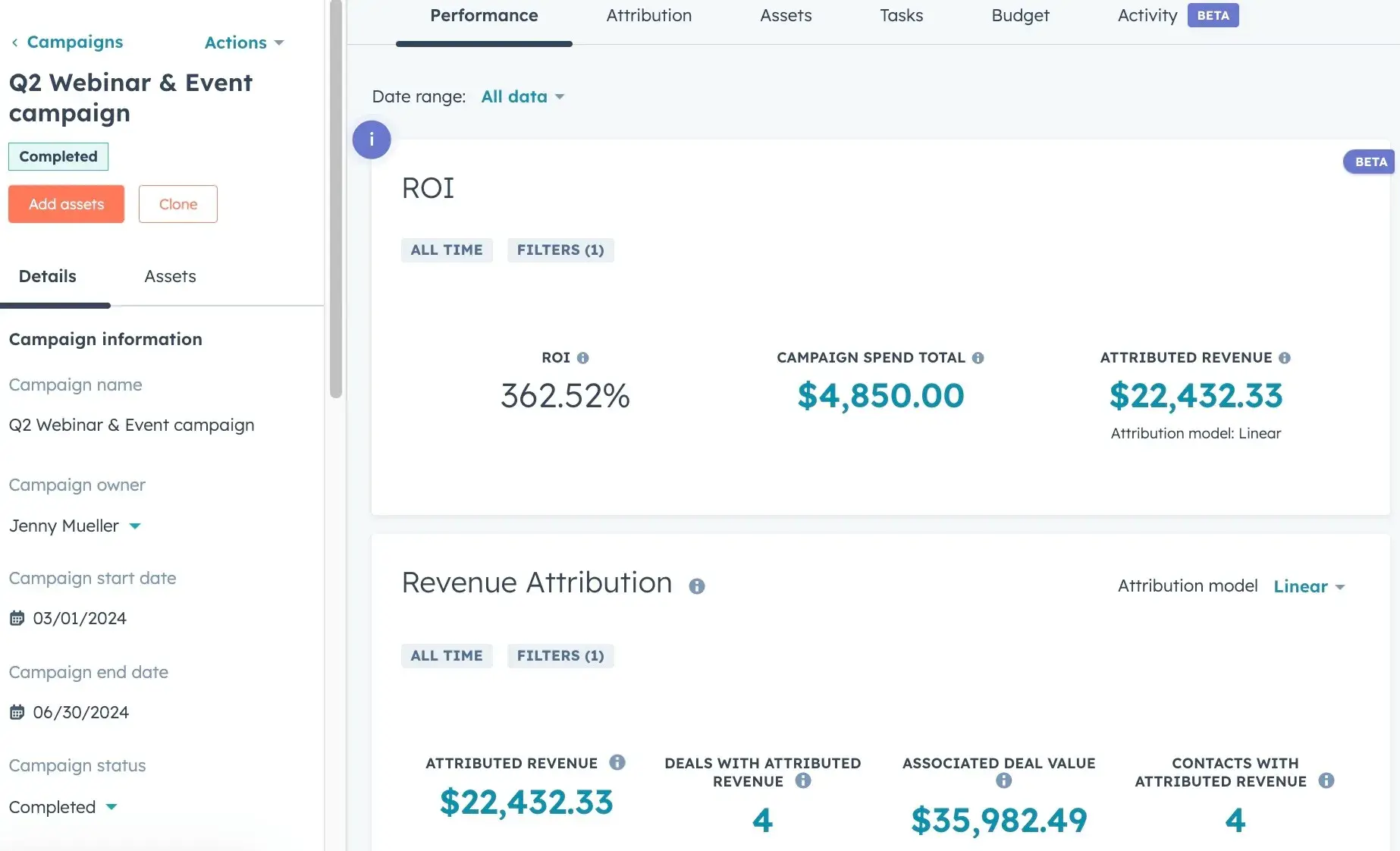
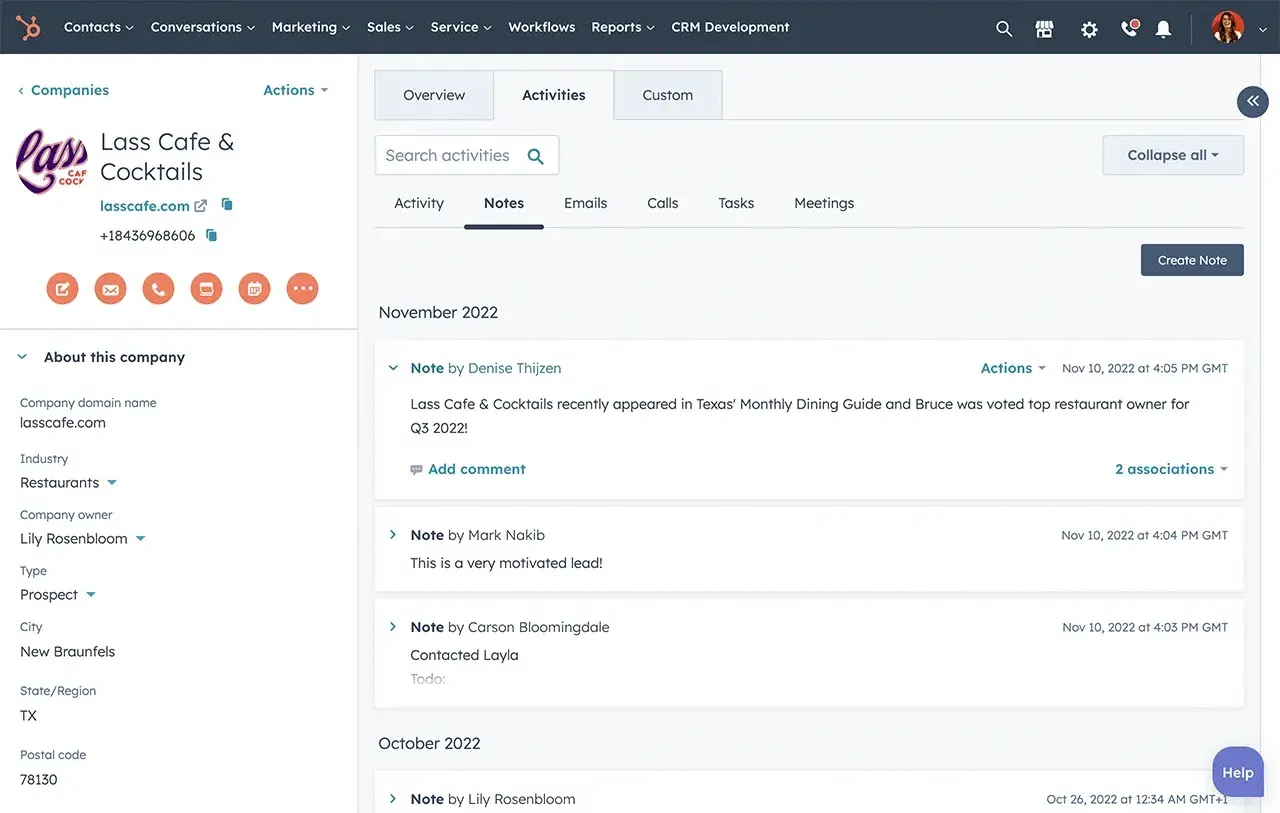
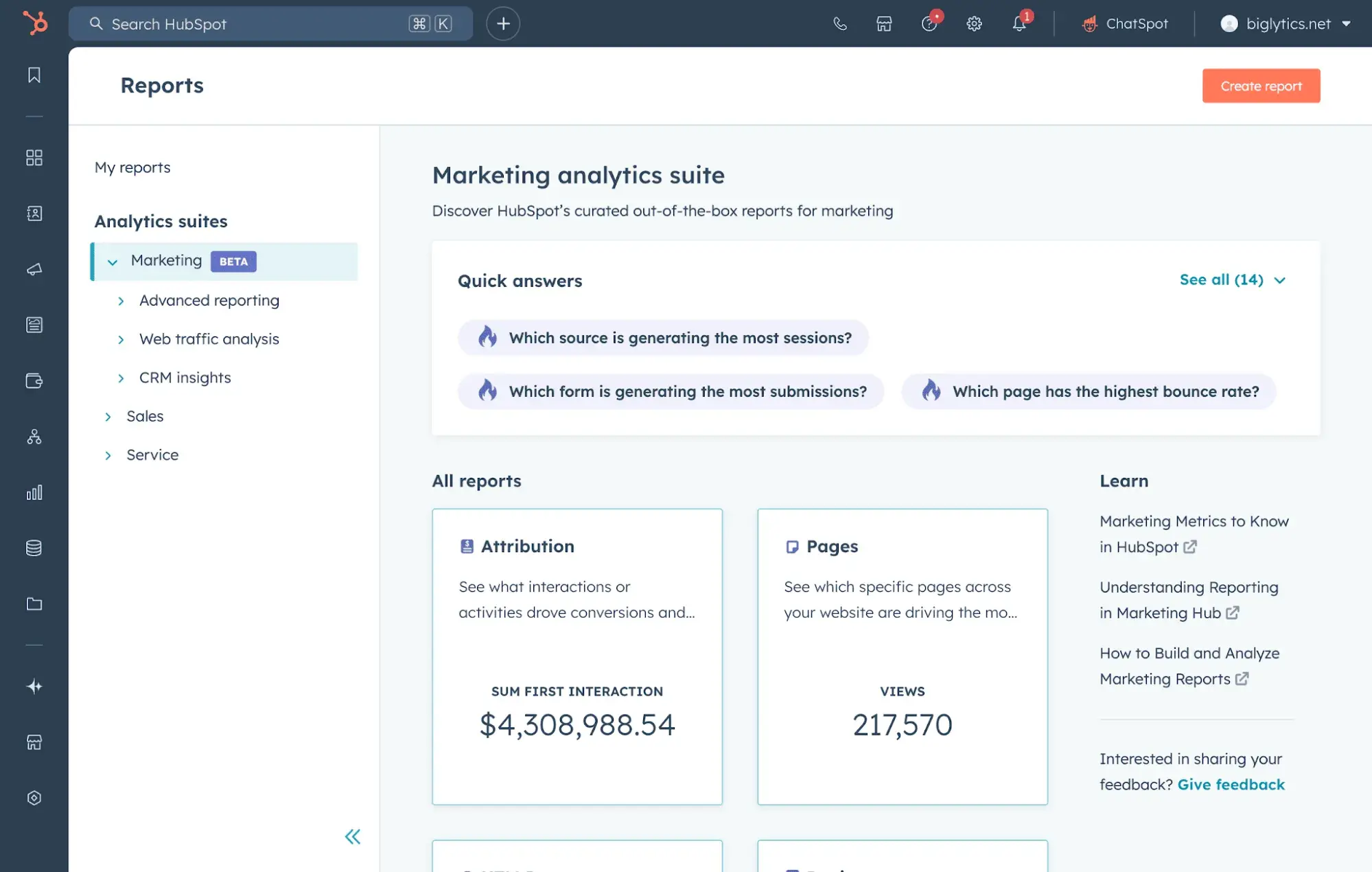
Organizations can choose to fully replace their Salesforce CRM with HubSpot’s offering or utilize the native two-way sync to maintain alignment of contacts, companies, deals, and activity history across both platforms. Key features of HubSpot Marketing Automation include its intuitive drag-and-drop email and campaign builders, advanced reporting dashboards that display ROI, campaign spend, and attributed revenue metrics, and robust contact management capabilities. The platform also offers a comprehensive marketing analytics suite for deep customer data insights.
Reviews for HubSpot Marketing Hub consistently highlight its ease of use, robust email marketing functionality, and powerful automation features. Users also commend its intuitive design. Potential drawbacks mentioned include a learning curve for advanced functionalities and occasional feature gaps for highly specialized needs.
HubSpot Marketing Hub Pricing: A free plan is available for up to two users, with paid plans starting at $10 per month per seat, making it an accessible option for businesses of various sizes.
What is particularly impressive about HubSpot is its user-friendly, modern interface and its integrated, all-in-one platform that seamlessly syncs across marketing, sales, and CRM functions. Its design is clearly centered around the needs of marketers, providing all the necessary tools for testing, scaling, and iterating on campaigns without requiring extensive developer support. The drag-and-drop editors for emails and campaigns significantly expedite the execution process.
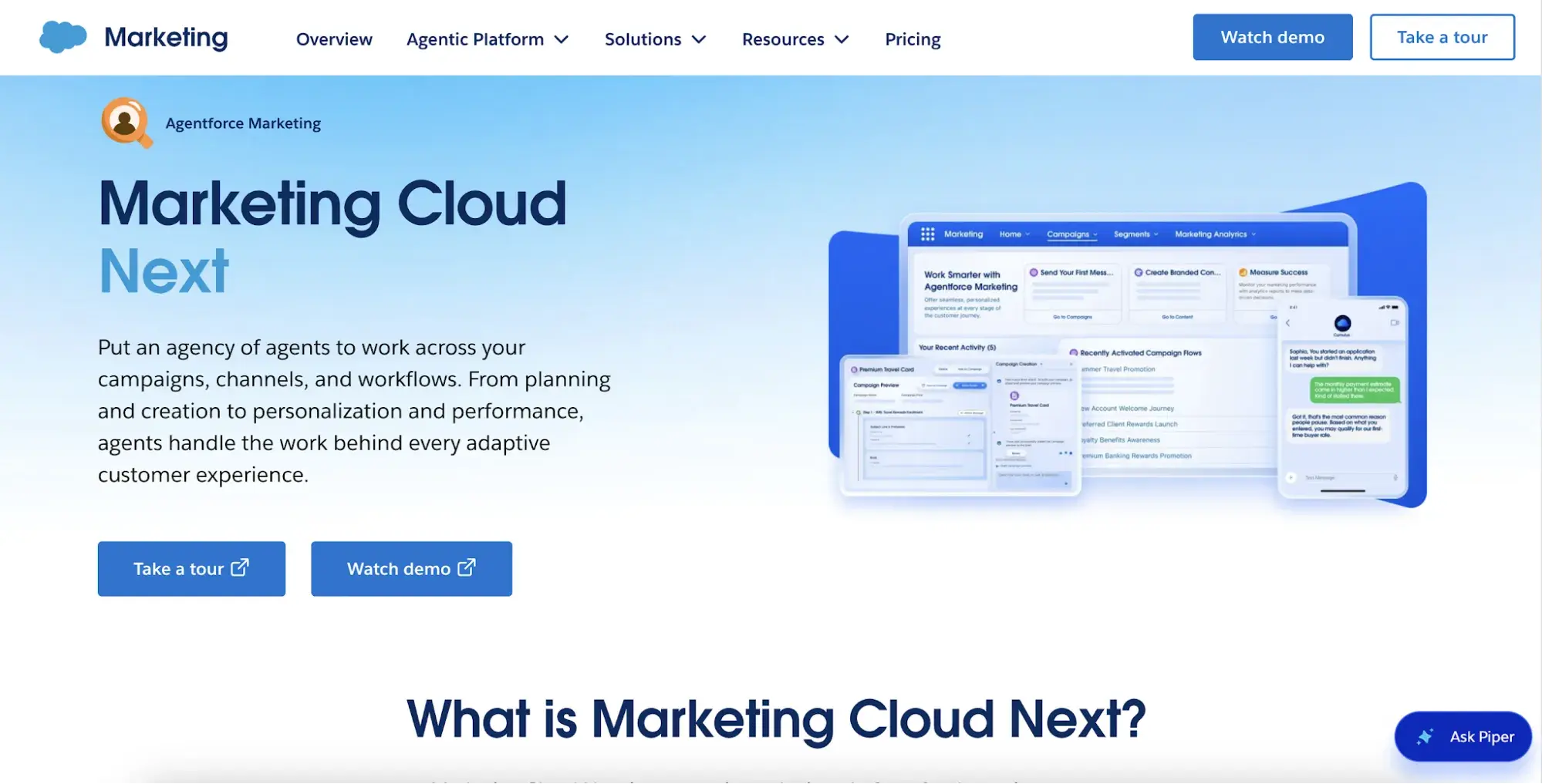
2. Salesforce Marketing Cloud Next
As Salesforce’s intended successor to Pardot, Marketing Cloud Next is positioned as the natural migration path for existing Pardot users. This platform is built natively on Salesforce’s Data Cloud, aiming to rectify the architectural separation that characterizes Pardot’s integration with the broader Salesforce ecosystem. However, for many businesses looking to move away from Pardot, the desire is often to reduce their dependence on Salesforce altogether, making Marketing Cloud Next a less appealing option for those seeking greater platform independence.
Marketing Cloud Next is characterized as a substantial and considerable investment, best suited for large enterprises that are deeply embedded within the Salesforce ecosystem and are committed to remaining so. It offers advanced capabilities for managing customer journeys at scale.
Ryan notes that "Salesforce is directing [customers] to their new platform called Marketing Cloud Next… but essentially what this is doing is prompting a wider tech review." This often leads to a comprehensive evaluation of a company’s entire technology stack rather than a direct, uncritical migration. While a significant number of customers are indeed migrating to Marketing Cloud Next, especially those already utilizing other Salesforce products like Data Cloud or Agentforce, the most prevalent destination remains HubSpot.
Reviews for Agentforce Marketing (which encompasses Marketing Cloud Next) present a divided opinion on usability. While some users praise its ease of use, others express concerns regarding its learning curve and overall complexity.
Marketing Cloud Next Pricing: The Growth Edition pricing begins at $1,500 per organization per month, indicating a significant investment.
Best for: This platform is most suitable for large corporations that wish to maintain their existing Salesforce integrations and require a comprehensive suite of marketing tools within that ecosystem.
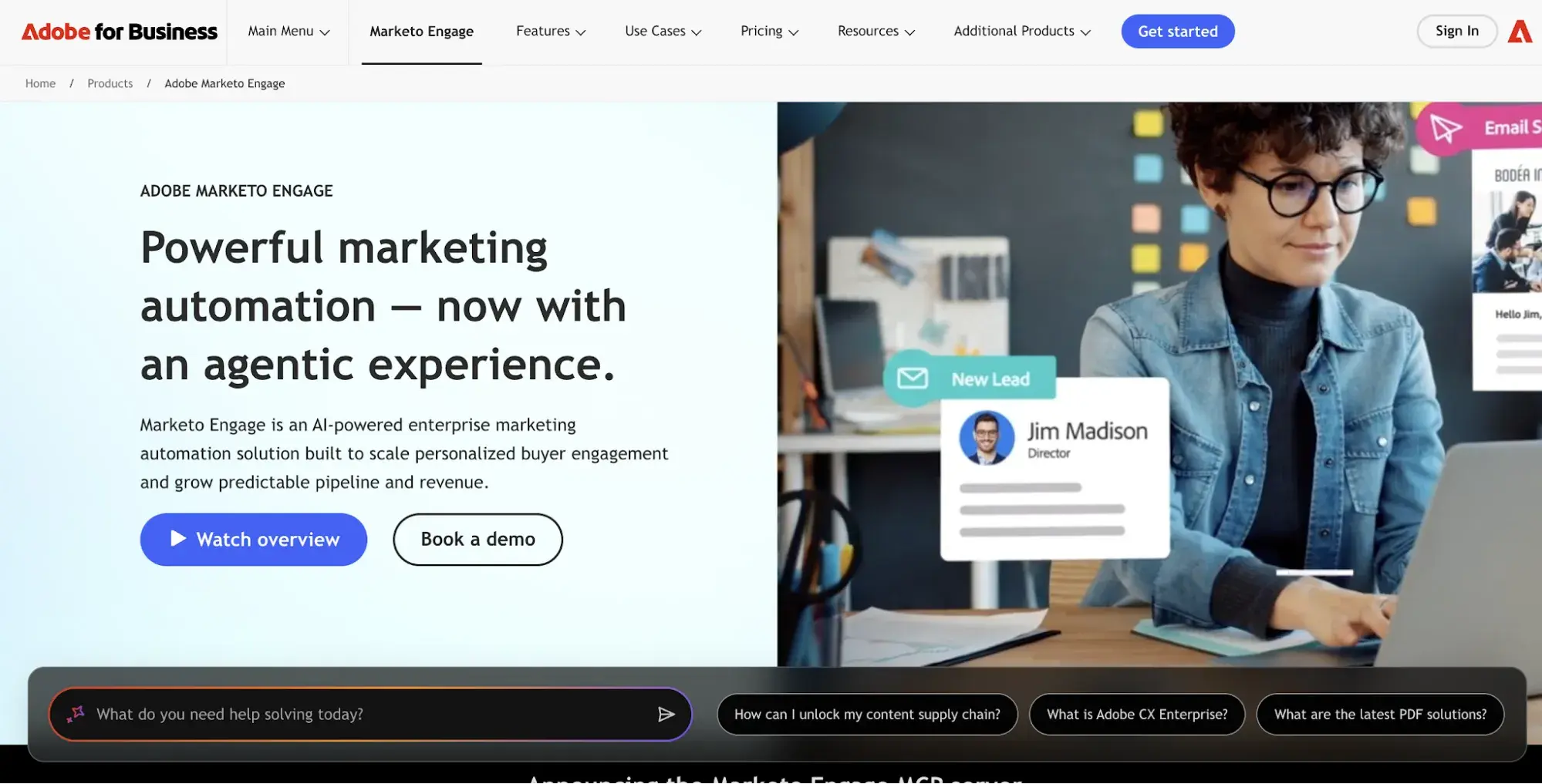
3. Adobe Marketo Engage
Adobe Marketo Engage is a robust enterprise-grade marketing automation software that can be a strong contender for businesses that have outgrown Pardot’s capabilities. It is known for its comprehensive feature set, though this often comes with increased complexity and a higher budget requirement. Users typically report that Marketo prioritizes feature depth over user-friendliness. However, for complex teams with the necessary resources and time to invest in setup and customization, the trade-off can be well worth it.
Marketo Key Features include advanced campaign management, lead management, analytics, and integrations with a wide array of business applications. Its AI-powered "conversational interface" is a notable feature, allowing teams to write and test code directly within the platform, thereby reducing reliance on developer handoffs.
Reviews for Marketo often highlight its powerful automation capabilities and ease of use as key strengths. However, common drawbacks include a steep learning curve, a less intuitive design, and overall complexity.
Marketo Pricing: Adobe does not publicly disclose pricing details for Marketo. Businesses are required to contact Adobe directly to obtain a custom quote.
What is particularly advantageous about Marketo is its AI-driven "conversational interface," which empowers marketing teams to develop and test code directly within the platform, minimizing the need for external developer assistance.
4. ActiveCampaign
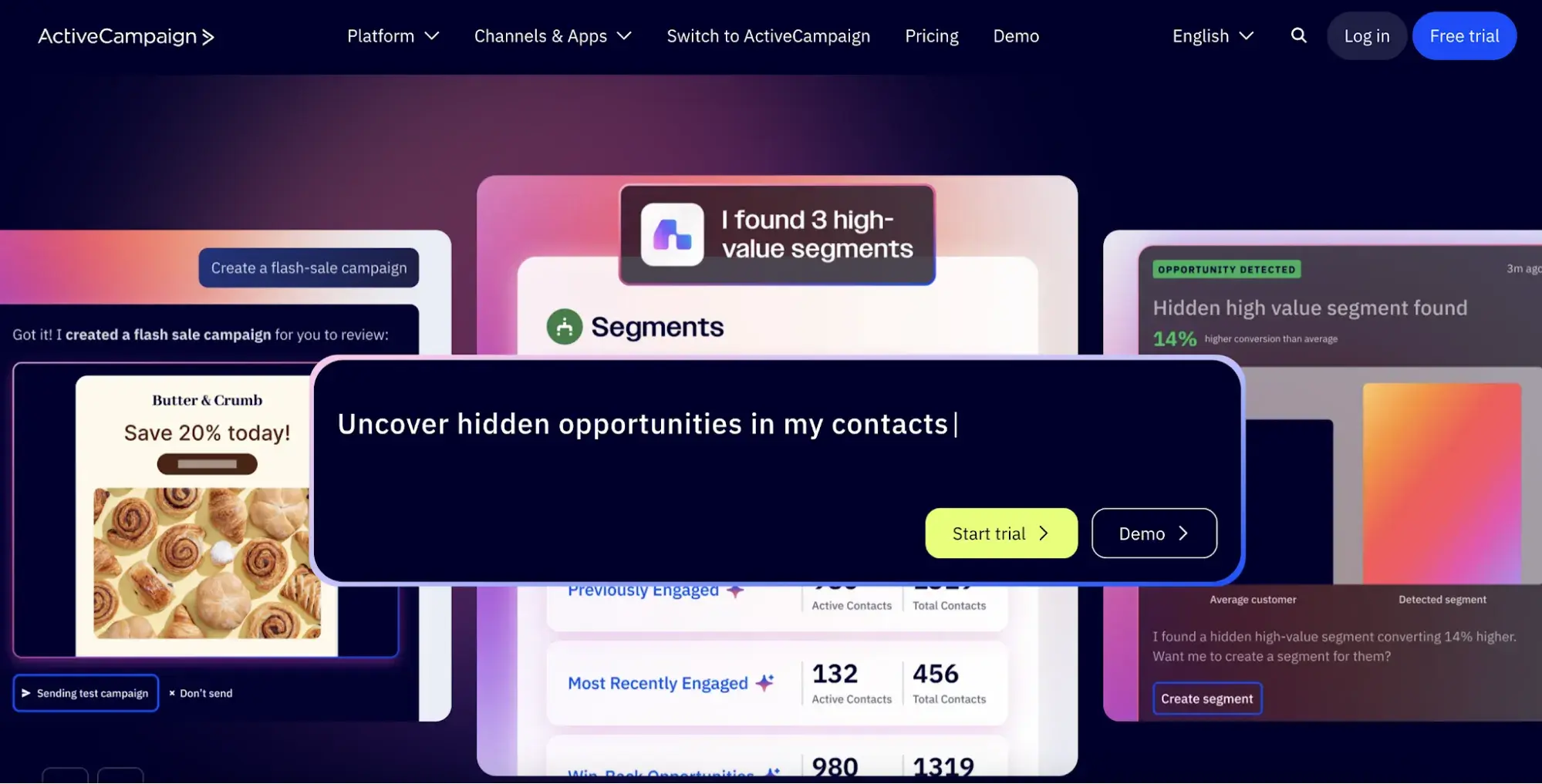
ActiveCampaign presents itself as an AI-forward marketing automation platform that also incorporates a lightweight CRM. It offers multi-channel automation capabilities and a native two-way Salesforce sync, making it a viable option for smaller teams seeking a simpler alternative to Pardot’s intricate design. A key consideration for scaling businesses is ActiveCampaign’s pricing structure, which can involve significant price jumps between tiers or for existing customers as their contact lists grow.
ActiveCampaign Key Features include sophisticated automation workflows, email marketing, CRM functionalities, and a focus on customer experience automation. Its "active intelligence" feature, which allows users to prompt the AI using natural language, represents a significant departure from the more code-centric approach often found in legacy platforms.
Reviews for ActiveCampaign frequently praise its ease of use and effective automation features. However, common criticisms include a learning curve and notably weak reporting capabilities, with limited reporting features being a recurring pain point.
ActiveCampaign Pricing: Plans start at $15 per month and scale rapidly based on the number of contacts.
What is noteworthy about ActiveCampaign is its "active intelligence" feature, which enables users to interact with the AI using spoken language to prompt any feature. This represents a substantial shift from the code-heavy design paradigms prevalent in platforms like Pardot.
5. Zoho Marketing Automation
Zoho Marketing Automation offers native synchronization with Zoho’s own CRM and across various marketing channels. The platform leverages customer data to facilitate lead scoring, campaign generation, and personalized outreach. As a budget-friendly Pardot alternative, Zoho Marketing Automation may be less feature-rich than some other platforms but can be an excellent choice for small businesses with straightforward data requirements.
Key Zoho Marketing Automation Features include campaign management, lead nurturing, email marketing, and website tracking. It aims to provide a consolidated solution for managing marketing activities.
Reviews for Zoho Marketing Automation generally commend its marketing automation solutions, but some users have reported issues with customer service and the platform’s reporting capabilities.
Zoho Marketing Automation Pricing: Plans start at $19 per month for 1,000 contacts.
What is a significant benefit of Zoho is its affordability, making it an attractive option for companies looking to move away from Salesforce entirely. This contrasts with many businesses leaving Pardot who opt to retain Salesforce as their CRM.
Migrating from Pardot with Minimal Risk
A low-risk migration from Pardot necessitates meticulous planning, encompassing comprehensive data mapping, accurate workflow translation, rigorous quality assurance, and a phased rollout strategy. Tom Ryan identifies underestimating the translation aspect of the migration as one of the most prevalent errors he encounters.
For instance, campaign attribution modeling differs significantly across platforms. "A Salesforce campaign is a completely different object from a HubSpot campaign… so there’s a translation there," Ryan explained. He emphasizes the importance of thoroughly considering questions surrounding campaign attribution modeling: its location, its operational mechanics across systems, and whether existing Salesforce hierarchies warrant preservation. "If we’re going to get to campaign attribution modeling, do we do it in HubSpot? Do we do it in Salesforce? Do we do it in both? How do we want to continue operating? Because some companies have a really good campaign hierarchy in Salesforce that they’ve built, and they don’t want to lose that effort," he shared.
Ryan categorizes the priorities for complex migrations into three key areas:
- Data Migration: This involves transferring all relevant contact, company, and historical data.
- Workflow and Automation Translation: Recreating existing automation rules, lead scoring models, and engagement programs in the new platform.
- Reporting and Analytics Reconfiguration: Adapting reporting dashboards and metrics to align with the new system’s capabilities.
With diligent planning and discovery, Pardot migrations can be completed in as little as one month.
Frequently Asked Questions About Pardot Alternatives
Is Pardot part of Salesforce?
Yes, Pardot is an integral part of Salesforce. It is also known as Marketing Cloud Account Engagement or simply Salesforce Account Engagement. While Pardot is the original designation, Salesforce officially rebranded it to Marketing Cloud Account Engagement in 2022.
How long does a typical Pardot migration take?
While a swift Pardot migration can be accomplished in approximately one month, Tom Ryan’s experience indicates that a typical migration process usually spans between two to three months.
Will we lose our lead scoring and ABM models if we switch?
Yes, both lead scoring and Account-Based Marketing (ABM) models will need to be rebuilt in a new platform. Lead scoring cannot be directly ported because Pardot utilizes an out-of-the-box scoring model that does not transfer to other systems. However, Ryan advises, "scores and grades can still be retained when migrating to a new platform, for segmentation reasons. Treat it as an opportunity to rebuild the model with the learns gained from Pardot." Similarly, ABM models face challenges as Engagement Studios and automations do not port easily. "A key consideration here when migrating is to carefully track where prospects are in a given journey, as they should continue where they left off in any new system. Working with a partner makes this process safer and more reliable," he added.
Can we keep Salesforce for sales but switch off Pardot?
Absolutely. Pardot is billed as a distinct line item within Salesforce. Therefore, businesses can retain their CRM, Sales Cloud, and other Salesforce products while transitioning to a separate marketing automation tool.
What’s the best way to budget for the first year on a new platform?
It is advisable to budget for the platform’s list price based on your current usage (seats and contacts) and factor in projected growth for the upcoming year. Tier jumps are often where costs escalate most rapidly. Additionally, allocate funds for onboarding and implementation fees, which some platforms mandate as an initial cost in the first year.
Making the Switch from Pardot
A company’s marketing effectiveness is intrinsically linked to the quality of its tools. When marketing automation platforms begin to lag behind industry advancements, it becomes imperative to invest in current and capable solutions. The Pardot alternatives discussed offer a diverse range of capabilities to cater to various team needs and are powerful enough to manage advanced customization at scale.
For businesses ready to embark on this transition, HubSpot Marketing Hub offers robust marketing automation and reporting functionalities suitable for organizations of all sizes. Exploring their offerings through a sales consultation or a free trial can be a valuable first step in navigating the evolving landscape of marketing technology.
About the Author