The marketing industry is undergoing a seismic transformation, with a staggering 70% of marketers reporting that the past three years have brought more change than the preceding fifty. This rapid evolution necessitates that the tools marketers rely on also adapt, or risk becoming obsolete. Pardot, a long-standing player in the B2B marketing automation arena, has found itself at a crossroads. A perceived lack of recent development has led a growing number of businesses to explore alternative solutions, prompting a closer examination of the reasons behind this exodus and the emerging landscape of B2B marketing technology.
This shift is not merely anecdotal. Industry experts and former Pardot users alike are pointing to a confluence of factors driving this migration. At the heart of the matter lies a growing concern over the platform’s future development and perceived stagnation. Pardot, rebranded as Marketing Cloud Account Engagement in 2022 as part of Salesforce’s broader ecosystem integration, is facing challenges in keeping pace with the dynamic demands of modern marketing.
The Driving Forces Behind the Exodus from Pardot
Tom Ryan, a recognized Pardot expert and founder of MarCloud, a consultancy specializing in marketing automation, has observed this trend firsthand. "Many Pardot users are choosing to leave due to a legitimate fear that the platform will eventually be discontinued," Ryan stated. His experience, spanning over seven years as a Pardot consultant since 2016, leads him to believe that the writing is on the wall. "There’s a distinct lack of active development on the platform," he explained. "We’re seeing a clear migration path being laid out. It feels less like a question of ‘if’ and more like a question of ‘when’ it will be phased out."
Beyond the specter of discontinuation, persistent technical and functional limitations are also cited as major pain points. Revenue attribution and reporting capabilities, in particular, are areas where Pardot users frequently encounter difficulties. "Revenue attribution is incredibly difficult if you don’t possess a deep, consultant-level understanding of how to navigate the Pardot-Salesforce sync," Ryan elaborated. This intricate integration, while powerful for some, often presents a significant barrier to entry for those seeking straightforward insights into marketing ROI.

Reporting, too, is a common complaint. The platform’s inherent lack of flexibility in report customization means that many businesses struggle to extract the specific data they need to inform their strategies. "The reports are not easily customizable within Pardot, which prevents users from generating the precise reports they require," Ryan noted. "Achieving clear, actionable reporting without specialized expertise is a considerable challenge for most."
Identifying the Leading Pardot Alternatives
In light of these challenges, businesses are actively seeking platforms that offer more robust functionality, greater flexibility, and clearer development roadmaps. The most frequently cited destination for departing Pardot customers, according to Ryan, is HubSpot. "The transition from Pardot to HubSpot makes a great deal of sense for many," he observed. "There are significant architectural similarities between Pardot and HubSpot, particularly through their respective connectors. This familiarity eases the transition, and users gain access to a far broader range of capabilities."
When evaluating potential Pardot alternatives, B2B marketing teams are prioritizing several key criteria. These include:
- CRM Integration: Seamless integration with Customer Relationship Management (CRM) systems is paramount. Platforms that offer native CRM capabilities or robust, two-way syncs with existing CRMs are highly favored.
- Automation Capabilities: The ability to build sophisticated, multi-step nurture workflows, triggered by behavior, lifecycle stage, or CRM data, is crucial for effective lead nurturing and customer engagement.
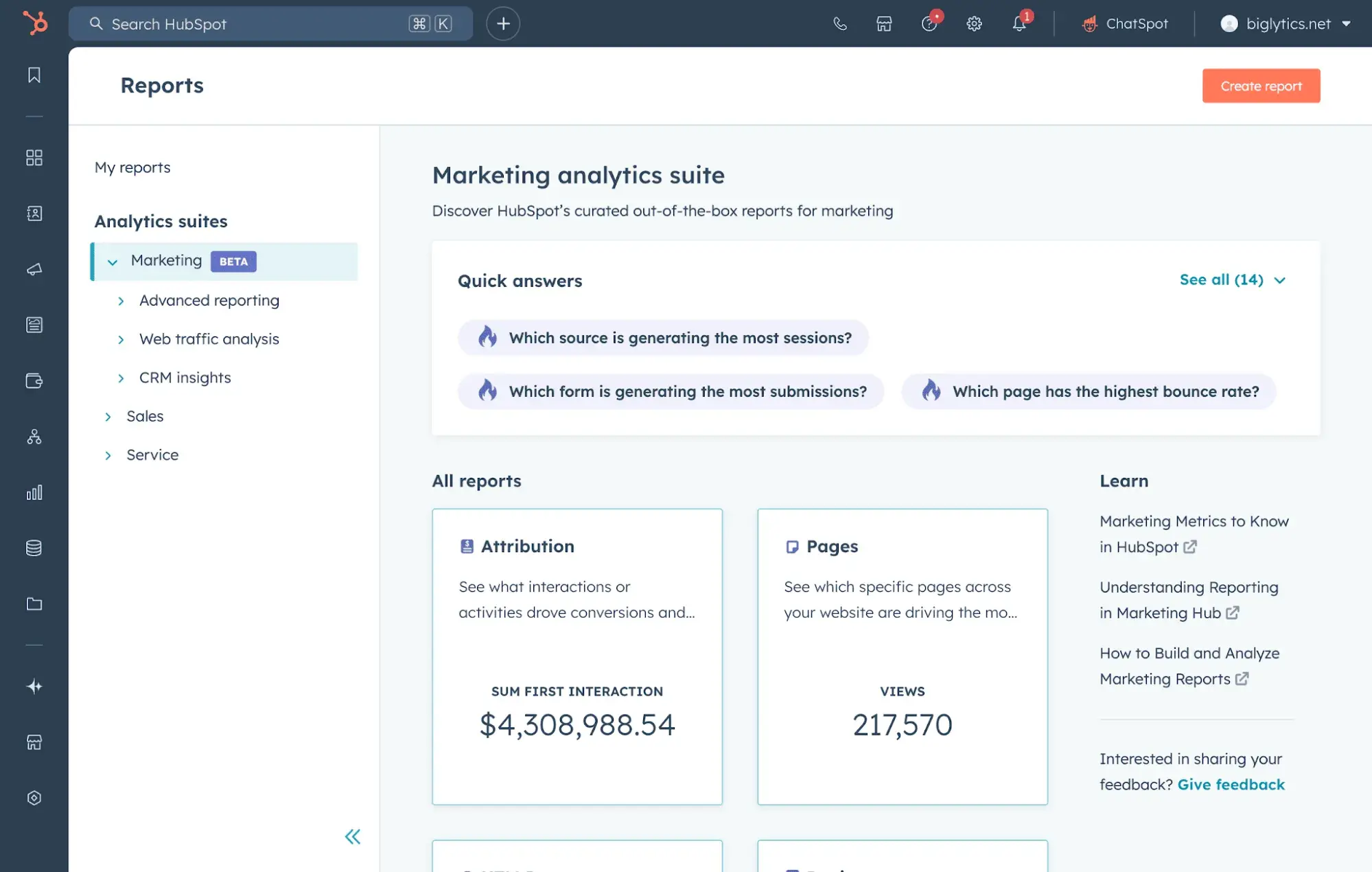
- Data Management and Reporting: Clear, customizable, and insightful reporting is essential for demonstrating ROI and informing strategic decisions. The ability to avoid data silos and gain a unified view of customer data is also a significant advantage.
- User Experience and Ease of Use: As marketing teams grapple with increasing complexity, intuitive interfaces and user-friendly design are becoming increasingly important.
- Scalability and Future Development: Businesses need assurance that their chosen platform will grow with them and continue to evolve to meet future marketing needs.
- Pricing and Value: While advanced features are desirable, cost-effectiveness and clear pricing structures are also key considerations.
A Comparative Look at Top Pardot Alternatives
Several platforms are emerging as strong contenders for businesses looking to transition from Pardot. Each offers a unique set of features and benefits, catering to different organizational needs and strategic priorities.
1. HubSpot Marketing Automation
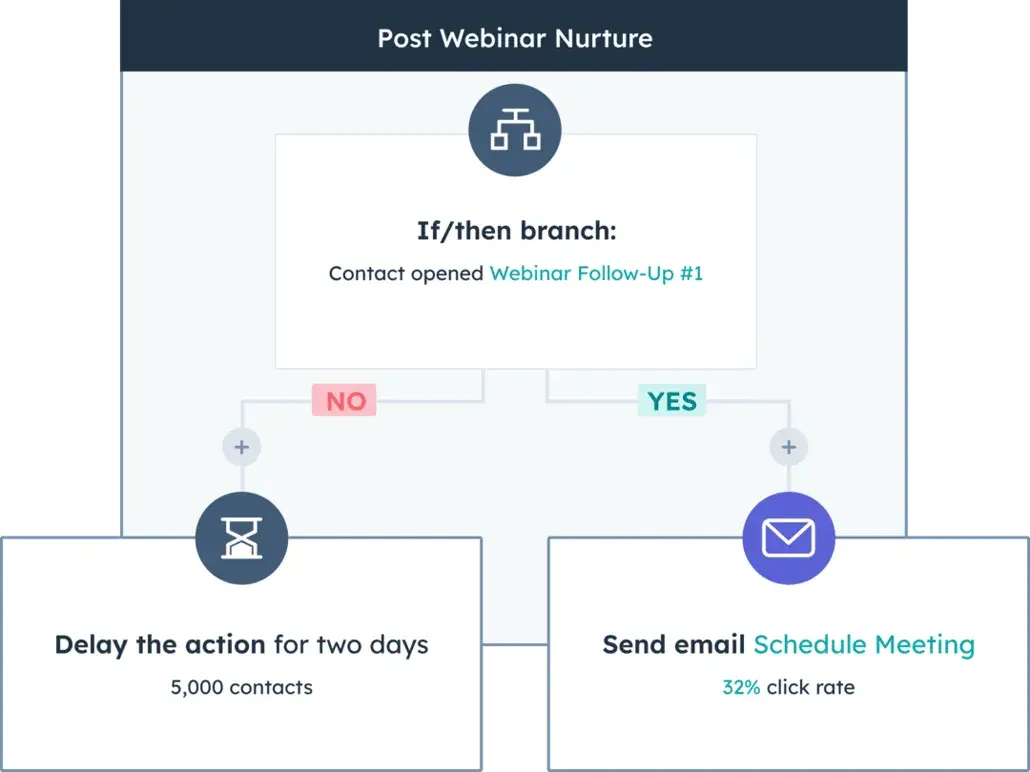
HubSpot has become a dominant force in the marketing technology landscape, and its Marketing Automation offering is a prime candidate for Pardot defectors. The platform excels at building multi-step B2B nurture workflows that can be triggered by a variety of factors, including user behavior, lifecycle stage, or data within HubSpot’s integrated CRM. This "data under one roof" approach directly addresses the data silo issues often associated with Pardot’s disconnected architecture.

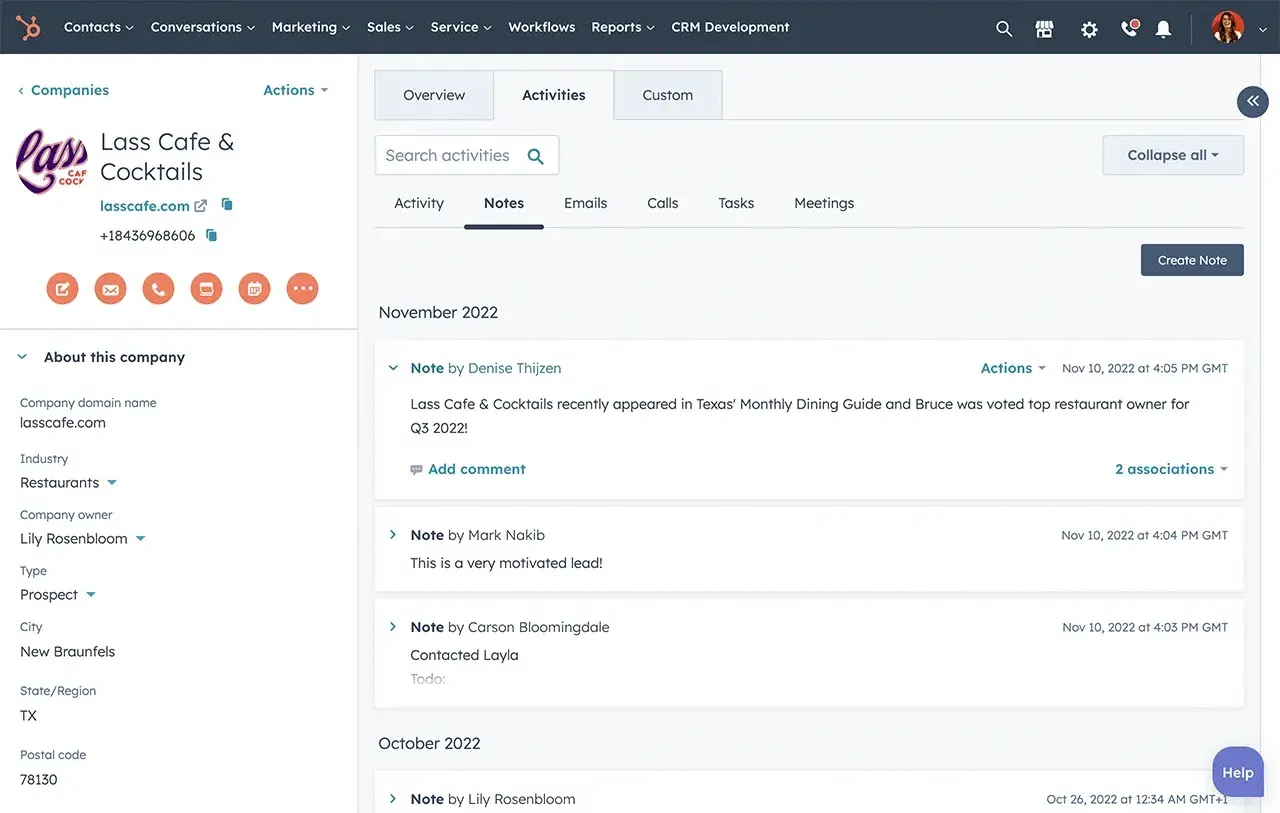
HubSpot offers businesses the flexibility to either replace their existing Salesforce CRM with HubSpot CRM or leverage a native two-way sync to maintain alignment between the two platforms. This integration ensures that contacts, companies, deals, and activity history remain consistent across both systems.
Key HubSpot Features:
- Drag-and-Drop Email and Campaign Builders: Facilitates rapid iteration and execution of marketing campaigns without reliance on developers.
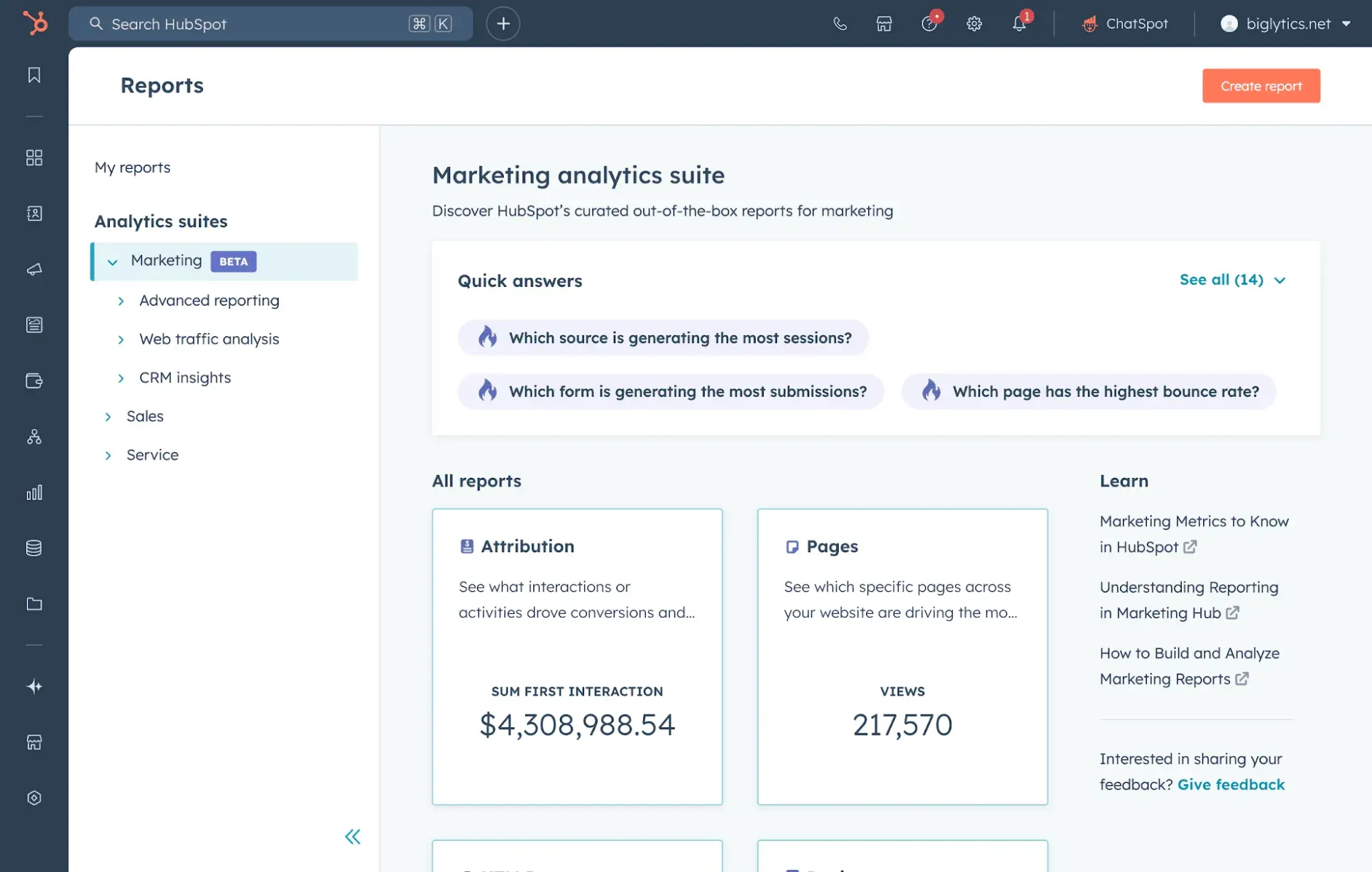
- Smart CRM: A unified platform for marketing, sales, and service, providing a 360-degree view of the customer.
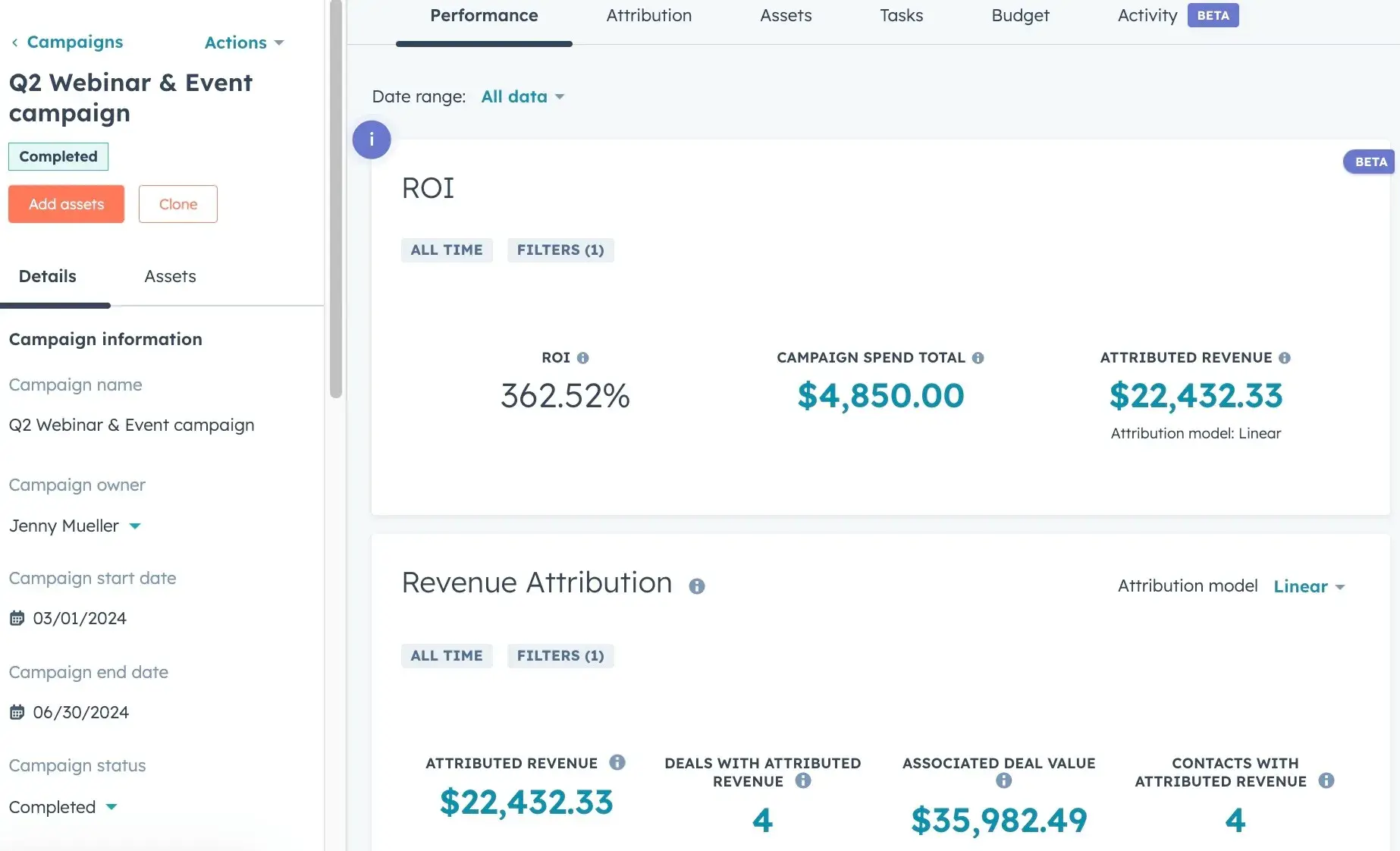
- Advanced Marketing Reporting: Offers robust analytics to track campaign performance, ROI, and attributed revenue.
- Behavioral Triggers: Enables dynamic automation based on user actions and engagement.
Reviews: HubSpot Marketing Hub consistently receives praise for its ease of use, particularly its intuitive design and powerful email marketing and automation capabilities. While some users note a learning curve and occasional feature gaps, its overall user-friendliness and integrated approach make it a compelling choice.
Pricing: HubSpot offers a free plan suitable for small teams, with paid plans starting at a competitive rate.
Analyst Insight: "HubSpot’s strength lies in its all-in-one ecosystem, which is particularly appealing to businesses that want to consolidate their marketing and sales technology stack. The ability to integrate marketing automation seamlessly with a robust CRM is a significant advantage," commented a senior analyst at a leading tech research firm.
2. Salesforce Marketing Cloud Next
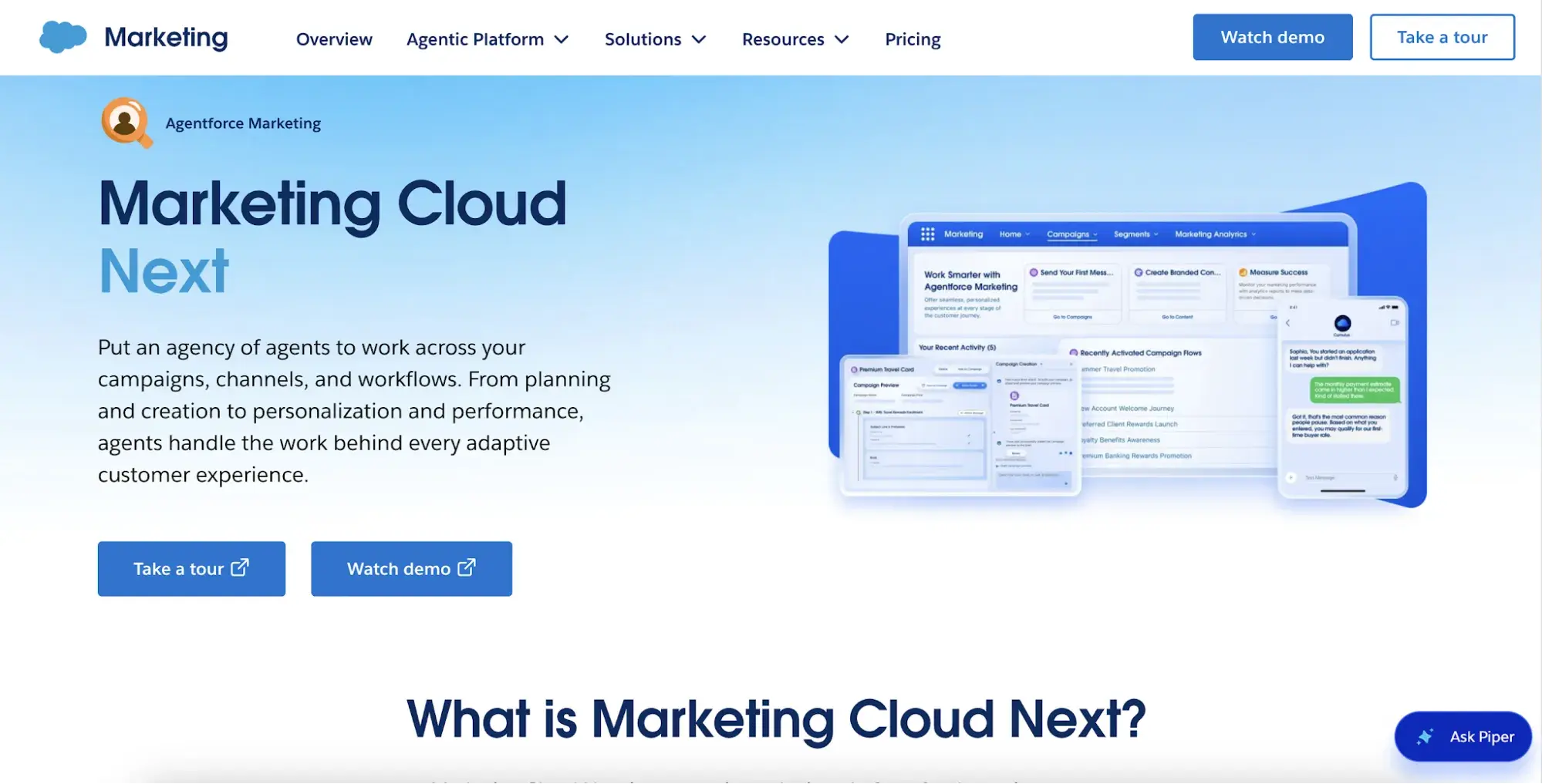
For businesses deeply entrenched in the Salesforce ecosystem, Salesforce Marketing Cloud Next represents the company’s intended successor to Pardot. This new platform is built natively on Salesforce’s Data Cloud, aiming to eliminate the separate system sync issues that have plagued Pardot users. However, Marketing Cloud Next is a comprehensive and often expensive solution, best suited for organizations that are already heavily invested in Salesforce and intend to remain so.
Ryan suggests that the push towards Marketing Cloud Next often triggers a broader review of a company’s entire technology stack. "Salesforce is directing customers to their new platform, Marketing Cloud Next, but this often prompts a more extensive tech review," he noted. "While some customers do opt for Marketing Cloud Next, the most common direction we’re seeing is still towards HubSpot."
Key Marketing Cloud Next Features:
- Native Data Cloud Integration: Designed for seamless data flow within the Salesforce ecosystem.
- Advanced Personalization Capabilities: Leverages AI to deliver highly tailored customer experiences.
- Cross-Channel Orchestration: Enables coordinated messaging and engagement across various touchpoints.
Reviews: User feedback on Agentforce Marketing (which encompasses Marketing Cloud Next) is varied, with some highlighting its ease of use while others express concerns about its complexity and learning curve.
Pricing: The Growth Edition of Marketing Cloud Next begins at a substantial monthly investment, positioning it as an enterprise-level solution.
Analyst Insight: "Marketing Cloud Next is Salesforce’s strategic play to retain its existing customer base and offer a more integrated, AI-driven marketing solution. However, its significant cost and complexity mean it’s not a universal fit, especially for those seeking to reduce their reliance on Salesforce," stated an industry observer.
3. Adobe Marketo Engage
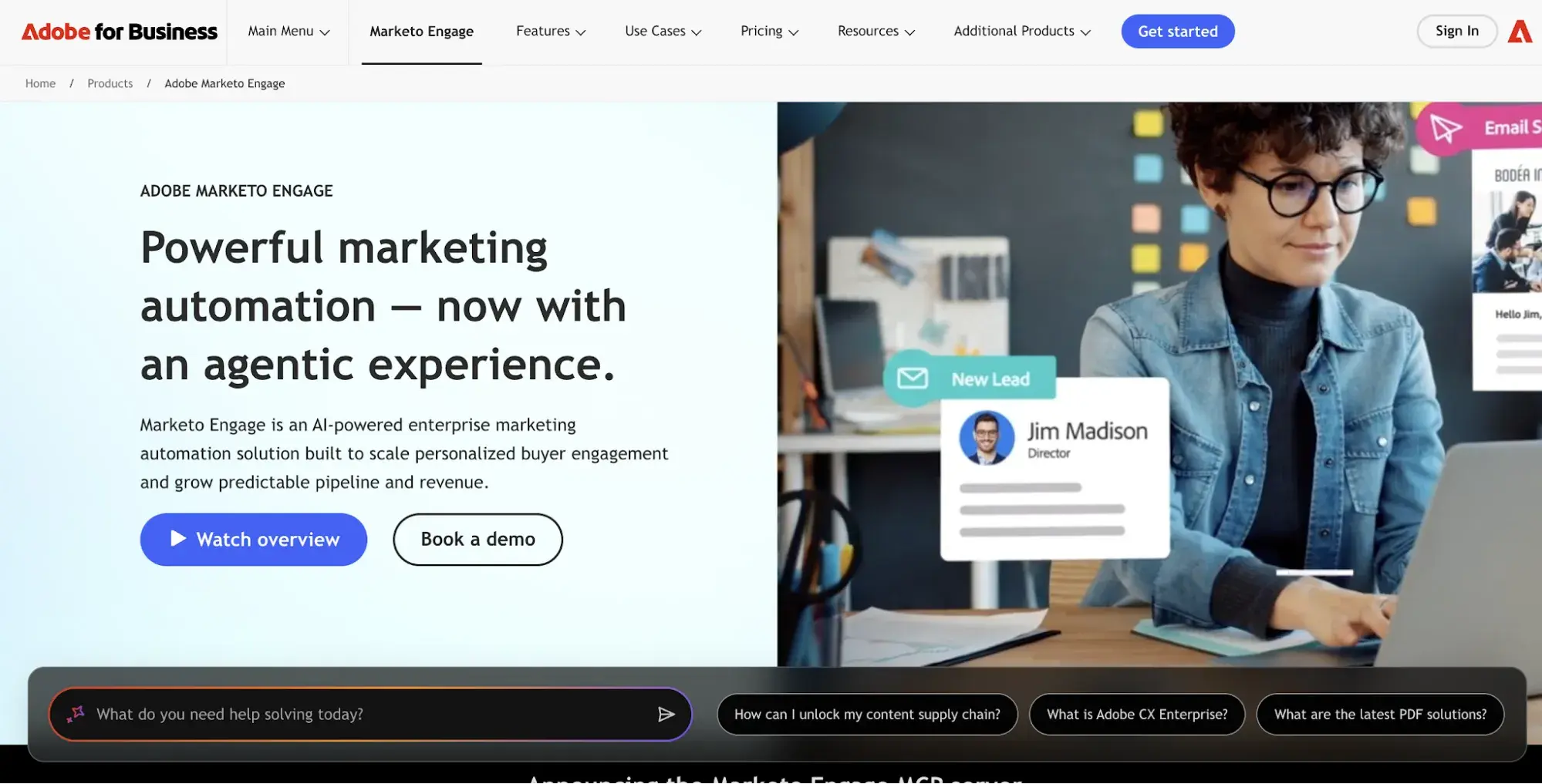
Adobe Marketo Engage is a robust enterprise-grade marketing automation platform that can serve as a powerful alternative for companies that have outgrown Pardot. Known for its extensive feature set, Marketo often comes with a higher price tag and a steeper learning curve, requiring significant investment in setup and customization. However, for complex teams with the resources to dedicate to its implementation, the depth of its capabilities can be a significant advantage.
Key Marketo Features:
- Advanced Lead Management: Offers sophisticated tools for lead scoring, nurturing, and segmentation.
- Program Management: Enables the creation and execution of complex, multi-channel marketing campaigns.
- Analytics and Reporting: Provides deep insights into campaign performance and customer engagement.
Reviews: Marketo is lauded for its powerful automation features and ease of use once mastered. However, its learning curve, unintuitive design elements, and overall complexity are frequently cited drawbacks.
Pricing: Adobe does not publicly disclose pricing for Marketo Engage, requiring interested parties to contact sales for a customized quote.
Analyst Insight: "Marketo remains a top-tier platform for enterprise marketing automation, particularly for companies with complex B2B sales cycles and a need for deep customization. Its integration with the broader Adobe Experience Cloud further enhances its appeal for organizations looking for a comprehensive digital marketing suite," commented a market research analyst.
4. ActiveCampaign
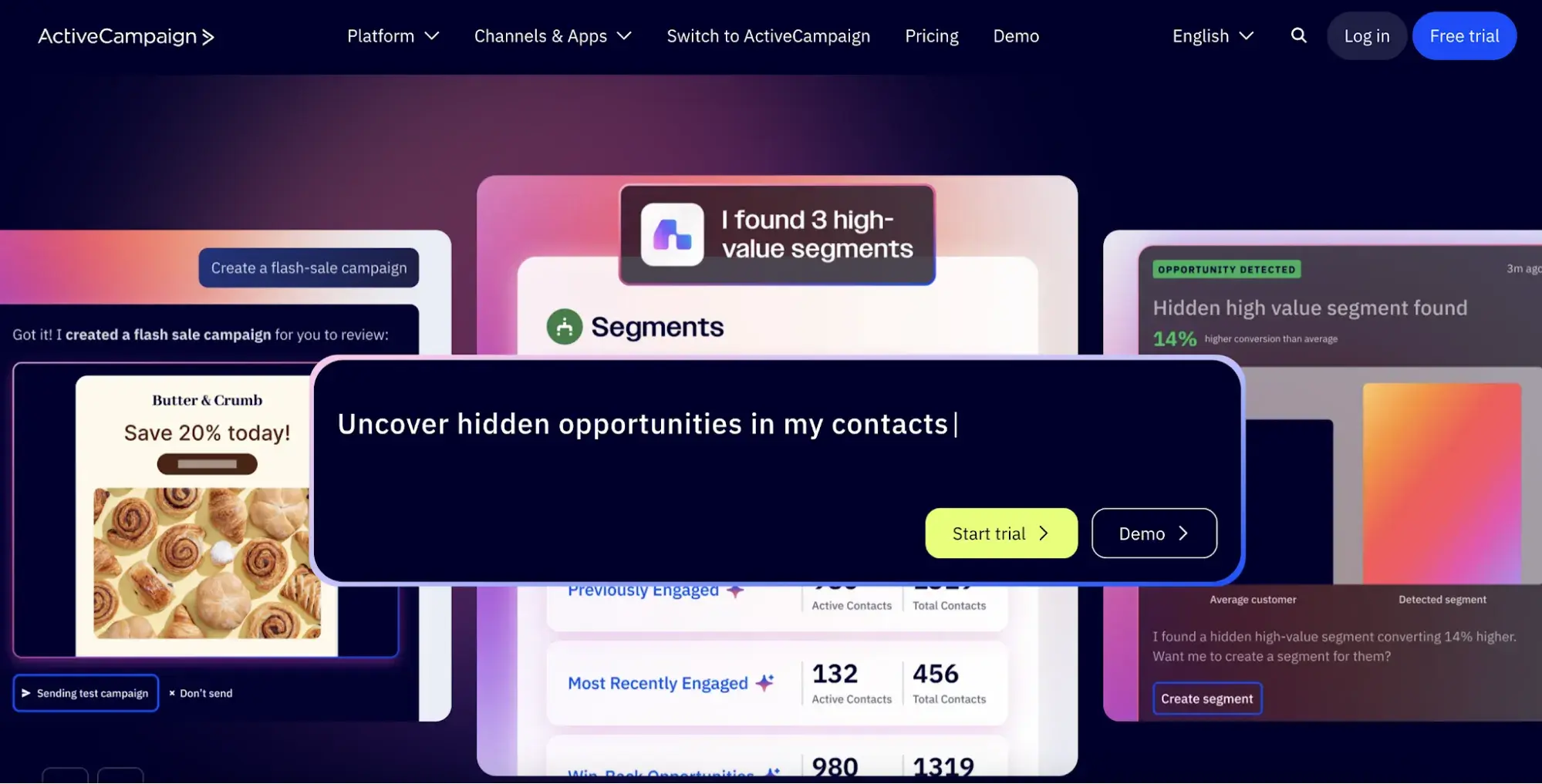
ActiveCampaign positions itself as an AI-forward marketing automation platform that also includes a lightweight CRM. It offers multi-channel automation and a native two-way Salesforce sync, making it an attractive option for smaller teams seeking a simpler, yet powerful, solution. However, businesses should be aware of potentially significant price increases as they scale or when moving between subscription tiers.
Key ActiveCampaign Features:
- AI-Powered Automation: Leverages "active intelligence" for dynamic campaign adjustments and personalization.
- Multi-Channel Engagement: Supports email, SMS, and website personalization.
- Integrated CRM: Offers a streamlined CRM for managing contacts and deals.
Reviews: Users frequently praise ActiveCampaign for its ease of use and robust automation capabilities. Common criticisms include a learning curve and limitations in reporting features.
Pricing: ActiveCampaign’s plans start at an accessible monthly rate, but costs can escalate quickly based on contact volume.
Analyst Insight: "ActiveCampaign is a strong contender for small to medium-sized businesses that need a blend of sophisticated automation and a user-friendly interface. Its AI capabilities are particularly noteworthy, offering a glimpse into the future of personalized marketing," observed a technology consultant.
5. Zoho Marketing Automation
Zoho Marketing Automation integrates natively with Zoho’s comprehensive suite of business applications, including its CRM. The platform utilizes customer data to drive lead scoring, campaign generation, and personalized outreach. As a budget-friendly Pardot alternative, Zoho Marketing Automation is particularly well-suited for small businesses with straightforward data requirements and a desire for an integrated, cost-effective solution.
Key Zoho Marketing Automation Features:
- Lead Scoring and Nurturing: Automates the process of identifying and engaging high-potential leads.
- Campaign Management: Facilitates the creation and deployment of multi-channel marketing campaigns.
- Customer Data Platform (CDP) Integration: Leverages customer data for personalized marketing efforts.
Reviews: While users appreciate the marketing automation functionalities, some have reported issues with customer service responsiveness and reporting capabilities.
Pricing: Zoho Marketing Automation offers competitive pricing, with plans starting at a low monthly cost for a specific contact volume.
Analyst Insight: "Zoho provides a compelling value proposition for businesses seeking an all-in-one solution without the enterprise-level price tag. Its native integration with Zoho CRM makes it a seamless choice for existing Zoho users, and its marketing automation features are robust enough for many small to medium-sized businesses," commented a business technology advisor.
Navigating the Migration Process
A successful migration from Pardot to a new platform hinges on meticulous planning and execution. Experts like Tom Ryan emphasize the critical importance of data mapping and workflow translation. "Underestimating the translation factor is one of the most common mistakes I see," he warned.
The nuances of how different platforms handle campaign attribution modeling, for example, can present significant challenges. "A Salesforce campaign is a completely different object from a HubSpot campaign," Ryan explained. "There’s a translation required to ensure that historical data and attribution models are accurately represented in the new system."
This necessitates careful consideration of where and how campaign attribution will be managed post-migration. "If we’re going to achieve effective campaign attribution modeling, do we do it in HubSpot? Do we do it in Salesforce? Do we do it in both?" Ryan posed. "Companies need to think through how they want to operate moving forward, especially if they’ve invested heavily in building a robust campaign hierarchy within Salesforce."
Ryan categorizes migration priorities into three key areas:
- Data Integrity: Ensuring that all relevant data is accurately transferred and maintained.
- Workflow Translation: Recreating and optimizing existing automation workflows in the new platform.
- User Adoption and Training: Equipping the team with the knowledge and skills to effectively utilize the new system.
With thorough planning and a phased rollout approach, a Pardot migration can be completed in as little as one month, though a more typical timeline often ranges from two to three months.
Addressing Common Concerns in Pardot Migration
As businesses contemplate a switch, several questions frequently arise:
Is Pardot part of Salesforce?
Yes, Pardot is a Salesforce product. It was rebranded as Marketing Cloud Account Engagement (or Salesforce Account Engagement) in 2022, but its original name remains widely recognized.
How long does a typical Pardot migration take?
While a swift migration can be achieved in about a month, Tom Ryan notes that most migrations typically take between two and three months to complete effectively.
Will we lose our lead scoring and ABM models if we switch?
Yes, these models will need to be rebuilt. Lead scoring in Pardot is proprietary and does not transfer directly to other systems. However, existing scores and grades can be retained for segmentation purposes, offering an opportunity to refine and improve the models based on lessons learned. Similarly, Account-Based Marketing (ABM) models and Engagement Studio automations do not port easily. It’s crucial to meticulously track prospect progress within their current journeys to ensure a seamless continuation in the new system. Partnering with a migration specialist can significantly enhance the safety and reliability of this process.
Can we keep Salesforce for sales but switch off Pardot?
Absolutely. Pardot is billed as a distinct component within the Salesforce ecosystem. Businesses can maintain their existing Salesforce CRM, Sales Cloud, and other sales-related tools while transitioning to a separate marketing automation platform.
What’s the best way to budget for the first year on a new platform?
Budgeting should account for the platform’s list price based on your current usage (seats and contacts), plus projected growth. Be mindful that tier jumps can significantly increase costs. It’s also essential to factor in potential onboarding and implementation fees, which some platforms may charge as a mandatory initial expense.
The Future of B2B Marketing Automation
The marketing technology landscape is in constant flux, driven by evolving consumer expectations and technological advancements. Businesses that fail to adapt their toolsets risk falling behind. The current wave of migration away from Pardot underscores the need for marketing automation platforms to be agile, innovative, and user-centric.
The alternatives emerging offer a diverse range of solutions, from comprehensive enterprise platforms to more agile and budget-friendly options. For businesses ready to embrace a more modern and dynamic approach to marketing automation, understanding these options and planning a strategic migration are crucial steps toward achieving their growth objectives. Platforms like HubSpot Marketing Hub, with their emphasis on integrated functionality and user-friendly design, are well-positioned to support businesses of all sizes as they navigate this evolving landscape.
About the Author