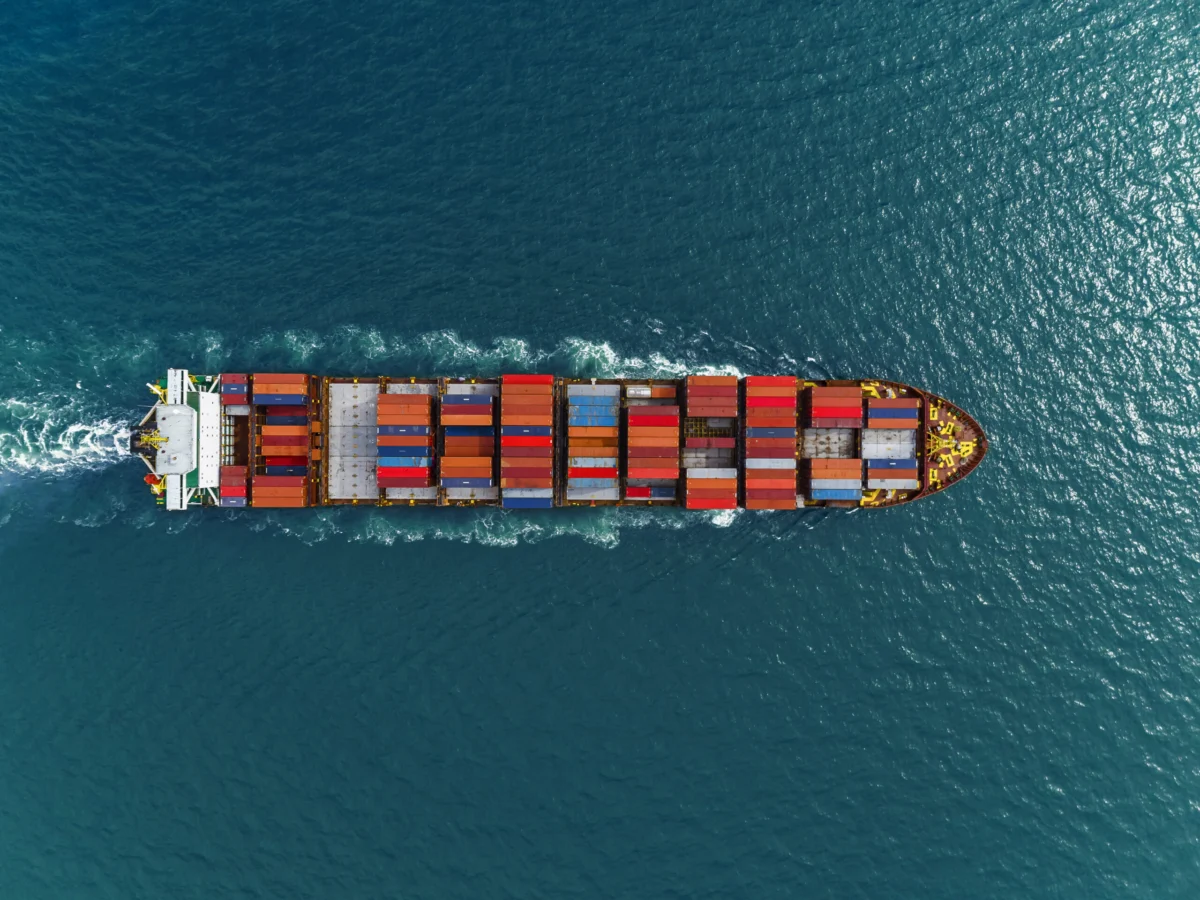
The United Nations Office for Project Services (UNOPS), in collaboration with the International Chamber of Commerce (ICC) and other key international agencies, has formally proposed a comprehensive operational mechanism designed to stabilize and secure the movement of essential goods through the Strait of Hormuz. This initiative represents a critical diplomatic and logistical effort to mitigate the catastrophic impact of continued maritime disruptions in one of the world’s most vital shipping lanes. The proposed framework establishes a structured protocol for the registration, deconfliction, prioritization, facilitation, monitoring, verification, and reporting of vessel movements, with an immediate strategic focus on the transport of fertilizers and related raw materials.
The proposal comes at a juncture where the global economy is grappling with the cumulative effects of regional volatility and supply chain fragility. Jorge Moreira da Silva, Executive Director of UNOPS and coordinator of the UN Strait of Hormuz Task Force, has emphasized that the mechanism is not merely a technical solution but a humanitarian necessity. According to the Task Force, the current disruption is placing unprecedented pressure on global food security, livelihoods, and the stability of international markets. By creating a predictable and verified environment for commercial shipping, the UN aims to restore confidence among insurers, shipowners, and the international community.
The Operational Framework of the Hormuz Task Force
The proposed mechanism is built upon six functional pillars intended to create a "humanitarian corridor" of sorts for commercial vessels. These pillars—registration, deconfliction, prioritization, facilitation, monitoring, and verification—are designed to address the specific security concerns of regional stakeholders while ensuring that essential goods reach their destinations.
Registration and verification are central to the process. By providing a transparent system where vessel manifests and ownership can be independently verified, the mechanism aims to reduce the "fog of war" and the risk of miscalculation by regional actors. Deconfliction involves the coordination of shipping schedules and routes to ensure that commercial vessels are clearly identified and separated from military activities or high-risk zones.
A key feature of the proposal is its adherence to international law. The Task Force has explicitly stated that the mechanism is time-bound, exceptional in nature, and limited in scope. Crucially, it does not involve the transfer of sovereign authority to any participating party, nor does it infringe upon the rights and obligations of states under the United Nations Convention on the Law of the Sea (UNCLOS). Instead, it acts as a voluntary, administrative layer designed to facilitate trade in a high-risk environment.
The Economic Impact of Maritime Stagnation
The urgency of the Task Force’s proposal is underscored by staggering data regarding current traffic through the Strait. According to statements from UNOPS, maritime traffic through the Strait of Hormuz has plummeted by more than 95% compared to levels recorded prior to the recent escalation of regional hostilities. For a waterway that traditionally handles approximately 20% to 30% of the world’s total consumption of liquid petroleum and significant volumes of liquefied natural gas (LNG), such a decline is historic.
The economic ramifications extend far beyond the energy sector. The Strait is a primary artery for the global fertilizer trade. As shipping costs rise and transit volumes fall, the cost of agricultural inputs has surged. This creates a "multiplier effect" on global inflation: higher transport and fertilizer costs lead to higher production costs for farmers, which eventually results in higher food prices for consumers globally.
The International Chamber of Commerce, representing over 45 million companies in over 100 countries, has warned that the private sector is currently bearing the brunt of these disruptions. John Denton, Secretary General of the ICC, noted that the continued instability is putting "enormous pressure" on economic stability. The involvement of the ICC is pivotal, as it brings the voice of global business to the Task Force, ensuring that the proposed solutions are commercially viable and address the practical concerns of the shipping and insurance industries.
A Growing Humanitarian Crisis: Food Security at Risk
While the economic data is concerning, the humanitarian implications are dire. The United Nations World Food Programme (WFP) has provided a sobering estimate that nearly 45 million people could fall into acute food insecurity as a direct result of the disruption to trade routes like the Strait of Hormuz.
The focus on fertilizers in the initial phase of the mechanism is a strategic choice. Fertilizers are the backbone of modern high-yield agriculture. Any prolonged shortage or price spike in these materials can lead to failed harvests in the subsequent growing seasons, particularly in the Global South. By prioritizing the movement of fertilizers and raw materials, the Task Force is attempting to prevent a medium-term global famine that could result from today’s shipping bottlenecks.
The situation mirrors the challenges faced during the 2022 Black Sea Grain Initiative. In that instance, the ICC and the UN worked together to facilitate the export of Ukrainian grain and Russian fertilizers amid the conflict in Eastern Europe. The current Hormuz Task Force builds on that institutional experience, applying the lessons learned from the Black Sea to the Middle Eastern context.
Chronology of the Crisis and the UN Response
The development of the Hormuz Task Force and its subsequent proposal follows a timeline of increasing maritime instability in the region:
- Initial Escalation: Following the outbreak of regional conflict, maritime insurance premiums for the Persian Gulf and the Gulf of Oman saw a sharp increase, leading many shipping lines to divert vessels or pause operations.
- Formation of the Task Force: Recognizing the potential for a global supply chain collapse, the UN established the Strait of Hormuz Task Force, bringing together UNOPS, the UN Trade and Development (UNCTAD), and the International Maritime Organization (IMO).
- Data Collection and Assessment: Throughout the mid-stages of the conflict, UNCTAD monitored the decline in vessel transits, confirming the 95% drop in commercial activity.
- The Proposal Announcement: After months of consultation with private sector partners and regional governments, the UNOPS Executive Director issued the current statement calling for the immediate implementation of the operational mechanism.
This timeline highlights a transition from reactive monitoring to proactive intervention. The UN is no longer simply observing the crisis; it is offering a structured path toward de-escalation through commerce.
Stakeholder Perspectives and Regional Reactions
The success of the proposed mechanism depends heavily on the cooperation of regional powers and the global shipping industry. While official state responses are often shielded by diplomatic protocol, the reaction from the private sector has been one of cautious optimism.
International shipping giants, who have faced the logistical nightmare of rerouting ships around the Cape of Good Hope to avoid regional chokepoints, are eager for a "predictable movement" through the Strait. However, insurance underwriters remain the primary hurdle. Without a verified mechanism like the one proposed by UNOPS, insurance "war risk" premiums remain prohibitively high.
John Denton’s participation in the Task Force serves as a bridge between these commercial realities and diplomatic goals. He has consistently argued that the private sector is not just a victim of trade disruption but a necessary partner in its resolution. "ICC’s engagement reflects the critical role of the private sector in working with partners to deliver practical solutions," Denton stated, emphasizing that trade flows are the lifeblood of livelihoods everywhere.
From a diplomatic standpoint, the UN is walking a fine line. By focusing on "civilian infrastructure" and "essential goods," the Task Force is attempting to frame the mechanism as a neutral, humanitarian effort. This framing is intended to make it more difficult for regional actors to oppose the plan without appearing to directly contribute to global food insecurity.
Analysis of Implications: Can the Mechanism Succeed?
The proposal for the Strait of Hormuz mechanism is a bold attempt at "functionalist diplomacy"—the idea that cooperation on technical, non-political issues (like shipping logistics) can lead to broader stability. However, several challenges remain.
First, the mechanism requires the tacit or explicit consent of all parties controlling the waters around the Strait. Unlike the Black Sea, which involved a specific agreement between two primary combatants and a mediator (Turkey), the Strait of Hormuz involves a complex web of regional players and international naval task forces.
Second, the "verification and monitoring" aspect will require a physical or digital presence that all parties trust. This is where the role of the IMO and UNOPS becomes vital. As neutral international bodies, they provide the "third-party" status necessary to build confidence.
If successful, the mechanism could serve as a blueprint for other contested maritime regions. It signals a shift in how the international community handles trade in conflict zones: rather than relying solely on military escorts, there is a move toward administrative and legal frameworks that lower the risk profile of commercial transit.
The Path Toward Implementation
As Jorge Moreira da Silva noted in his statement, there is no peaceful path through further escalation. The immediate priority is the restoration of safe and predictable movement. The next steps for the Task Force will involve securing formal commitments from member states and establishing the physical infrastructure for the registration and monitoring office.
The global community now watches to see if this "operational mechanism" can indeed build the trust and confidence it promises. With 45 million lives at risk of food insecurity and the global economy teetering on the edge of a supply chain crisis, the stakes for the Strait of Hormuz have never been higher. The proposal by the UN and the ICC represents perhaps the last best hope for a diplomatic solution to a crisis that threatens to engulf the global trade system.
In the words of the UNOPS Executive Director, "It is time to give a chance to an operational mechanism." Whether the world is ready to take that chance remains the defining question for the coming months.
About the Author