The landscape of artificial intelligence and cybersecurity is undergoing a period of rapid, often discordant transformation, characterized by the release of sweeping corporate manifestos, the automation of the labor market, and the discovery of profound vulnerabilities in transportation and consumer electronics. As Meta Platforms Inc. positions itself as the champion of open-source artificial intelligence, the practical realities of the digital age are manifesting in unconventional ways, from job seekers conducting interviews with algorithms in the middle of the night to researchers demonstrating the ease with which critical aviation infrastructure can be compromised. These developments, highlighted during recent industry summits and corporate disclosures, underscore a growing tension between technological optimism and the systemic risks inherent in a hyper-connected society.
Meta’s Strategic Pivot: The Zuckerberg AI Manifesto
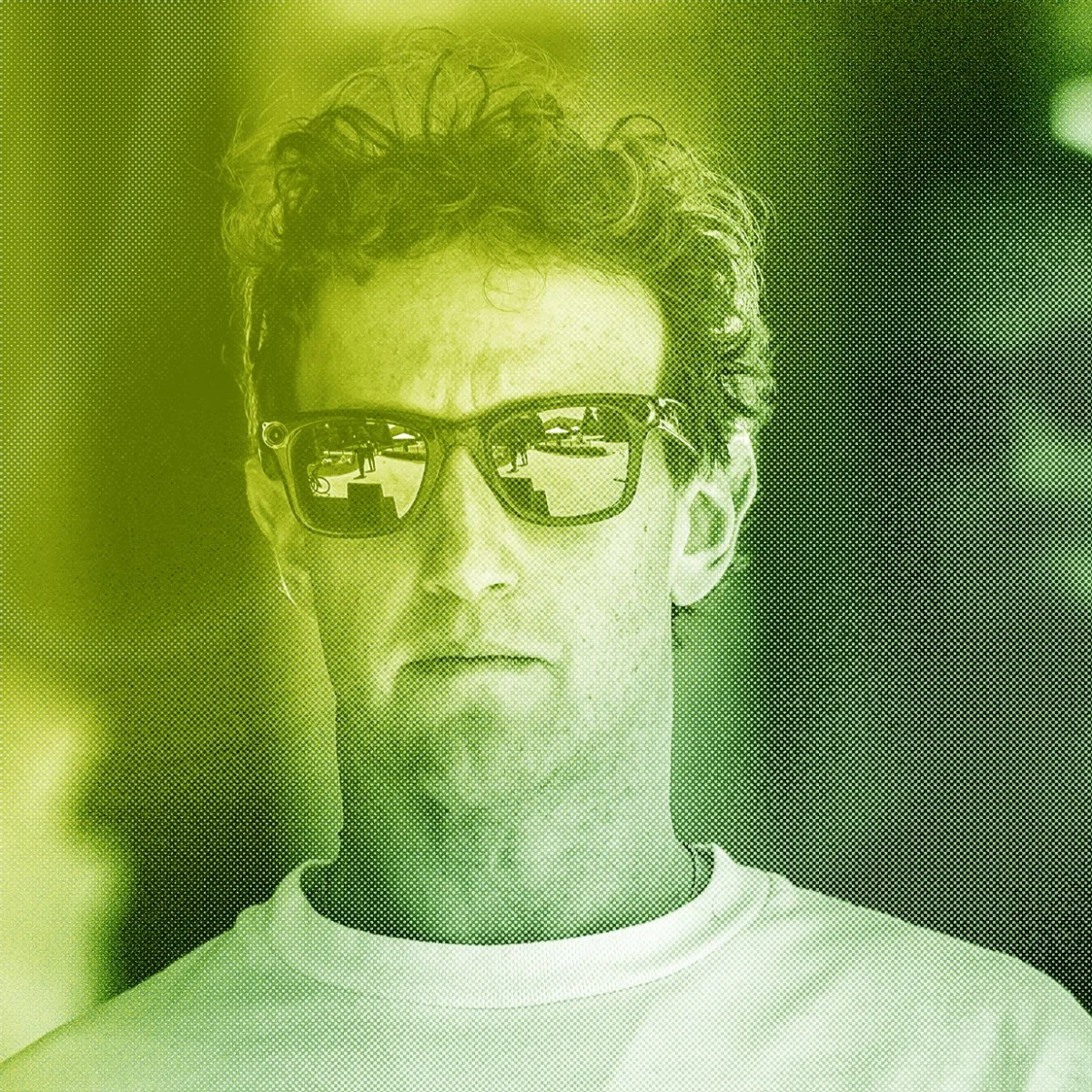
In late July 2024, Meta CEO Mark Zuckerberg published a comprehensive, 6,500-word essay titled "Open Source AI Is the Path Forward." This document serves as both a strategic roadmap for the social media giant and a philosophical challenge to the "closed-model" approach favored by competitors such as OpenAI, Google, and Anthropic. Zuckerberg’s core thesis posits that concentrated AI power within a handful of private corporations is inherently dangerous, arguing instead that broad access to foundational models—specifically Meta’s Llama series—is necessary to democratize the benefits of the technology.
The timing of the manifesto coincided with the release of Llama 3.1, Meta’s most sophisticated model to date, which the company claims rivals the performance of OpenAI’s GPT-4o. Zuckerberg’s advocacy for open-source development is not merely altruistic; it is a calculated business move designed to establish Llama as the industry standard, much like Linux became the standard for server operating systems. By providing the "weights" of the model to the public, Meta allows developers to customize and host the AI on their own infrastructure, theoretically bypassing the restrictive ecosystems controlled by cloud providers and mobile operating system gatekeepers like Apple and Google.
However, critics and industry analysts have noted a disconnect between Zuckerberg’s rhetoric and Meta’s corporate history. The manifesto emphasizes safety through transparency, yet Meta has recently faced significant legal setbacks regarding its existing platforms. Just weeks prior to the essay’s publication, Meta was ordered by a court to pay $567 million for failing to implement sufficient protections for children’s mental health on its platforms. Furthermore, the company’s internal restructuring has seen significant layoffs within its AI safety and ethics teams, leading some to characterize the "Future Is for Everyone" slogan as a marketing screen for a company desperate to reclaim its status as a primary innovator in the wake of the "Metaverse" pivot’s lukewarm reception.
The Dehumanization of Recruitment: The 1 AM AI Interview
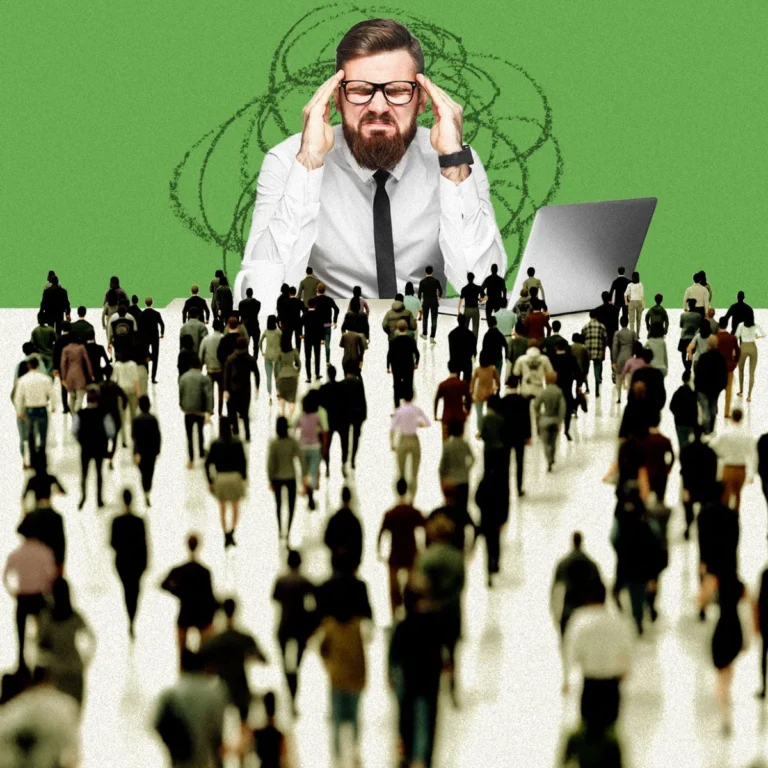
As corporations integrate AI into their operational workflows, the recruitment process has become one of the most visible frontiers of automation. A burgeoning trend identified by labor market researchers involves the rise of the "asynchronous video interview" (AVI) or bot-led screening. Companies such as Greenhouse and Ribbon are increasingly deploying AI agents to conduct first-round interviews, where candidates respond to pre-programmed prompts or interact with a voice-simulated bot.
Data from these AI recruiting platforms suggests a significant shift in candidate behavior. Approximately 15% to 25% of job seekers are now choosing to complete these automated interviews between the hours of 10:00 PM and 2:00 AM. This "1 AM interview" phenomenon is driven by a combination of necessity and the unique flexibility afforded by non-human interfaces. Candidates often cite the need to avoid conflicts with current employment, the lack of childcare during standard business hours, and the desire for a controlled environment as primary motivators for late-night sessions.
The implications of this shift extend beyond scheduling. AI interviewers often grade candidates on a variety of metrics, including "enthusiasm scores" and keyword density, using rubrics established by the hiring company. This algorithmic gatekeeping has raised concerns about the "uncanny valley" of human-resource management, where the nuances of personality, soft skills, and cultural fit are reduced to data points analyzed by a machine. In an economy where the July 2024 jobs report showed a loss of roughly 23,000 jobs and an uptick in unemployment, the pressure on candidates to "perform" for an algorithm has reached an all-time high, leading some to utilize AI themselves to draft scripts or even generate deepfake avatars to handle the screening process.
Cybersecurity at the Breaking Point: Findings from Black Hat and Defcon
The 2024 Black Hat and Defcon cybersecurity conferences in Las Vegas provided a sobering look at the vulnerabilities of modern infrastructure. Researchers presented findings that spanned from consumer privacy breaches to the potential hijacking of commercial aircraft, illustrating that as systems become more complex, the surface area for attack expands exponentially.
The Aviation Vulnerability
One of the most startling revelations involved the Boeing 737. A team of academic researchers from UC San Diego and Oberlin College demonstrated that a coin-sized device, if surreptitiously installed, could compromise the aircraft’s flight systems. The exploit requires approximately 60 seconds of physical access to a specific exterior hatch. Once the device is plugged into the plane’s ARINC 429 bus—the primary data network for avionics—it can rewrite flight plans, manipulate navigation data, and alter the calculations for takeoff speed and weight. While Boeing has noted that such an attack would require significant physical access and knowledge, the research highlights a critical gap in the hardware security of legacy systems that were designed before the era of persistent digital threats.
Exploiting the Youth Market
The conferences also shed light on the systemic failures in the "Internet of Things" (IoT) supply chain. Security analysts Vangelis Stykas and Felipe Solferini revealed that dozens of brands of children’s smartwatches, marketed as safety tools for parents, share a common, vulnerable backend hosted on Alibaba’s cloud in China. By exploiting flaws in these centralized platforms, the researchers were able to track the real-time GPS locations of thousands of children, eavesdrop on conversations via the device’s microphone, and remotely take photos. This research underscores the danger of "white-label" manufacturing, where different brands use the same insecure software architecture, creating a single point of failure for millions of consumers globally.
State-Sponsored Hacking and AI Integration
Beyond hardware vulnerabilities, the role of AI in offensive cyber operations was a primary theme. While AI is being touted as a revolutionary "bug-hunting" tool for defenders, it is also being leveraged by state-sponsored actors. Reports from the conferences detailed the activities of North Korean hacking groups, which have moved beyond cryptocurrency theft to infiltrate healthcare systems and government databases. In one instance, hackers gained access to COVID-19 data and criminal records of millions of Americans.
The consensus among cybersecurity experts is that while AI can automate the discovery of known vulnerability patterns, the most sophisticated "zero-day" exploits still require human ingenuity. The current threat landscape is characterized by a "Centaur" model of hacking—human-AI collaboration—where the speed of the machine is guided by the strategic intent of a human operator.
Data Sovereignty and the Corporate Dossier
The pervasive nature of data collection was further illuminated by an investigation into the digital practices of McDonald’s. Utilizing the California Consumer Privacy Act (CCPA), researchers requested the data stored on a single frequent user of the McDonald’s mobile application. The resulting dossier spanned 515 pages, containing not only order histories and location data but also sophisticated predictive modeling.
The fast-food giant’s data analytics systems calculate "consumer attrition likelihood" scores—the probability that a customer will stop visiting—and estimate future spending habits down to the cent. By tracking MAC addresses and device IDs, companies are able to build a "Panopticon" of consumer behavior that extends far beyond the point of sale. This level of granularity allows corporations to engage in "dynamic yield" strategies, where menus and pricing are adjusted in real-time based on the perceived value and habits of the individual customer.
Broader Impact and the Path Forward
The convergence of these trends—Zuckerberg’s push for open AI, the automation of the workforce, and the escalating stakes of cybersecurity—paints a picture of a society in the midst of a profound digital recalibration. The move toward open-source AI models offers the potential for unprecedented innovation but also requires a robust framework for accountability that currently does not exist. As AI becomes the primary interface for employment and security, the risk of systemic bias and "black box" decision-making increases.
Furthermore, the environmental and social costs of this technological expansion are becoming increasingly difficult to ignore. As seen in recent reports from Antarctic tour guides quitting in protest of environmental degradation, the human desire for "access"—whether to remote continents or to the most intimate data of our fellow citizens—often comes at a steep price.
The lessons from the summer of 2024 suggest that the future of technology will not be defined by the sophistication of the models alone, but by the strength of the guardrails placed around them. Whether through more stringent data privacy laws, enhanced hardware security standards for critical infrastructure, or a more human-centric approach to the labor market, the need for a comprehensive "digital ethics" has never been more urgent. As Mark Zuckerberg noted in his manifesto, the future may indeed be for everyone, but only if the systems defining that future are built on a foundation of genuine transparency and collective security.
About the Author