Before TikTok became a ubiquitous platform for viral trends and entertainment, astute marketers recognized its burgeoning potential as a powerful engine for lead generation. A prime example is Invisalign, which, by strategically embedding a "Smile Quiz" directly within its advertisements, significantly boosted pre-qualified interest. This innovative approach resulted in nearly a third more individuals completing the lead form, all while achieving a lower cost per lead. The campaign’s success transcended mere engagement metrics, demonstrating a tangible ability to cultivate an actual sales pipeline.
Anny Havercroft, TikTok’s Global Head of Product Marketing Communications and Industry Enablement, is at the forefront of guiding advertisers toward this sophisticated demand-generation mindset. Her role involves educating businesses on how to leverage TikTok not just for discovery, but as a crucial touchpoint for closing the sales funnel. This applies equally to both business-to-consumer (B2C) campaigns, like Invisalign’s, and business-to-business (B2B) lead generation efforts, regardless of whether leads are managed in a simple spreadsheet or seamlessly integrated into a CRM like HubSpot.
Havercroft has dedicated nearly five years to developing TikTok’s B2B lead generation playbook, initially across the Asia-Pacific region and subsequently on a global scale. Through this extensive experience, she has identified recurring patterns and critical opportunities that many marketers overlook, transforming potentially ordinary campaigns into robust demand-generation drivers.
Shifting Focus from Reach to Readiness: The Key to Quality Leads
The sheer scale of TikTok’s user base, exceeding one billion monthly active users, can often lead marketers to prioritize reach as their primary campaign objective. However, Havercroft emphasizes that this perspective can be misleading when the ultimate goal is demand generation. "It can be very easy to think about it as a reach play when you’re generating demand," she explains, "but actually it is about the quality of our community and how the engagement of our audiences actually turns into some really well-qualified leads."
The true measure of quality lies not in impressions, but in discernible signals of user intent. These signals can range from the duration of video watch time to interactions like likes and shares, and even explicit searches for specific products or categories. Havercroft notes, "That’s what we’re seeing – brands and businesses that can read the signals generate those quality leads through the actions our communities are doing on an everyday basis."
Invisalign’s "Smile Quiz" campaign exemplifies this principle by actively generating its own intent signals. Instead of relying on users to complete a form without prior engagement, the brand integrated an interactive quiz directly into the ad. This allowed interested individuals to answer a few questions and determine their suitability for Invisalign treatment without ever leaving the TikTok platform. This pre-qualification step proved highly effective, leading to a 28% increase in form submission rates and an 11% reduction in cost per acquisition compared to previous campaigns. Furthermore, the quiz saw a remarkable 133% higher landing page load-and-finish rate, indicating significantly lower abandonment rates during the qualification process.
The strategic implication here is the need for marketers to embed mechanisms such as quizzes, qualifying questions, and deep-funnel tracking within their campaigns. These checkpoints act as vital indicators of a prospect’s readiness to convert into a paying customer, thereby optimizing resource allocation and marketing spend.
Harnessing Diverse TikTok Content Formats for a Seamless Customer Journey
TikTok conceptualizes the customer journey as a fluid progression of "watch it, love it, want it," where discovery, consideration, and action can occur organically within a single, immersive experience. To maintain this frictionless user flow, marketers are advised to move beyond rigid, linear pathways. Havercroft advocates for leveraging TikTok’s diverse suite of tools, each designed to cater to different stages of the buyer’s journey, rather than solely focusing on a single lead-generation format.
At a foundational level, businesses can capture leads through their own websites by implementing pixels and APIs for conversion tracking. Alternatively, TikTok’s native instant forms offer a self-contained, in-app experience, similar to Invisalign’s interactive quiz. For organizations requiring a more nuanced pre-qualification process or offering consultations before a lead is fully primed, messaging ads and call ads provide additional avenues. TikTok also offers a built-in test-and-learn solution, allowing advertisers to run multiple formats simultaneously and identify the most effective option.

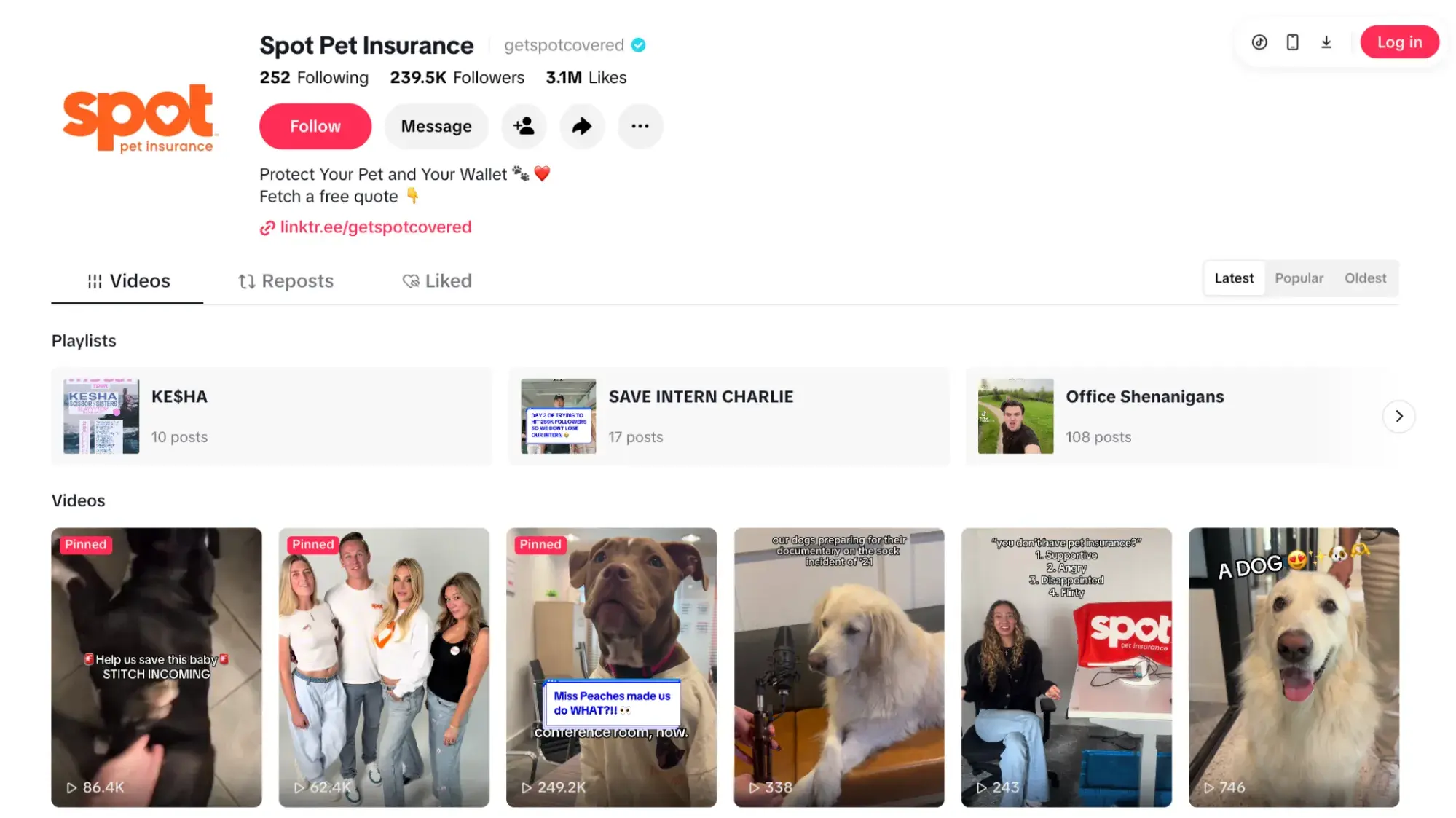
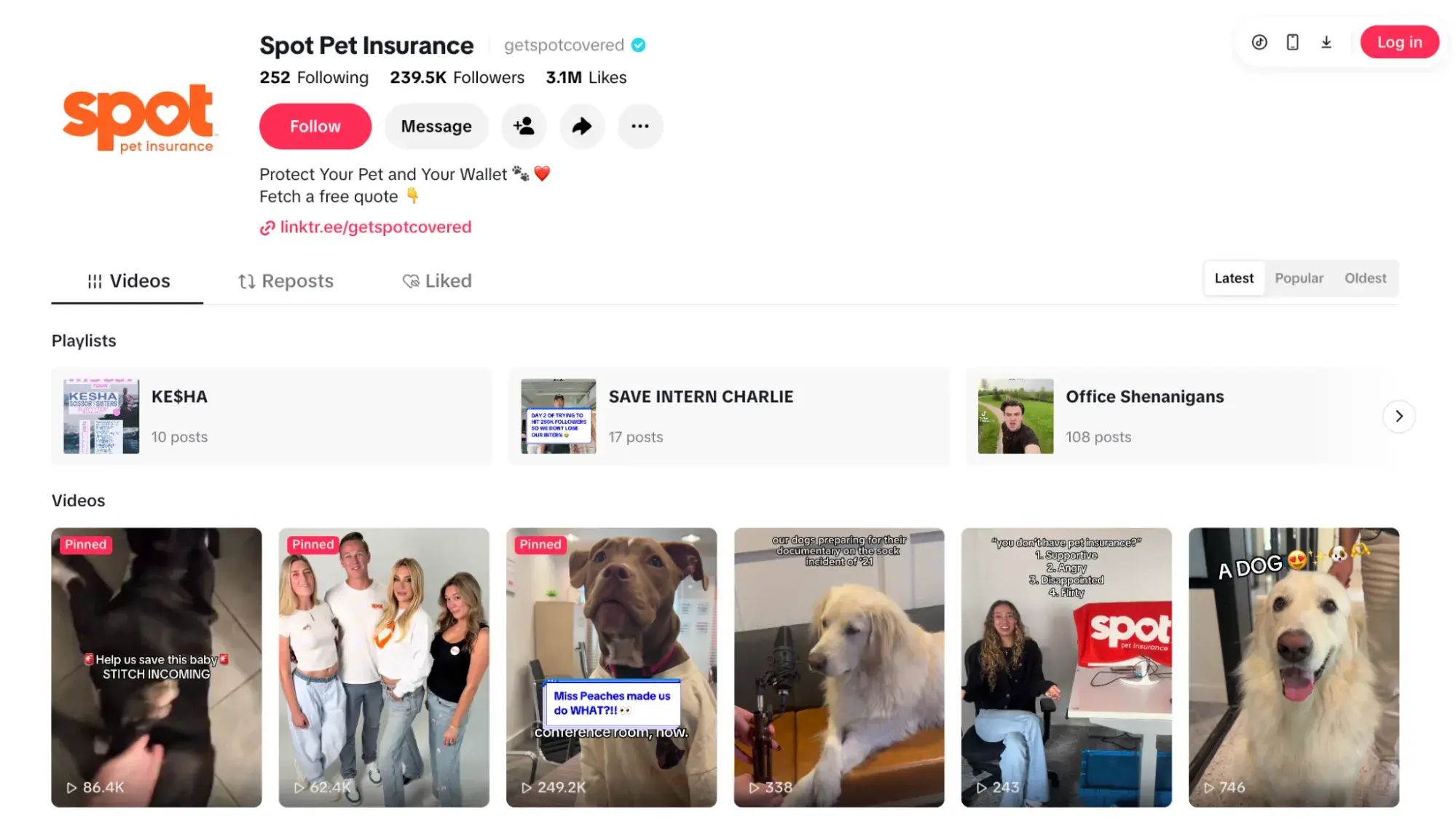
The choice of format is intrinsically linked to the specific stage of the funnel a brand aims to influence. Spot Pet Insurance, a prominent online pet insurer in the United States, effectively utilized this versatility. Rather than solely optimizing for form submissions, the company tracked quote requests and completed payments, meticulously following leads through to the point of purchase. This comprehensive approach yielded a 23% increase in qualified leads and a 19% reduction in cost per lead, underscoring the value of aligning ad formats with deeper funnel objectives.
The Crucial Step of Lead Nurturing: Avoiding the "Ghosting" Phenomenon
Havercroft draws a compelling parallel between neglecting to nurture leads and a modern dating misstep: "You’ve got someone’s number… and you are ghosted. It is a baffling conundrum why people generate leads and let them go cold." This highlights a fundamental oversight where the effort invested in lead acquisition is undermined by a failure to follow through.
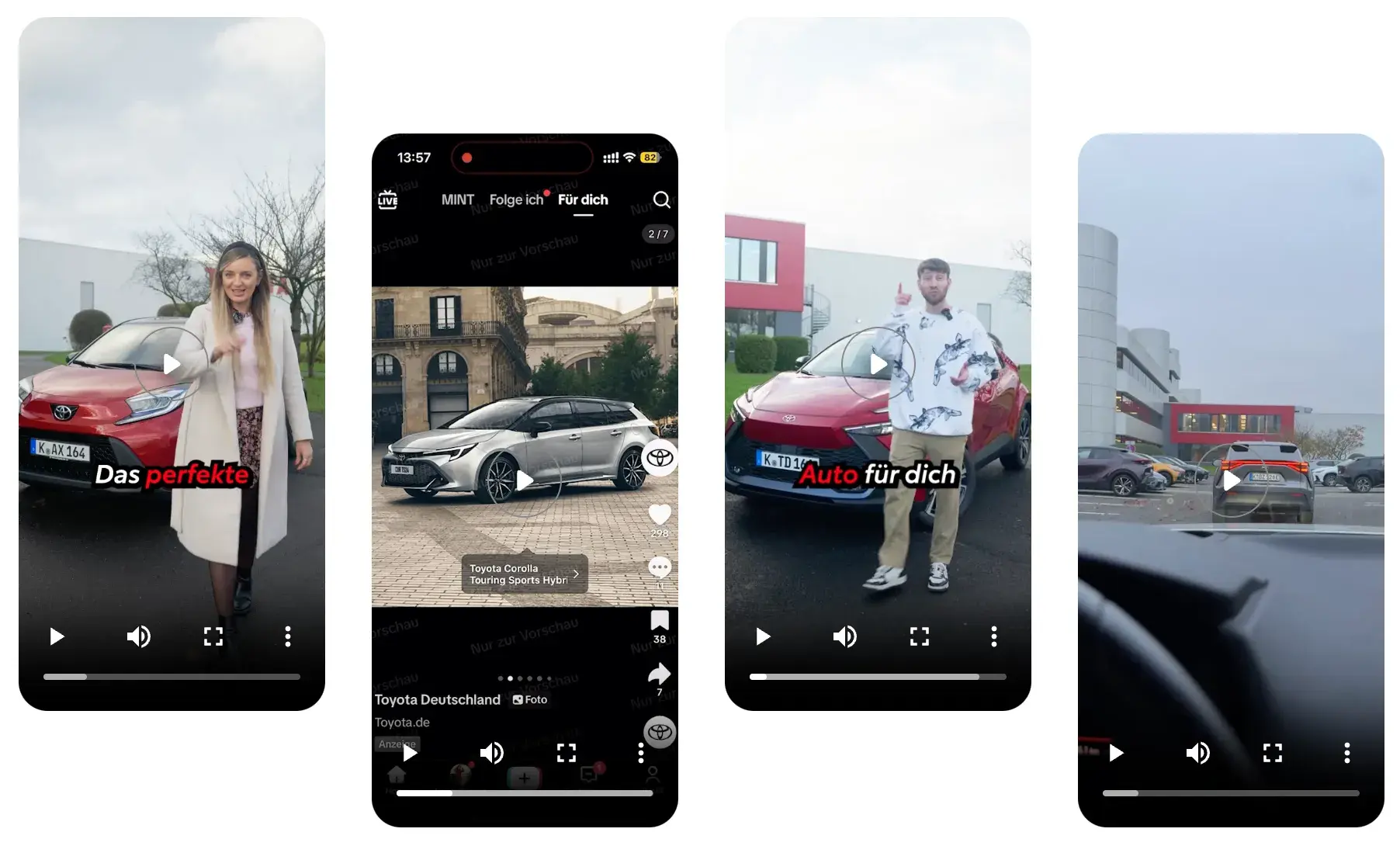
Toyota Germany provides an exemplary case of moving beyond mere acquisition to foster long-term relationships. The automotive purchase journey is typically lengthy, involving online research, video consumption, and ultimately, test drive bookings. Recognizing that each stage demands tailored content, Toyota Germany built its TikTok lead generation strategy around this journey. Crucially, every lead generated was integrated into their existing CRM nurture programs, preventing TikTok from being treated as an isolated channel. This holistic approach resulted in a significant 38% decrease in the cost per acquisition.
The synergy between TikTok and CRM platforms like HubSpot is particularly powerful in this context. Native integrations facilitate bidirectional data flow: campaign-level insights from TikTok are automatically synced to HubSpot, while HubSpot’s customer lifecycle data is fed back to TikTok, enabling more precise optimization towards audiences most likely to convert, rather than merely those inclined to click. Havercroft describes this as "what a great handoff looks like – that loop that kind of feeds the two parts of those systems."
This strategic integration ensures that leads are not left to go cold but are systematically routed into nurture programs tailored to their position within the customer lifecycle. Planning for ongoing engagement and relationship building is paramount for maximizing the return on investment from lead generation efforts.
Recognizing Creator-led Growth as a Potent Lead Generation Lever
Creators are often hailed as the "superpower and the hero of our community" on platforms like TikTok. However, some marketers still relegate them to a secondary role in their lead generation strategies, thereby missing a significant opportunity. Havercroft asserts that creators provide "relevancy and connectivity to our audiences." Because creator content is perceived as more organic and less overtly promotional, it tends to foster a higher level of engagement that translates more effectively into conversions.
Gana Energia, an energy provider in Spain, successfully validated this theory. The company sought to educate its audience on energy cost management and the process of switching providers. In addition to brand-produced educational materials, Gana Energia sourced creator-led content through TikTok One. An A/B test was conducted comparing brand-produced assets against creator content. The creator-led approach emerged as the clear winner, driving a staggering 632% increase in total lead volume and reducing the cost per lead by 64.5%.
For brands hesitant about engaging with creators, Havercroft advises treating them as integral creative partners. This involves providing clear context regarding the business problem and campaign objectives, while simultaneously trusting their ability to translate these messages in a manner that resonates authentically with their respective audiences. The most successful creator-led lead generation campaigns effectively marry authenticity with a well-defined call to action, often utilizing routes like affiliate incentives to provide engagement with a concrete direction.
A Five-Step Framework for Building a Robust TikTok Lead Generation Strategy
The four key opportunities discussed—focusing on readiness, leveraging diverse formats, nurturing leads, and embracing creator-led growth—collectively serve to elevate marketing campaigns from mere awareness exercises to potent demand-generation engines. By embedding these principles from the outset, marketing teams can cultivate effective habits and build successful TikTok lead generation strategies from the ground up. Havercroft recommends a five-step framework to guide this process:
- Define Clear Objectives: Establish specific, measurable, achievable, relevant, and time-bound (SMART) goals for your lead generation efforts.
- Understand Your Audience: Deeply analyze your target audience’s behavior, interests, and motivations on TikTok to inform creative and targeting strategies.
- Select Appropriate Formats and Creatives: Choose ad formats and content styles that align with your objectives and resonate with your target audience at different stages of the funnel.
- Implement Robust Tracking and Measurement: Utilize TikTok’s robust analytics and integrate them with your CRM to accurately measure performance and identify key signals.
- Optimize and Iterate: Continuously analyze campaign data, test different approaches, and refine your strategies based on performance insights.
TikTok’s Smart+ platform further streamlines this process by automating much of the optimization work that previously required manual testing and spreadsheet management. This allows marketers to dedicate more energy to creative development and strategic planning.
The Power of Native Integration: TikTok and HubSpot Synergy
HubSpot’s native TikTok integration significantly simplifies the process of turning TikTok audiences into customers. This integration allows for the seamless syncing, management, and measurement of both TikTok ads and organic content directly within Marketing Hub. Campaigns can be initiated with a sophisticated understanding of target audiences, leveraging data points such as lifecycle stage, deal history, and purchase behavior. Beyond advertising, marketers can schedule and publish organic TikTok content alongside other social media channels. Furthermore, the integration provides access to AI-powered tools for caption generation, comment management, and unified campaign reporting.
The underlying thread connecting these missed opportunities is the critical need for a seamless link between campaign data and a brand’s customer relationship management system. HubSpot’s TikTok integration is specifically designed to empower marketers with a clear understanding of which ads are performing effectively. Campaign-level insights are automatically synchronized with HubSpot, and in turn, HubSpot’s lifecycle and nurture data feed back into TikTok’s optimization algorithms. This dual-direction flow of information ensures that advertisers are not forced to choose between platform-native signals and their own valuable customer data, enabling the execution of campaigns that deliver tangible, impactful results.
About the Author