The fire and safety sector in the United States is experiencing a significant paradox: the accelerating integration of Artificial Intelligence (AI) is both intensifying the strain on an already overstretched workforce and, conversely, providing crucial tools to alleviate the pressures and enhance operational efficiency. A recent comprehensive survey conducted by the National Fire Protection Association (NFPA) has illuminated this complex dynamic, revealing that while AI is contributing to the heightened demand for skilled professionals, it is also emerging as a powerful ally in simplifying their day-to-day tasks and improving overall job performance. This revelation comes at a critical juncture, as the nation grapples with a burgeoning demand for skilled labor across numerous industries, driven in part by the exponential growth of data centers and digital infrastructure.
The Escalating Demand for Fire and Safety Expertise
The findings of the NFPA survey underscore a stark reality: the call for skilled trades workers in fire and safety has seen a substantial increase over the past three years. A commanding 88% of surveyed professionals reported a rise in overall demand for their services. This surge is not an isolated phenomenon but rather a symptom of a broader national trend. A March report by Randstad North America, which meticulously analyzed over 150 million job postings between 2022 and 2026, identified a significant escalation in the demand for skilled labor across various sectors. The report highlighted that the rapid expansion of data centers and digital infrastructure, in particular, is exacerbating hiring challenges. This growth necessitates specialized expertise in areas ranging from advanced electrical systems and robust cooling solutions to intricate fire suppression and detection technologies.
The competitive landscape for talent has intensified to a point where securing an HVAC professional or an electrician now often takes longer than recruiting a software developer. This shift is partly attributed to a demographic transformation within the skilled trades. A significant cohort of experienced professionals, possessing decades of practical knowledge and invaluable experience in preventing operational disruptions and costly errors, are reaching retirement age. Their departure represents not just a loss of personnel but a critical drain of institutional knowledge and hands-on problem-solving capabilities that are difficult to replicate.
Compounding this issue, the traditional vocational training pipelines have struggled to keep pace with the burgeoning demand. Conservative estimates suggest that a substantial skills gap of approximately 30% is poised to emerge in the coming years. This gap is further widened by the transformative influence of technology, particularly AI, which is fundamentally reshaping the nature of work itself. Sanjay Rishi, CEO of Work Dynamics of the Americas and head of global industries at JLL, has pointed to this ongoing evolution, emphasizing that the traditional roles and required skill sets are being redefined at an unprecedented pace.
AI: A Double-Edged Sword for the Fire and Safety Workforce
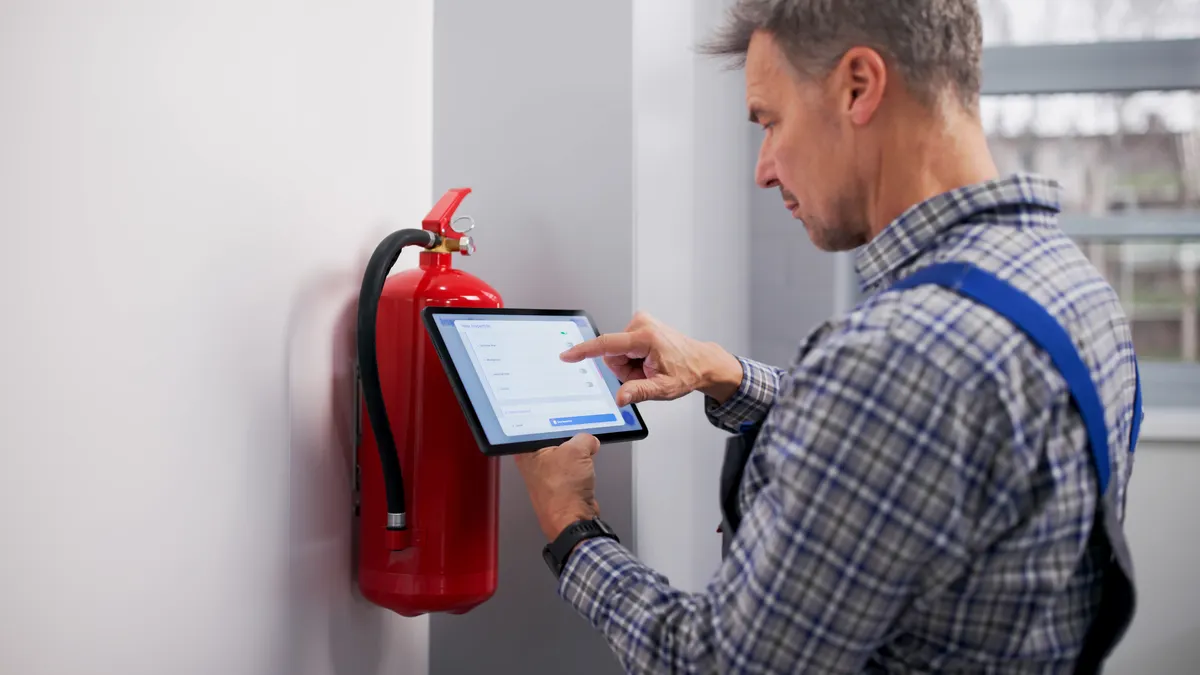
While the demand for their expertise is growing, and the workforce is shrinking due to retirements, fire and safety professionals are increasingly recognizing the profound benefits that AI and digital tools offer. The NFPA survey reveals a significant shift in perception: an overwhelming 87% of respondents indicated that technology has demonstrably made their jobs easier over the last five years. This sentiment is particularly pronounced concerning AI and automation tools, which were cited by 39% of respondents as having the greatest impact on improving their work. Another 36% identified digital tools and software platforms as the primary source of value.
This technological embrace is translating into tangible improvements in various aspects of their roles. AI-powered systems are proving invaluable in streamlining administrative tasks, which often consume a considerable portion of a professional’s time. From automated report generation and scheduling to inventory management and compliance tracking, these tools are freeing up valuable hours that can be redirected towards more critical, hands-on responsibilities.
Furthermore, AI is enhancing access to technical knowledge and support. Sophisticated databases and AI-driven diagnostic tools can provide real-time information, troubleshooting assistance, and best practice guidance, empowering technicians to address complex issues more efficiently and accurately. This is particularly crucial in a field where swift and correct decision-making can have life-or-death implications.
The ability of AI to analyze vast amounts of data is also revolutionizing predictive maintenance and risk assessment. By monitoring system performance, environmental conditions, and historical data, AI algorithms can identify potential equipment failures or safety hazards before they escalate into critical incidents. This proactive approach not only enhances safety but also minimizes downtime and reduces the overall cost of operations.
Historical Context and the Evolution of Safety Technologies
The integration of technology into fire and safety practices is not a new phenomenon, but the pace and sophistication of AI represent a significant leap forward. Historically, fire detection relied on rudimentary smoke and heat detectors, with manual inspections forming the backbone of safety protocols. The advent of electronic systems, fire alarm panels, and sprinkler systems marked early advancements. Over the decades, these systems have become more sophisticated, incorporating networked communication, advanced sensor technologies, and centralized monitoring.

The rise of the internet and digital platforms in the late 20th and early 21st centuries paved the way for remote monitoring, data logging, and digital record-keeping. This era saw the introduction of Building Management Systems (BMS) and Fire Alarm Control Panels (FACP) that could communicate over networks, allowing for more integrated building safety management. However, the analysis of the data generated by these systems often remained a manual and time-consuming process, requiring skilled human interpretation.
The current wave of AI and machine learning represents a paradigm shift. Instead of simply collecting data, AI can now interpret it, identify patterns, predict outcomes, and even automate responses. This evolution is transforming fire and safety from a reactive, compliance-driven field into a more proactive, data-informed discipline. The development and widespread adoption of AI in this sector can be traced back to advancements in computing power, the availability of large datasets, and breakthroughs in algorithms for pattern recognition and predictive analytics. The increasing ubiquity of the Internet of Things (IoT) devices, which can collect granular data from sensors across a facility, has provided the essential fuel for AI-driven insights.
Broader Implications for Facilities Management and Beyond
The dual impact of AI on the fire and safety workforce has far-reaching implications for the broader field of facilities management. As AI continues to automate routine tasks and provide advanced analytical capabilities, facilities managers can expect to see significant improvements in operational efficiency, cost reduction, and enhanced safety outcomes. The ability to predict equipment failures, optimize energy consumption, and streamline maintenance schedules can lead to substantial savings and a more sustainable operational model.
The trend also signals a potential shift in the skills required for the future facilities management professional. While traditional expertise in mechanical, electrical, and plumbing (MEP) systems will remain crucial, there will be an increasing demand for individuals with a strong understanding of data analytics, AI integration, and digital systems management. This necessitates a proactive approach to training and professional development within the industry.
Furthermore, the pressure on the skilled labor market, amplified by the demand for AI-savvy professionals, could spur greater investment in vocational training and apprenticeship programs. Innovative educational models that incorporate digital literacy and AI concepts will be essential to bridge the growing skills gap.

The findings from the NFPA survey are a critical indicator of the evolving landscape of industrial operations. As AI continues its rapid integration across sectors, understanding its multifaceted impact on the workforce is paramount. For the fire and safety industry, this means navigating the challenges of increased demand and labor shortages while simultaneously harnessing the power of AI to create a more efficient, effective, and ultimately safer working environment. The continued development and thoughtful deployment of AI solutions, coupled with strategic investments in workforce training and adaptation, will be key to realizing the full potential of this transformative technology.
Official Responses and Industry Perspectives
While the NFPA survey provides a comprehensive overview from the ground level, industry leaders and technology providers are also acknowledging and responding to these trends. Representatives from companies developing AI-powered safety solutions often emphasize the collaborative potential between human expertise and artificial intelligence. They highlight that AI is not intended to replace skilled professionals but rather to augment their capabilities, allowing them to focus on higher-level tasks and strategic decision-making.
"The future of safety is not about replacing people with machines, but about empowering people with intelligent tools," stated a spokesperson for a leading AI solutions provider for industrial safety. "Our technology is designed to handle the repetitive, data-intensive tasks, freeing up valuable time for our clients’ teams to focus on critical inspections, complex problem-solving, and ensuring the overall well-being of their facilities and personnel."
Industry associations, like the NFPA, play a vital role in facilitating dialogue and disseminating best practices. Their research and educational initiatives are crucial in guiding the industry through this period of technological transition. The NFPA’s ongoing commitment to understanding the impact of emerging technologies on fire and life safety professionals ensures that advancements are aligned with the practical needs and evolving challenges faced by the workforce.
The Randstad report, by quantifying the demand for skilled labor, serves as a critical call to action for educational institutions, policymakers, and industry stakeholders. It underscores the urgency of investing in robust training programs and modernizing apprenticeship models to meet the future needs of the economy. The synergy between such reports and the NFPA’s survey provides a holistic view of the labor market dynamics, highlighting both the pressures and the opportunities presented by technological advancement.
Future Outlook and Strategic Considerations
The trajectory of AI integration in the fire and safety sector points towards a future where intelligent systems are an indispensable part of daily operations. As AI capabilities mature, we can anticipate even more sophisticated applications, including advanced predictive analytics for all types of building systems, AI-driven emergency response coordination, and personalized safety training modules tailored to individual worker needs and risks.
However, the successful navigation of this transition hinges on several key strategic considerations. First, a continued emphasis on education and upskilling is paramount. Fire and safety professionals will need to develop digital literacy and an understanding of how to effectively utilize AI tools. This requires a concerted effort from educational providers, industry bodies, and individual organizations to develop and implement relevant training programs.
Second, ethical considerations and data privacy will become increasingly important. As AI systems collect and analyze sensitive data related to building operations and personnel, robust frameworks for data governance and ethical AI deployment are essential to ensure trust and compliance.
Third, the development of interoperable systems will be crucial. As various AI and digital tools are adopted, ensuring seamless integration and data exchange between different platforms will maximize efficiency and prevent the creation of data silos.
Finally, a proactive approach to workforce planning and talent acquisition will be necessary. Recognizing the growing demand and the evolving skill requirements, organizations must invest in strategies to attract, retain, and develop the next generation of fire and safety professionals, equipping them with the knowledge and tools to thrive in an increasingly AI-driven world. The paradox highlighted by the NFPA survey is not merely an observation but a call to action, urging the industry to embrace innovation while safeguarding its most valuable asset: its skilled workforce.
About the Author