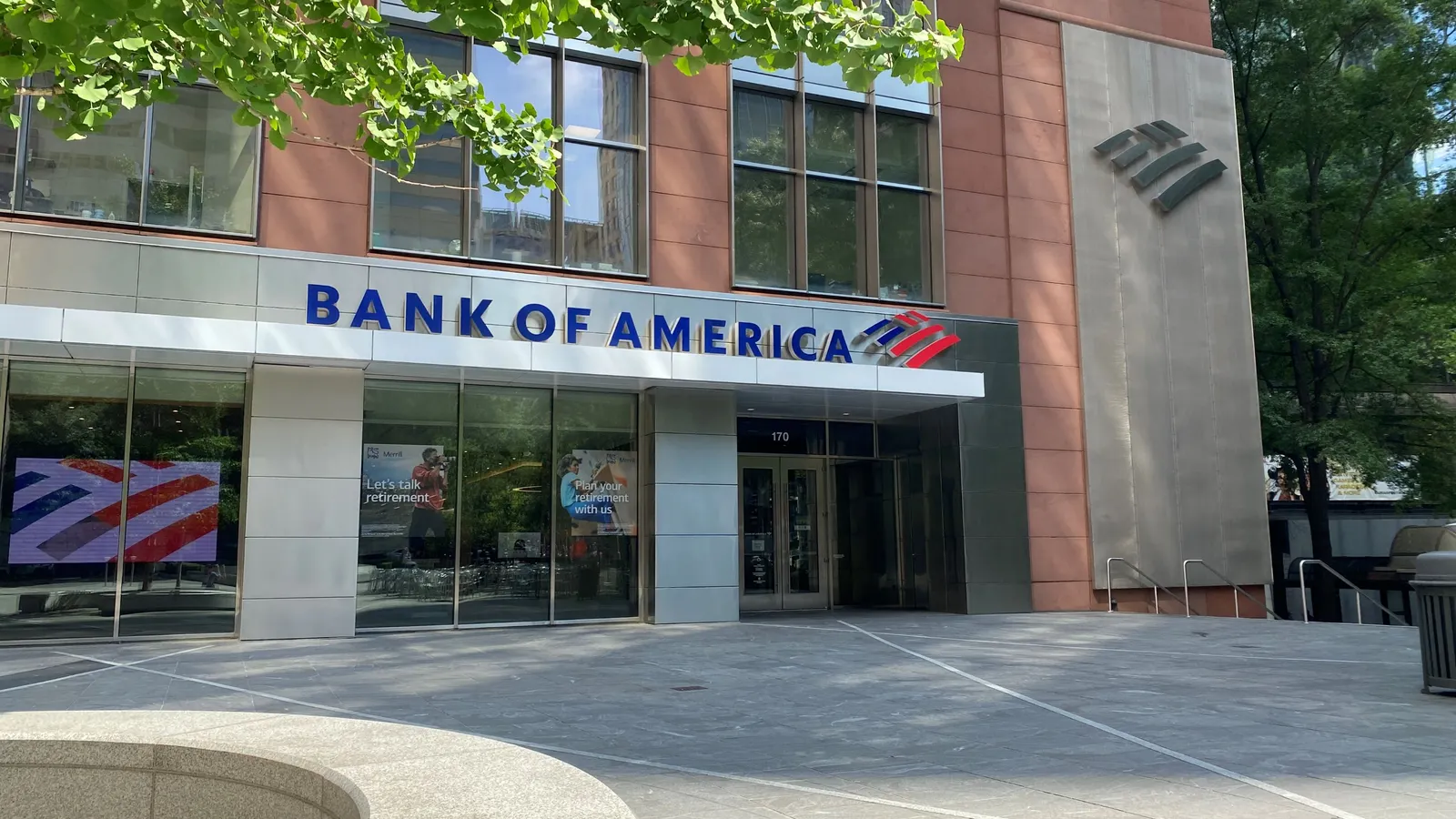
The financial services giant Bank of America has implemented a new policy that restricts employees from working remotely for more than two consecutive business days, a move that underscores a broader trend of companies re-evaluating their hybrid and remote work strategies. The updated guidelines, communicated to staff earlier this month, stipulate that remote workdays cannot be consecutive from Friday through Monday. This decision by one of the nation’s largest employers signals a growing emphasis on in-office collaboration and the strategic utilization of corporate real estate, even as a significant portion of the workforce continues to grapple with the evolving landscape of work.
The policy change affects a wide swathe of Bank of America’s workforce, excluding client-facing roles that have already maintained a five-day-a-week in-office presence. For other employees, the requirement remains a minimum of three days per week at a physical office location. The stated rationale behind this recalibration of remote work flexibility centers on fostering enhanced employee collaboration and optimizing the use of office space to mitigate potential overcrowding. This strategic adjustment reflects a broader industrial shift, where businesses are increasingly seeking to balance the perceived benefits of remote work with the traditional advantages of in-person interaction and established office infrastructure.
This development occurs against a backdrop of significant workforce adjustments across various sectors. Following the widespread adoption of remote and hybrid models spurred by the COVID-19 pandemic, many organizations are now navigating the complexities of establishing sustainable work arrangements. The initial pivot to remote work, driven by necessity, has evolved into a period of strategic re-evaluation, with companies seeking to define optimal models that align with their operational needs, corporate culture, and long-term business objectives. Bank of America’s decision is a prominent example of this ongoing recalibration, indicating a preference for a more structured, in-person approach for a substantial portion of its employees.
The Rationale Behind Bank of America’s Policy Shift
Bank of America’s decision to curtail consecutive remote workdays appears rooted in a multi-faceted strategy. Company communications suggest that the move is intended to bolster inter-employee collaboration. Proponents of in-office work often argue that spontaneous interactions, informal brainstorming sessions, and the organic development of team cohesion are more readily fostered when individuals are physically present in the same environment. The bank’s emphasis on this aspect suggests a belief that a more distributed, yet less consecutive, remote work schedule will facilitate these crucial in-person exchanges.
Furthermore, the policy addresses the efficient utilization of real estate. Large financial institutions like Bank of America maintain extensive corporate campuses and office buildings, representing significant capital investments. By encouraging more regular in-office attendance, the company aims to ensure that these physical assets are used effectively, thereby potentially reducing underutilization and associated costs. The concern about "overcrowding" suggests a desire to manage occupancy levels to ensure a productive and comfortable working environment for those present, while also signaling a move away from situations where office space might be perceived as underused due to widespread remote work.
The timing of this policy update also places it within a broader context of post-pandemic labor market adjustments. As businesses adapt to new economic realities and evolving employee expectations, the debate over the ideal balance between remote and in-office work continues. Bank of America’s stance, while firm, still allows for a significant degree of flexibility, permitting employees to work remotely for two days out of the week. This nuanced approach suggests an effort to strike a balance, acknowledging the desire for some flexibility while reinforcing the importance of physical presence for operational effectiveness.
Broader Trends in Workplace Flexibility
Bank of America’s policy shift is not an isolated incident but reflects a larger movement within the corporate world. Following an unprecedented period of remote work, many companies are now grappling with the long-term implications of their flexibility policies. Data from various studies indicates a divergence in approaches. While some tech companies and other sectors continue to embrace fully remote or highly flexible hybrid models, a significant number of traditional industries, particularly in finance and professional services, are leaning towards increased in-office presence.
According to a 2025 report by Global Workplace Analytics, approximately 77% of full-time employees have experienced some form of remote work. However, the same report highlights that only about 5% of the workforce will continue to work remotely full-time. The majority are expected to operate under hybrid arrangements. This suggests that while the pandemic permanently altered perceptions of remote work’s feasibility, the dominant model moving forward is likely to be a blend of in-office and remote days.
This trend is further supported by findings from the Society for Human Resource Management (SHRM). Their research indicates that as of late 2025, a growing percentage of organizations are either mandating a return to the office or implementing stricter guidelines for remote work. This shift is often driven by concerns about maintaining company culture, fostering innovation through collaboration, and ensuring equitable career progression for all employees, regardless of their work location. The perceived challenges of managing remote teams, ensuring cybersecurity, and maintaining a cohesive organizational identity are also contributing factors to this recalibration.

Implications for the Workforce and Corporate Culture
The tightening of remote work policies by major employers like Bank of America carries significant implications for employees and the broader corporate culture. For employees who have grown accustomed to the flexibility and work-life balance afforded by remote arrangements, such changes can present challenges. Commuting, childcare arrangements, and personal schedules may need to be reconfigured, potentially leading to increased stress and a re-evaluation of career choices.
Conversely, for employees who thrive on in-person interaction and the structure of an office environment, these policies may be welcomed. The emphasis on collaboration and the potential for enhanced professional development through proximity to colleagues and mentors are often cited as key benefits of returning to the office.
From a corporate culture perspective, a more pronounced in-office presence can reinforce traditional hierarchical structures and foster a sense of shared experience. It can also simplify the management of onboarding, training, and performance evaluation, as well as promote a stronger sense of camaraderie and loyalty. However, companies that adopt more rigid in-office mandates risk alienating a segment of their workforce who may prioritize flexibility, potentially leading to increased employee turnover and difficulties in attracting top talent in a competitive market.
The future of work is likely to remain a dynamic and evolving landscape. Companies will continue to experiment with different models, seeking to optimize productivity, employee satisfaction, and business outcomes. The Bank of America policy represents a significant data point in this ongoing experiment, underscoring the enduring value that many large organizations place on physical presence and in-person collaboration.
HR Dive’s Summer Reading List: A Reflection of Evolving Workplace Discourse
Amidst these significant shifts in workplace dynamics, HR Dive’s curated summer reading list for 2026 offers a valuable insight into the contemporary discussions shaping the human resources profession. Featuring eight carefully selected titles, the list delves into a range of topics pertinent to the modern workplace, encompassing both fictional narratives and non-fictional analyses. This collection serves as a resource for HR professionals and business leaders aiming to deepen their understanding of the multifaceted challenges and opportunities present in today’s work environment.

The selection aims to provide a comprehensive overview, addressing themes such as employee well-being, leadership in a changing world, the impact of technology on work, and the evolving nature of employee expectations. By including both fiction and non-fiction, the list acknowledges the power of storytelling to illuminate complex issues and foster empathy, alongside the utility of data-driven research and expert analysis in informing strategic decisions. The inclusion of such a list highlights HR Dive’s commitment to providing forward-thinking content that supports professionals in navigating an increasingly intricate and dynamic professional landscape.
The Growing Fear of Obsolescence and the Need for Upskilling
The broader discourse surrounding the future of work is increasingly punctuated by concerns about skill obsolescence. A recent survey, published on August 14, 2026, by ETS, revealed that a significant number of American workers perceive upskilling as an "absolute necessity" for their continued career relevance. This sentiment is particularly pronounced in rapidly evolving sectors such as technology and finance, where technological advancements and industry shifts can render existing skill sets outdated with alarming speed.
However, the survey also illuminated a critical barrier: the difficulty many employees face in securing employer support for their learning and development initiatives. This disconnect between the perceived need for upskilling and the practical support available highlights a potential chasm in workforce development strategies. Without adequate resources, training opportunities, and employer endorsement, workers expressed a palpable "fear of becoming obsolete," a sentiment that can lead to decreased job satisfaction, heightened anxiety, and a reluctance to embrace necessary career transitions.
This underscores a crucial responsibility for employers to proactively invest in their workforce. Beyond simply acknowledging the need for upskilling, organizations must actively facilitate it through accessible training programs, tuition reimbursement, dedicated learning time, and a culture that champions continuous professional growth. Failure to do so risks not only individual career stagnation but also a broader economic impact resulting from a skills gap and a workforce that is ill-equipped for the demands of the future economy. The quote from an unnamed source, "America’s workers are ready to adapt, but too many are being asked to do it without the time, resources or roadmap they need," encapsulates this critical challenge, emphasizing the urgent need for employers to provide the necessary scaffolding for their employees to successfully navigate the evolving world of work.
About the Author