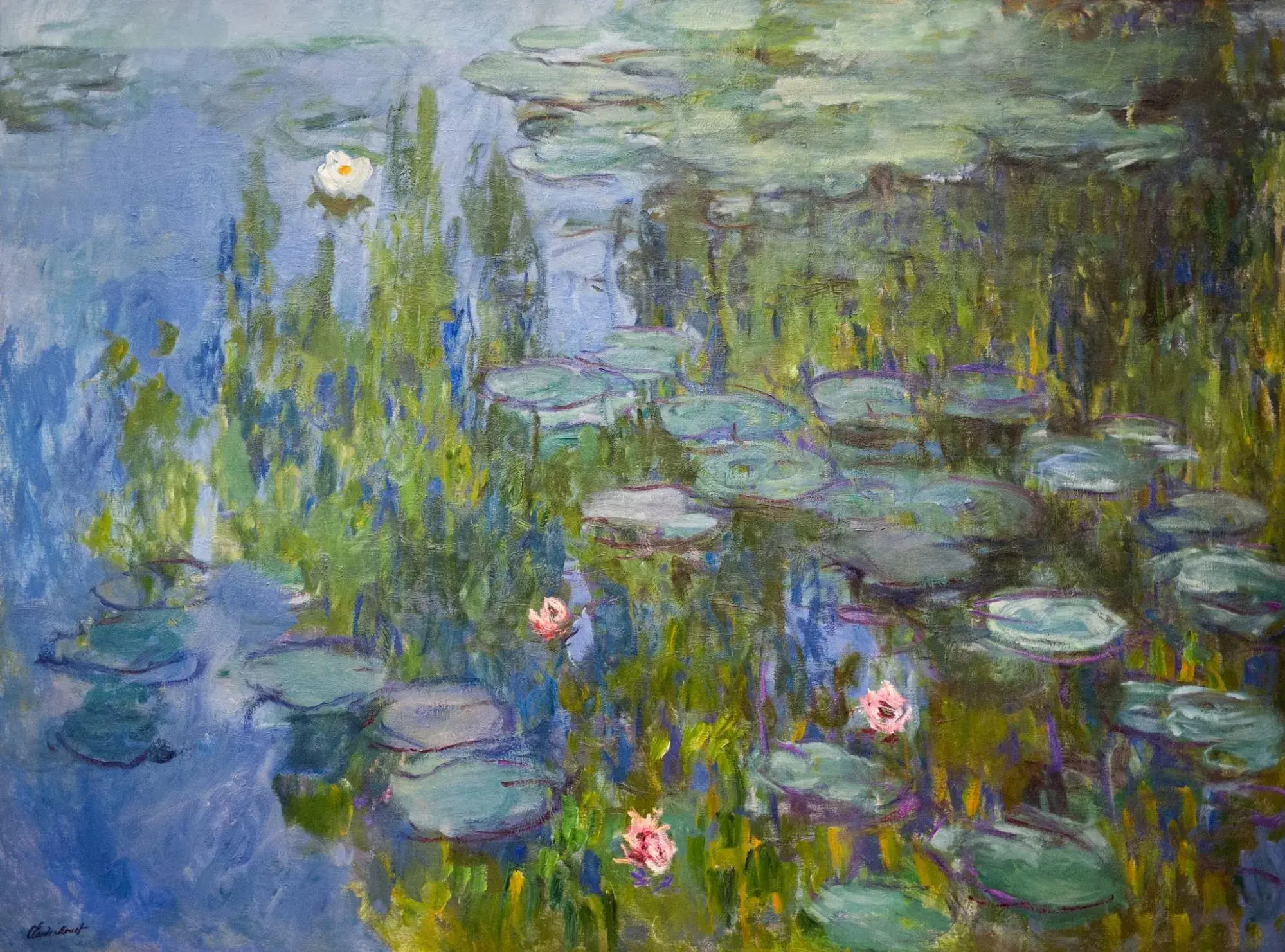
The burgeoning landscape of artificial intelligence, particularly in the realm of creative content generation, has ignited a fierce debate. While AI tools promise unprecedented efficiency and novel artistic possibilities, a significant segment of the public reacts with skepticism, even outright rejection, when AI’s involvement in artistic creation is revealed. This inherent polarization was starkly illustrated by a recent social media experiment that cleverly manipulated perceptions of authorship and effort, revealing a fundamental human bias towards perceived human endeavor.
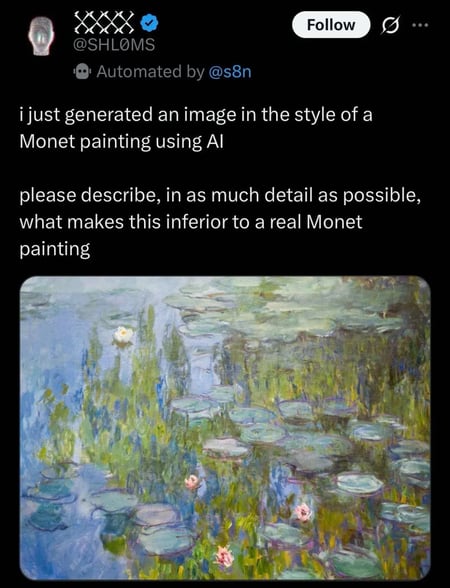
The experiment, initiated by user SHL0MS on the platform X (formerly Twitter), began with a deceptively simple premise. SHL0MS presented a visually striking image, described as an AI-generated artwork in the style of Claude Monet, and invited users to critique it, specifically asking what made it inferior to a genuine Monet masterpiece. The response was swift and overwhelmingly negative. Over 1,300 comments poured in, with users decrying the image as "pure crap," lacking "coherent composition," and featuring "incoherent muddle" of colors. Descriptions like "obvious AI slop," "garbage," and "borked nonsense with no sense of space" were commonplace. The consensus was that the AI art lacked the "magical quality imbued by human creativity."
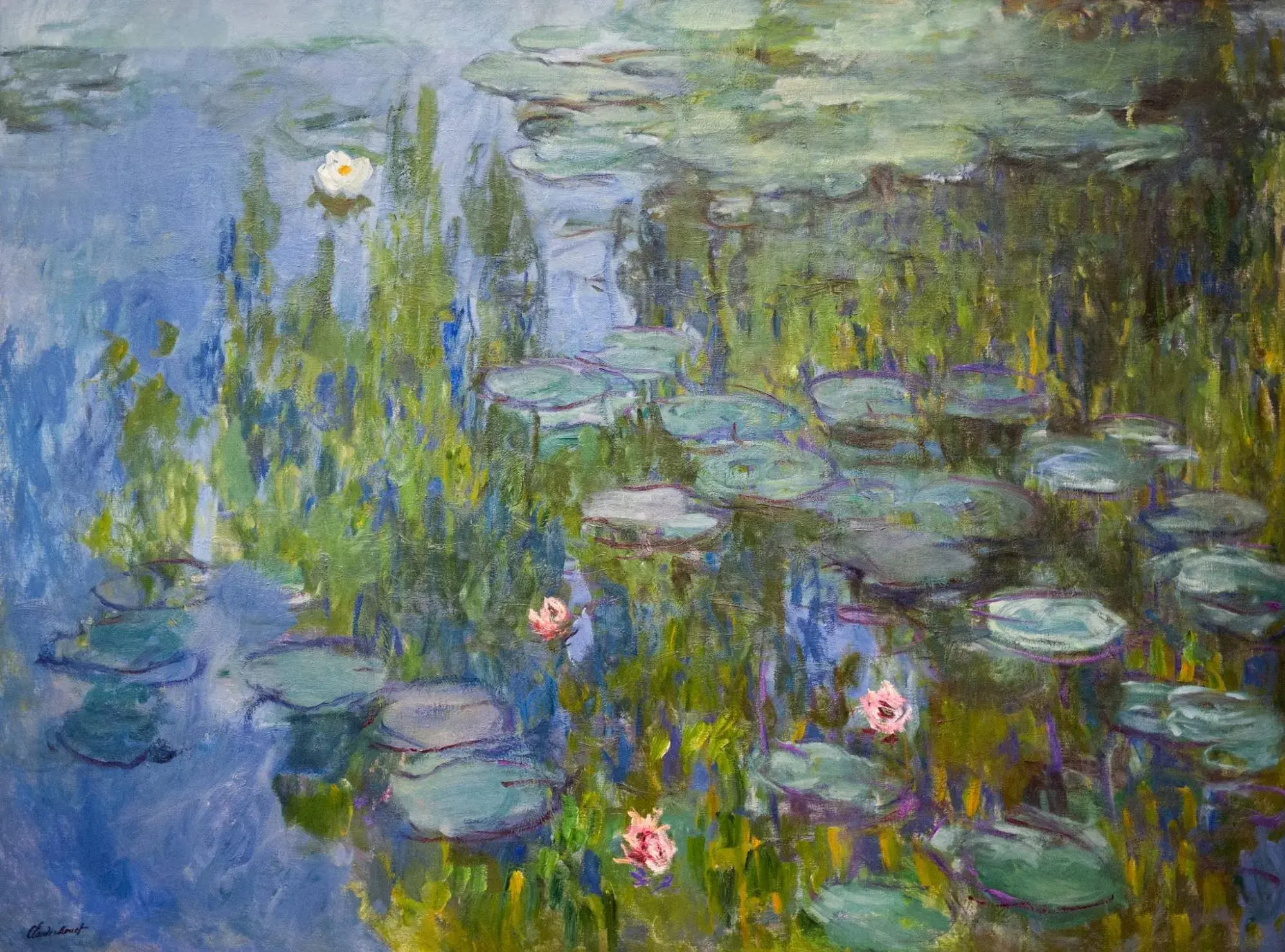
However, the true brilliance of SHL0MS’s experiment lay in its reveal: the image was not AI-generated at all. It was, in fact, a genuine painting by Claude Monet, a celebrated Impressionist master. This deliberate deception exposed a potent psychological phenomenon – the "effort heuristic." When viewers believed the artwork was the product of a machine, devoid of human intention and laborious craft, their critical faculties immediately identified flaws, even in a work of established artistic merit. Conversely, when the same artwork was revealed to be a human creation, the inherent value attributed to human effort, skill, and artistic struggle was unlocked.
This stark contrast highlights a critical challenge for the widespread adoption and acceptance of AI-generated content. As AI models become increasingly sophisticated, capable of mimicking complex artistic styles with remarkable fidelity, the question of how audiences perceive and value such creations becomes paramount. The Monet illusion suggests that our appreciation of art is not solely based on aesthetic qualities but is deeply intertwined with our understanding of the creative process and the perceived effort invested.
The "Effort Heuristic" and Its Implications

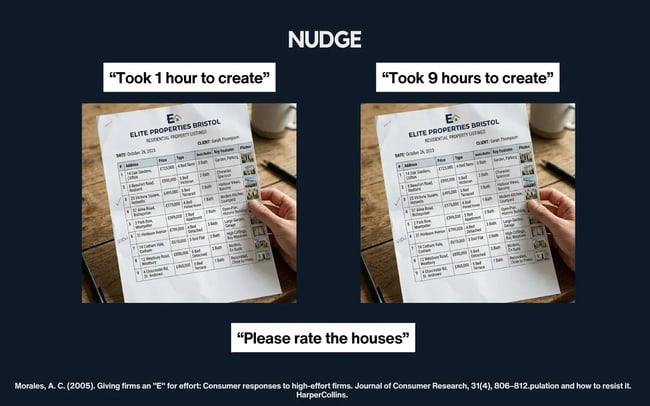
The psychological underpinnings of this reaction were further explored by Andrea Morales, the Lonnie L. Ostrom Chair in Business and professor in the Department of Marketing at Arizona State University. Professor Morales’s research, particularly a 2005 study published in the Journal of Consumer Research, sheds light on how humans attribute value based on perceived effort. The study, titled "Giving Firms an E for Effort: Consumer Responses to High-Effort Firms," involved participants seeking new homes and interacting with real estate agents.
In one condition, participants were informed that their agent had "did everything manually and spent nine hours building the list" of potential properties. In another condition, they were told the agent "used a computer program, spending only one hour on the list." Crucially, the actual lists of available homes were identical in both scenarios. Despite this, participants who believed the list had required nine hours of manual effort rated the houses 30.5% higher. This demonstrated a clear tendency to use effort as a proxy for quality, especially when objective quality metrics are difficult to ascertain.
The implications of Morales’s findings are profound in the context of AI content. If consumers inherently associate lower effort with AI-generated content, and subsequently devalue it, then businesses and creators relying heavily on AI risk alienating their audience. The "effort heuristic" suggests that even technically perfect AI output may be perceived as inferior if its origin is perceived as effortless. This phenomenon has been colloquially termed "Death By Sepia" by copywriter Dave Harland, illustrating how content that appears too polished or too easily generated can lose its perceived authenticity and impact.
This creates a paradoxical situation for industries that are increasingly encouraged to embrace AI for competitive advantage. While AI offers the promise of efficiency and scalability, a sole reliance on it, or even the perception of such reliance, could undermine the very value proposition of the content. The Monet illusion serves as a potent reminder that human psychology, with its inherent biases and appreciation for craft, remains a formidable factor in how we engage with creative works, regardless of their origin.
The Broader Impact on Creative Industries
The implications of the Monet illusion extend far beyond visual art. In fields like writing, music, and design, where AI tools are rapidly advancing, the same psychological principles are likely at play. A blog post generated by an AI might be factually accurate and grammatically sound, but if readers perceive it as having been created with minimal human input, its perceived authority and engagement potential could be diminished. Similarly, AI-generated music might be technically proficient, but it may fail to resonate emotionally if it lacks the perceived human touch and narrative of lived experience.
The challenge for creators and marketers is to navigate this complex landscape. It is not simply about whether AI can produce high-quality content, but rather how that content is presented and perceived. The key may lie in transparency and strategic integration. Acknowledging the use of AI while emphasizing the human curation, editing, and strategic direction behind it could mitigate the negative impact of the "effort heuristic."
For instance, a company using AI to generate initial marketing copy might then highlight the human copywriters who refined, personalized, and imbued the text with brand voice and emotional resonance. This approach acknowledges the efficiency of AI while reassuring the audience that human expertise and creative intent remain at the core of the process. As Professor Matt Johnson discussed on a recent episode of the podcast "Nudge," the issue is not necessarily that AI content "falls flat," but rather that it can fail to evoke the same emotional connection or sense of authenticity as human-created work. The "why" behind the creation, the intent and the struggle, often imbues content with a deeper meaning that AI, in its current form, struggles to replicate independently.
The Future of Creation: A Synthesis of Human and Artificial Intelligence
The Monet illusion and the research on the effort heuristic offer a critical perspective on the integration of AI into creative workflows. They suggest that a wholesale replacement of human creativity with AI might not only be met with public resistance but could also fundamentally alter our appreciation of art and content. Instead, the future likely lies in a symbiotic relationship, where AI serves as a powerful tool to augment human capabilities, rather than supplant them entirely.
As SHL0MS’s experiment so vividly demonstrated, our perception of effort is deeply ingrained in our evaluation of quality. When we believe something was created with care, intention, and skill, we are more inclined to value it. This fundamental human psychology will continue to shape our engagement with all forms of content, regardless of the technological advancements. Therefore, creators and organizations must strive to ensure that their use of AI is not perceived as a shortcut to mediocrity, but rather as a means to enhance and elevate human ingenuity, ultimately producing work that is not only technically proficient but also deeply meaningful and resonant. The challenge is to leverage AI’s power without sacrificing the perceived human touch that underpins genuine appreciation and connection.
About the Author