A recent survey indicates that only a quarter of the global workforce is actively experimenting with artificial intelligence to enhance their job performance, despite widespread CEO recognition of AI’s potential. Concurrently, a significant portion of international companies are grappling with the complexities of attracting and retaining skilled professionals from abroad, highlighting a dual challenge in the modern HR landscape. These findings emerge amidst a flurry of HR news, including a substantial settlement related to a widespread Kronos outage that impacted numerous organizations.
AI Integration: A Gap Between Perception and Practice
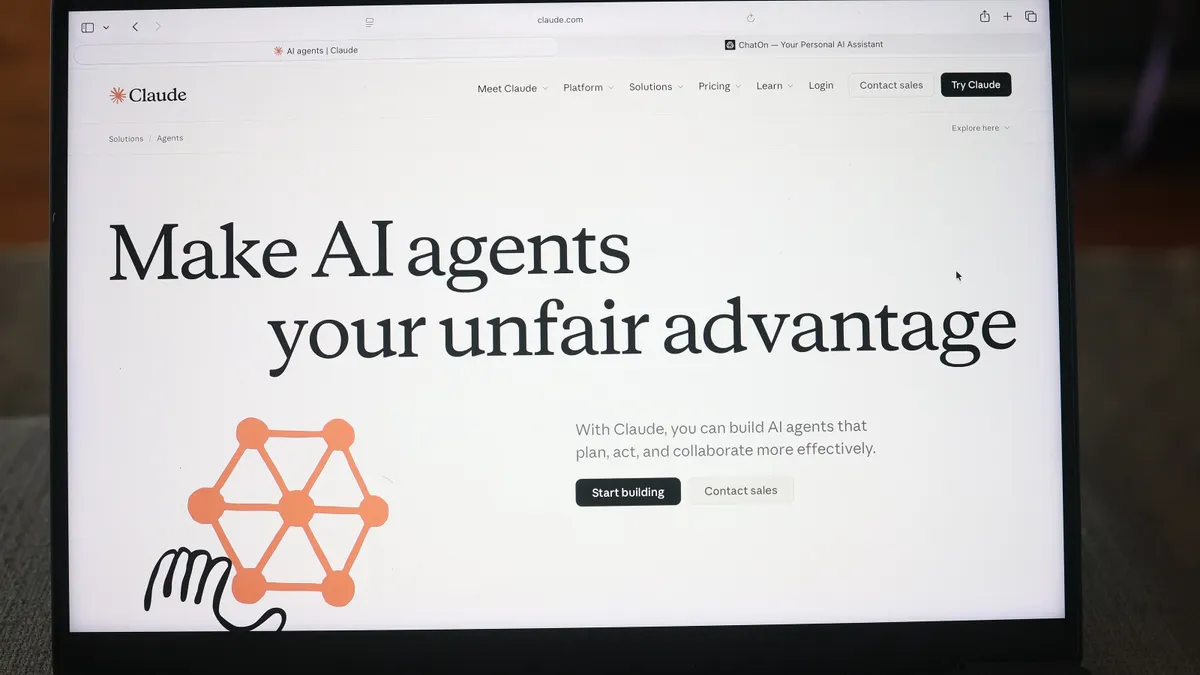
The digital transformation reshaping industries is increasingly fueled by advancements in artificial intelligence. However, the integration of AI tools into daily work routines appears to be proceeding at a more measured pace than anticipated by some industry leaders. A comprehensive analysis by Gartner reveals that a mere 26% of employees are actively exploring AI applications to improve their work. This figure stands in contrast to the sentiments expressed by many chief executive officers, who, according to a separate study by Slingshot and its parent company Infragistics, largely perceive AI as an indispensable component of modern business operations. The same study found that 20% of employees view AI not just as a tool, but as a digital colleague, suggesting a nascent but growing acceptance of AI as an integrated part of the work environment.
This disparity in AI adoption suggests several underlying factors. Employees may be facing a steep learning curve, requiring more robust training and accessible resources to effectively leverage AI capabilities. Concerns about job security, data privacy, and ethical implications also likely contribute to a more cautious approach. Furthermore, the perceived usefulness of AI tools can vary significantly across different roles and industries, leading to uneven adoption rates. The report from Gartner underscores that while the potential of AI is widely acknowledged, its practical application by the average worker is still in its early stages, indicating a critical need for organizations to bridge this gap through strategic implementation and employee enablement.
The Global Talent Conundrum: Barriers to International Recruitment
Simultaneously, businesses are encountering significant obstacles in their pursuit of global talent. Approximately half of all companies worldwide report difficulties in attracting and retaining international employees. This challenge is multifaceted, encompassing a complex web of immigration policies, visa regulations, cultural integration, and the provision of adequate support for expatriate workers. In an increasingly interconnected global economy, the ability to access a diverse talent pool is crucial for innovation, competitiveness, and sustained growth.
The complexities of international recruitment extend beyond mere logistical hurdles. Companies must navigate varying labor laws, tax regulations, and benefit structures in different countries. Moreover, creating an inclusive and welcoming environment for international employees is paramount to their retention. This includes offering comprehensive relocation assistance, language support, cultural acclimatization programs, and fostering a sense of belonging within the organization. Without these supportive measures, even the most skilled international candidates may opt for opportunities that offer a smoother transition and greater long-term stability. The findings suggest that companies need to develop more sophisticated and empathetic approaches to global talent management, moving beyond transactional recruitment to build a truly international workforce.
Cybersecurity: Addressing Gender Disparities and Work-Life Balance
Within the critical field of cybersecurity, a global study by ISC2, an international nonprofit cybersecurity association, has shed light on persistent barriers that disproportionately affect women. The research indicates that 45% of women in cybersecurity cite work-life balance and caregiving responsibilities as the primary reasons preventing them from staying in or advancing within their careers. This highlights a critical need for the cybersecurity industry to address systemic issues that hinder gender equality and create a more supportive environment for all professionals.
The demands of caregiving, which often fall disproportionately on women, can be particularly challenging in high-pressure, demanding fields like cybersecurity. The industry’s traditional work culture, which may not always accommodate flexible working arrangements or robust parental leave policies, can exacerbate these challenges. Addressing this requires a conscious effort from organizations to promote flexible work options, enhance parental leave benefits, and foster a culture that values both professional achievement and personal well-being. By implementing these changes, the cybersecurity sector can work towards retaining valuable female talent and building a more diverse and representative workforce.
The Kronos Outage and the Honda Settlement: A Case Study in Systemic Risk
In a significant development for HR and payroll management, Honda has agreed to a $23 million settlement stemming from lawsuits related to a widespread outage of the Kronos workforce management system. The outage, which occurred in late 2021 and early 2022, severely disrupted payroll processing for millions of employees across numerous organizations. This event served as a stark reminder of the critical reliance businesses place on these systems and the profound impact their failure can have on employee compensation and trust.
The Kronos outage, which was attributed to a ransomware attack, left many employees unable to access their paychecks or view their work hours for extended periods. This led to widespread financial hardship and considerable anxiety among affected workers. The lengthy duration of the outage and the inability of affected companies to provide timely and accurate payroll information underscored the vulnerabilities inherent in centralized, cloud-based HR systems. The ensuing legal battles and subsequent settlements, like the one with Honda, highlight the significant financial and reputational risks associated with such disruptions.

Chronology of the Kronos Outage and its Aftermath:
- December 2021: The Kronos Private Cloud system experiences a major outage, reportedly due to a ransomware attack. This impacts a significant portion of Kronos’s customer base, including many large corporations.
- Early 2022: The outage persists for several weeks, causing widespread disruption to payroll, timekeeping, and scheduling for millions of employees. Companies scramble to implement manual workarounds, leading to inaccuracies and delays in pay.
- Throughout 2022-2023: Numerous lawsuits are filed against Kronos (now part of UKG) and its clients, alleging negligence and failure to protect sensitive employee data and ensure timely compensation.
- February 2024 (Reported March 2026): Honda reaches a $23 million settlement in a class-action lawsuit related to the Kronos outage, indicating a move towards resolution for some of the impacted parties.
The Honda settlement, in particular, signifies a substantial financial repercussion for a major corporation affected by the Kronos failure. While the exact details of the settlement with Honda are not fully elaborated in the initial report, such agreements typically aim to compensate employees for financial losses, emotional distress, and other damages incurred due to the payroll disruptions. This case serves as a critical lesson for organizations regarding the importance of robust business continuity plans, vendor risk management, and diversified payroll processing strategies. The reliance on a single, mission-critical system like Kronos proved to be a significant point of vulnerability.
Broader Implications for HR and Business Operations
The confluence of these trends – cautious AI adoption, global talent acquisition challenges, gender equity concerns in critical sectors, and the fallout from systemic IT failures – paints a complex picture of the contemporary HR landscape. Organizations that proactively address these issues are likely to be better positioned for future success.
For AI, the path forward involves a greater emphasis on employee education, ethical guidelines, and the development of AI tools that are intuitive and demonstrably beneficial. Companies that foster a culture of learning and provide adequate support for AI integration will likely see higher adoption rates and realize the full potential of these transformative technologies.
In the realm of global talent, a strategic overhaul of international recruitment and retention policies is essential. This includes streamlining visa processes, offering competitive compensation and benefits packages tailored to international hires, and investing in comprehensive onboarding and cultural integration programs. Building diverse and inclusive workplaces will not only attract top talent but also foster innovation and a stronger sense of global community within organizations.

The cybersecurity sector, and indeed all industries, must prioritize creating environments that support work-life balance and address the specific needs of caregivers. Flexible work arrangements, robust parental leave, and a culture that destigmatizes caregiving responsibilities are crucial for retaining talent, particularly women, and ensuring a more equitable and sustainable workforce.
Finally, the Kronos outage and subsequent settlements serve as a critical reminder of the importance of supply chain resilience and IT infrastructure security. HR departments, in conjunction with IT and legal teams, must conduct thorough risk assessments of all critical vendor relationships and implement robust disaster recovery and business continuity plans. Diversifying essential services and ensuring adequate redundancy can mitigate the devastating impact of system failures.
As the HR landscape continues to evolve, a forward-thinking approach that prioritizes employee well-being, embraces technological innovation responsibly, and builds resilient operational frameworks will be paramount for organizational success in the years to come.
About the Author