Amazon is launching one-hour and three-hour delivery options across many cities in the U.S. as the e-commerce giant looks to compete with instant delivery companies like Instacart, DoorDash and Uber Eats.
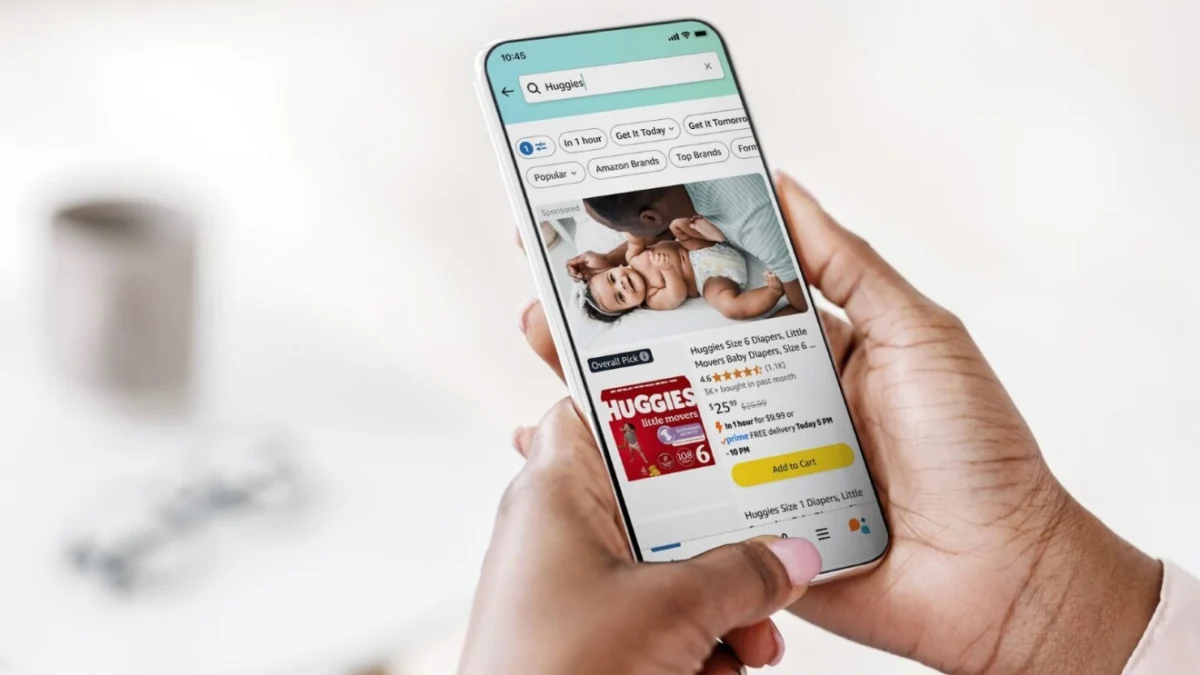
The e-commerce giant is making more than 90,000 items available via this new delivery system. If an item can be delivered to a user within one or three hours, they’ll see a label saying so next to that item on the Amazon app. There’s also a filter for these new delivery options in the app and site. Amazon Prime subscribers will be charged $9.99 for one-hour deliveries and $4.99 for three-hour deliveries. If you don’t have a Prime subscription, you’ll pay $19.99 for one-hour deliveries and $14.99 for three-hour deliveries. Amazon said it is making the one-hour delivery option available in hundreds of cities in the U.S., including parts of major metropolitan areas like Los Angeles, Chicago, and Washington, D.C., as well as Des Moines, Boise, and American Fork. The three-hour option is available in over 2,000 U.S. cities and towns. The company is also launching a dedicated storefront to house items eligible for these new delivery options.
Strategic Pivot Towards Instant Gratification
This significant expansion of ultra-fast delivery services marks a strategic pivot for Amazon, intensifying its competition in the burgeoning quick commerce sector. The move directly challenges established players like Instacart, DoorDash, and Uber Eats, who have carved out substantial market share by offering rapid delivery of groceries and everyday essentials. By leveraging its vast fulfillment network and existing Prime membership base, Amazon aims to capture a larger segment of consumers who prioritize speed and convenience.
The availability of over 90,000 items across these expedited delivery tiers suggests a broad scope for the initiative, encompassing a wide range of consumer goods from electronics and home essentials to personal care items. This extensive selection is a key differentiator for Amazon, potentially offering a more comprehensive solution than competitors who often focus on a narrower range of products. The clear labeling of eligible items within the Amazon app and the introduction of a dedicated filter will streamline the user experience, making it easier for customers to identify and access these faster delivery options.
A Competitive Landscape Shaped by Speed
The quick commerce market has seen explosive growth in recent years, fueled by changing consumer habits and the increasing demand for immediate gratification. Companies have invested heavily in developing efficient logistics and delivery networks to meet this demand. Instacart, for instance, has become a dominant force in grocery delivery, while DoorDash and Uber Eats have expanded beyond food delivery to include a variety of retail items.
Amazon’s re-entry into the ultra-fast delivery space, with more robust and widespread offerings, signals a heightened competitive intensity. The company’s previous attempts, while innovative for their time, were either limited in scope or eventually discontinued. This new initiative appears to be a more concerted and integrated effort to establish a strong foothold in this rapidly evolving market. The pricing structure, with different tiers for Prime members and non-members, also reflects Amazon’s strategy to drive Prime subscriptions and further incentivize loyalty within its ecosystem.
Evolution of Amazon’s Delivery Strategies: A Chronological Perspective
Amazon’s pursuit of faster delivery has been a consistent theme throughout its history, evolving from standard shipping to same-day and now to one-hour and three-hour options. Understanding this evolution provides crucial context for the current announcement.
-
Early Days: Standard and Expedited Shipping: In its initial years, Amazon focused on building a robust e-commerce platform and a reliable shipping infrastructure. Standard and expedited shipping were the primary methods of delivery, with delivery times often measured in days.
-
The Dawn of Same-Day Delivery: Recognizing the growing consumer desire for faster fulfillment, Amazon began experimenting with same-day delivery services in select markets. This was a significant step, laying the groundwork for more ambitious speed-focused initiatives.
-
2014: Prime Now and the One-Hour Experiment: In December 2014, Amazon launched "Prime Now," a service that offered one-hour delivery for a curated selection of items in select urban areas, notably New York City. This marked Amazon’s first significant foray into truly instant delivery, directly competing with emerging local delivery services. Prime Now was initially met with enthusiasm, showcasing the potential of rapid fulfillment.
-
2021: Discontinuation of Prime Now: Despite its initial promise, Prime Now was eventually discontinued in 2021. The reasons for its discontinuation were multifaceted, likely involving operational complexities, profitability challenges, and a strategic shift towards integrating these faster delivery capabilities into its broader Amazon.com experience. This move, however, did not signal an end to Amazon’s pursuit of speed, but rather a regrouping and recalibration of its strategy.
-
December 2025: Pilot of 30-Minute Deliveries: In a significant development prior to the current nationwide rollout, Amazon piloted a 30-minute delivery option in Seattle and Philadelphia in December 2025. This test provided valuable data and operational insights into the feasibility and demand for ultra-fast delivery, likely informing the current broader launch. The success of this pilot program would have been a critical factor in the decision to scale up.
-
Present Day: Nationwide One-Hour and Three-Hour Rollout: The current announcement represents the culmination of these prior efforts, with Amazon rolling out one-hour and three-hour delivery options across hundreds of cities nationwide. This expansion signifies a mature understanding of the operational requirements and market demand for such services, leveraging existing fulfillment infrastructure.

Leveraging Existing Infrastructure for Speed
Amazon’s ability to rapidly deploy these new delivery options is largely attributed to its utilization of existing, same-day fulfillment sites. These facilities are strategically located in or near urban centers, enabling efficient last-mile delivery. By integrating the one-hour and three-hour delivery services into these existing operations, Amazon minimizes the need for significant new infrastructure investment, accelerating the rollout and potentially improving the cost-effectiveness of the program.
The company’s statement, as articulated by Udit Madan, senior vice president of Worldwide Operations at Amazon, emphasizes the customer-centric rationale behind this expansion: "Our customers are busier than ever and are looking for new ways to save time while keeping their households running. We saw an opportunity to use our unique operational expertise and delivery network to help make customers’ lives a little easier while unlocking even more value for Prime members." This sentiment underscores Amazon’s commitment to adapting its services to meet evolving consumer needs and preferences.
Global Footprint in Quick Commerce
Amazon’s ambitions in quick commerce extend beyond the United States. The company has been actively piloting and expanding rapid delivery services in various international markets, demonstrating a global strategy to capture the quick commerce opportunity.
-
India: Amazon Now and 10-Minute Deliveries: In 2024, Amazon launched "Amazon Now" in India, a service specifically designed for ultra-fast grocery and other item delivery, promising delivery within 10 minutes. This initiative was further expanded to several cities in the following year, indicating a strong commitment to the Indian market’s demand for speed.
-
United Arab Emirates: 15-Minute Delivery Promise: In October of the previous year, Amazon launched its quick commerce service in the United Arab Emirates, with a stated promise of deliveries within 15 minutes. This further highlights Amazon’s global efforts to tailor its rapid delivery offerings to local market dynamics and consumer expectations.
These international initiatives provide Amazon with valuable experience and data regarding the operational challenges and consumer acceptance of ultra-fast delivery in diverse markets. This global learning is likely informing and refining its strategies for the U.S. market and beyond.
Analysis of Implications and Future Outlook
The widespread adoption of one-hour and three-hour delivery by Amazon carries significant implications for the e-commerce landscape and consumer behavior.
-
Intensified Competition: This move will undoubtedly intensify competition among e-commerce retailers and delivery platforms. Companies that cannot match Amazon’s speed and selection may find it increasingly difficult to retain customers. This could spur further innovation and investment in logistics and delivery technologies across the industry.
-
Shifting Consumer Expectations: As Amazon normalizes ultra-fast delivery, consumer expectations for convenience and speed will likely continue to rise. This could lead to a broader industry shift, where rapid delivery becomes a standard offering rather than a premium service.
-
Operational Challenges and Profitability: While Amazon possesses a robust operational infrastructure, managing the profitability of one-hour and three-hour deliveries remains a critical challenge. The cost of expedited logistics, including labor, transportation, and inventory management, can be substantial. Amazon’s ability to optimize these costs while maintaining competitive pricing will be key to the long-term success of this initiative. The pricing strategy, with higher fees for non-Prime members, suggests an effort to offset these costs and encourage Prime adoption.
-
Impact on Brick-and-Mortar Retail: The increasing prevalence of ultra-fast delivery could further challenge traditional brick-and-mortar retailers, especially those that do not offer comparable convenience or speed. This may accelerate the trend of omnichannel retail strategies, where physical stores also serve as fulfillment hubs.
-
Sustainability Concerns: The drive for faster deliveries can raise sustainability concerns, particularly regarding increased carbon emissions from more frequent and localized deliveries. Amazon, like other logistics giants, will face growing scrutiny and pressure to adopt more sustainable delivery practices, such as utilizing electric vehicles and optimizing delivery routes.
The success of Amazon’s expanded ultra-fast delivery service will depend on its ability to effectively manage operational complexities, maintain profitability, and consistently meet customer expectations for speed and reliability. As the e-commerce landscape continues to evolve, this strategic move by Amazon is poised to reshape how consumers shop and receive goods, further cementing the era of instant gratification.
About the Author