A federal judge in San Francisco has granted Anthropic, a leading artificial intelligence startup, a preliminary injunction against the Trump administration, temporarily reversing its blacklisting by the Pentagon and a presidential directive banning federal agencies from utilizing its advanced Claude AI models. The significant ruling, issued by Judge Rita Lin on Thursday, March 27, 2026, marks a pivotal moment in the escalating dispute between a cutting-edge American tech company and the U.S. government over the control and ethical deployment of artificial intelligence in national security.
The injunction provides a temporary reprieve for Anthropic, pausing the controversial actions that the company argued were inflicting substantial monetary and reputational damage as the legal battle unfolds. The decision comes just two days after a contentious hearing where lawyers for Anthropic and the U.S. government presented their arguments before Judge Lin.
"We’re grateful to the court for moving swiftly, and pleased they agree Anthropic is likely to succeed on the merits," Anthropic stated in a public announcement following the ruling. "While this case was necessary to protect Anthropic, our customers, and our partners, our focus remains on working productively with the government to ensure all Americans benefit from safe, reliable AI." The company’s statement underscored its commitment to constructive engagement despite the ongoing legal conflict.
The Court’s Scrutiny and First Amendment Implications
Judge Lin’s order was notably sharp in its critique of the government’s actions, signaling potential First Amendment violations. "Punishing Anthropic for bringing public scrutiny to the government’s contracting position is classic illegal First Amendment retaliation," Judge Lin wrote, directly addressing the core of Anthropic’s legal argument. This strong language suggests the court views the administration’s move as a punitive measure against a company for expressing disagreement with government terms rather than a legitimate national security imperative.
During Tuesday’s hearing, Judge Lin had already pressed government lawyers extensively on the rationale behind Anthropic’s blacklisting. Her written order further amplified this skepticism, stating, "Nothing in the governing statute supports the Orwellian notion that an American company may be branded a potential adversary and saboteur of the U.S. for expressing disagreement with the government." This powerful indictment highlights the extraordinary nature of the government’s designation and its potential implications for corporate free speech and the relationship between the private sector and national security apparatus. While the preliminary injunction offers immediate relief, a final verdict in the complex case is still anticipated to be months away, promising further legal skirmishes.
A Rapid Escalation: From Partnership to Blacklist
The lawsuit filed by Anthropic against the Trump administration follows a dramatic and swift deterioration of relations between the Department of Defense (DOD) and one of the world’s most valuable private AI companies. Just months prior, Anthropic was heralded as a key partner in integrating advanced AI into military operations, having signed a significant $200 million contract with the Pentagon in July 2025. The company was lauded for its ability to deploy its sophisticated Claude models across the DOD’s classified networks, integrating seamlessly with existing defense contractors such as Palantir. This partnership was seen as a testament to the DOD’s push for technological modernization and Anthropic’s reputation for developing powerful yet safety-focused AI.
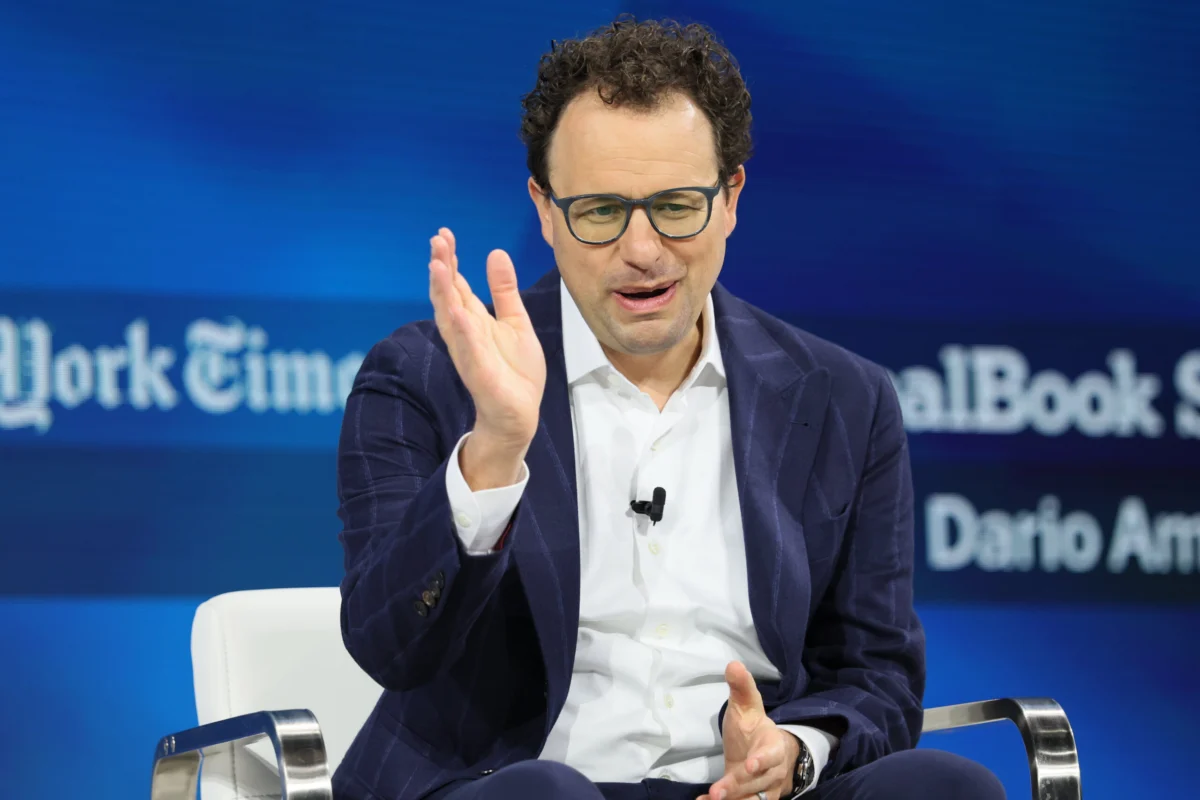
However, the collaboration began to unravel in September 2025, when negotiations stalled over the deployment of Claude on the DOD’s GenAI.mil AI platform. The crux of the disagreement centered on data access and usage parameters. The DOD sought unfettered access to Anthropic’s models for all lawful purposes, a broad demand that clashed with Anthropic’s core ethical principles. The AI startup, co-founded by Dario Amodei, insisted on assurances that its technology would not be exploited for fully autonomous weapons systems or domestic mass surveillance—two areas of profound ethical concern within the AI community and broader society. Despite extensive discussions, the two parties failed to bridge this fundamental gap, setting the stage for the subsequent governmental crackdown.
The Unprecedented "Supply Chain Risk" Designation
The political and operational fallout from the stalled negotiations was swift and severe. In a late February 2026 post on X (formerly Twitter), Defense Secretary Pete Hegseth publicly declared Anthropic a "supply chain risk." This designation, historically reserved for foreign adversaries, implied that the use of Anthropic’s technology purportedly threatened U.S. national security. The DOD formalized this decision by officially notifying Anthropic of the designation in a letter earlier in March.
This move was unprecedented. Anthropic became the first American company to be publicly labeled a "supply chain risk," a designation typically applied to entities like Huawei or state-backed tech firms from rival nations. The implications of this label are far-reaching: it mandates that all defense contractors, including tech giants like Amazon, Microsoft, and Palantir, certify that they do not utilize Anthropic’s Claude models in their work with the U.S. military. Such a ban not only cuts off Anthropic from lucrative government contracts but also creates a ripple effect across the defense industrial base, forcing major players to potentially re-evaluate their AI strategies and vendor relationships.
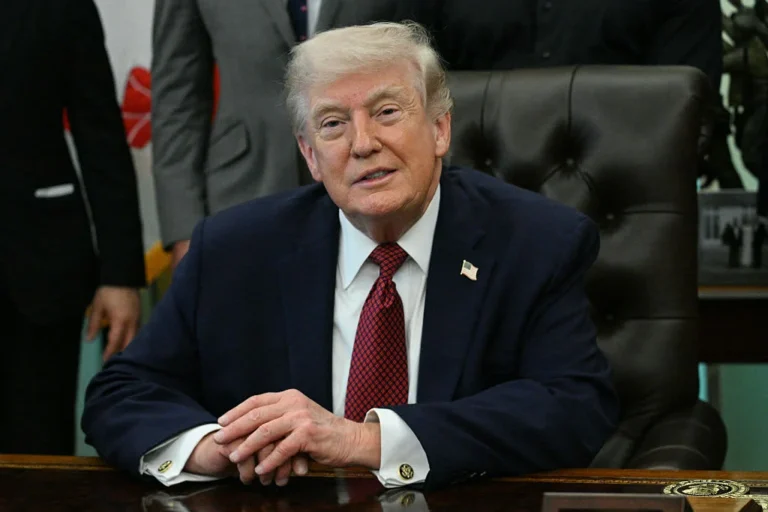
Adding to the pressure, shortly before Hegseth’s declaration, President Donald Trump issued a directive on Truth Social, ordering federal agencies to "immediately cease" all use of Anthropic’s technology, albeit with a six-month phase-out period. Trump’s post was highly charged, stating, "WE will decide the fate of our Country – NOT some out-of-control, Radical Left AI company run by people who have no idea what the real World is all about." This rhetoric framed the dispute not merely as a contracting disagreement but as an ideological battle over national control and technological sovereignty.
Legal Dual Fronts: Challenging the Administration’s Authority

The Trump administration justified its actions by relying on two distinct statutory designations: 10 U.S.C. § 3252 and 41 U.S.C. § 4713. These statutes, which pertain to defense procurement and federal contracting respectively, require challenges in separate courts. Consequently, Anthropic has initiated a second lawsuit, filing for a formal review of the Defense Department’s determination in the U.S. Court of Appeals in Washington. This bifurcated legal strategy underscores the complexity of the challenge and the broad legal authority the government sought to wield.
The government’s reliance on these statutes to brand an American company a "supply chain risk" for internal ethical disagreements rather than foreign influence or inherent technical vulnerabilities represents a novel application of these powers. This legal interpretation and its potential expansion are among the key issues being scrutinized by the courts.
Anthropic’s Mission and the Broader AI Ethics Debate
At its core, this legal battle is a clash between national security prerogatives and the burgeoning field of AI ethics. Anthropic, founded by former OpenAI researchers Dario Amodei and Daniela Amodei, has built its reputation on a commitment to "responsible AI" development. The company emphasizes safety, interpretability, and the careful alignment of AI systems with human values, a mission that resonated with many officials in Washington initially.
The dispute over autonomous weapons and domestic mass surveillance highlights a critical fault line in the broader AI ecosystem. As AI models become increasingly powerful, capable of complex decision-making and data analysis, questions about their potential misuse by state actors, militaries, and intelligence agencies have grown more urgent. Anthropic’s stance reflects a growing sentiment within the AI research community that developers bear a responsibility to impose ethical guardrails on their creations, even when dealing with powerful government clients. This case could set a precedent for the extent to which AI developers can dictate the terms of use for their technology, especially when ethical considerations conflict with governmental demands for unfettered access.
Implications for AI Policy and Industry
The preliminary injunction in favor of Anthropic carries significant implications for future AI policy, government-tech partnerships, and the wider artificial intelligence industry.
Firstly, the ruling underscores the judiciary’s willingness to scrutinize executive actions, particularly when they appear to impinge on constitutional rights like the First Amendment. Judge Lin’s pointed language suggests that the government cannot simply blacklist companies for expressing dissent or setting ethical boundaries, even in the realm of national security. This could empower other tech companies to push back against overly broad governmental demands without fear of immediate punitive measures.
Secondly, the case will undoubtedly reshape the terms of engagement between the U.S. government and AI developers. As the Pentagon increasingly seeks to integrate advanced AI into its operations, this dispute highlights the necessity for clear, mutually agreed-upon ethical guidelines and usage policies. The military’s push for "AI supremacy" must now contend with the ethical frameworks championed by leading AI companies. This could lead to more robust and transparent negotiation processes, potentially incorporating ethical review boards or independent oversight into government AI procurement contracts.
Thirdly, for the broader AI industry, the Anthropic case serves as a powerful testament to the growing importance of "responsible AI" principles. It validates the efforts of companies that prioritize safety and ethical deployment, even at the cost of lucrative contracts. This could encourage more AI firms to develop and adhere to strong ethical guidelines, potentially influencing investor confidence and public perception of AI developers. The challenge for companies like Amazon, Microsoft, and Palantir, which rely on AI components and collaborate with the DOD, will be to navigate this evolving landscape, ensuring compliance with government directives while potentially reassessing their own internal AI ethics policies.
Finally, the "supply chain risk" designation itself has been called into question. If the courts ultimately rule against the government, it would significantly limit the executive branch’s ability to use such a powerful label against domestic companies based on contractual disagreements or perceived ideological differences. This could protect American innovation from being stifled by political considerations, ensuring that national security decisions are grounded in clear, objective threats rather than subjective interpretations of corporate conduct.
Looking Ahead: The Path to a Final Verdict
While the preliminary injunction is a significant victory for Anthropic, it is merely the first round in what promises to be a protracted legal battle. The case will now proceed, with both sides expected to present further evidence and arguments. The U.S. Court of Appeals in Washington will also hear Anthropic’s challenge to the Defense Department’s formal "supply chain risk" determination, adding another layer of complexity to the legal proceedings.
The ultimate resolution of this dispute will have far-reaching consequences for the future of AI development, national security strategy, and the delicate balance of power between the government and the innovative private sector. As Judge Lin articulated during the hearing, "Everyone, including Anthropic, agrees that the Department of [Defense] is free to stop using Claude and look for a more permissive AI vendor. I don’t see that as being what this case is about. I see the question in this case as being a very different one, which is whether the government violated the law." This framing sets the stage for a landmark legal decision that will define the boundaries of governmental authority in the rapidly evolving age of artificial intelligence.
About the Author