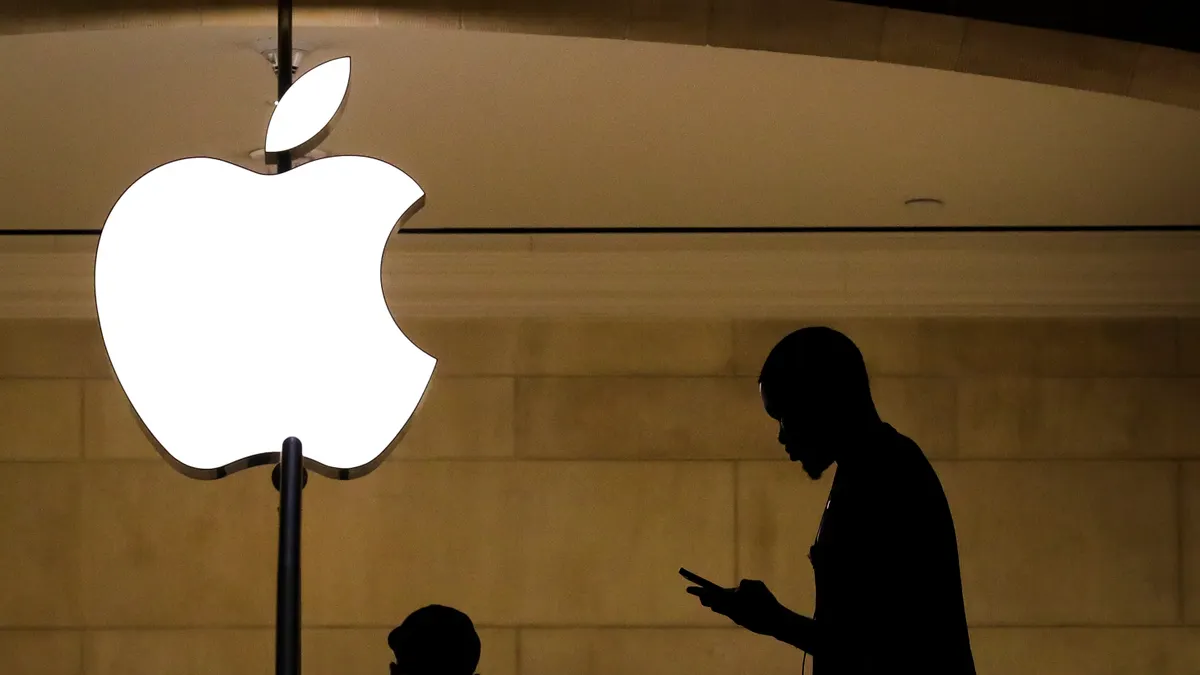
In a significant development impacting workplace equality, Apple Inc. has agreed to a two-year consent decree to resolve allegations of religious discrimination and retaliation. While the tech giant has consented to the terms of the decree, court documents reveal that Apple continues to deny the underlying accusations. The agreement stems from a lawsuit filed by the Equal Employment Opportunity Commission (EEOC) in September 2025, which alleged that Apple violated Title VII of the Civil Rights Act of 1964. This landmark legislation prohibits employers from failing to reasonably accommodate religious practices, discriminating against employees based on their faith, and retaliating against individuals who report or oppose such discrimination.
The consent decree, finalized and published on August 12, 2026, specifically targets retail markets where a particular manager allegedly denied an employee’s request for religious accommodation. This resolution aims to prevent future instances of religious discrimination within Apple’s retail operations by mandating policy updates and enhanced employee training. Despite the company’s denial of the allegations, its participation in the consent decree signals a commitment, albeit a legally compelled one, to address the EEOC’s concerns and improve its internal processes regarding religious freedom in the workplace. The decree does not represent an admission of guilt by Apple but rather a strategic agreement to move forward and implement corrective measures.
Background of the EEOC Lawsuit
The EEOC’s legal action against Apple was initiated following an investigation into claims of religious discrimination. The lawsuit alleged that Apple failed to provide reasonable accommodations for an employee’s religious practices. Title VII of the Civil Rights Act of 1964 is the cornerstone of federal law protecting employees from discrimination based on religion, race, color, sex, and national origin. For religious practices, this includes the obligation for employers to provide reasonable accommodations unless doing so would impose an undue hardship on the business.
The specifics of the initial complaint, as detailed in court documents, likely involved an employee whose religious observances or beliefs conflicted with work requirements, such as scheduling or dress codes. The EEOC contended that Apple’s management, in this instance, did not engage in the interactive process required by law to explore potential accommodations. Furthermore, the lawsuit alleged that the employee faced retaliation after raising concerns about the alleged discrimination. Retaliation is a serious offense under Title VII, protecting employees who assert their rights against adverse employment actions.
The EEOC’s intervention underscores the federal government’s role in enforcing civil rights laws and ensuring fair treatment for all workers. The agency’s decision to file a lawsuit signifies that its investigation found probable cause to believe that discrimination had occurred. The filing in September 2025 set in motion a legal process that has now culminated in this consent decree, avoiding a protracted and potentially more damaging trial for Apple.
Timeline of the Case
The legal proceedings leading to the consent decree can be traced back to the initial filing of the lawsuit by the EEOC.
- September 2025: The Equal Employment Opportunity Commission (EEOC) formally files a lawsuit against Apple Inc., alleging violations of Title VII of the Civil Rights Act of 1964 related to religious discrimination and retaliation. The suit focuses on a specific incident within Apple’s retail division where a manager allegedly denied a religious accommodation request.
- Late 2025 – Mid 2026: Throughout this period, legal teams for both the EEOC and Apple engage in discussions and negotiations to explore a potential resolution. This phase likely involves the exchange of evidence, legal arguments, and proposals for settlement terms. Apple maintains its denial of the allegations while simultaneously engaging in these discussions.
- Early August 2026: An agreement is reached between the EEOC and Apple, leading to the formulation of a consent decree. This decree outlines the specific actions Apple will undertake to address the EEOC’s concerns.
- August 12, 2026: The consent decree is officially published, marking the public announcement of the agreement. The decree is set to be in effect for two years, during which Apple must comply with its terms.
This timeline highlights a relatively swift resolution, as legal disputes can often extend for years. The consent decree suggests a mutual desire to avoid prolonged litigation, though Apple’s stance of denying the allegations remains a key aspect of the agreement.
Key Provisions of the Consent Decree
The two-year consent decree imposes several stringent requirements on Apple, aimed at reinforcing its commitment to religious freedom and preventing discriminatory practices. The core components of the decree are designed to ensure that Apple’s policies and practices align with the protections afforded by Title VII.
1. Non-Discrimination and Non-Retaliation Clause:
Under the terms of the decree, Apple is explicitly enjoined from discriminating against any employee or applicant on the basis of religion. This prohibition extends to all aspects of employment, including hiring, firing, promotions, and compensation. Crucially, the decree also reiterates Apple’s obligation not to discriminate or retaliate against any employee who opposes an unlawful employment practice, files a charge of discrimination, or participates in an investigation. This is a broad protective clause designed to encourage employees to report violations without fear of reprisal. Furthermore, the decree specifically addresses retaliation against employees who request reasonable accommodations for their religious practices.
2. Policy Updates and Training:
A significant element of the decree mandates that Apple will update its religious observance policy. This suggests that the existing policy may have been deemed insufficient or unclear in addressing the nuances of religious accommodation requests. The updated policy will likely provide clearer guidelines for employees and managers on how to navigate such requests.
In addition to policy revisions, Apple is required to implement comprehensive training programs. Specifically, the decree stipulates that at least 1.5 hours of training on Title VII compliance will be provided. This training is targeted at key personnel within the company, including HR teams, store management, and any other employees who are responsible for handling religious accommodation requests. The objective of this training is to equip these individuals with the knowledge and understanding necessary to identify, process, and appropriately respond to religious accommodation requests in a manner that complies with federal law.

3. Scope of Application:
The consent decree’s provisions are primarily applicable to retail markets within which the manager who allegedly denied the worker’s religious accommodation request operates. This localized application suggests that the resolution is intended to address the specific circumstances that led to the EEOC’s lawsuit. However, the broader implications of the decree may extend beyond these specific markets, as the mandated policy updates and training are likely to be implemented company-wide or at least across significant portions of Apple’s retail operations.
4. Denial of Allegations:
It is critical to note that the consent decree explicitly states that it does not constitute an adjudication on the merits of the EEOC’s case. This means that the decree is not a finding of guilt or liability on Apple’s part. Apple’s legal filings accompanying the decree reaffirm its denial of the allegations. The decree itself includes a clause stating that it shall not be construed as a waiver by the EEOC of any contentions of discrimination, nor as an admission by Apple with respect to any claim or defenses it might assert in other legal actions. This carefully worded language preserves Apple’s legal position while allowing for a resolution of the current matter.
Supporting Data and Legal Precedents
The legal framework governing religious accommodation in the workplace is well-established under Title VII. The U.S. Supreme Court has consistently interpreted Title VII to require employers to reasonably accommodate an employee’s sincerely held religious beliefs, practices, and observances, unless doing so would impose an undue hardship on the conduct of the employer’s business. The "undue hardship" standard, as defined by the Supreme Court in cases like Trans World Airlines, Inc. v. Hardison (1977), generally means more than a minimal cost or burden.
The EEOC’s lawsuit against Apple is part of a broader pattern of enforcement actions by the agency aimed at ensuring religious freedom in employment. Statistics from the EEOC often highlight the prevalence of religious discrimination charges filed annually. For instance, in recent fiscal years, the EEOC has typically received thousands of charges alleging religious discrimination. These charges can encompass a wide range of issues, from failure to accommodate to harassment and disparate treatment based on religious affiliation.
While the specific details of the accommodation request in the Apple case are not fully detailed in the provided excerpt, typical examples of religious accommodations include adjustments to work schedules to observe religious holidays, modifications to dress or grooming policies to adhere to religious requirements (e.g., wearing a headscarf or beard), and the allowance of prayer during work hours. The success of such requests often hinges on whether the proposed accommodation is reasonable and does not create an undue hardship for the employer.
The consent decree in the Apple case can be seen as an example of how employers and the EEOC can work towards resolving such disputes through negotiated settlements rather than prolonged litigation. These settlements often involve a combination of injunctive relief (policy changes and training) and, in some cases, monetary damages or back pay, though the latter is not explicitly mentioned in the provided summary. The emphasis on policy and training underscores the EEOC’s strategy to achieve systemic change and prevent future violations.

Reactions and Broader Implications
While official statements from Apple and the EEOC were not available prior to the article’s publication, the consent decree itself offers insight into the parties’ positions. Apple’s agreement to the decree, coupled with its denial of the allegations, suggests a strategic decision to mitigate potential legal risks, negative publicity, and the costs associated with protracted litigation. By entering into the decree, Apple can control the narrative to some extent and focus on implementing the required changes rather than engaging in a public defense of the specific allegations.
For the EEOC, the consent decree represents a successful outcome in its mission to enforce civil rights. It ensures that Apple will implement measures to prevent future religious discrimination and retaliation, thereby protecting a broader class of employees. The agency’s commitment to pursuing such cases, even against large and influential companies like Apple, signals its dedication to upholding the principles of Title VII.
The implications of this consent decree extend beyond Apple’s retail workforce. For other employers, the case serves as a reminder of their legal obligations under Title VII and the importance of having robust policies and training in place to handle religious accommodation requests. Companies across all sectors are increasingly facing diverse workforces with varied religious beliefs and practices. Proactive measures to foster an inclusive environment and ensure compliance with religious accommodation laws are essential for avoiding legal challenges and promoting employee morale.
The focus on training for HR teams and store management is particularly noteworthy. These individuals are often the first point of contact for employees seeking accommodations. Their understanding of legal requirements, the importance of the interactive process, and the potential consequences of discrimination and retaliation is paramount. The decree aims to empower these individuals to act as effective facilitators of religious inclusion.
Furthermore, the voluntary nature of the decree, despite Apple’s denial of guilt, highlights the evolving landscape of workplace compliance. Companies are increasingly recognizing the value of resolving such matters efficiently, even when they contest the underlying claims. This approach allows for a more predictable outcome and a chance to shape the corrective actions themselves, rather than having them dictated by a court ruling.
In conclusion, the consent decree between Apple and the EEOC represents a significant step in addressing religious discrimination in the workplace. While Apple maintains its innocence, the agreement mandates substantial changes in its policies and training practices, reinforcing the legal protections afforded to employees by Title VII. This development underscores the ongoing importance of religious freedom and the EEOC’s continued vigilance in ensuring fair and equitable treatment for all individuals in the American workforce. The two-year duration of the decree will be a period of critical implementation and observation, with the potential for broader industry impact as a result of Apple’s compliance efforts.
About the Author