Asian markets are set to commence Wednesday’s trading session with a positive trajectory, mirroring the upward momentum observed in U.S. equities overnight, as burgeoning optimism for a diplomatic resolution to the protracted Middle East conflict exerted significant downward pressure on global oil prices. The potential de-escalation of geopolitical tensions, particularly those involving key oil-producing regions and critical maritime chokepoints, has injected a renewed sense of stability into global financial markets, with investors shifting away from safe-haven assets towards growth-oriented opportunities.
Diplomatic Initiatives Spark Market Optimism
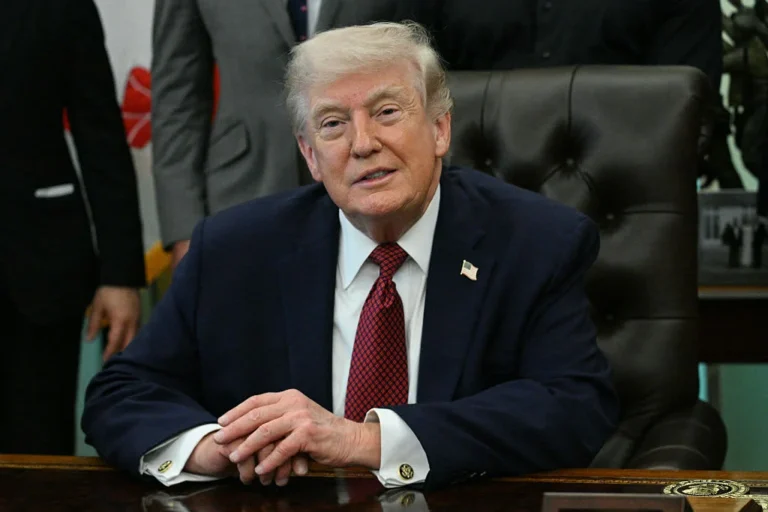
The catalyst for this renewed market confidence emerged from Washington, where a senior White House official, speaking on condition of anonymity due to the sensitive nature of internal administration planning, confirmed to CNBC on Tuesday that discussions were underway for a second round of negotiations between the United States and Iran. While no official schedule has been publicly announced, the mere prospect of direct dialogue between these two influential powers has been sufficient to assuage some of the market’s deepest anxieties regarding regional stability. This development follows remarks made by President Donald Trump on Monday, who stated, "We’ve been called by the other side. They’d like to make a deal very badly." These statements, though brief, have been widely interpreted as a positive signal, indicating a potential willingness from both sides to engage in substantive discussions aimed at diffusing a long-standing and economically disruptive standoff.
The geopolitical landscape of the Middle East, particularly the tensions surrounding Iran and its nuclear program, as well as its regional influence, has been a persistent source of volatility for global energy markets and international trade routes. Fears of supply disruptions from the Persian Gulf, a region accounting for a significant portion of the world’s crude oil production, have repeatedly driven price spikes and heightened risk premiums. Therefore, any credible movement towards diplomatic engagement is typically met with a favorable response from global financial markets.
The Economic Imperative: Strait of Hormuz and Global Oil Flows
At the heart of these geopolitical and economic concerns lies the Strait of Hormuz, a narrow waterway connecting the Persian Gulf to the open ocean. This strategic chokepoint is one of the world’s most vital maritime passages, through which an estimated 20-30% of the world’s seaborne oil passes daily. Any threat to the free flow of shipping through the Strait, whether from military conflict, blockades, or heightened security risks, has immediate and severe implications for global energy supplies and prices. In the event of an escalation, insurance premiums for tankers would skyrocket, shipping routes would be diverted, and the potential for a catastrophic disruption to global oil supplies would become a stark reality.
Historically, periods of heightened tension in the region, such as those witnessed during the Iran-Iraq War in the 1980s or more recent skirmishes and attacks on oil infrastructure, have consistently led to significant increases in crude oil benchmarks. Conversely, signs of de-escalation or diplomatic progress tend to temper these fears, leading to a reduction in the "geopolitical risk premium" embedded in oil prices. The current discussions between Washington and Tehran are seen as a critical step in mitigating these risks, offering a glimmer of hope for sustained stability in the region and, by extension, in global energy markets.
Oil Prices Recede on De-escalation Hopes
The immediate and most tangible impact of these diplomatic overtures was evident in the global oil markets. West Texas Intermediate (WTI) crude, the U.S. benchmark, saw a notable decline of 2.39%, trading at $88.94 per barrel as of 7:40 p.m. ET. Brent crude, the international benchmark, experienced an even more significant drop, settling over 4% lower at $94.79 per barrel on Tuesday. These movements represent a considerable retreat from recent highs, which had seen both benchmarks flirt with or even surpass the $100 per barrel mark in preceding weeks, largely fueled by the Middle East uncertainty.
Analysts have consistently pointed to the geopolitical risk premium as a major factor keeping oil prices elevated. Prior to the news of potential talks, market participants were factoring in a substantial premium due to concerns over supply disruptions, potential retaliatory actions, and the overall instability in the region. The recent decline suggests that a portion of this premium is now being unwound as traders reassess the likelihood of a major conflict. A sustained period of lower oil prices would have far-reaching economic benefits, reducing inflationary pressures globally, easing consumer burdens at the pump, and lowering operating costs for industries heavily reliant on energy, such as manufacturing, transportation, and aviation.
Asia-Pacific Markets Respond Positively
The positive sentiment generated by these geopolitical developments translated directly into a favorable outlook for Asia-Pacific markets. These economies, many of which are net importers of oil, stand to gain significantly from reduced energy costs and greater global stability.
Japan’s Nikkei 225 was prominently positioned for gains, with its Chicago contract trading at 58,775 and its Osaka counterpart last recorded at 58,780. This compared favorably to the index’s previous closing price of 57,877.39, indicating an expected upward gap on opening. Japanese exporters, in particular, often benefit from a more stable global economic environment and potentially stronger demand from key trading partners, which lower oil prices can facilitate by boosting consumer spending and industrial activity worldwide. Furthermore, a stable geopolitical outlook often encourages foreign investment into robust economies like Japan.
Hong Kong’s Hang Seng Index futures also reflected strong optimism, trading at 26,145 against the index’s last close of 25,872.32. The Hong Kong market, with its significant exposure to global trade and finance, is particularly sensitive to shifts in international risk sentiment. A perceived reduction in global geopolitical risk tends to bolster investor confidence, leading to increased capital inflows and a more bullish outlook for equities. Lower oil prices also indirectly benefit Hong Kong’s import-dependent economy and its vast logistics sector.
In Australia, S&P/ASX 200 futures were last seen trading at 9,038, signaling a higher open compared to the index’s previous close of 8,970.80. While Australia is a significant energy exporter, particularly of natural gas and coal, its broader economy and consumer base also benefit from stable global conditions and subdued inflation. Moreover, the mining sector, a major component of the ASX 200, often sees improved sentiment when global growth prospects brighten, driven by reduced energy costs for industrial processes and shipping.
Broader Economic and Geopolitical Implications
Beyond immediate market reactions, the prospect of a diplomatic breakthrough carries substantial broader implications. Economically, a sustained reduction in Middle East tensions could contribute to a more predictable global trade environment, potentially alleviating some of the supply chain bottlenecks that have plagued various industries in recent years. Lower oil prices would also provide central banks with greater flexibility in managing inflation, potentially reducing the pressure for aggressive interest rate hikes and supporting global economic growth. This could, in turn, lead to a more sustained recovery in consumer spending and business investment.
Geopolitically, successful negotiations between the U.S. and Iran could represent a significant shift in regional dynamics. It could open pathways for addressing other persistent issues, such as the conflict in Yemen, the stability of Iraq, and the future of the Iranian nuclear program. Such a development might also encourage other regional actors to pursue de-escalation, fostering a more collaborative environment. However, any diplomatic process between long-standing adversaries is inherently fragile and subject to numerous complexities, requiring careful navigation and sustained commitment from all parties involved.
Analyst Perspectives and Future Outlook
Market analysts and geopolitical experts remain cautiously optimistic. "While the news of potential talks is undoubtedly positive, investors will be looking for concrete progress and tangible outcomes," commented Dr. Evelyn Reed, a senior economist at Global Insight Partners. "The market’s reaction is largely a reflection of unwinding the risk premium, but sustained gains will depend on the actual substance of any deal." She added that a successful diplomatic resolution could unlock significant investment opportunities in sectors previously deemed too volatile due to regional instability.
Meanwhile, Professor Omar Khan, a Middle East policy expert at the National University, cautioned that "negotiations with Iran are historically fraught with challenges. Both sides have significant domestic pressures and red lines. While the willingness to talk is a crucial first step, the path to a comprehensive agreement will be long and arduous." He emphasized the importance of managing expectations and recognizing that any agreement would likely be incremental rather than a sudden, sweeping resolution.
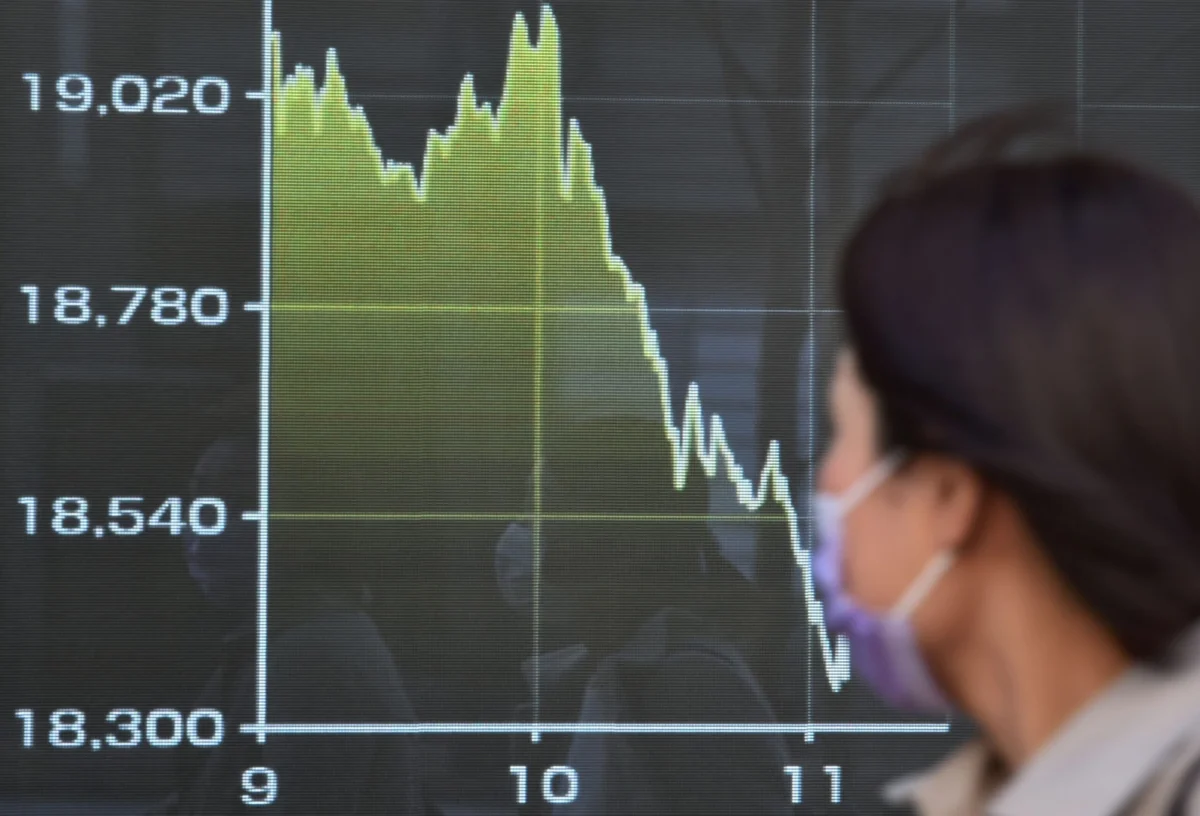
The upcoming days and weeks will be critical as the international community watches closely for further details on the proposed second round of negotiations. The initial market enthusiasm underscores the profound impact of geopolitical stability on global economic health. Should these diplomatic efforts yield meaningful progress, the positive ripple effects could extend well beyond financial markets, fostering greater confidence and predictability in an often turbulent world. The image of an electronic stock board inside Tokyo’s Kabuto One building, taken on Tuesday, January 28, 2025, serves as a poignant reminder of the interconnectedness of global events and market sentiment, reflecting a period where geopolitical calm, however nascent, is a highly prized commodity.
About the Author